Table of Contents
- Introduction
- Understanding Collagen and Postpartum Recovery
- Why Protein Needs Increase Postpartum
- Specific Benefits of Collagen Postpartum
- Is Collagen Safe While Breastfeeding?
- How to Incorporate Collagen into a Postpartum Routine
- Nutritional Foundations Beyond Supplements
- Listening to Your Body
- Conclusion
- FAQ
Introduction
The transition into motherhood is one of the most physically demanding experiences a person can go through. Between the sleepless nights, the hormonal shifts, and the physical demands of caring for a newborn, your body is working overtime to recover from the massive changes of pregnancy and childbirth. Many new mothers find themselves looking for ways to support their energy, repair their tissues, and address common concerns like postpartum hair thinning or skin changes.
At BUBS Naturals, we believe that wellness should be grounded in clean, effective nutrition that fits into a busy, active life. Collagen is often brought up in these conversations because it is a foundational building block for the body. This article explores what collagen does for your body and wellness in postpartum recovery, how it supports your body’s natural healing processes, and what you should look for in a supplement during this phase of life. We will cover the science behind collagen, its safety during breastfeeding, and practical ways to incorporate it into your routine.
Understanding Collagen and Postpartum Recovery
Collagen is the most abundant structural protein in your body. Think of it as the "glue" that holds your tissues together. It provides the framework for your skin, bones, muscles, tendons, and ligaments. While your body naturally produces collagen, the intense physical stress of pregnancy and the subsequent "fourth trimester" can significantly deplete your internal resources.
During pregnancy, your body undergoes massive remodeling. Your skin stretches, your ligaments loosen to accommodate birth, and your internal organs shift. Once the baby is born, your body begins the complex process of returning to its pre-pregnancy state. This requires a significant amount of protein and specific amino acids to repair tissues and support the metabolic demands of recovery.
The Role of Types I and III Collagen
There are several types of collagen, but Types I and III are the most relevant for postpartum support. Type I collagen is found throughout the body and is essential for skin elasticity and bone strength. Type III is often found alongside Type I and is crucial for the health of muscles and blood vessels.
When you take a supplement like BUBS Naturals Collagen Peptides, you are providing your body with hydrolyzed collagen. "Hydrolyzed" simply means the protein has been broken down into smaller chains called peptides. These peptides are much easier for your body to absorb and use immediately, which is vital when your energy and digestive resources are focused on healing.
Why Protein Needs Increase Postpartum
Many people underestimate the nutritional requirements of the postpartum period, especially if they are breastfeeding. Research suggests that protein needs can increase by as much as 50% during the later stages of pregnancy and continue to remain high after birth. If you are exclusively breastfeeding, your body is essentially manufacturing a complete nutritional source for another human, which requires a steady supply of amino acids.
Protein is the primary driver of tissue repair. Whether you are recovering from a vaginal birth or a C-section, your body needs these building blocks to close wounds, rebuild the uterine lining, and support the pelvic floor. Collagen is a unique protein because it is exceptionally high in three specific amino acids: glycine, proline, and hydroxyproline. These are not found in high concentrations in typical protein sources like chicken breast or whey, making collagen a specialized tool for structural repair.
Key Takeaway: Postpartum recovery involves massive tissue remodeling, particularly in the uterus and pelvic region. Supplementing with collagen provides specific amino acids like glycine and proline that support the structural integrity of these healing tissues.
Specific Benefits of Collagen Postpartum
While general wellness is the goal, most mothers look toward collagen to help with specific, tangible issues that arise after birth.
Supporting Skin Elasticity and Stretch Marks
During pregnancy, the skin on the abdomen, breasts, and hips stretches significantly. This can lead to a loss of elasticity and the formation of stretch marks. While genetics play a role in how your skin responds, collagen is the primary protein responsible for skin firmness and hydration. By supporting your body’s collagen levels, you may help your skin regain its resilience more effectively as it transitions back after pregnancy.
Addressing Postpartum Hair Loss
One of the most startling changes many women experience is "telogen effluvium," or postpartum hair loss. This usually happens around three to six months after birth when estrogen levels drop, causing hair that was "stuck" in the growth phase during pregnancy to shed all at once. While collagen cannot stop this hormonal shift, it provides the amino acids (like proline) necessary to build keratin, which is the primary protein in hair. Supporting the foundation of hair growth can help the new hair coming in to be strong and healthy.
Joint and Ligament Health
During pregnancy, the body produces a hormone called relaxin. This hormone does exactly what it sounds like: it relaxes the ligaments in the pelvis to prepare for birth. However, relaxin affects the whole body, often leaving mothers with "loose" joints and an increased risk of aches or injury in the months following birth. As you return to exercise or simply manage the physical load of carrying a growing baby, collagen may help support the stability and repair of these connective tissues.
Uterine and Pelvic Floor Repair
The uterus undergoes an incredible transformation, shrinking from the size of a watermelon back to the size of a pear in just a few weeks. This process, called involution, involves a rapid turnover of collagen within the uterine walls. Providing the body with adequate protein and collagen peptides during this time can support this natural structural transition.
Is Collagen Safe While Breastfeeding?
Safety is the top priority for any new parent. The general consensus among health professionals is that collagen is safe to consume while breastfeeding. Because collagen is a food-derived protein, it is broken down into basic amino acids in your digestive tract before being absorbed. These amino acids are then used by your body or passed into breast milk just like the protein from a piece of steak or a bowl of lentils.
However, the concern often lies not with the collagen itself, but with the quality of the supplement. The supplement industry is not regulated in the same way as pharmaceuticals, which means some products may contain heavy metals, fillers, or artificial sweeteners that you wouldn’t want to pass on to your baby.
Myth: All collagen supplements are the same, so any brand will work for postpartum.
Fact: Quality varies wildly. For nursing mothers, it is crucial to choose a product that is third-party tested for purity and free from additives or "proprietary blends" that hide low-quality ingredients.
Our Collagen Peptides are NSF for Sport certified, which is one of the most rigorous third-party testing standards in the world. This ensures that what is on the label is exactly what is in the tub, with no contaminants or banned substances.
How to Incorporate Collagen into a Postpartum Routine
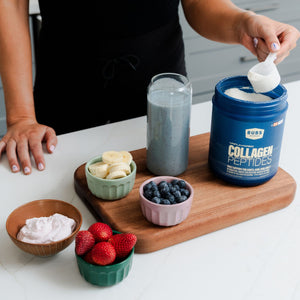
When you have a newborn, "complicated" is the last thing you need. One of the reasons we focus on a highly soluble, unflavored powder is so it can disappear into whatever you are already eating or drinking.
-
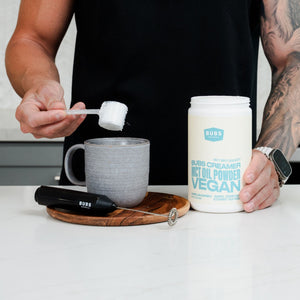
Morning Coffee or Tea: This is the easiest way to stay consistent. Our collagen dissolves instantly in hot liquids without changing the taste or texture.
-
Smoothies: A quick way to get a dose of protein, healthy fats, and collagen in one go.
-
Oatmeal or Yogurt: Stir a scoop into your breakfast for an easy protein boost that keeps you full longer.
-
Hydration: You can even mix it into a glass of water along with an electrolyte supplement like our Hydrate or Die to support both recovery and hydration levels simultaneously.
The Importance of Vitamin C
Your body cannot effectively synthesize collagen without Vitamin C. It acts as the "on switch" for the enzymes that link amino acids together to form collagen fibers. While many people get enough Vitamin C from their diet, new mothers are often depleted. Pairing your collagen intake with a source of Vitamin C—like a squeeze of lemon in your water or a supplement like BUBS Naturals Vitamin C—can help maximize the benefits.
Nutritional Foundations Beyond Supplements
While supplements are a powerful tool, they are meant to support a healthy diet, not replace it. Postpartum recovery is a "food first" endeavor, and how the body can produce more collagen naturally is a big part of that approach. Whenever possible, focus on nutrient-dense foods that naturally support collagen production:
-
Bone Broth: This is the original collagen supplement. It is rich in glycine and minerals that are easy for a tired body to absorb.
-
Slow-Cooked Meats: Cuts of meat with connective tissue (like pot roast or chicken thighs) provide natural collagen.
-
Eggs and Fish: Excellent sources of the amino acids and healthy fats needed for cellular repair and hormonal balance.
-
Bright Fruits and Veggies: Berries, citrus, and leafy greens provide the antioxidants and Vitamin C necessary to protect your existing collagen from oxidative stress.
Bottom line: Collagen is a safe and effective way to meet the increased protein demands of the postpartum period, supporting everything from uterine repair to hair health, provided you choose a clean, third-party tested source.
Listening to Your Body
Every postpartum journey is unique. Some mothers bounce back quickly, while others face a longer road to feeling like themselves again. It is important to remember that supplements take time to show results, and choosing the best time to take collagen vitamins can help you stay consistent. You won't notice a change in your hair or skin overnight; it usually takes 8 to 12 weeks of consistent use to see the tangible benefits of collagen.
Always consult with your healthcare provider or a registered dietitian before starting a new supplement routine, especially if you had complications during birth or have underlying health conditions. They can help you determine the right dosage for your specific needs.
Conclusion
The postpartum period is a time of immense change and recovery. Your body has performed a miracle, and it deserves the highest quality support as it heals. Collagen may provide a simple, effective way to nourish your tissues, support your joints, and help you regain your vitality during the fourth trimester. By choosing clean, science-backed ingredients, you are investing in your own long-term wellness so you can show up fully for your new family.
-
Support Tissue Repair: Provide the building blocks for uterine and pelvic recovery.
-
Boost Protein Intake: Meet the high demands of breastfeeding and healing.
-
Prioritize Purity: Use third-party tested supplements to ensure safety for you and your baby.
-
Stay Consistent: Give your body 8–12 weeks to show the structural benefits of supplementation.
At BUBS Naturals, we are driven by a commitment to quality and a mission of service. You can learn more on About Bubs, and we donate 10% of all our profits to veteran-focused charities in honor of Glen "BUB" Doherty, ensuring that your journey toward wellness also supports a greater cause. Take it one day at a time, listen to your body, and keep moving forward.
FAQ
When can I start taking collagen after giving birth?
Most mothers can start taking collagen immediately after birth, as it is a food-based protein supplement. However, because every birth experience is different, we always recommend a quick check-in with your doctor or midwife at your first postpartum appointment.
Does collagen affect breast milk supply?
There is no evidence to suggest that collagen negatively impacts milk supply. In fact, increasing your overall protein and fluid intake is generally supportive of healthy lactation, as your body requires extra nutrients to produce milk.
Can collagen help with postpartum hair loss?
Collagen provides amino acids like proline, which are essential for the production of keratin, the protein that makes up your hair. While it may not stop the initial hormonal shed, it can help support the strength and health of the new hair growth that follows.
How do I know if my collagen is safe for breastfeeding?
Look for products that are unflavored and contain no artificial sweeteners, fillers, or "hidden" ingredients. Ensure the brand uses third-party testing, such as NSF for Sport certification, to guarantee the product is free from heavy metals and contaminants.