





Table of Contents
- Introduction
- What is Collagen?
- How Does Collagen Benefit Our Health?
- How Can We Naturally Boost Collagen Production?
- The Role of Collagen Supplements
- Conclusion
Introduction
Have you ever wondered why so many wellness enthusiasts are buzzing about collagen? From skincare to joint health, this protein has garnered a lot of attention in recent years. In fact, collagen is the most abundant protein in our bodies, making up about 30% of our total protein content. It plays a crucial role in providing structure, strength, and elasticity to our skin, muscles, bones, tendons, and ligaments. With the rise of collagen supplements and products on the market, it’s essential to sift through the noise and understand what collagen truly offers and whether it’s good for you.
At BUBS Naturals, we believe in adventure, wellness, and purpose. Just like the legacy of Glen “BUB” Doherty inspires us, our approach to health emphasizes clean, functional, and science-backed supplements. In this blog post, we’ll dive into the world of collagen—what it is, how it benefits our body, and whether supplements are a worthwhile addition to your wellness routine. By the end, you’ll have a clear understanding of the role collagen plays in your health and how to incorporate it into your daily life.
What is Collagen?
Collagen is a structural protein found in various connective tissues throughout the body. It acts as a scaffold, giving strength and support to our skin, bones, muscles, tendons, and ligaments. There are at least 28 different types of collagen, each with specific roles, but the most common types are Type I, II, and III.
- Type I collagen is the most abundant and is primarily found in skin, tendons, and bones.
- Type II is predominantly found in cartilage and is crucial for joint health.
- Type III is often found alongside Type I in skin, blood vessels, and internal organs.
As we age, our body’s natural collagen production declines, leading to visible signs of aging like wrinkles and sagging skin, as well as joint pain and decreased mobility. This reduction in collagen typically begins around the age of 20 and accelerates after menopause in women.
How Does Collagen Benefit Our Health?
Skin Health
One of the most talked-about benefits of collagen is its effect on skin health. Research suggests that collagen supplements may improve skin hydration, elasticity, and overall appearance. A review of multiple studies indicated that taking hydrolyzed collagen improved skin hydration and elasticity and reduced the appearance of wrinkles compared to placebo treatments.
Joint Health
Collagen plays a vital role in maintaining the integrity of cartilage, the tissue that cushions joints. As collagen levels decrease, joint pain and stiffness can become more prominent, especially in conditions like osteoarthritis. Some studies suggest that collagen supplements may help reduce joint pain and improve function in individuals suffering from osteoarthritis.
Bone Health
Collagen is also essential for bone health. It provides the framework for bones and is critical for maintaining their strength. Some research indicates that collagen supplementation may increase bone mineral density (BMD) in postmenopausal women, potentially reducing the risk of osteoporosis.
Muscle Mass
Collagen may also support muscle mass. Some studies suggest that collagen supplementation combined with resistance training can help increase muscle mass and strength, particularly in older adults. This is significant because maintaining muscle mass is crucial for overall health and mobility as we age.
Hair and Nail Health
While the evidence is less conclusive, some anecdotal reports and smaller studies suggest that collagen may support hair and nail health by reducing brittleness and promoting growth.
How Can We Naturally Boost Collagen Production?
While supplements can provide a boost, there are numerous natural ways to support collagen production in the body. Here are some effective approaches:
Diet
A nutrient-rich diet is crucial for collagen synthesis. Foods that support collagen production include:
- Bone Broth: A traditional source of collagen, made from simmering animal bones and connective tissues.
- Protein-Rich Foods: Chicken, fish, beef, eggs, and dairy products provide amino acids necessary for collagen synthesis.
- Vitamin C-Rich Foods: Citrus fruits, berries, bell peppers, and leafy greens boost collagen production as vitamin C is essential for the formation of collagen.
- Zinc and Copper: These minerals are vital for collagen production. Foods like nuts, seeds, legumes, and whole grains can help meet these nutritional needs.
- Antioxidant-Rich Foods: Berries, dark chocolate, and green tea contain antioxidants that protect collagen from damage caused by free radicals.
Healthy Lifestyle Choices
Certain lifestyle habits can positively or negatively impact collagen levels:
- Hydration: Staying hydrated helps maintain skin elasticity and overall skin health.
- Sunscreen: Protecting your skin from UV damage can help preserve collagen levels.
- Avoiding Smoking and Excessive Alcohol: Both habits can significantly degrade collagen and accelerate the aging process.
- Regular Exercise: Physical activity improves circulation and supports collagen production in the body.
The Role of Collagen Supplements
With the growing popularity of collagen supplements, it’s essential to understand their role in our wellness journey. Collagen supplements come in various forms, including powders, capsules, and liquids. Hydrolyzed collagen (or collagen peptides) is broken down into smaller, more easily absorbed fragments, making it a popular choice for supplementation.
Who Should Consider Collagen Supplements?
While most people can benefit from collagen supplementation, it may be particularly useful for:
- Older adults experiencing signs of aging and joint pain.
- Athletes looking to support muscle recovery and joint health.
- Individuals with skin concerns wanting to improve hydration and elasticity.
Are There Any Risks?
Collagen supplements are generally considered safe, but it’s essential to choose high-quality products that have undergone third-party testing for purity and efficacy. Since they are derived from animal sources, individuals with allergies to fish, shellfish, or other animal products should be cautious. Always consult with a healthcare professional before starting any new supplement regimen, especially if you have underlying health conditions or are taking medications.
Conclusion
Collagen plays a vital role in maintaining our skin, joints, and overall health. While the body naturally produces collagen, factors such as aging, diet, and lifestyle can impact its levels. Collagen supplementation may offer benefits, especially for skin and joint health, but it’s crucial to focus on a well-rounded diet and lifestyle to support your body’s natural collagen production.
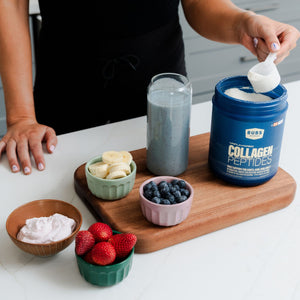
At BUBS Naturals, we are dedicated to promoting wellness through clean, high-quality supplements inspired by the adventurous spirit of Glen “BUB” Doherty. As you consider the role of collagen in your health journey, remember that our premium Collagen Peptides are designed to support your active lifestyle and well-being—one scoop at a time.
Frequently Asked Questions (FAQ)
1. Is collagen good for you?
Yes, collagen is beneficial for skin, joint, and bone health. It can help improve hydration, elasticity, and joint function.
2. How can I increase my collagen levels naturally?
You can boost collagen production through a balanced diet rich in protein, vitamin C, zinc, and antioxidants, along with healthy lifestyle choices such as hydration, sun protection, and regular exercise.
3. Are collagen supplements safe?
Collagen supplements are generally safe for most individuals. However, it's essential to choose high-quality products and consult with a healthcare professional if you have allergies or health concerns.
4. What types of collagen are best for supplementation?
Hydrolyzed collagen (collagen peptides) is often recommended as it is easier for the body to absorb. Look for supplements that contain a combination of types I and III for skin health and type II for joint support.
5. Can I get collagen from food?
Yes, collagen is found in animal sources such as bone broth, chicken skin, and fish. Eating a diet rich in protein and vitamin C can also support your body’s natural collagen production.
By embracing a holistic approach to wellness and considering the role of collagen in our diets and lifestyles, we can make informed choices that support our health and vitality. Together, let’s explore the journey toward better health and well-being.
Written by:
Collagen Peptides
Fuel stronger workouts and faster recovery with collagen peptides that support joints, muscles, skin, and overall performance.


