Table of Contents
- Introduction
- Understanding Stomach Inflammation and the Gut Barrier
- How Collagen Supports the Digestive Tract
- Is Collagen Good for Regulating Stomach Acid?
- Addressing "Leaky Gut" and Permeability
- Anti-Inflammatory Mechanisms of Collagen
- Choosing the Right Type of Collagen for Gut Health
- Practical Ways to Use Collagen for Recovery
- The Broader Picture: Lifestyle and Digestion
- Collagen and Its Role in a Purposeful Life
- Conclusion
- FAQ
Introduction
You know the feeling when your stomach just feels "off." It might be a dull ache after a meal, persistent bloating that won't go away, or a general sense of irritation that slows you down. When your digestive tract is inflamed, it doesn't just affect your gut; it drains your energy and can sideline your training or daily adventures. While many people reach for Collagen Peptides to support their skin or joints, a growing number of athletes and wellness seekers are looking at it as a potential tool for calming a distressed stomach.
At BUBS Naturals, we believe in using clean, science-backed ingredients to help you stay in the fight, whether that is on the trail or in the gym. This article explores the relationship between collagen and stomach inflammation, how specific amino acids support the gut lining, and what you should look for in a supplement. We will break down the science behind the gut barrier and explain how hydrolyzed peptides can fit into a recovery-focused lifestyle.
Stomach inflammation is often the body’s way of signaling that the protective lining of the gastrointestinal tract needs support. Understanding how collagen interacts with these tissues is the first step toward better digestive resilience.
Quick Answer: Collagen may help soothe stomach inflammation by providing amino acids like glycine and glutamine, which support the repair of the intestinal lining. These proteins help strengthen the gut barrier and may assist in regulating stomach acid levels, though they should be used as part of a broader approach to digestive wellness.
Understanding Stomach Inflammation and the Gut Barrier
Stomach inflammation, often referred to medically as gastritis or part of a broader "leaky gut" scenario, occurs when the protective mucosal lining of the stomach or intestines becomes irritated. This lining is your first line of defense against pathogens, undigested food particles, and toxins. When it is compromised, your immune system reacts, leading to the discomfort many of us recognize as bloating, cramping, or acid sensitivity.
The gastrointestinal (GI) tract is more than just a tube for food; it is a complex barrier system. This barrier is made up of epithelial cells held together by "tight junctions." Think of these junctions as the mortar between the bricks of a wall. When the mortar crumbles, the wall becomes permeable, allowing substances to "leak" into the bloodstream where they don't belong. This is what many call "leaky gut," and it is a primary driver of systemic inflammation.
Maintaining the integrity of this wall is crucial. If the lining is thin or damaged, even "healthy" foods can trigger an inflammatory response. This is where structural proteins come into play. Your body uses specific building blocks to maintain and repair this delicate tissue, and many of those blocks are found in abundance in our Collagen Peptides Collection.
How Collagen Supports the Digestive Tract
Collagen is the most abundant protein in the human body, acting as the "glue" that holds everything from your tendons to your skin together. In the digestive system, collagen provides the structural framework for the connective tissues that make up the GI tract. While your body produces its own collagen, that production naturally slows down as you age or when you are under significant physical stress.
When you consume collagen, specifically in a hydrolyzed form, your body breaks it down into small chains of amino acids called peptides. These peptides are then absorbed and sent to the areas where they are needed most. For someone dealing with stomach irritation, those peptides often go toward supporting the mucosal lining and the structural integrity of the intestinal wall.
The Role of Specific Amino Acids
Not all proteins are created equal when it comes to the gut. Collagen is unique because it contains high concentrations of three specific amino acids: glycine, proline, and hydroxyproline. It also often contains glutamine, which is frequently cited by functional medicine practitioners as a key player in gut health.
-
Glycine: This amino acid has been shown to have anti-inflammatory properties. It helps protect the stomach lining by modulating the body’s inflammatory response and supporting the production of glutathione, a major antioxidant.
-
Proline: Proline is essential for tissue repair. It helps the body rebuild the delicate layers of the stomach and intestinal walls that may have been worn down by stress, poor diet, or environmental factors.
-
Glutamine: Many studies suggest that glutamine is the primary "fuel" for the cells that line the small intestine. It helps maintain the "tight junctions" mentioned earlier, preventing unwanted permeability.
Key Takeaway: Collagen provides a concentrated source of glycine and proline, which act as the raw materials for repairing and reinforcing the protective lining of the stomach and intestines.
Is Collagen Good for Regulating Stomach Acid?
One of the most interesting potential benefits of collagen for the stomach is its role in acid regulation. Proper digestion requires a delicate balance of stomach acid (hydrochloric acid). If you have too little, you cannot break down proteins effectively, which leads to fermentation and gas. If you have too much, or if your lining is too thin to handle it, you experience the burning sensation of acid reflux or gastritis.
Collagen may help in two ways. First, it helps stimulate the production of stomach acid in people whose levels are too low, which improves overall nutrient absorption. Second, because it contains glycine and proline, it helps fortify the protective mucosal barrier. A stronger barrier is better equipped to handle the acidic environment of the stomach without becoming inflamed.
Some research also suggests that glycine can inhibit certain gastric secretions that contribute to ulcers. By calming these secretions, collagen may offer a protective effect, allowing the stomach to heal from existing irritation while preventing new damage from occurring.
Addressing "Leaky Gut" and Permeability
"Leaky gut syndrome," or increased intestinal permeability, is often at the root of chronic stomach inflammation. When the gut becomes too porous, it triggers a cascade of inflammatory signals throughout the body. This doesn't just stay in the stomach; it can lead to joint pain, brain fog, and fatigue.
Collagen acts as a sealant. By providing the amino acids necessary to rebuild the intestinal wall, it helps "plug the holes" in the gut barrier. Many athletes find that consistent collagen use helps them manage the digestive stress that often comes with high-intensity training or endurance sports. When the gut barrier is strong, you absorb nutrients more efficiently and recover faster because your body isn't wasting energy fighting off "leaks."
Myth: Collagen is just for skin and vanity.
Fact: Collagen is a structural protein essential for the integrity of the gastrointestinal lining and can play a significant role in digestive health and recovery.
Anti-Inflammatory Mechanisms of Collagen
The relationship between collagen and inflammation is rooted in how the body processes its amino acids. Chronic inflammation is often driven by "pro-inflammatory cytokines"—signaling molecules that tell the body to stay in a state of high alert.
Research into collagen peptides, particularly those derived from high-quality sources, suggests they can help lower the production of these inflammatory markers. For example, glycine has been shown to suppress the production of TNF-alpha and IL-6, two major players in the body's inflammatory response. When these levels are lowered, the localized inflammation in the stomach can begin to subside, allowing the tissue to enter a state of repair rather than defense.
It is important to remember that collagen is not a "magic pill" that works overnight. It is a nutritional tool. Reducing inflammation usually requires a multi-pronged approach, including a clean diet, stress management, and proper hydration. However, providing your body with the structural materials it needs—like our Collagen Peptides—is a foundational step in that process.
Choosing the Right Type of Collagen for Gut Health
If you are looking to support your stomach, the quality and form of your supplement matter. You will often see collagen categorized by "types."
-
Type I: The most abundant type in the body, found in skin, tendons, and the GI tract.
-
Type II: Primarily found in cartilage and joint tissue.
-
Type III: Found in muscles, organs, and the walls of the intestines.
Most high-quality bovine collagen supplements contain a mix of Type I and Type III, making them ideal for targeting both the skin and the digestive system. Marine collagen is also a popular choice because it is primarily Type I and has a smaller molecular size, which some believe makes it easier to absorb.
Hydrolyzed Peptides: The Gold Standard
The most important term to look for is "hydrolyzed." Raw collagen is a large, complex molecule that is difficult for a stressed stomach to break down. Hydrolysis is a process that uses water to break the collagen down into smaller peptides.
These hydrolyzed peptides are highly bioavailable, meaning they are "pre-digested" and ready for your body to use. This is particularly important for someone already dealing with stomach inflammation, as you want to provide support without making the digestive system work harder than it needs to.
Note: Always look for collagen that is third-party tested and free from fillers or artificial sweeteners. At BUBS Naturals, our NSF for Sport certified collagen ensures that what is on the label is exactly what is in the tub.
Practical Ways to Use Collagen for Recovery
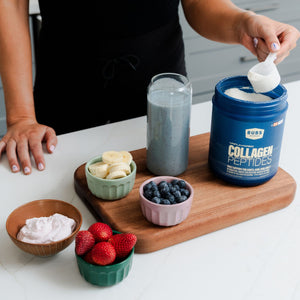
Integrating collagen into your routine doesn't have to be complicated. Because high-quality peptides are flavorless and dissolve easily in both hot and cold liquids, you can add them to almost anything.
-
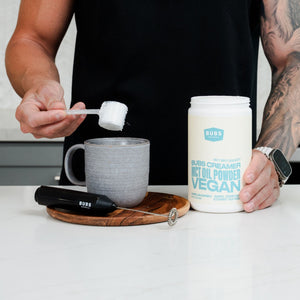
The Morning Routine: Many people find that taking collagen on an empty stomach in the morning provides the best results for gut health. You can stir a scoop into your morning coffee or tea. If you want an extra boost for mental clarity and energy, mixing it with an MCT Oil Creamer can provide sustained fuel for your day.
-
Post-Workout Shakes: After a hard training session, your body is in a state of repair. Adding collagen to your protein shake provides the specific amino acids needed for both muscle recovery and gut integrity.
-
Evening Support: Drinking a warm mug of bone broth or a tea infused with collagen before bed may help soothe the digestive tract overnight.
Consistency is key. The structural changes in the gut lining don't happen after one serving. Most people report noticing a difference in their digestion and "stomach peace" after 30 to 60 days of daily use.
The Broader Picture: Lifestyle and Digestion
While collagen is a powerful tool, it works best when supported by other healthy habits. If you are struggling with stomach inflammation, consider the following:
-
Hydration: Water is essential for the mucosal lining to function correctly. We recommend staying on top of your mineral balance with something like our Hydrate or Die electrolytes to ensure your cells are actually absorbing the water you drink.
-
Whole Foods: Focus on an anti-inflammatory diet rich in vegetables, healthy fats, and lean proteins. Avoid processed sugars and seed oils that can irritate the gut lining.
-
Stress Management: The gut-brain axis is real. High stress can lead to increased gut permeability, often referred to as "stress-induced leaky gut."
By combining high-quality supplementation with these foundational habits, you give your body the best environment to heal and thrive.
Collagen and Its Role in a Purposeful Life
The reason we care so much about things like gut health and structural integrity isn't just about feeling better in the moment. It’s about being able to live a life of adventure and purpose. When your body is working for you, rather than against you, you are free to focus on the things that matter—your family, your training, and your mission.
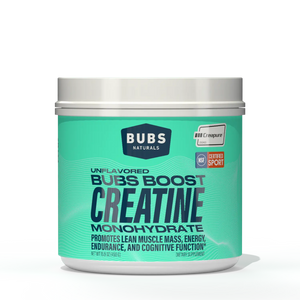
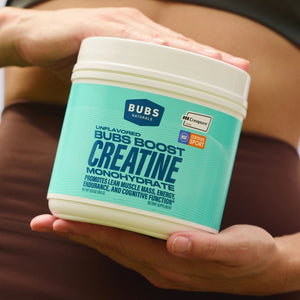
Our products are designed for people who demand more from themselves and their supplements. We use only the cleanest ingredients, with no fillers or "BS," because we know that real performance starts with real nutrition. Whether you are using our Creatine Monohydrate to push your limits in the gym, you are using products built on a legacy of excellence and purpose.
Everything we do is inspired by the life of Glen "BUB" Doherty, a Navy SEAL who lived for adventure and service. In his honor, we donate 10% of all our profits to veteran-focused charities. When you choose to support your own wellness, you are also helping us support those who have served.
Bottom line: Collagen is a highly effective, science-backed supplement that supports the structural integrity of the stomach lining, potentially reducing inflammation and helping to manage the symptoms of leaky gut when used consistently.
Conclusion
Stomach inflammation can be a significant hurdle, but it doesn't have to be a permanent one. By understanding the structural needs of your digestive tract and providing it with the necessary building blocks, you can support a healthier, more resilient gut. Collagen is more than just a trend for skin health; it is a foundational protein that helps maintain the very barrier that keeps you healthy and energized.
Remember to look for clean, hydrolyzed peptides that fit into your lifestyle. Focus on consistency, listen to your body, and pair your supplementation with a lifestyle that prioritizes recovery and real food.
-
Prioritize Quality: Use hydrolyzed, grass-fed collagen for maximum absorption.
-
Be Consistent: Aim for daily use to see long-term structural benefits.
-
Support the Mission: Feel good knowing that your health journey also supports our giving back mission.
If you are ready to take the next step in your wellness routine, join the Collagen Club and feel the difference that clean, purposeful nutrition can make.
FAQ
Does collagen help with acid reflux or GERD?
While collagen is not a medical treatment for GERD, many people find it helpful because it supports the strength of the mucosal lining in the stomach and esophagus. By reinforcing these tissues and helping to balance stomach acid production, it may reduce the irritation associated with acid reflux.
How long does it take for collagen to help my stomach?
Every body is different, but most people begin to notice improvements in digestive comfort and bloating within 2 to 4 weeks of daily use. For deeper structural support of the gut lining, it is generally recommended to stay consistent for at least 60 to 90 days.
Is bovine or marine collagen better for stomach inflammation?
Both are excellent choices, but bovine collagen is often preferred for gut health because it typically contains a robust blend of Type I and Type III collagen, both of which are found in the digestive tract. Marine collagen is also highly effective due to its high bioavailability and Type I content.
Can I take collagen if I have a sensitive stomach?
Yes, and many people with sensitive stomachs actually find relief through collagen. Because hydrolyzed collagen is broken down into small peptides, it is generally very easy to digest and rarely causes the bloating or gas sometimes associated with other protein powders like whey.