



Table of Contents
- Introduction
- What is Collagen?
- How Collagen Affects Hair Health
- Incorporating Collagen into Your Routine
- Debunking Myths About Collagen and Hair
- Conclusion
- FAQs
Introduction
Have you ever noticed how some people seem to have hair that shines like it’s straight out of a shampoo commercial? While genetics play a significant role in our hair's appearance and health, many people are turning to supplements to enhance their locks. Among these, collagen has emerged as a popular choice. But is collagen good for hair? This post aims to answer that question by exploring the science behind collagen, its potential benefits for hair, and how it fits into our overall wellness journey.
Collagen is the most abundant protein in our bodies, playing a crucial role in maintaining the structure and strength of our skin, joints, and hair. As we age, our natural collagen production declines, which can lead to various signs of aging, including thinning hair and loss of elasticity in our skin. Understanding the connection between collagen and hair health is essential for anyone looking to maintain or improve their hair quality.
In this blog post, we will delve into the various aspects of collagen, including its structure, sources, potential benefits for hair health, and how to incorporate it into your daily routine. We will also address some common myths surrounding collagen supplementation and clarify what the current research says. By the end of this article, you’ll have a comprehensive understanding of whether collagen is indeed good for your hair and how it can be a part of a holistic approach to wellness.
What is Collagen?
Collagen is a structural protein that makes up about 30% of the protein content in our bodies. It is found in various tissues, including skin, bones, tendons, and cartilage. This protein provides strength and elasticity to these tissues, making it essential for our overall health.
There are several types of collagen, but the most prevalent in the human body are Type I, Type II, and Type III. Type I collagen is predominantly found in skin, tendons, and bones, while Type II is primarily found in cartilage, and Type III is often present in skin and blood vessels. Each type serves different functions, but they all contribute to the structural integrity of our bodies.
As we age, our bodies produce less collagen, resulting in decreased skin elasticity, joint pain, and potentially thinning hair. This reduction in collagen production can be exacerbated by factors such as poor diet, sun exposure, and lifestyle choices like smoking and excessive alcohol consumption.
How Collagen Affects Hair Health
1. Provides Amino Acids for Hair Growth
Hair is primarily composed of a protein called keratin. The amino acids that make up collagen—specifically glycine, proline, and hydroxyproline—are vital for the synthesis of keratin. By consuming collagen, we provide our bodies with the building blocks necessary to produce keratin, which may help in promoting hair growth and strength.
When we take collagen supplements, our bodies break them down into these amino acids, which can then be utilized to create new proteins, including keratin. Therefore, ensuring adequate collagen intake could theoretically support healthier hair.
2. Supports Scalp Health
Healthy hair growth begins at the scalp. Collagen is an essential component of the dermis, the skin layer that houses hair follicles. By maintaining the elasticity and hydration of the dermis, collagen can help create an optimal environment for hair growth. A healthy scalp is less prone to issues such as dryness and inflammation, which can hinder hair health.
3. Acts as an Antioxidant
Collagen possesses antioxidant properties that help combat oxidative stress caused by free radicals. Free radicals are unstable molecules that can damage cells, including those in hair follicles. By fighting oxidative stress, collagen may help protect hair follicles from damage, potentially slowing down hair thinning and loss.
4. May Prevent Hair Thinning Associated with Aging
With age, collagen production decreases, and the dermis becomes less resilient. This decline can lead to hair thinning and loss. By supplementing with collagen, we may help maintain the structural integrity of the skin and hair follicles, potentially counteracting some age-related hair thinning.
5. Can Help Slow Graying
While genetics primarily dictate when our hair turns gray, oxidative stress can also contribute to premature graying. Since collagen has antioxidant effects, it may help protect against the cellular damage that leads to graying hair. Although research in this area is still emerging, the potential for collagen to help slow down this process is an exciting prospect for those concerned about aging hair.
Incorporating Collagen into Your Routine
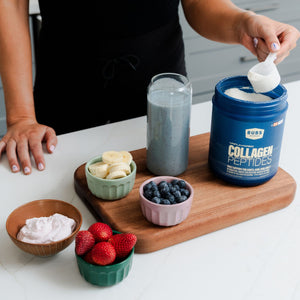
If you’re considering adding collagen to your wellness routine, there are several ways to do so. At BUBS Naturals, we offer a premium Collagen Peptides product that is grass-fed and pasture-raised. It’s hydrolyzed for easy absorption, making it a simple addition to your daily regimen.
1. Collagen Supplements
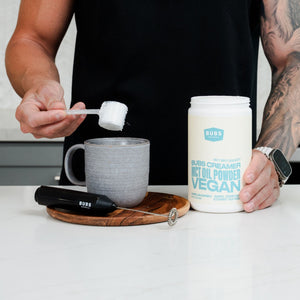
Collagen supplements come in various forms, including powders, capsules, and gummies. Powders are particularly versatile, as they can be easily mixed into beverages like smoothies, coffee, or even baked goods. Our Collagen Peptides are flavorless and odorless, making them an effortless addition to your favorite drinks.
2. Bone Broth
Bone broth is a natural source of collagen, made by simmering animal bones and connective tissues. It’s rich in amino acids and can be enjoyed as a warm beverage or used as a base for soups and stews.
3. Foods Rich in Collagen
Incorporating foods high in collagen into your diet can also support your body's natural collagen production. Some collagen-rich foods include:
- Chicken skin
- Fish (especially the skin)
- Beef (particularly cuts with connective tissue)
- Egg whites
4. Nutrients That Support Collagen Production
To boost your body's ability to produce collagen, consider consuming foods rich in vitamin C, zinc, and copper. Citrus fruits, leafy greens, nuts, seeds, and legumes are excellent sources of these nutrients.
Debunking Myths About Collagen and Hair
As the popularity of collagen supplements continues to rise, so do the myths surrounding them. Let’s address some common misconceptions:
Myth 1: Collagen Supplements Directly Translate to Hair Growth
While collagen provides the amino acids necessary for keratin production, it's essential to understand that simply taking collagen supplements will not guarantee hair growth. Hair health is influenced by various factors, including genetics, overall nutrition, and lifestyle choices.
Myth 2: All Collagen Supplements Are the Same
Not all collagen supplements are created equal. The source of collagen, whether bovine, marine, or chicken, can impact its effectiveness. Marine collagen, for example, is often touted for its superior absorption rates. When choosing a collagen supplement, it’s crucial to select one that meets your specific health needs and preferences.
Myth 3: Collagen Can Replace a Healthy Diet
While collagen supplements can be a beneficial addition to your diet, they should not be viewed as a substitute for a balanced, nutrient-rich diet. Consuming a variety of fruits, vegetables, lean proteins, and healthy fats is essential for overall health and well-being, including hair health.
Conclusion
So, is collagen good for hair? The answer is nuanced. While collagen is a vital protein that provides structural support for our bodies, including our hair, the direct effects of collagen supplementation on hair growth are still being studied.
We can confidently say that collagen plays a role in maintaining healthy hair by supplying necessary amino acids for keratin production and supporting scalp health. Additionally, its antioxidant properties may help protect hair follicles from damage associated with aging and environmental stressors.
At BUBS Naturals, we believe in harnessing the power of clean, high-quality ingredients to support active lifestyles. Our commitment to integrity means that you can trust our Collagen Peptides as part of your wellness journey.
As you explore the potential benefits of collagen, remember that a holistic approach to health—encompassing a balanced diet, proper hydration, and a healthy lifestyle—is key to achieving your hair goals. Together, we can embrace the journey to optimal wellness, one scoop at a time.
FAQs
1. Can collagen supplements help with hair loss?
While collagen provides the amino acids necessary for hair growth, scientific evidence specifically linking collagen supplementation to reduced hair loss is limited. A balanced diet and overall health play significant roles in hair health.
2. How long does it take to see results from collagen supplements?
Results can vary depending on individual factors and the specific supplement used. Some people may notice improvements in hair health within a few weeks to months of consistent use.
3. Are there any side effects associated with collagen supplements?
Collagen supplements are generally considered safe for most people. However, some individuals may experience mild digestive discomfort. It’s always best to consult with a healthcare professional before starting any new supplement.
4. What are the best sources of collagen?
Collagen can be found in various forms, including bone broth, collagen-rich foods (such as chicken skin and fish), and supplements. At BUBS Naturals, we offer high-quality Collagen Peptides for easy incorporation into your routine.
5. Can I take collagen with other supplements?
Yes, collagen can generally be taken alongside other supplements. However, it’s advisable to consult with a healthcare provider to ensure compatibility with any existing medications or supplements.
By understanding the role of collagen in our health and hair, we can make informed choices that enhance our overall well-being. So, let’s embark on this wellness journey together, supporting our bodies and hair with the best ingredients nature has to offer!
Written by:
Collagen Peptides
Fuel stronger workouts and faster recovery with collagen peptides that support joints, muscles, skin, and overall performance.


