Table of Contents
- Introduction
- What Exactly Is Collagen?
- The Anatomy of Your Gut Lining
- How Collagen Supports the Gut Barrier
- The "Big Three" Amino Acids for Gut Health
- 7 Benefits of Collagen for Digestion
- Collagen and the Athlete’s Gut
- Comparing Sources of Collagen
- How to Use Collagen for Gut Support
- Lifestyle Factors That Affect Gut Health
- Quality and Safety Matters
- The Connection Between Gut and Mental Clarity
- Realistic Expectations
- Purpose Behind the Product
- Summary of the Gut-Collagen Connection
- Conclusion
- FAQ
Introduction
Most people recognize collagen as the protein responsible for smooth skin and strong nails. If you have spent any time in the wellness world, you have likely seen it praised for its anti-aging benefits. However, a growing body of research and athlete experience suggests that the real power of this protein might start much deeper than the surface. Many people are now asking: is collagen good for gut health?
The short answer is yes, but the reasons why are rooted in biology and the specific way our bodies use amino acids to repair tissue. At BUBS Naturals, we focus on providing clean, effective supplements that support total-body wellness, and our Collagen Peptides are a core part of that mission. This guide will explore how collagen interacts with your digestive tract, the specific amino acids involved, and how you can use it to support a more resilient gut.
Collagen acts as a vital structural protein that provides the physical "scaffolding" for the lining of your digestive tract, helping to maintain its strength and integrity.
Quick Answer: Collagen helps support gut health by providing the specific amino acids—glycine, proline, and glutamine—needed to repair and strengthen the intestinal lining. This may help reduce occasional bloating, support better nutrient absorption, and manage symptoms associated with increased intestinal permeability, often called "leaky gut."
What Exactly Is Collagen?
To understand why collagen matters for your gut, you first have to understand what it is. Collagen is the most abundant protein in the human body. Think of it as the "glue" that holds everything together. It makes up a significant portion of your skin, bones, muscles, tendons, and ligaments.
Collagen is a fibrous protein. Unlike the protein you get from a steak or a piece of chicken, collagen is uniquely rich in specific amino acids that are not found in high concentrations in other food sources. These include glycine, proline, and hydroxyproline.
As we age, our bodies naturally produce less collagen. This decline usually starts in our 20s and continues throughout our lives. While you see the results of this decline in wrinkles or joint stiffness, the same process is happening internally within the tissues that line your organs and digestive system.
Hydrolyzed Collagen vs. Regular Protein
You may see the term "hydrolyzed" on supplement labels. This is a crucial distinction. Hydrolyzed collagen, also known as collagen peptides, is collagen that has been broken down into smaller, shorter chains of amino acids.
When collagen is hydrolyzed, it becomes much easier for your body to absorb. Regular collagen (like the kind found in a tough piece of meat) is difficult for the digestive system to process efficiently. Peptides are "bioavailable," meaning they can pass through the digestive wall and get to work in your bloodstream and tissues much faster.
The Anatomy of Your Gut Lining
Your gut is more than just a tube that processes food. The lining of your intestines is a complex, incredibly thin barrier. In fact, the intestinal wall is only one cell layer thick. This layer acts as a gatekeeper. It is designed to let water and essential nutrients into your bloodstream while keeping out toxins, undigested food particles, and harmful bacteria.
This barrier is held together by something called "tight junctions." When these junctions are healthy and strong, your digestive system functions correctly. However, when these junctions become loose or damaged, it leads to a condition often referred to as "leaky gut," or increased intestinal permeability.
When your gut is "leaky," substances that should stay inside the digestive tract escape into the bloodstream. This can trigger an immune response, leading to systemic inflammation, fatigue, skin issues, and chronic digestive discomfort.
How Collagen Supports the Gut Barrier
Collagen is a primary component of the connective tissue that makes up the intestinal lining. By consuming supplemental collagen, you are providing your body with the exact raw materials it needs to maintain and repair this delicate barrier.
1. Strengthening the Intestinal Wall
The amino acids in collagen help "seal" the gaps in the intestinal lining. Proline and glycine, in particular, are essential for the structural stability of the cells that make up the gut wall. By reinforcing these tissues, collagen may help prevent the escape of toxins into the bloodstream, effectively supporting the "gatekeeper" function of the gut.
2. Soothing the Digestive Tract
Collagen has a soothing effect on the digestive system. Because it is a hydrophilic molecule (it is attracted to water), it helps move food through the GI tract more smoothly, especially when you stay on top of hydration with Hydrate or Die. This can help with occasional constipation or the feeling of "sluggish" digestion that many active people experience when their diet or routine changes.
3. Regulating Stomach Acid
Interestingly, collagen may also help regulate the secretion of gastric acid. Proper acid levels are necessary for breaking down food and killing harmful bacteria. However, too much acid leads to heartburn and ulcers. Glycine has been shown to inhibit the over-secretion of gastric acid, potentially protecting the stomach lining from irritation.
Key Takeaway: Collagen serves as the physical building blocks for the gut's epithelial cells. By providing the amino acids necessary for tissue repair, it helps maintain the "tight junctions" that prevent unwanted particles from entering the bloodstream.
The "Big Three" Amino Acids for Gut Health
While collagen contains many amino acids, three do the heavy lifting when it comes to your digestive system.
Glycine
Glycine is the simplest amino acid, but it is a powerhouse for the gut. It has significant anti-inflammatory properties. Research suggests that glycine can help protect the intestinal mucosa (the mucous membrane lining) from damage caused by toxins or stress. It also aids in the production of bile, which is necessary for digesting fats.
Proline
Proline is essential for wound healing and tissue repair. In the context of the gut, proline helps regenerate the cells of the intestinal lining. It also helps the body break down other proteins, making your overall digestion more efficient.
Glutamine
Glutamine is perhaps the most well-known amino acid for gut health. It is the preferred fuel source for the cells that line the small intestine. It is frequently used in clinical settings to support patients with severe digestive distress because of its ability to prevent cell death in the gut lining and reduce inflammation.
7 Benefits of Collagen for Digestion
When you look at the total impact of collagen on the gut, several key benefits emerge for someone living an active lifestyle.
1. Mitigating Leaky Gut
By supporting the structural integrity of the intestinal wall, collagen helps manage the permeability of the gut. This is the foundation of long-term digestive health.
2. Reducing Inflammation
The amino acids in collagen, particularly glycine, help dampen the inflammatory response in the digestive tract. This is especially helpful for people who deal with occasional bloating or sensitivity to certain foods.
3. Improving Water Absorption
Collagen naturally binds to water. In the intestines, this helps keep things moving. Better water retention in the gut can lead to more regular bowel movements and less discomfort.
4. Supporting the Microbiome
The gut microbiome is the collection of trillions of bacteria living in your digestive system. Recent studies suggest that collagen peptides may act as a prebiotic, providing "fuel" for beneficial bacteria to thrive. A balanced microbiome is essential for everything from mood to immune function.
5. Enhancing Immune Function
Did you know that roughly 70% of your immune system is located in your gut? Because collagen helps maintain the barrier that keeps pathogens out of your bloodstream, it plays a vital role in your body's overall defense system.
6. Aid in Breaking Down Tough Proteins
The unique structure of collagen helps your body secrete the enzymes necessary to break down other complex proteins. This means that the protein you eat for muscle recovery is processed more effectively when your gut is supported by collagen.
7. Protecting the Stomach Lining
Collagen may help protect against stress-induced stomach issues. By reinforcing the protective mucous layer of the stomach, it can help prevent irritation from high-acid foods or lifestyle stress.
Collagen and the Athlete’s Gut
For athletes and high-performers, gut health is a performance metric. If your gut is not functioning correctly, you cannot absorb the nutrients required for recovery. Furthermore, intense exercise can actually cause temporary "leaky gut" by diverting blood flow away from the digestive system and toward the muscles.
This is why many athletes prioritize collagen. It isn't just about the joints; it's about ensuring the "engine" (the gut) is strong enough to handle the stress of training. If muscle recovery is your priority too, our guide on Unlock Faster Muscle Recovery with BUBS Naturals Collagen Peptides is a helpful next step. Our Collagen Peptides are designed with this in mind. We ensure they are grass-fed and pasture-raised, providing a clean source of Types I and III collagen that mixes effortlessly into any drink. This makes it easy to support your gut during your morning routine or post-workout recovery.
Myth: Collagen is just a "beauty supplement" and doesn't affect internal organs.
Fact: Collagen is a primary structural protein for the entire body, including the liver, heart, and the entire gastrointestinal tract. Its benefits for the gut are backed by its role in tissue repair and amino acid profile.
Comparing Sources of Collagen
If you want to increase your collagen intake for gut health, you have a few primary options. Each has its pros and cons.
| Source |
Pros |
Cons |
| Bone Broth |
Natural source; contains minerals like magnesium. |
Time-consuming to make; collagen levels vary by batch. |
| Collagen Supplements |
Highly bioavailable (hydrolyzed); consistent dosage; easy to use. |
Must ensure quality sourcing and third-party testing. |
| Whole Foods (Fish/Meat) |
Part of a balanced diet. |
Low concentrations of collagen; harder for the body to absorb. |
| Gelatin |
Good for thickening recipes; gut-soothing. |
Only dissolves in hot liquid; can cause bloating in some people. |
For most people, a high-quality supplement is the most practical way to ensure a consistent, therapeutic dose of collagen peptides.
How to Use Collagen for Gut Support
If you are starting a collagen routine specifically for digestive health, consistency is the most important factor. You cannot repair a damaged gut lining overnight. It takes time for the body to use those amino acids to rebuild tissue.
Find Your Dosage
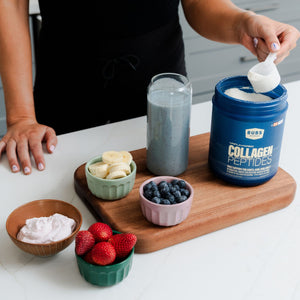
Most research suggests that a daily dose of 10 to 20 grams of collagen is effective for supporting connective tissue and gut health. One scoop of our Collagen Peptides typically provides about 10 grams of protein, making it easy to hit your target.
Mix It Right
Because hydrolyzed collagen is flavorless and dissolves easily, you can add it to almost anything. Many people prefer adding it to their morning coffee or a post-workout shake. If you have a sensitive stomach, try mixing it into a warm liquid like tea or soup, which can be extra soothing for the digestive tract.
Support with Vitamin C
The body requires Vitamin C to synthesize collagen. While the collagen you eat is broken down into amino acids, your body needs Vitamin C to "rebuild" those amino acids into new collagen fibers in your gut. Pairing your supplement with a Vitamin C source—like citrus fruits or our Vitamin C supplement—can maximize the benefits.
Lifestyle Factors That Affect Gut Health
While collagen is a powerful tool, it works best as part of a holistic approach. Several lifestyle factors can undermine your gut health, making it harder for collagen to do its job:
-
Excessive Sugar: High sugar intake can feed "bad" bacteria in the gut, leading to dysbiosis (imbalance) and inflammation.
-
Chronic Stress: Stress triggers the release of cortisol, which can weaken the tight junctions in your intestinal lining.
-
Processed Oils: Refined vegetable oils can be highly inflammatory to the gut mucosa.
-
Alcohol: Alcohol is a known irritant to the stomach and intestinal lining, often increasing permeability.
By combining a clean diet with consistent collagen supplementation, you give your body the best environment for healing and maintenance.
Quality and Safety Matters
Not all collagen is created equal. Because the supplement industry is often loosely regulated, it is essential to choose a brand that prioritizes transparency.
At BUBS Naturals, we believe in the "no BS" approach. Our products are third-party tested and NSF for Sport certified. This is a rigorous certification that ensures what is on the label is exactly what is in the tub, with no contaminants or banned substances. This level of trust is critical for athletes, veterans, and anyone who takes their health seriously.
When you choose a supplement, look for "grass-fed" and "pasture-raised" labels. This ensures the animals were raised without unnecessary hormones or antibiotics, providing a cleaner end product for your gut.
The Connection Between Gut and Mental Clarity
There is a powerful link between the gut and the brain, often called the "gut-brain axis." When your gut is inflamed or the barrier is compromised, it can lead to "brain fog," fatigue, and difficulty concentrating.
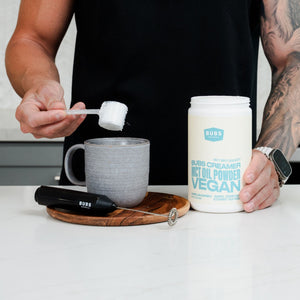
Supporting your gut with collagen may indirectly support your mental performance. When the gut is healthy, inflammation levels drop, and the body can produce neurotransmitters like serotonin (95% of which is made in the gut) more effectively. If you are looking for an extra boost in clarity, many people find success combining collagen with MCT Oil Creamer. Our MCT Oil Creamer provides clean, coconut-sourced energy that pairs perfectly with a gut-focused routine.
Realistic Expectations
It is important to remember that collagen is a food-based supplement, not a pharmaceutical fix. Everyone’s body reacts differently. Some people notice a reduction in bloating within a week, while for others, it may take a month of consistent use to feel a change in their digestion.
Listen to your body. If you have a pre-existing medical condition like kidney disease, it is always wise to consult with a healthcare professional before significantly increasing your protein intake. For the average active adult, however, collagen is a safe, natural, and effective way to support one of the most important systems in the body.
Purpose Behind the Product
Everything we do is driven by a sense of purpose. We didn't just start a supplement company; we built a brand to honor the legacy of Glen "BUB" Doherty. Glen was a Navy SEAL, a dedicated athlete, and a person who lived life with an adventurous spirit. He believed in pushing limits and taking care of the people around him.
We carry that legacy forward by ensuring every product we make is of the highest quality. We don't use fillers, and we don't take shortcuts. We also believe in giving back, which is why we donate 10% of all our profits to veteran-focused charities. When you support your gut health with our products, you are also supporting a larger mission of service and honor.
Summary of the Gut-Collagen Connection
Collagen is more than just a trend for better skin. It is a foundational protein that provides the structural integrity necessary for a healthy digestive system. By providing essential amino acids like glycine, proline, and glutamine, collagen helps:
- Repair and maintain the intestinal lining.
- Reduce systemic and localized inflammation.
- Support a balanced microbiome and immune system.
- Aid in the smooth movement of food through the GI tract.
"A healthy gut is the foundation of a healthy life. If you can't absorb your nutrients, you can't fuel your adventures."
Conclusion
Taking care of your gut is one of the best investments you can make in your long-term wellness. Whether you are an athlete looking to improve recovery, a veteran maintaining your edge, or simply someone tired of feeling bloated and sluggish, collagen offers a science-backed way to support your digestive health.
By choosing a clean, high-quality supplement like the ones we offer at BUBS Naturals, you are giving your body the "no BS" ingredients it needs to perform at its best. Remember that wellness is a journey of small, consistent actions. Adding a scoop of collagen to your morning routine is a simple step that pays dividends in how you feel, move, and live.
In honor of Glen "BUB" Doherty, we remain committed to helping you live a life of adventure and purpose. Our 10% Rule ensures that with every purchase, you are contributing to the well-being of those who have served.
Ready to support your gut health? Start with a clean foundation and feel the difference that high-quality, hydrolyzed collagen can make in your daily routine.
FAQ
Does collagen help with bloating?
Many people find that collagen helps reduce occasional bloating by strengthening the gut lining and improving the overall efficiency of digestion. Because it helps the body break down proteins and move food through the GI tract more smoothly, it can prevent the sluggish digestion that often leads to gas and discomfort.
How long does it take for collagen to help your gut?
While some users report feeling better within a week, it typically takes 4 to 8 weeks of consistent, daily use to see significant improvements in gut health. This timeline allows the body enough time to use the provided amino acids to repair and reinforce the intestinal tissues.
What is the best type of collagen for gut health?
Types I and III are generally considered the best for gut health as they are the primary types found in the connective tissues of the intestinal wall. Hydrolyzed collagen peptides are preferred over raw collagen or gelatin because they are more bioavailable and easier for a sensitive gut to absorb.
Can collagen cause stomach upset?
Most people tolerate collagen peptides very well, but occasionally, people may experience mild bloating or a feeling of heaviness if they take too much at once. If you have a sensitive stomach, we recommend starting with a half scoop and gradually increasing to a full serving to allow your digestive system to adjust.