Table of Contents
- Introduction
- Understanding Cholesterol Basics
- What Is Collagen and How Does It Work?
- Is Collagen Good for Cholesterol? The Science
- Collagen and Arterial Stiffness
- Dietary Sources vs. Supplements
- How to Use Collagen for Heart Health
- Potential Side Effects and Considerations
- Comparing Collagen to Other Supplements
- The BUBS Naturals Difference
- Moving Toward a Heart-Healthy Future
- FAQ
Introduction
If you are focused on longevity and performance, you likely track more than just your PRs in the gym. You probably pay attention to what is happening on the inside, specifically your heart health and cholesterol levels. As we age, maintaining a healthy balance between "good" and "bad" cholesterol becomes a priority for staying active and avoiding long-term health issues.
Collagen has gained massive popularity for its ability to support skin, hair, and joints. However, many people are now asking if this structural protein has any impact on their cardiovascular system. Specifically, is collagen good for cholesterol? At BUBS Naturals, we believe in looking at the full spectrum of wellness to help you make informed decisions about your supplement routine.
This guide will break down the science of how the body produces collagen and cholesterol. We will explore how collagen affects your arteries, what the current research says about its impact on lipid levels, and how to choose the right supplement for a heart-healthy lifestyle. Our goal is to provide you with the facts so you can keep moving toward your goals with confidence.
Quick Answer: Research suggests that collagen supplementation may support heart health by increasing HDL ("good") cholesterol levels and improving the ratio of LDL to HDL. Additionally, collagen provides structure to arteries, which may help reduce arterial stiffness and support overall cardiovascular function.
Understanding Cholesterol Basics
To understand if collagen is good for cholesterol, we first need a clear picture of what cholesterol actually is. Cholesterol is a waxy, fat-like substance found in all the cells of your body. Your body needs it to make hormones, Vitamin D, and substances that help you digest foods.
Cholesterol travels through your bloodstream in small packages called lipoproteins. These are made of fat (lipids) on the inside and proteins on the outside. There are two main types that people focus on:
-
Low-Density Lipoprotein (LDL): Often called "bad" cholesterol. High levels of LDL lead to a buildup of plaque in your arteries, which can narrow them and reduce blood flow.
-
High-Density Lipoprotein (HDL): Known as "good" cholesterol. This type carries cholesterol from other parts of your body back to your liver. Your liver then removes the cholesterol from your body.
When doctors talk about "high cholesterol," they are usually concerned about high LDL levels or a poor ratio between LDL and HDL. Maintaining a high level of HDL is generally seen as protective for the heart. This is where collagen enters the conversation.
What Is Collagen and How Does It Work?
Collagen is the most abundant protein in the human body. Think of it as the "glue" that holds everything together. It provides structure to your skin, bones, tendons, ligaments, and—importantly—your blood vessels.
Your body naturally produces collagen using amino acids from the protein you eat. The most important amino acids for this process are glycine, proline, and hydroxyproline. However, as you age, your natural production of collagen begins to drop. This decline usually starts in your late 20s or early 30s.
When collagen production slows down, the structural integrity of various tissues can weaken. You might notice this as wrinkles in your skin or clicking in your joints. Internally, the decline in collagen can also affect the elasticity of your arteries.
Types of Collagen
While there are at least 28 different types of collagen, most supplements focus on three:
-
Type I: Found in skin, tendons, and bone. It is the most common type in the body.
-
Type II: Found mostly in cartilage, making it essential for joint health.
-
Type III: Found in muscles, organs, and the walls of your arteries.
Because Type III collagen is a major component of your blood vessel walls, it plays a direct role in your cardiovascular health.
Is Collagen Good for Cholesterol? The Science
The link between collagen and cholesterol is a relatively new area of study, but the initial results are promising. Several clinical trials have looked at how daily collagen intake affects blood lipids (fats).
The HDL Boost
One of the most cited studies regarding collagen and cholesterol was published in the Journal of Atherosclerosis and Thrombosis. In this study, 30 healthy adults took 16 grams of collagen daily for six months. The researchers found that the participants experienced a significant increase in their HDL (good) cholesterol levels—an average increase of about 6%.
Because HDL helps clear LDL from the arteries, raising your HDL is one of the most effective ways to improve your overall cholesterol profile. This suggests that collagen may support the body’s natural "cleanup" process for excess cholesterol.
Improving the LDL/HDL Ratio
Beyond just raising "good" cholesterol, research has indicated that collagen may help improve the overall ratio between LDL and HDL. A high ratio (more LDL relative to HDL) is a known risk factor for heart disease. By supporting higher HDL levels, collagen can help bring this ratio into a healthier range.
Key Takeaway: Collagen appears to support heart health by modestly increasing HDL cholesterol and improving the balance of lipids in the blood. This effect likely stems from collagen's role in supporting the structural proteins that govern how fats are processed and transported in the vasculature.
Collagen and Arterial Stiffness
While the impact on cholesterol numbers is important, collagen’s most significant contribution to heart health might be its effect on the arteries themselves. Your arteries are the "pipes" that carry oxygen-rich blood from your heart to the rest of your body.
For your heart to function efficiently, these arteries need to be flexible and elastic. This elasticity allows them to expand and contract with every heartbeat. Collagen provides the structural framework that gives arteries this flexibility.
Preventing Atherosclerosis
Atherosclerosis is a condition where the arteries become stiff and narrowed due to the buildup of plaque. When your body lacks sufficient collagen, the artery walls can become brittle and less resilient. This makes it easier for plaque to latch onto the walls, leading to the narrowing of the vessels.
In the same six-month study mentioned earlier, researchers measured the participants' arterial stiffness. They found that taking collagen supplements significantly reduced the stiffness of the arteries. By keeping the "pipes" flexible, collagen may help maintain healthy blood flow and reduce the strain on the heart.
The Role of Glycine
Collagen is exceptionally high in the amino acid glycine. Glycine has been studied for its ability to support the production of nitric oxide. Nitric oxide is a molecule that helps the muscles in your blood vessels relax, which improves circulation and can help maintain healthy blood pressure levels. By providing a rich source of glycine, collagen supplements may offer a secondary benefit for cardiovascular function.
Myth: Taking collagen will directly clog your arteries because it is an animal-based protein.
Fact: Pure collagen peptides are processed to remove fats and carbohydrates. They are a clean source of protein that has been shown to reduce arterial stiffness, not increase it.
Dietary Sources vs. Supplements
You can find collagen in various foods, but not all sources are created equal when it comes to cholesterol management. This is a common point of confusion for those trying to eat a heart-healthy diet.
Collagen-Rich Foods
Foods like bone broth, chicken skin, and fatty cuts of meat are high in collagen. However, these foods are often also high in saturated fats and dietary cholesterol. If you are already struggling with high LDL levels, relying solely on these food sources might be counterproductive.
For example, eating large amounts of pork rinds or fatty brisket to get your collagen will also significantly increase your intake of fats that can raise LDL levels.
Hydrolyzed Collagen Peptides
Hydrolyzed collagen supplements, like our Collagen Peptides, are a different story. The "hydrolyzed" part means the collagen has been broken down into smaller chains called peptides. This process does two important things:
-
Bioavailability: It makes the collagen much easier for your body to absorb and use.
-
Purity: It removes the fats, sugars, and extra calories found in whole-food sources.
Our Collagen Peptides are a single-ingredient product. They are free from the fats and cholesterol that you would find in a bowl of fatty bone broth. This makes them a much cleaner option for anyone specifically looking to support their heart health without adding unnecessary lipids to their diet.
How to Use Collagen for Heart Health
If you want to support your cholesterol and arterial health, consistency is the most important factor. Research shows that the benefits for skin, joints, and heart health usually appear after 8 to 24 weeks of daily use.
Recommended Dosage
Most studies that showed a positive impact on cholesterol and arterial stiffness used a dose between 10 and 16 grams per day. This is roughly one to one-and-a-half scoops of a standard collagen powder.
Timing and Integration
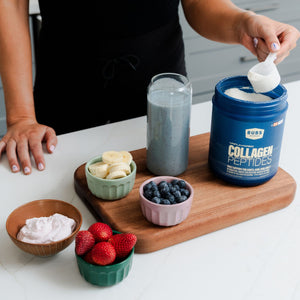
You do not need to take collagen at a specific time of day to see heart-health benefits. What matters is that you take it every day. Because our collagen is unflavored and mixes easily, it fits naturally into a variety of routines:
-
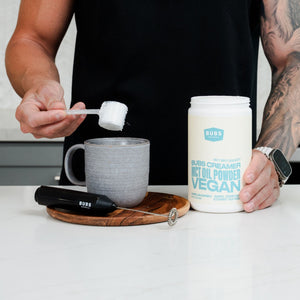
Morning Coffee: Stir a scoop into your first cup of the day.
-
Post-Workout Shake: Add it to your protein shake to support recovery and your cardiovascular system.
-
Oatmeal or Yogurt: Mix it into your breakfast for an easy protein boost.
Synergistic Habits
Collagen is a powerful tool, but it works best as part of a broader lifestyle. To maximize the heart-health benefits, consider these habits:
-
Vitamin C: Your body requires Vitamin C to actually synthesize collagen. Make sure you are eating citrus fruits, bell peppers, or taking a supplement.
-
Aerobic Exercise: Regular cardio helps maintain the flexibility of your arteries and works alongside collagen to improve your HDL levels.
-
Healthy Fats: Combine your collagen intake with a diet rich in Omega-3 fatty acids (found in fish and seeds) to further support a healthy cholesterol profile.
Potential Side Effects and Considerations
Collagen is generally considered safe for most people, but there are a few things to keep in mind if you are focused on heart health and cholesterol.
Digestive Health
Some people may experience mild bloating or a feeling of fullness when they first start taking collagen. Starting with a half-scoop and gradually increasing to a full serving can help your digestive system adjust.
Allergies
Most collagen is sourced from bovine (cow), marine (fish), or poultry (chicken) sources. If you have an allergy to any of these, you must choose your supplement carefully. We use grass-fed, pasture-raised bovine collagen, which is well-tolerated by the majority of people.
Kidney Considerations
If you have a history of kidney disease or kidney stones, you should consult your healthcare provider before significantly increasing your protein intake, including collagen. While collagen is a clean protein, individuals with specific medical conditions need to manage their total protein levels closely.
Bottom line: Collagen is a safe, effective supplement for most adults, providing structural support for the heart and potentially improving cholesterol markers when used consistently over several months.
Comparing Collagen to Other Supplements
When it comes to cholesterol, you might be wondering how collagen stacks up against other popular supplements like whey protein or MCT oil.
| Supplement |
Primary Benefit |
Effect on Cholesterol |
| Collagen Peptides |
Structural support (Skin, Joints, Arteries) |
May increase HDL and reduce arterial stiffness. |
| Whey Protein |
Muscle building and repair |
Some evidence suggests it may modestly lower triglycerides. |
| MCT Oil Powder |
Brain fuel and sustained energy |
Provides healthy fats for energy; typically neutral or positive for lipid profiles. |
| Electrolytes |
Hydration and muscle function |
No direct effect on cholesterol, but vital for heart rhythm. |
While whey is great for building muscle, it doesn't provide the specific amino acids (like glycine and proline) in the high concentrations needed to support the structure of your artery walls the way collagen does.
The BUBS Naturals Difference
When you're choosing a supplement to support your heart and long-term health, quality is non-negotiable. We believe that what you put into your body should be as clean and effective as possible.
Our Collagen Peptides are sourced from grass-fed, pasture-raised cattle. They are also NSF for Sport certified. This is a rigorous third-party testing process that ensures the product contains exactly what is on the label and is free from contaminants. For athletes and anyone serious about their health, this certification provides peace of mind that you are getting a clean, safe product.
We also focus on bioavailability. Our collagen is hydrolyzed, meaning it's already broken down into those small peptides your body can actually use. Whether you're mixing it into your morning coffee or a post-training shake, it dissolves easily without changing the taste of your drink.
Moving Toward a Heart-Healthy Future
Taking care of your heart is a long-game strategy. It is about the small choices you make every day—the extra mile you run, the healthy fats you choose, and the supplements you use to fill the gaps.
The research into collagen and cholesterol suggests that this versatile protein is more than just a beauty supplement. By providing the structural building blocks for your arteries and supporting a healthy balance of HDL cholesterol, collagen can be a valuable part of your cardiovascular wellness routine.
At BUBS Naturals, we are driven by a sense of purpose. Our brand was founded to honor the legacy of Glen "BUB" Doherty, a Navy SEAL who lived a life of adventure and service. We carry that mission forward by ensuring our products meet the highest standards of quality. Furthermore, we donate 10% of all our profits to veteran-focused charities. When you choose our products, you are not just supporting your own health; you are contributing to a cause much larger than a single scoop of protein.
Your health is an investment. By staying informed and choosing clean, science-backed supplements, you are equipping yourself to live a life of adventure for years to come.
FAQ
Does collagen contain high amounts of cholesterol?
No, high-quality hydrolyzed collagen peptides contain virtually zero cholesterol. While collagen-rich foods like bone broth or fatty meats can be high in cholesterol, the extraction and purification process used for supplements removes fats and lipids, leaving behind pure protein.
Can collagen replace my cholesterol medication?
No, collagen is a dietary supplement and should never be used as a replacement for medications prescribed by your doctor. While it may support heart health and healthy cholesterol levels, it is not a medical treatment for hyperlipidemia or heart disease. Always consult your healthcare provider before making changes to your medical routine.
How long does it take for collagen to affect cholesterol levels?
Most clinical studies that observed changes in HDL cholesterol or arterial stiffness tracked participants over a period of six months. While some benefits for skin and joints may appear in 4 to 8 weeks, the cardiovascular benefits of collagen typically require long-term, consistent daily use.
Is bovine or marine collagen better for heart health?
Both bovine and marine collagen are effective sources of Types I and III collagen, which are the most important for arterial health. Bovine collagen is often preferred for its high concentration of Type III collagen, while marine collagen is sometimes chosen by those who prefer a fish-based source. Both provide the essential amino acids needed to support the cardiovascular system.