Table of Contents
- Introduction
- Understanding Arthritis in the Knee
- What is Collagen and How Does it Work?
- The Science: Is Collagen Good for Arthritis in Knees?
- Different Forms of Collagen for Joints
- Dosing and Timing: How to Use Collagen for Knee Health
- Setting Realistic Expectations
- Synergistic Habits for Better Knee Health
- The BUBS Naturals Approach to Joint Wellness
- Why Quality Matters in Collagen Supplements
- Managing Arthritis for the Long Haul
- Conclusion
- FAQ
Introduction
Waking up with stiff, aching knees can change the way you approach your day. Whether you are a veteran of the trail, a dedicated gym-goer, or someone just trying to stay active as you age, joint discomfort often feels like an unwelcome roadblock. You might have heard that collagen is the "glue" that holds the body together, leading many to wonder if it can actually help with the wear and tear of arthritis.
At BUBS Naturals, we focus on providing clean, functional nutrition that supports an adventurous lifestyle. We know that when your knees feel like they are "bone-on-bone," you want answers that are backed by science rather than marketing hype. This guide explores the relationship between Understanding What Collagen Does for Your Body and Wellness and knee health, specifically focusing on its potential role in managing arthritis symptoms.
We will look at how different types of collagen work, what the latest clinical research says about joint pain, and how to choose a supplement that fits your routine. While collagen is not a magic cure, it is a foundational protein that may support the structural integrity of your joints. Our goal is to help you understand if adding collagen to your daily regimen is a smart move for your long-term mobility.
Quick Answer: Research suggests that collagen, particularly hydrolyzed collagen peptides, may help reduce pain and improve function in people with knee osteoarthritis. It works by providing the amino acids necessary for cartilage repair and may help reduce inflammation within the joint.
Understanding Arthritis in the Knee
Knee arthritis is a condition characterized by the breakdown of the tissues that cushion the joint. In a healthy knee, a layer of smooth, slippery tissue called cartilage covers the ends of the bones. This allows the joint to glide easily and absorbs the shock of walking, running, or jumping. When you develop arthritis, this cartilage begins to thin and fray, eventually leading to increased friction and discomfort.
There are several types of arthritis, but the most common one affecting the knee is osteoarthritis. This is often described as "wear-and-tear" arthritis because it frequently develops as we age or after a significant joint injury. Another common form is rheumatoid arthritis, which is an autoimmune condition where the body’s immune system attacks the joint lining. While both cause pain, they require different management strategies.
Cartilage is primarily made of water, collagen, and proteoglycans. Because collagen makes up about 60% of the dry weight of your cartilage, its presence is critical for joint strength. As we get older, our natural ability to produce this protein declines. This decline can make the joint more susceptible to damage and slower to recover from daily stress.
What is Collagen and How Does it Work?
Collagen is the most abundant protein in the human body, serving as a structural framework for your skin, bones, tendons, and ligaments. Think of it as the scaffolding that keeps your tissues resilient and elastic. There are at least 28 different types of collagen, but three types make up the vast majority of the protein in your body. If you want a deeper breakdown, read our guide on what types of collagen should you take for optimal results.
-
Type I: This is the most common form, found in your skin, bones, and tendons. It is incredibly strong and provides tensile strength to your tissues.
-
Type II: This type is found almost exclusively in cartilage. It is the primary structural protein that gives cartilage its ability to withstand pressure and provide a smooth surface for joint movement.
-
Type III: This is often found alongside Type I and is common in muscles, organs, and blood vessels.
When you take a collagen supplement, your body doesn't necessarily send that collagen directly to your knee. Instead, the protein is broken down into amino acids—specifically glycine, proline, and hydroxyproline. These are the building blocks your body uses to create new collagen where it is needed most.
The Role of Bioavailability
Bioavailability refers to how easily a substance is absorbed and used by your body. Raw collagen is a large, complex molecule that is difficult to digest. Most high-quality supplements use hydrolyzed collagen, also known as collagen peptides. This means the collagen has been broken down into smaller chains of amino acids through a process called hydrolysis.
Because these peptides are smaller, they can pass through the digestive wall more efficiently. Once in the bloodstream, these peptides may signal the body to initiate its own repair processes. This "signaling" effect is one reason why many athletes and individuals with joint issues report improvements after consistent use.
The Science: Is Collagen Good for Arthritis in Knees?
Clinical studies have shown promising results for the use of collagen in managing knee osteoarthritis. Many of these studies focus on "patient-reported outcomes," which include measures of pain, stiffness, and physical function. Unlike some supplements that have very little data behind them, collagen has been the subject of multiple randomized controlled trials.
One significant study involved over 200 participants with knee osteoarthritis who took 10 grams of hydrolyzed collagen daily. After six months, the group taking the collagen reported a significant reduction in joint pain compared to the group taking a placebo. Other researchers have found that collagen may stimulate chondrocytes, which are the specific cells responsible for maintaining and repairing cartilage.
Impact on Pain and Mobility
Reducing pain is usually the primary goal for anyone dealing with knee arthritis. When the joint is inflamed, it often feels stiff, especially in the morning or after long periods of inactivity. Many individuals report that after 8 to 12 weeks of consistent collagen use, they experience a "smoothing" sensation in the joint.
It is important to note that collagen is not a fast-acting painkiller like ibuprofen. It works gradually by supporting the underlying structure of the joint. Some research indicates that the anti-inflammatory properties of collagen peptides may help quiet the "background noise" of chronic joint discomfort, making it easier to stay active.
Osteoarthritis vs. Rheumatoid Arthritis
The evidence for collagen is strongest in cases of osteoarthritis. Because osteoarthritis is characterized by the physical breakdown of cartilage, providing the body with the building blocks of that cartilage makes logical sense. For rheumatoid arthritis, the mechanism is different.
Some researchers have studied a concept called oral tolerance, particularly with undenatured Type II collagen. The theory is that by consuming small amounts of Type II collagen, the immune system "learns" to stop attacking the collagen in the joints. While some studies show benefit, most experts agree that more research is needed for inflammatory autoimmune arthritis compared to the robust data available for osteoarthritis.
Myth: Collagen can completely regrow lost cartilage in a "bone-on-bone" knee.
Fact: While collagen can support existing cartilage and may stimulate repair cells, it cannot fully replace cartilage that has been completely worn away. It is most effective as a preventative measure or for mild-to-moderate arthritis.
Different Forms of Collagen for Joints
When searching for a supplement, you will likely encounter two main forms: hydrolyzed collagen peptides and undenatured Type II collagen. Understanding the difference between these two is essential for getting the results you want. They work in different ways and require different dosages.
Hydrolyzed Collagen Peptides (Types I & III)
Hydrolyzed collagen is the most versatile form and is typically what you find in powder form. Even though Type II is the "joint collagen," studies show that Type I and III peptides are highly effective for joint support. This is because your body breaks them down into the specific amino acids needed to build any type of collagen.
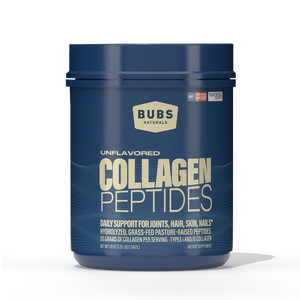
Our Collagen Peptides are sourced from grass-fed, pasture-raised bovine hides. We focus on a formula that is single-ingredient and easy to mix into your daily coffee or shake. This form is excellent for overall wellness, supporting not just the knees, but also skin, hair, and gut health.
Undenatured Type II Collagen (UC-II)
Undenatured collagen is processed at low temperatures to keep the protein molecules intact. Because the structure is preserved, you don't need a large dose. Most studies on UC-II use only 40 milligrams per day. It works primarily through the "oral tolerance" mechanism mentioned earlier, essentially telling the immune system to "cool off" in the joint space.
Bottom line: Hydrolyzed collagen peptides provide the raw materials for tissue repair, while undenatured Type II collagen acts more as an immune modulator. Many people choose hydrolyzed peptides because they provide a significant serving of protein alongside joint benefits.
Dosing and Timing: How to Use Collagen for Knee Health
Consistency is the most important factor when taking collagen for joint health. You cannot take it once or twice and expect your knees to feel better. Like training for a marathon or building a house, the body needs a steady supply of materials over a long period to see structural changes.
Recommended Daily Dosage
Most clinical trials for knee osteoarthritis use a dosage between 5 and 15 grams of hydrolyzed collagen per day. Taking 10 grams is a common "sweet spot" for many users. If you are highly active or dealing with more significant discomfort, you might lean toward the higher end of that range.
-
For General Support: 5–10 grams daily.
-
For Active Recovery/Arthritis Management: 10–20 grams daily.
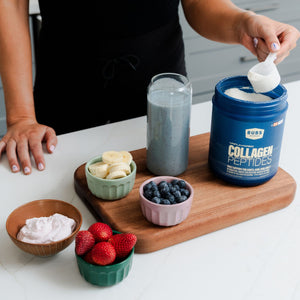
Our Collagen Club makes consistency simple. Because our powder is flavorless and dissolves easily, it is easy to make it a non-negotiable part of your morning routine.
When Should You Take It?
There is no evidence that the time of day significantly changes how collagen works. Some people prefer it in their morning coffee to start the day with a protein boost. Others take it after a workout to support recovery. The best time to take it is whenever you are most likely to remember it every single day.
Note: Some athletes prefer taking collagen about 30 to 60 minutes before a "loading" activity, like a run or weightlifting session. Emerging research suggests that the increased blood flow to the joints during exercise may help deliver the amino acids more effectively to the connective tissues.
Setting Realistic Expectations
It is vital to view collagen as a long-term investment in your mobility rather than a quick fix. Most people do not notice a difference in their knee comfort for at least four to eight weeks. Significant improvements in stiffness and function usually peak around the three-to-six-month mark.
Results will vary based on the severity of your arthritis. If you have mild-to-moderate arthritis, you may experience a noticeable decrease in daily aching. If your arthritis is advanced and has led to significant joint deformity, collagen may provide some comfort but will likely not eliminate the need for other medical interventions.
Always listen to your body. If your knee pain is accompanied by redness, warmth, or sudden swelling, it is important to consult a healthcare professional. These can be signs of an acute injury or a different type of inflammatory condition that requires medical diagnosis.
Key Takeaway: Collagen supports the biological building blocks of the knee joint, but it works slowly. Expect to stay consistent for at least 90 days to accurately judge how it is working for you.
Synergistic Habits for Better Knee Health
While supplements play a role, they are only one piece of the puzzle. To get the most out of your collagen, you should pair it with lifestyle habits that protect the joint and reduce inflammation. Your knees do not exist in a vacuum; they are affected by your weight, your movement patterns, and your overall nutrition.
Low-Impact Movement
Movement is medicine for arthritic joints. While it might seem counterintuitive to move a joint that hurts, physical activity helps circulate synovial fluid. This fluid acts as a lubricant and carries nutrients into the cartilage. Focus on low-impact activities that don't pound the joints:
-
Swimming or Water Aerobics: The buoyancy of the water removes the weight from your knees.
-
Cycling: Builds the quadriceps (the muscles on the front of your thigh) which help stabilize the knee.
-
Strength Training: Stronger muscles around the joint act like a "shock absorber," taking the pressure off the bone and cartilage.
Anti-Inflammatory Nutrition
Arthritis is inherently an inflammatory condition. What you eat can either "fan the flames" or help "put out the fire." Pair your collagen with a diet rich in Omega-3 fatty acids (found in fish and flaxseeds) and antioxidants (found in berries and leafy greens).
Proper hydration is also critical. Since cartilage is about 70-80% water, staying hydrated ensures the tissue remains as resilient as possible. If you find it hard to stay hydrated during workouts, our Hydrate or Die electrolyte formula can help maintain the mineral balance necessary for proper fluid retention and muscle function.
The BUBS Naturals Approach to Joint Wellness
We believe that the quality of what you put in your body dictates the quality of your performance. This philosophy is rooted in the legacy of Glen "BUB" Doherty, a Navy SEAL who lived a life of adventure and high standards. When we developed our collagen, we didn't want a product filled with artificial sweeteners or "proprietary blends" that hide the actual dosages.
Our BUBS Naturals Collagen Peptides are backed by third-party certifications. This is a rigorous third-party testing process that ensures what is on the label is exactly what is in the tub, with no banned substances or contaminants. For athletes and veterans who are used to high-stakes environments, this level of transparency and trust is non-negotiable.
When you choose us, you aren't just buying a supplement; you are participating in a mission. We donate 10% of all profits to veteran-focused charities in honor of BUB, through our 10% Rule. We want our community to feel as good about the impact they are making as they do about the physical results they see in the mirror—and in their knees.
Why Quality Matters in Collagen Supplements
Not all collagen is created equal. The market is flooded with cheap alternatives that may contain heavy metals or were processed using harsh chemicals. When you are taking a supplement specifically to help with a health challenge like arthritis, the purity of the ingredient is paramount.
Look for grass-fed and pasture-raised sources. This ensures the animals were raised without a heavy reliance on antibiotics and hormones, which can affect the quality of the final peptide. Furthermore, check for "hydrolyzed" on the label. If it isn't hydrolyzed, your body will have a much harder time breaking it down and utilizing it for joint repair.
We take pride in the fact that our collagen is unflavored and dissolves instantly. There is no clumping and no weird aftertaste. This makes it easy to add to your routine without feeling like you are taking "medicine." It's just clean, effective fuel for your joints.
Managing Arthritis for the Long Haul
Arthritis is a marathon, not a sprint. It is a condition that requires a shift in perspective—from trying to "beat" the pain to learning how to support the body’s natural resilience. Incorporating collagen into your life is a proactive step toward maintaining your independence and your ability to do the things you love.
Whether your goal is to hike a mountain, keep up with your kids, or simply walk through the grocery store without a limp, supporting your cartilage is a foundational strategy. By providing your body with the amino acids it needs, staying active with low-impact exercise, and choosing high-quality supplements, you can manage the symptoms of arthritis effectively.
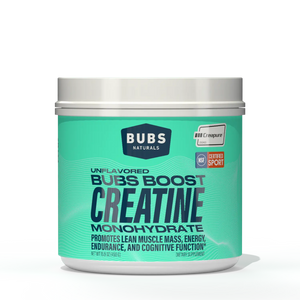
Remember that wellness is a holistic journey. Supplements work best when they are part of a larger commitment to health—one that includes rest, good food, and a sense of purpose. If you want to expand your routine, Creatine Monohydrate is another option to explore.
Conclusion
Is collagen good for arthritis in knees? The evidence suggests a resounding "yes" for many people. By supporting the structural framework of your cartilage and providing the body with essential amino acids, collagen may help reduce pain and improve the daily function of your joints. While it isn't a replacement for medical care or a healthy lifestyle, it is a powerful tool for anyone looking to stay mobile and active.
-
Consistency is Key: Take 10–20 grams of hydrolyzed collagen daily for at least 90 days.
-
Quality Counts: Use NSF for Sport certified, grass-fed collagen to ensure purity.
-
Move Your Body: Pair supplementation with low-impact exercise to strengthen supporting muscles.
-
Stay the Course: Remember that joint health is built over time, not overnight.
We invite you to experience the difference that clean, mission-driven nutrition can make. Every scoop of BUBS Naturals is a step toward a stronger you and a tribute to a legacy of service. Browse our Boosts collection to keep the adventure going.
FAQ
Can collagen replace my arthritis medication?
You should never stop taking prescribed medication without consulting your healthcare provider. Collagen is a nutritional supplement designed to support joint health over time, while medications often target immediate inflammation or specific immune responses. Many people use collagen as a complementary tool alongside their doctor’s recommendations.
How long does it take to see results for knee pain?
Most clinical studies show that it takes between 8 and 12 weeks of daily use to notice a significant improvement in joint comfort and mobility. Because collagen works by supporting the structure of the joint, the process is gradual. For the best results, we recommend staying consistent for at least three to six months.
Is bovine or marine collagen better for knee arthritis?
Both bovine and marine collagen can be effective, provided they are hydrolyzed into peptides. Bovine collagen is typically rich in Types I and III, which are excellent for overall connective tissue support. While Type II is specific to cartilage, the amino acids in Types I and III provide the body with everything it needs to synthesize the collagen required for your knees.
Are there side effects to taking collagen for joints?
Collagen is generally considered very safe and well-tolerated by most people. Some individuals may experience mild digestive symptoms, such as a feeling of fullness or slight bloating, when they first start. Starting with a smaller dose and gradually increasing it can help your body adjust to the increased protein intake.