Table of Contents
- Introduction
- Understanding Collagen as a Performance Tool
- The Science of Pre-Workout Timing
- How Collagen Protects Your Connective Tissues
- Collagen vs. Traditional Pre-Workouts
- The Vital Role of Vitamin C
- Energy and Hydration: The Rest of the Equation
- Collagen for the Aging Athlete
- Supporting Gut Health and Satiety
- How to Mix and Dose Your Pre-Workout Collagen
- Creating a Longevity Routine
- The BUBS Difference: Purity and Purpose
- Conclusion
- FAQ
Quick Answer: Taking collagen before a workout is highly effective for supporting joint health and strengthening connective tissues. Unlike traditional pre-workouts designed for energy, collagen provides the specific amino acids needed to reinforce tendons and ligaments right when blood flow to those areas is highest.
Introduction
You’ve likely felt it during a heavy leg day or a long trail run—the slight stiffness in your knees or the nagging ache in your Achilles tendon. Most of us focus our pre-workout routine on energy and muscle power, but we often overlook the structural "chassis" that holds our body together. While caffeine and creatine help the engine run faster, your tendons, ligaments, and joints are what actually handle the load.
If you are looking for a way to stay in the game longer and protect your body from the wear and tear of an active life, you might be asking: is collagen a good pre workout? At BUBS Naturals, our mission is to provide clean, science-backed nutrition that supports your wildest adventures while honoring a legacy of service and sacrifice.
In this guide, we will break down the science of why taking collagen before you train can be a strategic move for your long-term health. We’ll explore how it interacts with your connective tissues, why the 30-minute window matters, and how to combine it with other functional ingredients to create a powerhouse pre-workout routine.
Understanding Collagen as a Performance Tool
Collagen is the most abundant protein in your body, acting as the primary building block for your skin, bones, tendons, and ligaments. Unlike whey or plant proteins, which are designed to build muscle mass, collagen is rich in three specific amino acids: glycine, proline, and hydroxyproline. These are the "raw materials" your body uses to repair the structural "glue" that keeps your joints stable and your movements fluid.
Most people view collagen as a beauty supplement for skin and hair. While it certainly helps there, its role in an active lifestyle is much more rugged. As we age, our natural collagen production begins to dip, often starting in our mid-20s. For athletes and outdoor enthusiasts, this decline means slower recovery for joints and a higher risk of soft-tissue injuries.
When we talk about taking collagen pre-workout, we are referring to hydrolyzed collagen peptides. This is collagen that has been broken down into smaller, easily digestible chains. These peptides are highly bioavailable, meaning they can be absorbed quickly into the bloodstream. This rapid absorption is exactly why timing becomes such an important factor in your training results.
The Science of Pre-Workout Timing
The primary reason to take collagen before you work out is to capitalize on increased blood flow to your connective tissues. Tendons and ligaments are notoriously "white tissues," meaning they have a very limited blood supply compared to your "red" muscles. This is why a muscle strain might heal in days, while a tendon injury can take months.
However, when you begin to move and load your joints, blood flow to these areas increases. By consuming Collagen Peptides approximately 30 to 60 minutes before your session, you ensure that the peak concentration of amino acids in your blood aligns with your peak activity level. If you want a deeper look at the setup, taking collagen with pre-workout is a simple way to think about this timing.
As you lift, run, or climb, you create a mechanical "spike" in your tissues. This movement signals your cells to start the repair process. If the necessary amino acids are already circulating in your system thanks to your pre-workout dose, your body can immediately start reinforcing the very tissues you are stressing.
Myth: Collagen is just a "beauty" supplement and doesn't affect athletic performance.
Fact: Clinical studies show that taking collagen before exercise can significantly increase collagen synthesis in tendons and ligaments, helping to prevent injuries and reduce joint pain.
How Collagen Protects Your Connective Tissues
Taking collagen pre-workout acts as a form of "nutritional armor" for your joints and ligaments. When you engage in high-impact activities like running or heavy lifting, your connective tissues act as shock absorbers. Over time, this constant loading can lead to micro-tears and degradation.
Research has shown that supplementing with collagen can help maintain the tensile strength of these tissues. This means your tendons become more resilient and less likely to "snap" under pressure. For anyone who has dealt with jumper’s knee, tennis elbow, or general joint health, providing the body with the right building blocks before the stress occurs can be a game-changer for longevity.
Key Takeaway: While muscle protein helps you grow larger and stronger, collagen protein ensures your structural frame is stable enough to support that growth and prevent "breakdowns" at the joint level.
Collagen vs. Traditional Pre-Workouts
It is important to understand that collagen is not a direct replacement for a stimulant-based pre-workout. If you are looking for a massive "buzz" or a skin-tingling sensation, collagen won't provide that. Instead, it offers a functional, structural benefit that traditional supplements often miss.
Most pre-workout powders rely on caffeine for energy and beta-alanine for endurance. While these are effective for performance, they do nothing for the health of your joints. This is why many athletes are now adopting a "hybrid" approach. They might use a clean energy source for their brain and muscles, but they add Creatine Monohydrate to protect their frame.
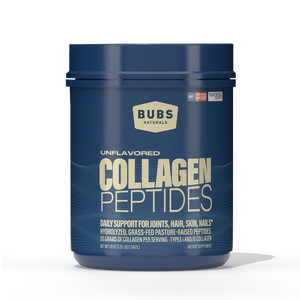
Our Collagen Peptides are a single-ingredient formula—no additives, no flavoring, just pure collagen that mixes easily into any drink. Because it is unflavored and dissolves instantly, you can add it to your existing pre-workout stack or even a morning cup of coffee without changing the taste. This makes it an easy addition to a routine that is already working for you.
The Vital Role of Vitamin C
You cannot effectively build or repair collagen in the human body without the presence of Vitamin C. Think of collagen peptides as the bricks and Vitamin C as the mortar. Vitamin C is a necessary co-factor for the enzymes that cross-link collagen fibers, creating the sturdy, triple-helix structure that gives your tendons their strength.
If you decide to take collagen before your workout, pairing it with a source of Vitamin C is non-negotiable for maximum efficacy. Many of the most successful clinical trials involving joint repair used a protocol of 15g of collagen paired with approximately 50g to 500mg of Vitamin C.
To make this simple, you can take our Vitamin C capsules alongside your pre-workout collagen. This ensures that as the amino acids reach your joints, your body has the exact tools it needs to "weave" those amino acids into new, healthy tissue.
Energy and Hydration: The Rest of the Equation
While collagen takes care of your joints, your workout still requires immediate energy and proper hydration. A truly effective pre-workout routine addresses the body as a whole. This is where functional fats and electrolytes come into play.
If you are training early in the morning or following a low-carb lifestyle, adding MCT Oil Creamer to your pre-workout collagen can provide a steady stream of "brain fuel." MCTs (medium-chain triglycerides) are a unique type of fat that your liver converts into ketones almost instantly, providing a clean energy source that doesn't cause a sugar crash.
Furthermore, you cannot perform at your peak if your cells are dehydrated. Electrolytes are the "electrical wires" of your body, allowing your muscles to contract and your brain to communicate with your limbs. Our Hydrate or Die formula is designed for high-performance hydration without the added sugars found in typical sports drinks.
A balanced pre-workout routine might look like this:
-
Hydration: One serving of electrolytes to ensure fluid balance.
-
Structure: 10–20g of collagen peptides to support joints.
-
Synthesis: A dose of Vitamin C to trigger collagen formation.
-
Energy: A scoop of MCT powder for sustained focus.
Collagen for the Aging Athlete
As we get older, our bodies become less efficient at processing protein, a phenomenon known as "anabolic resistance." This is especially true for connective tissues. Older athletes often find that they are more prone to "overuse" injuries and that their recovery time between sessions has doubled or tripled.
Recent research has shown that middle-aged and older adults who take collagen before resistance training see a much more significant increase in tissue repair than those who rely on exercise alone. For this demographic, is collagen a good pre workout? The answer is a resounding yes. It helps "jumpstart" the repair process that might otherwise be sluggish.
By providing a concentrated dose of glycine and proline right before the stress of a workout, you are giving your aging joints a fighting chance to stay resilient. It’s about more than just looking good; it’s about maintaining the ability to hike, bike, and play with your kids without paying for it with days of soreness.
Supporting Gut Health and Satiety
One often overlooked benefit of taking collagen before a workout is how it treats your digestive system. Many traditional protein powders, especially whey, can cause bloating or "heavy" feelings in the stomach. This is the last thing you want when you are about to start a high-intensity session.
Collagen is remarkably easy on the gut. Because the peptides are already "predigested" through hydrolysis, they don't require the same heavy lifting from your digestive enzymes. Many athletes find that they can take collagen on an empty stomach or right before a run without any "GI distress."
Additionally, collagen is highly satiating. If you are someone who struggles with hunger during a long workout, the protein content in a pre-workout collagen scoop can help keep you feeling "full" and focused until your post-workout meal. If you want a clean energy add-on here, MCT Oil Creamer is a simple option.
How to Mix and Dose Your Pre-Workout Collagen
Consistency is the most important factor in seeing results with collagen. You won't notice a difference in your joint health after a single dose. Most studies suggest that it takes about 8 to 12 weeks of daily use to see significant improvements in joint comfort and tissue integrity.
Here is how to get the most out of your BUBS Naturals Collagen Peptides:
-
Dosage: Aim for 10g to 20g (one to two scoops) per day. On training days, make sure this happens 30–60 minutes before you start.
-
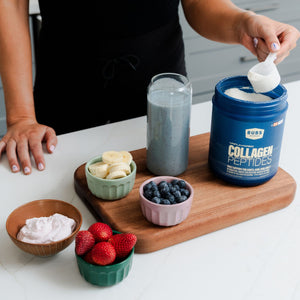
Mixing: Our peptides are designed to dissolve in both hot and cold liquids. You can stir them into water, tea, or your favorite pre-workout drink.
-
Pairing: Always take your collagen with a source of Vitamin C to ensure the amino acids are actually used for tissue repair.
Note: If you are a competitive athlete, look for supplements that are third-party tested. We ensure our products are NSF for Sport certified, meaning they are free from banned substances and the labels are 100% accurate.
Creating a Longevity Routine
Taking collagen pre-workout is a strategic shift from "short-term gains" to "long-term longevity." It’s a mindset shift that recognizes that your body is a complex machine that needs more than just fuel; it needs maintenance.
When you prioritize the health of your framework, you are making an investment in your future self. You are ensuring that you can still be active at 50, 60, and 70. Wellness shouldn't be about just surviving the next hour at the gym; it should be about thriving in your life outside of it.
Bottom line: Collagen is an excellent pre-workout addition for anyone focused on joint health, injury prevention, and structural integrity.
| Feature |
Traditional Pre-Workout |
Collagen Pre-Workout |
| Primary Goal |
Immediate Energy / Focus |
Joint & Tendon Support |
| Key Ingredients |
Caffeine, Beta-Alanine |
Glycine, Proline, Hydroxyproline |
| Digestion |
Can be harsh on some stomachs |
Very easy on the gut |
| Long-Term Benefit |
Performance boost during session |
Improved joint longevity |
| Timing |
15–30 minutes before |
30–60 minutes before |
The BUBS Difference: Purity and Purpose
At BUBS Naturals, we don't believe in cutting corners. Our products are born from a commitment to the highest standards of quality and a deep sense of purpose. When we say "no BS," we mean it. Our collagen is grass-fed and pasture-raised, ensuring you get the cleanest amino acid profile possible without fillers or hidden ingredients.
We are also a mission-driven brand. We were founded to honor the life of Glen "BUB" Doherty, and we carry his spirit of adventure and service into everything we do. That is why we commit to our 10% Rule: we donate 10% of all profits to veteran-focused charities.
When you choose us, you aren't just buying a supplement; you are supporting a legacy and contributing to a cause greater than yourself. We believe that when you feel better, you do better. Whether you are hitting the gym, the trail, or the boardroom, we are here to provide the clean nutrition you need to perform at your best.
Conclusion
Is collagen a good pre workout? The science overwhelmingly suggests that it is one of the most effective tools for protecting your joints and supporting your connective tissues. By timing your intake to match the increased blood flow of your training session, you can maximize your body’s ability to repair and reinforce itself.
Remember, the best supplement routine is the one you can stick to. Start by adding a scoop of our Collagen Peptides to your pre-workout ritual, pair it with some Vitamin C, and stay consistent. Your future self—and your joints—will thank you for it.
"The only way to keep your health is to eat what you don't want, drink what you don't like, and do what you'd rather not." — Mark Twain (Luckily, our collagen is unflavored, so you don't have to worry about the "don't like" part!)
Take the first step toward better joint health today. Whether you’re gearing up for a marathon or just want to feel better in your daily movements, our clean, simple ingredients are designed to help you live a life without limits.
FAQ
Does collagen give you energy for a workout?
Collagen is not a stimulant and will not provide a "jolt" of energy like caffeine. However, it provides a stable source of amino acids that can contribute to overall satiety and muscle support. For a clean energy boost, many people combine their collagen with MCT oil.
Can I take collagen and creatine together before a workout?
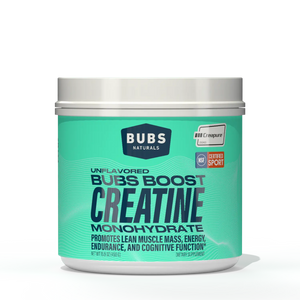
Yes, taking collagen and creatine together is an excellent strategy. While our Creatine Monohydrate supports muscle power and energy (the engine), the collagen supports the tendons and ligaments (the chassis). They work synergistically to improve both performance and structural health.
How much collagen should I take before exercising?
Most clinical research suggesting benefits for connective tissue used a dose of 10g to 20g of hydrolyzed collagen. Taking one or two scoops of our Collagen Peptides about 30 to 60 minutes before you start moving is the optimal way to align with peak blood flow.
Is it better to take collagen on an empty stomach before a workout?
Collagen is very easy on the digestive system and can be taken on an empty stomach without issue. In fact, many people prefer taking it this way before early morning fasted cardio because it provides joint support without the heaviness of a full meal.