Table of Contents
- Introduction
- Why Take Collagen With Water?
- The Science of Solubility: What is Hydrolyzed Collagen?
- How to Mix Collagen in Cold Water
- How to Mix Collagen in Hot Water
- Understanding Dosing: How Much Should You Take?
- Dealing With Clumping: Myths vs. Facts
- Enhancing the Flavor of Collagen Water
- When is the Best Time to Take Collagen?
- Why Quality Matters: The BUBS Naturals Difference
- Beyond the Basics: Collagen for Long-Term Wellness
- Conclusion
- FAQ
Introduction
If you have ever stared at a glass of water with a floating clump of powder at the top, you know that not all supplements are created equal. Taking collagen should be a simple addition to your morning or post-workout routine. It should not be a chore that involves hacking away at sticky lumps in your glass. While many people choose to toss their collagen into coffee or a smoothie, mixing it with plain water is often the most efficient way to stay consistent with your goals.
At BUBS Naturals, we focus on supplements that fit into an active, high-performance lifestyle without the unnecessary fillers. We know that if a product is hard to use, you probably will not use it. This guide covers exactly how to take collagen powder with water, how to prevent clumping, and why this simple habit can support your recovery and joint health. We will look at the best techniques for both hot and cold water to ensure your supplement dissolves perfectly every time.
By the end of this article, you will understand the science of solubility and the practical steps to make your daily collagen routine effortless.
Quick Answer: The most effective way to take collagen powder with water is to use a shaker bottle or a handheld frother for cold water, or simply stir it into hot water. Adding the powder to the glass before the liquid often helps prevent the "clump at the bottom" effect.
Why Take Collagen With Water?
Choosing water as your primary vehicle for collagen has several advantages. Many people prefer the simplicity of a single-ingredient routine. When you mix Collagen Peptides with water, you are not adding extra calories, sugars, or fats to your day. This makes it an ideal choice for those who are intermittent fasting or simply watching their macronutrient intake.
Water is also the best way to test the quality of your supplement. A high-quality collagen powder should be virtually tasteless and odorless. If your collagen tastes like "cow" or "fish" when mixed with plain water, that is a sign of poor processing or low-quality sourcing. We pride ourselves on offering a product that is clean enough to drink with nothing but a glass of H2O.
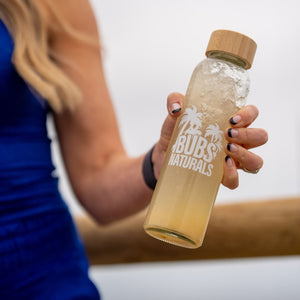
Taking collagen with water also encourages better hydration. If you make it a habit to drink 12 ounces of water with your daily scoop, you are checking two wellness boxes at once. For athletes, this is a "no-brainer" way to support connective tissue while replacing fluids lost during training.
The Science of Solubility: What is Hydrolyzed Collagen?
To understand how to mix collagen correctly, you first need to know what it is. Collagen is a structural protein. In its "native" or raw state, it is a very large, tough molecule. Think of the collagen in your own tendons or skin—it is designed to be strong and resilient, not to dissolve in a glass of water.
To make it a supplement, collagen undergoes a process called hydrolysis. This involves using enzymes to break down the large protein chains into smaller pieces called collagen peptides. These peptides have a lower molecular weight, which makes them "hydrolyzed." This process does two things:
-
Improves Bioavailability: Bioavailability refers to how well your body can absorb and use a substance. Smaller peptides are easier for your digestive system to process and move into the bloodstream.
-
Increases Solubility: Hydrolyzed collagen is much more likely to dissolve in liquids than raw collagen.
Even though it is hydrolyzed, collagen is still naturally "sticky." The word collagen comes from the Greek word kólla, which literally means "glue." This is why it is the "glue" that holds your body together, but it is also why it can sometimes form clumps when it hits the water. For a deeper look at how collagen supports the body, see What Qualities Does Collagen Add to the Body for Vitality?
Key Takeaway: Hydrolysis breaks collagen down into smaller peptides, making it easier to absorb and more likely to dissolve. However, the natural "glue-like" properties of the protein mean you still need proper mixing techniques to avoid clumps.
How to Mix Collagen in Cold Water
Mixing collagen into cold water is the biggest challenge for most people. Because the molecules are cold, they do not move as fast, which can cause the powder to stick together before it has a chance to dissolve. Here are the three best ways to handle cold water mixing.
The Shaker Bottle Method
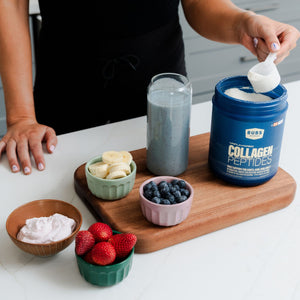
This is the gold standard for athletes and anyone on the move. A shaker bottle with a wire whisk ball or a plastic mixing screen provides the mechanical force needed to break apart the "glue" bonds of the collagen.
- Fill your shaker bottle with 8 to 12 ounces of cold water first.
- Add one scoop of collagen powder on top of the water.
- Secure the lid and shake vigorously for 15 to 20 seconds.
- Let it sit for a minute to allow any foam to settle.
The Handheld Frother Method
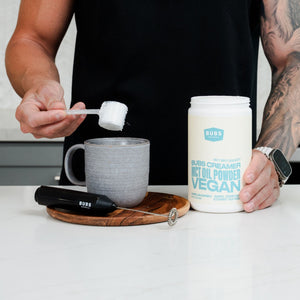
If you are at home, a small battery-operated milk frother is a game-changer. These tools spin at high speeds and create a vortex that pulls the powder into the liquid.
- Place your collagen powder in the bottom of a dry glass.
- Pour a small amount of water (about 2 ounces) over the powder.
- Use the frother to create a thick "slurry" or paste.
- Once the paste is smooth, pour in the rest of your water while continuing to froth.
The "Slurry" Spoon Method
If you do not have a shaker or a frother, you can still get a smooth mix with a simple spoon. The trick is to not dump all the water in at once.
- Put your scoop of collagen in a glass.
- Add just a tablespoon or two of water.
- Stir with a spoon until it forms a smooth, wet paste with no dry powder left.
- Slowly pour in the rest of your water while stirring constantly.
How to Mix Collagen in Hot Water
Hot water is much more forgiving than cold water. The heat increases the kinetic energy of the molecules, allowing the collagen peptides to disperse and dissolve almost instantly. This is why many people prefer taking their collagen in tea or simply warm lemon water.
The Stir-and-Go Technique
For hot water, you generally do not need special equipment.
- Pour your hot water into a mug.
- Slowly pour the collagen powder into the water while stirring with a spoon.
- Continue stirring for about 10 seconds.
- The water may look slightly cloudy at first, but it should turn clear within a minute.
Important Note on Heat and Collagen
A common concern is whether hot water "denatures" or ruins the collagen. Collagen peptides are very stable. The temperatures used for coffee, tea, or boiling water are not high enough to damage the amino acids in the peptides. You can safely mix your collagen into hot liquids without losing any of the nutritional benefits.
Understanding Dosing: How Much Should You Take?
When taking collagen with water, the amount you use depends on your specific goals. Most studies suggest that a daily dose of 10 to 20 grams is effective for most adults. For a broader overview of collagen options, The Gold Standard: What is the Number One Collagen to Take? is a helpful next read.
| Goal |
Suggested Daily Dose |
Why? |
| Skin, Hair, and Nails |
5g - 10g |
Supports the extracellular matrix and keratin production. |
| Joint and Bone Support |
10g - 15g |
Provides amino acids like proline and glycine for cartilage. |
| Muscle Recovery |
15g - 20g |
Helps repair connective tissues after intense training. |
| Gut Health |
10g - 20g |
May support the integrity of the digestive tract lining. |
If you are new to collagen, we recommend starting with a single scoop (usually around 10 grams) once a day. Listen to your body. Some people report a "heavy" feeling in the stomach if they take too much too fast. Once your body adjusts, you can move up to two scoops if your activity level or recovery needs require it.
Bottom line: Most people see the best results with 10 to 20 grams of collagen per day, which can be easily dissolved in 8 to 12 ounces of water.
Dealing With Clumping: Myths vs. Facts
If your collagen is clumping, it is usually a result of the mixing technique or the environment, not necessarily a "bad" product. However, there are some factors to keep in mind.
Myth: Clumping means the collagen is expired or low quality.
Fact: Even the highest quality collagen can clump if the powder is exposed to moisture in the air or if it is dumped into cold water too quickly without agitation.
Common Causes of Clumps
-
Moisture in the Container: If you leave the lid off your collagen tub or use a damp scoop, moisture enters the container. This causes the "sticky" peptides to bind together before they ever hit your glass. Always keep your container tightly sealed in a cool, dry place.
-
Pouring Too Fast: Dumping a large amount of powder into a small amount of still water creates a "shell" around the dry powder. The outside gets wet and sticky, sealing the inside off from the water.
-
Temperature Extremes: While hot water helps, "lukewarm" water can sometimes be the most difficult temperature for mixing. Stick to either very cold (with a shaker) or hot.
Enhancing the Flavor of Collagen Water
While unflavored collagen is the most versatile, some people find plain water a bit boring. You can easily dress up your collagen water without adding artificial junk.
-
Add Citrus: A squeeze of fresh lemon or lime does wonders. Vitamin C is also a critical co-factor in collagen synthesis. Your body actually needs Vitamin C to effectively build and repair its own collagen.
-
Mix with Electrolytes: For a post-workout recovery drink, mix your collagen with a clean electrolyte powder. Our Hydrate or Die Electrolytes formula is designed to provide rapid hydration with zero added sugar, making it a perfect partner for collagen.
-
The "Pink Drink" Hack: Mix your collagen with water and a splash of tart cherry juice. Tart cherry juice is often used by athletes to support sleep and reduce inflammation.
-
Try Flavored Collagen: If you prefer a "set it and forget it" option, look for collagen that is already flavored with natural ingredients. Chocolate or vanilla collagen can turn a glass of water into a treat that feels like a reward after a hard session.
When is the Best Time to Take Collagen?
The most important rule for taking collagen is consistency. The benefits of collagen—such as improved skin elasticity or joint comfort—are cumulative. They do not happen overnight. Most people report seeing a difference after 4 to 8 weeks of daily use. If you want more context on daily hydration habits, our electrolyte hydration guide is a useful companion read.
-
Morning: Many people take collagen with their morning water or coffee to "kickstart" their day. This ensures you do not forget it later on.
-
Pre-Workout: Some research suggests that taking collagen 30 to 60 minutes before exercise may help the amino acids reach your joints and tendons while blood flow is increased during training.
-
Post-Workout: Taking collagen after a workout supports the repair of the connective tissues that take a beating during heavy lifting or long runs.
-
Before Bed: Since your body does most of its repair work while you sleep, taking collagen in the evening may support these natural recovery processes.
We generally recommend taking it whenever you are most likely to remember it. If you have a solid morning routine, stick it there. If you always have a shaker bottle after the gym, that is your best bet.
Why Quality Matters: The BUBS Naturals Difference
When you are mixing a supplement with nothing but water, quality has nowhere to hide. You will notice the smell, the taste, and the way it dissolves. We built BUBS Naturals on the idea that supplements should be clean and effective. If you are comparing options, Choosing Your Supplement: What Type of Collagen Should I Take? is a smart place to start.
Our Collagen Peptides are sourced from grass-fed, pasture-raised bovine hides. We use a meticulous hydrolysis process to ensure the powder is fine and highly soluble. What really sets us apart for athletes and high performers is that our collagen is NSF for Sport certified. This means every batch is third-party tested to ensure it is free of over 280 banned substances and that what is on the label is actually in the tub.
We don't use fillers, flavorings, or "flow agents" that can interfere with how the product works or how it tastes. When you take our collagen with water, you are getting pure, high-quality protein designed to help you move better and recover faster.
Beyond the Basics: Collagen for Long-Term Wellness
Collagen is not just for people with "aching joints." It is a fundamental part of a proactive wellness strategy. As we age, our bodies naturally produce less collagen—roughly 1% less every year after the age of 25. This decline is what leads to thinner skin, more brittle hair, and less resilient joints.
By supplementing daily, you are providing your body with the specific amino acids—glycine, proline, and hydroxyproline—that it needs to maintain its structural integrity. These amino acids are not found in high amounts in typical muscle meats like chicken breast or steak. Taking a scoop of collagen ensures you are filling that nutritional gap. For more on habit-building and collagen support, read Essential Habits: What Helps Body Produce Collagen Naturally.
Whether you are a veteran looking to stay mobile, an athlete pushing for a new personal record, or someone simply wanting to age gracefully, a daily glass of collagen water is one of the easiest habits you can adopt.
Conclusion
Taking collagen powder with water is one of the simplest and most effective ways to support your body's "glue." Whether you use a shaker bottle for a cold post-workout drink or stir it into a hot morning tea, the key is using the right technique to ensure a smooth, clump-free experience. Focus on consistency, choose a high-quality hydrolyzed powder, and listen to your body’s needs.
At BUBS Naturals, we are driven by more than just great supplements. We are a mission-based company inspired by the life of Glen "BUB" Doherty. To honor his legacy of service and adventure, we donate 10% of all our profits to veteran-focused charities. When you choose our products, you are not just investing in your own health; you are supporting a larger cause.
Ready to make collagen a part of your daily routine? Start with a simple glass of water and see the difference for yourself.
FAQ
Does collagen powder dissolve better in hot or cold water?
Collagen powder dissolves much faster in hot water because the heat helps break the molecular bonds of the "sticky" protein more quickly. However, it can dissolve perfectly in cold water if you use a shaker bottle or a handheld frother to provide the necessary agitation.
Can I mix collagen with water and drink it later?
Yes, you can mix collagen ahead of time, but it is best to drink it within the same day for the best taste and texture. If left to sit in the fridge, the collagen may settle or slightly thicken the water, so give it a quick shake or stir before you drink it.
Will taking collagen with water break my fast?
Pure, unflavored collagen peptides contain calories (about 35-40 calories per scoop) because they are a protein. While it does not contain sugar or fats, some people believe any caloric intake breaks a fast, while others follow the "under 50 calories" rule; if you are fasting for strict metabolic reasons, it is best to take it during your eating window.
Why does my collagen water look cloudy?
A slight cloudiness is normal immediately after mixing, especially in cold water. This is usually just tiny air bubbles from the mixing process or the peptides beginning to disperse. If you let the glass sit for a minute or two, it should clear up significantly, provided the powder is fully dissolved. ### Bottom line: cloudiness is not a sign of poor quality.