Table of Contents
- Introduction
- The Importance of Collagen
- Types of Collagen and Their Benefits
- Recommended Daily Intake of Collagen Peptides
- Can You Take Too Much Collagen?
- Conclusion
- FAQ
Collagen is often touted as a miracle ingredient in the world of wellness and beauty, but how much of it do we actually need? With a plethora of collagen supplements flooding the market, it can be overwhelming to discern how many grams of collagen peptides we should incorporate into our daily routine. This blog post aims to clarify the optimal daily intake of collagen peptides, explore the benefits of collagen supplementation, and help you navigate our offerings at BUBS Naturals, where we are committed to clean, high-quality ingredients that fuel your adventures.
Introduction
Did you know that collagen makes up about 30% of the body's total protein? As the most abundant protein in our bodies, collagen plays a crucial role in maintaining the structural integrity of skin, tendons, ligaments, and cartilage. Yet, as we age, our natural collagen production declines—around 1% per year after the age of 25. This gradual decrease can contribute to signs of aging like sagging skin, joint pain, and reduced muscle mass.
Many people turn to collagen supplements to counteract these effects, but the question remains: How many grams of collagen peptides should we take each day? In this post, we will explore the recommended dosage of collagen peptides, the various types of collagen available, and how BUBS Naturals’ products can support your wellness journey.
By the end of this article, you will have a comprehensive understanding of collagen supplementation—what it is, why it's important, and how to incorporate it effectively into your daily routine.
The Importance of Collagen
Collagen is a structural protein that serves as a foundational component of various tissues in the body, including:
-
Skin: Provides elasticity and hydration, helping to reduce wrinkles.
-
Joints: Supports cartilage and connective tissue, promoting joint health and reducing discomfort.
-
Bones: Contributes to bone strength and density.
-
Muscles: Aids in muscle recovery and growth.
Given its essential role, maintaining adequate collagen levels is vital for overall health. While our bodies can produce collagen naturally, factors such as aging, poor diet, and environmental stressors can hinder production.
This is where collagen supplementation comes into play, providing a convenient way to replenish our collagen levels and support our active lifestyles.
Types of Collagen and Their Benefits
Before diving into dosage recommendations, it's crucial to understand the different types of collagen and their respective benefits. There are at least 28 types of collagen, but the most commonly found in supplements are:
-
Type I: The most abundant type, found in skin, tendons, and bones. It's great for skin health and overall structural support.
-
Type II: Primarily located in cartilage, this type is beneficial for joint health and reducing discomfort associated with aging.
-
Type III: Found in skin and blood vessels, it supports skin elasticity and hydration.
-
Gelatin: A cooked form of collagen, often used in cooking, that retains many of collagen's beneficial properties.
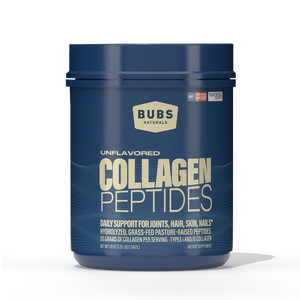
At BUBS Naturals, we focus on providing Collagen Peptides, which are hydrolyzed forms of collagen that are more easily absorbed by the body. This makes them an effective choice for those looking to enhance their skin, joint, and muscle health.
Recommended Daily Intake of Collagen Peptides
When considering how many grams of collagen peptides one should take daily, research suggests a range between 2.5 to 15 grams. The specific dosage may depend on individual health goals:
-
For skin health: A daily intake of around 2.5 to 10 grams can help improve skin elasticity and hydration.
-
For joint support: Doses of around 10 grams of Type II collagen are often recommended to help alleviate joint pain and improve function.
-
For muscle mass and recovery: Higher doses, approximately 15 grams, may be beneficial for those engaging in strength training and looking to increase muscle mass.
How to Incorporate Collagen Peptides into Your Diet
The good news is that collagen peptides are versatile and can be easily incorporated into your daily routine. Here are some suggestions:
-
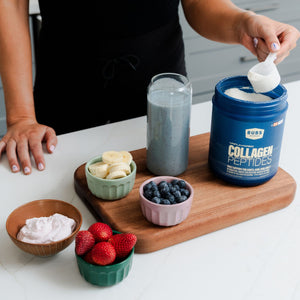
Morning Smoothies: Add a scoop of our Collagen Peptides to your morning smoothie for a delicious and nutritious boost.
-
Baked Goods: Mix collagen powder into pancake or muffin batter.
-
Soups and Broths: Stir collagen into soups or broths for added protein without altering taste.
-
Coffee or Tea: Collagen peptides can be added to hot beverages, making it easy to consume daily.
Can You Take Too Much Collagen?
While collagen is generally considered safe, it's essential to adhere to recommended dosages. Excessive intake may lead to minor side effects like digestive discomfort, including bloating or diarrhea. However, most people tolerate collagen well when taken within the recommended limits.
As always, it's wise to consult with a healthcare professional before starting any new supplement, especially if you have underlying health conditions or are pregnant.
Conclusion
Collagen is a vital protein that plays a significant role in our overall health, particularly as we age. By understanding how many grams of collagen peptides to take daily, we can better support our body's needs and promote wellness. At BUBS Naturals, we are proud to offer high-quality, hydrolyzed collagen peptides that seamlessly fit into your daily routine and support your active lifestyle.
As we continue to prioritize clean, effective ingredients in our products, we also commit to giving back, donating 10% of our profits to veteran-focused charities in honor of Glen "BUB" Doherty's legacy.
For those ready to enhance their wellness journey, we invite you to explore our Collagen Peptides and experience the BUBS difference today.
FAQ
How long does it take to see results from collagen supplementation?
Most users report noticing improvements in skin elasticity and joint comfort after about 4 to 12 weeks of consistent use.
Are there any side effects of taking collagen supplements?
While rare, some individuals may experience digestive discomfort. It's best to start with lower doses and increase gradually.
Can vegans take collagen supplements?
Collagen supplements are typically derived from animal sources. However, there are plant-based alternatives that may help support your body’s natural collagen production.
Is collagen supplementation suitable for everyone?
While collagen is safe for most individuals, those with specific allergies (e.g., fish or shellfish) should choose their supplements carefully and consult a healthcare provider.
How can I improve my body's natural collagen production?
In addition to supplementation, maintaining a balanced diet rich in vitamins C, zinc, and copper, as well as avoiding excessive sun exposure and smoking, can help support natural collagen production.
By understanding the importance of collagen and how to effectively incorporate it into our diets, we can take proactive steps toward supporting our health and vitality as we age.