Table of Contents
- Introduction
- What Is Collagen and How Does It Work?
- The Skin Timeline: 4 to 12 Weeks
- The Joint and Connective Tissue Timeline: 12 to 24 Weeks
- The Hair and Nails Timeline: 8 to 16 Weeks
- Why Consistency Is the Only Way to Win
- Summary of Results by Timeline
- How to Maximize Your Results
- When Should You Be Concerned?
- Realistic Expectations and Mindset
- Conclusion
- FAQ
Introduction
You have probably seen the photos or heard the claims. Someone starts taking a supplement and suddenly looks a decade younger or runs a marathon without knee pain. We know that real wellness does not happen in a vacuum. It takes time, effort, and consistency. At BUBS Naturals, we believe in being direct about how our products work with your biology. If you are starting a new routine, you want to know when the payoff arrives.
This guide explains how long to see effects of taking collagen based on your specific goals. Whether you want to support your joints for a long trek or improve your skin health, the timeline is rooted in science. Collagen is a structural protein. It acts as the scaffolding for your body. Rebuilding that scaffolding is a process, not a quick fix. We will break down the biological cycles of your skin, joints, and hair so you know exactly what to expect.
Quick Answer: Most people report initial improvements in skin hydration and nail strength within 4 to 8 weeks. For more significant changes like reduced joint discomfort or visible wrinkle reduction, consistent daily use for 12 weeks or longer is typically required.
What Is Collagen and How Does It Work?
To understand the timeline, you first need to understand what you are putting in your body. Collagen is the most abundant protein in the human body. It makes up about 30% of your total protein mass. Think of it as the glue that holds everything together. It provides structure to your skin, strength to your bones, and elasticity to your connective tissues.
As we age, our natural production of this protein starts to drop. This decline usually begins around age 25. By the time you reach your 40s or 50s, the loss becomes visible in the form of wrinkles or felt in the form of stiff joints. Supplementing helps provide the body with the raw materials it needs to maintain these structures.
Understanding Hydrolyzed Peptides
Most high-quality supplements use hydrolyzed collagen. This means the large protein molecules are broken down into smaller chains called peptides. We use this process because whole collagen molecules are too big for your body to absorb efficiently.
When you ingest these peptides, your body breaks them down further into amino acids. These amino acids act as building blocks. They signal your body to start producing more of its own collagen. This is why results are not instant. Your body has to physically build new tissue using these nutrients.
The Role of Bioavailability
Bioavailability refers to how well your body can absorb and use a substance. Not all supplements are created equal. Factors like molecule size and source matter. Collagen from grass-fed, pasture-raised sources often provides a clean profile of Type I and Type III collagen. These are the types most common in your skin and bones.
When you choose a product that mixes easily and is third-party tested, you ensure your body is getting what it needs without fillers. This efficiency plays a major role in how quickly you might start to see changes.
Key Takeaway: Collagen supplements do not just "add" collagen to your body. They provide the specific amino acids that trigger your body's internal repair mechanisms. This biological response takes time to manifest as visible or physical changes.
The Skin Timeline: 4 to 12 Weeks
Skin is often the first place people look for results. Your skin is your largest organ, and it is constantly regenerating. However, this regeneration happens in cycles. For a healthy adult, a full skin cell turnover cycle takes about 28 to 40 days.
Because of this cycle, you are unlikely to see a massive difference in the first week. You are essentially waiting for new skin cells to reach the surface. These new cells will have been supported by the amino acids from your supplementation.
Weeks 4-6: Increased Hydration
The first thing many people notice is a change in skin moisture. Collagen contains amino acids like hydroxyproline. These help your skin retain water. You might find that your skin feels less dry or that you need less moisturizer. This is the "internal hydration" phase.
Weeks 8-12: Elasticity and Texture
As you hit the two-month mark, the structural changes become more apparent. Clinical studies often show improvements in skin elasticity and a reduction in the appearance of fine lines around this time. The skin matrix is becoming denser and more resilient.
Factors That Delay Skin Results
If you spend a lot of time in the sun without protection, you are breaking down collagen as fast as you can build it. Smoking and high sugar intake also damage the collagen matrix through a process called glycation. To see results faster, you should support your supplement routine with a healthy diet and sun protection.
The Joint and Connective Tissue Timeline: 12 to 24 Weeks
If you are an athlete or someone who works a demanding job, joint health is likely your priority. Supporting your joints is a different game than supporting your skin. Connective tissues like tendons, ligaments, and cartilage have much lower blood flow than your skin.
Because blood flow is the delivery system for nutrients, it takes longer for collagen peptides to reach these areas and start the repair process. This is why patience is vital for joint support.
The First Three Months
During the first 12 weeks, the body is working on the internal environment of the joint. You might not feel a major change yet, but the raw materials are being allocated to the cartilage and synovial fluid. This fluid lubricates your joints.
12 Weeks and Beyond
Most clinical trials focusing on joint discomfort show the most significant results at the three-month to six-month mark. Users often report feeling less "creaky" in the morning. Recovery after a heavy lifting session or a long run may feel more manageable.
Supporting the Grind
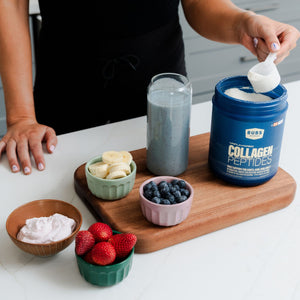
For those of us who push our bodies, collagen is a foundational part of the recovery toolkit. It works alongside other habits like hydration and proper sleep. Our Collagen Peptides are designed to mix into your morning coffee or post-workout shake without changing the flavor. This makes it easy to hit that daily requirement without a second thought.
Bottom line: Connective tissue repairs slowly due to limited blood flow. Expect to wait at least three months of daily use to feel a meaningful difference in joint comfort and mobility.
The Hair and Nails Timeline: 8 to 16 Weeks
Hair and nails are often grouped together because they both rely on keratin. While collagen is not keratin, it provides the amino acids (like proline) that your body uses to build keratin.
Stronger Nails
Nails usually show results faster than hair. Many people notice their nails are less brittle and grow faster within about 8 weeks. If you struggle with peeling or thin nails, this is often one of the most rewarding early signs that your supplement is working.
Thicker, Healthier Hair
Hair growth is a slow process. Most hair grows only about half an inch per month. Because collagen supports the scalp and the hair follicle environment, you have to wait for new hair to grow out before you notice a change in quality.
Usually, around month three or four, you might notice that your hair feels fuller or has more shine. This is because the new growth is supported by a healthier foundation. It will not "fix" the dead hair at the ends, but it will improve the hair currently being produced at the root.
Why Consistency Is the Only Way to Win
The most common reason people fail to see results with collagen is "on-again, off-again" usage. If you take it for three days, forget for a week, and then take it again, you are resetting the clock.
Think of it like training for a goal. You cannot go to the gym once a week and expect to hit a new personal record. Your body needs a steady, daily supply of these amino acids to keep the repair signals active. If the supply stops, the body reverts to its baseline production levels.
The Importance of Dosage
Most studies suggest a daily dose of 10 to 20 grams of collagen peptides. This provides enough of the specific amino acids to make a measurable impact. Taking less may still provide some benefit, but it will likely extend the time it takes to see visible results.
The Role of Vitamin C
Your body cannot actually synthesize collagen without Vitamin C. It is a mandatory co-factor in the process. If you are deficient in Vitamin C, your collagen supplement will not be nearly as effective. We recommend pairing your peptides with a Vitamin C source. This ensures that the amino acids you are consuming actually get turned into the structural proteins you want.
Myth: Collagen is just another protein powder.
Fact: While collagen is a protein, it has a unique amino acid profile high in glycine, proline, and hydroxyproline. These are not found in high amounts in whey or plant proteins. These specific aminos are what target your connective tissues and skin.
Summary of Results by Timeline
To make this easier to track, we have created a general breakdown of what the average user might experience. Remember, your age, activity level, and baseline health will influence these numbers.
| Goal Area |
Initial Changes (Weeks 4-8) |
Noticeable Results (Weeks 12-16) |
Long-Term Support (6+ Months) |
| Skin |
Better hydration; softer feel |
Reduced fine lines; better elasticity |
Improved overall skin resilience |
| Joints |
Subtle ease in morning stiffness |
Improved comfort during activity |
Enhanced structural integrity |
| Nails |
Faster growth; less peeling |
Significant increase in strength |
Consistently strong, healthy nails |
| Hair |
Subtle increase in shine |
Feeling of fullness at the roots |
Improved hair quality and growth |
How to Maximize Your Results
We want you to get the most out of every scoop. Beyond just taking the supplement, certain lifestyle factors can speed up your progress or help you maintain the results you achieve.
Manage Your Stress
Chronic stress releases cortisol. High levels of cortisol can actually break down collagen fibers in the skin. While a supplement helps rebuild, managing stress helps you keep what you already have.
Prioritize Sleep
Your body does the majority of its tissue repair while you sleep. This is when growth hormones are released and protein synthesis peaks. If you are skipping sleep, you are robbing your body of the time it needs to use those collagen building blocks.
Stay Hydrated
Collagen and water work together. For your skin to look plumper and for your joints to stay lubricated, you need to be properly hydrated. We often recommend using our Hydrate or Die electrolytes alongside your collagen routine. This ensures your cells are actually capable of holding onto the moisture that collagen helps provide.
Quality Matters
At BUBS Naturals, we do not cut corners. Our Collagen Peptides are NSF for Sport certified. This means they are tested for purity and safety. When you know your supplement is clean, you can focus on your routine without worrying about what else might be in the tub. We keep it simple because simple works.
When Should You Be Concerned?
If you have been taking a high-quality supplement consistently for six months and see absolutely no change, it is worth looking at your overall nutrition. Collagen is a protein, and if your total protein intake is very low, your body may be using the collagen peptides for more critical survival functions rather than for your skin or joints.
The body is a smart machine. It will always prioritize internal organ repair over "looking good." Ensure you are eating enough total protein from a variety of sources to allow the collagen peptides to do their specific job.
Realistic Expectations and Mindset
Wellness is a long game. It is about the small things you do every day that add up over months and years. You might not see a difference in the mirror tomorrow, but in three months, you might realize your knees didn't ache after that hike. Or you might notice your skin looks more rested than usual.
Frame your collagen use as a foundational habit. It is like changing the oil in your truck or sharpening your tools. It is maintenance that keeps the machine running smoothly for the long haul.
Key Takeaway: Your body has a priority list. If you have significant joint issues, your body might send the amino acids there first, meaning it might take longer to see changes in your skin. Be patient and stay the course.
Conclusion
The journey to better skin, stronger joints, and healthier hair is a marathon, not a sprint. While you might notice subtle changes in hydration within the first month, the real transformation happens between the three and six-month marks. Consistency is your greatest tool. By taking a high-quality supplement daily, you are providing your body with the consistent support it needs to rebuild and maintain its structural integrity.
Our mission is to help you live a life full of adventure and purpose. This brand was founded in honor of Glen "BUB" Doherty, a Navy SEAL who lived a life of action and service. In his spirit, we donate 10% of all our profits to veteran-focused charities. When you choose us, you are not just investing in your own health; you are supporting a larger mission of giving back.
Stick with your routine. Keep moving. We are here to provide the clean, effective tools you need to stay in the game.
FAQ
How much collagen should I take each day to see results?
Most research suggests that a daily dose of 10 to 20 grams is the effective range for seeing results in skin, hair, and joints. Consistently hitting this target ensures your body has a steady supply of the amino acids it needs for repair. Our standard serving size is designed to meet this requirement efficiently.
Does it matter what time of day I take my collagen?
No, the timing is less important than the consistency. Whether you prefer it in your morning coffee or your evening tea, the most important factor is that you take it every single day. Some people prefer taking it in the morning to start their routine, while others like it post-workout to support recovery.
Can I see results faster if I take more than the recommended dose?
Taking more than 20 grams a day is generally safe, but there is a "ceiling" to how much your body can process at once for specific tissue repair. Any excess protein will simply be used as energy or stored. It is better to be consistent with a standard dose than to take massive amounts sporadically.
Will the effects of collagen go away if I stop taking it?
Because collagen is a structural component that your body is constantly breaking down and rebuilding, stopping supplementation will eventually lead to a return to your baseline production. You won't lose your results overnight, but over several weeks or months, the benefits will gradually fade as your body's natural levels decline.