Table of Contents
- Introduction
- Understanding the Collagen Timeline
- What Science Says: Evidence-Backed Timelines
- The Science of Turnover: Why Patience Matters
- Factors That Influence Your Personal Timeline
- How to Optimize Your Collagen Routine for Faster Results
- Signs Your Collagen Is Working
- What to Do If You Don’t See Results After 12 Weeks
- Conclusion
- FAQ
Introduction
You’ve likely seen the enthusiasts adding a scoop of white powder to their morning coffee or post-workout shake. Maybe you have even started doing it yourself, hoping to support your joints, skin, or recovery. When you start a new wellness routine, the most common question is naturally about the clock. You want to know exactly how long you need to stay consistent before those efforts translate into a noticeable difference in how you look and feel.
At BUBS Naturals, we believe in being direct about what supplements can and cannot do. Collagen Peptides are not a quick fix that works overnight, but it is a powerful tool for long-term health when used correctly. Understanding the timeline of how your body processes these proteins helps you stay the course during the early weeks when changes are happening beneath the surface.
This guide will break down the realistic expectations for collagen supplementation, from the initial cellular changes to the long-term structural benefits. We will explore the science of tissue turnover, the factors that might speed up or slow down your progress, and how to optimize your daily routine for the best possible outcomes. While every body is different, most people can expect to see meaningful results within a window of four to twelve weeks.
Quick Answer: Most people notice initial changes in skin hydration and nail strength within 4 to 6 weeks. For deeper benefits like joint comfort and significant skin elasticity, consistent use for 12 weeks or longer is typically required.
Understanding the Collagen Timeline
To understand the timeline, you first have to understand what collagen actually does once it enters your system. Collagen is the most abundant protein in your body, acting as the "glue" that holds everything from your skin to your tendons together. When you ingest collagen peptides—which are hydrolyzed, meaning they are broken down into smaller, easily absorbable pieces—your body doesn't just "plug" them into your skin. Instead, it breaks them down into amino acids.
These amino acids act as both the raw materials and the signaling molecules that tell your body to ramp up its own natural collagen production. This process takes time because it relies on your body’s natural cycles of cellular turnover and tissue remodeling. Your skin, for example, replaces itself roughly every 28 to 40 days. If you are looking for skin benefits, you generally need to wait at least one full cycle to see the new, better-supported cells reach the surface.
Weeks 1–4: The Foundation Phase
During the first month, the changes are largely internal. You are providing your body with a steady supply of specific amino acids like glycine, proline, and hydroxyproline. While you might not see a dramatic change in the mirror yet, many people report subtle improvements during this phase.
The most common early sign that the supplement is working is improved skin hydration. Because collagen works alongside compounds like Hyaluronic acid to help the skin hold onto moisture, you may notice that your skin feels less dry or that your routine moisturizer seems to work more effectively. Some individuals also notice a difference in their digestion or gut comfort early on, as the amino acids in collagen support the integrity of the intestinal lining.
Weeks 4–8: Visible Improvements
This is the window where most people start to see the "surface" results they were looking for. By the second month of consistent use, you have likely moved through at least one full skin cell turnover cycle.
Nail strength often becomes apparent here. If you typically deal with brittle nails that peel or break easily, you might notice they feel harder and grow a bit faster. In terms of skin, this is when elasticity and texture begin to shift. You might notice a slight "glow" or a more even skin tone. This isn't magic; it’s simply the result of better structural support in the dermis, the deeper layer of your skin.
Month 3 and Beyond: Deep Structural Support
If your goal is joint comfort or recovery from intense training, the three-month mark is the critical milestone. Connective tissues like tendons and ligaments have much lower blood flow than your skin or muscles. Because of this, they take significantly longer to repair and strengthen.
Clinical studies on collagen and joint health often focus on the 12-week mark. By this point, the consistent supply of peptides has had enough time to support the cartilage and the connective tissues surrounding your joints. For athletes or those with active lifestyles, this is when you may notice you feel "snappier" in the morning or experience less discomfort after a long run or a heavy lifting session.
Key Takeaway: Collagen results follow a "top-down" timeline. Surface-level benefits like hydration and nail strength often appear within a month, while structural benefits like joint support and skin firmness require three months or more of steady supplementation.
What Science Says: Evidence-Backed Timelines
To move beyond anecdotal evidence, we look to clinical research to see how long these processes actually take under controlled conditions. The studies consistently point to a window of 8 to 24 weeks depending on the target tissue.
-
Skin Health: A 2021 meta-analysis of collagen supplementation trials reviewed data from over 1,000 participants and concluded that taking hydrolyzed collagen for 90 days significantly improved skin elasticity and hydration compared to placebo groups. Earlier evidence, such as a 2014 double-blind placebo-controlled wrinkle trial, showed that specific collagen peptides could reduce eye wrinkle volume in as little as 8 weeks.
-
Joint Comfort: The timeline for joints is typically longer. A well-regarded 24-week athlete joint-pain trial conducted at Penn State University found that athletes taking collagen peptides experienced a significant improvement in joint comfort during activity by the end of the 24-week period, though many began noticing shifts around the 12-week mark.
-
Bone Support: Because bone tissue turns over much more slowly than skin, studies focusing on bone mineral density usually run for 12 months to show significant structural changes.
The Science of Turnover: Why Patience Matters
It can be tempting to quit after three weeks if you don't see a "transformation," but the biology of your body dictates the speed of the results. Every tissue in your body has a different remodeling rate. This is the speed at which old cells are broken down and replaced by new ones.
| Tissue Type |
Estimated Turnover/Remodeling Time |
When to Expect Collagen Results |
| Skin Cells |
28–40 Days |
4–8 Weeks |
| Nails |
3–6 Months (Full nail growth) |
4–8 Weeks (Initial hardening) |
| Hair |
Variable (Growth phase lasts years) |
2–4 Months |
| Tendons/Ligaments |
Several Months to Years |
12–24 Weeks |
| Bone Tissue |
Years |
6–12 Months |
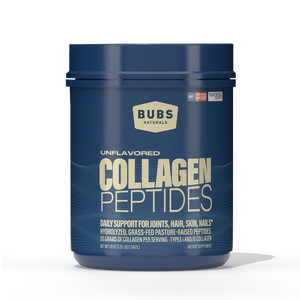
As the table shows, your body is a slow and steady machine. When you take BUBS Naturals Collagen Peptides, you are supporting these natural processes. Because our collagen is grass-fed, pasture-raised, and hydrolyzed for maximum bioavailability, your body can utilize it efficiently. However, we cannot bypass the biological laws of cell turnover.
Consistency is the most important variable in this equation. If you take collagen for three days and then forget for four, your body never reaches the steady state of amino acid availability required to signal for increased production. Think of it like training for a marathon: one long run won't get you to the finish line, but three months of daily miles will.
Factors That Influence Your Personal Timeline
Not everyone will see results at the exact same time. Several individual factors can speed up or slow down how quickly you notice a difference.
1. Your Current Age
As we age, our natural collagen production slows down significantly, starting in our mid-twenties. By the time we hit 40 or 50, we are losing collagen faster than we can replace it. If you are older, you may actually notice results faster because your "baseline" was lower, but you may also require a higher daily dose to see the same structural changes as someone younger.
2. Lifestyle and Environmental Stress
External factors can "steal" your collagen. UV exposure from the sun, smoking, high sugar intake, and chronic stress all accelerate the breakdown of existing collagen fibers. If you are taking a supplement but spending all day in the sun without protection or eating a highly processed diet, you are essentially fighting an uphill battle. You will still benefit from the supplement, but it might take longer to see the visible "wins."
3. Dietary Support (Vitamin C)
Vitamin C is a mandatory cofactor for collagen synthesis. This means that even if you have all the amino acids from your collagen powder, your body cannot effectively "knit" them into new collagen fibers without adequate Vitamin C. Ensuring you have enough of this antioxidant—whether through citrus fruits, leafy greens, or a high-quality supplement—is a key way to ensure your collagen isn't going to waste.
4. Hormonal Changes and Menopause
For women, hormone levels play a massive role in collagen density. During the first few years of menopause, women can lose up to 30% of their skin’s collagen. Supplementation during this period is highly effective, but it may take closer to 12 weeks to stabilize and see visible improvements in skin thickness or joint comfort due to the shifting hormonal environment.
5. Dosage and Baseline Nutrition
Most clinical research points to a daily dose of 10 to 20 grams of collagen peptides. If your baseline protein intake is very low, your body may prioritize using those amino acids for essential muscle and organ function rather than "aesthetic" goals like hair or skin. Ensuring you eat enough total protein helps "protect" your collagen supplement so it can do its specific job.
Myth: All protein is the same, so I don't need collagen if I eat enough meat.
Fact: While meat provides protein, it often lacks the specific concentrations of glycine and proline found in collagen. Collagen peptides are uniquely suited to support connective tissue and skin in a way that a standard chicken breast or whey shake may not.
How to Optimize Your Collagen Routine for Faster Results
If you want to ensure you are getting the most out of every scoop, there are a few practical steps you can take to support your body's natural processes.
Understand the Types and Sources
Not all collagen serves the same purpose. Most supplements use bovine or marine sources:
-
Type I / Type II / Type III collagen: Type I and III are found primarily in skin, hair, and bones, making them the gold standard for beauty and structural integrity. Type II is almost exclusively found in cartilage and is the go-to for joint-specific goals. BUBS Naturals focuses on high-quality Type I and III from bovine sources to provide a versatile, full-body benefit.
Choose Hydrolyzed Peptides
Always look for "hydrolyzed" collagen. This means the large protein molecules have already been broken down into smaller peptides using enzymes. This process makes the collagen more bioavailable, meaning your body can actually absorb it and put it to work. Our Collagen Peptides are hydrolyzed and strictly third-party tested, ensuring you get a clean, effective product that mixes effortlessly into any liquid.
Stack with Vitamin C
As mentioned, Vitamin C is the engine that drives collagen production. If you aren't getting enough through your diet, consider a clean source to pair with your morning routine. We designed our Vitamin C supplement to provide 500mg of the nutrient alongside citrus bioflavonoids, which may support the formation of the collagen matrix.
Don't Ignore Hydration
Collagen and water work together. Collagen helps your skin and joints stay hydrated, but those tissues need actual water to function. If you are dehydrated, your skin will look dull and your joints will feel stiff regardless of how much collagen you take. Consider using our Hydration Collection to ensure your cellular hydration is on point while you wait for your collagen results to manifest.
Bottom line: To see the best results, take 10-20g of hydrolyzed collagen daily, ensure you have adequate Vitamin C, and stay hydrated to support the new tissue your body is building.
Signs Your Collagen Is Working
Because the changes happen gradually, it can be hard to notice them day-to-day. It’s often helpful to track specific indicators. Improvements are usually modest and gradual rather than dramatic transformations overnight.
-
The "Lotion Test": You find that you don't need to apply as much moisturizer to your elbows, knees, or face as you used to.
-
The "Morning Mirror": Your skin looks less "tired" in the morning, with a more even tone and a bit more bounce.
-
Nail Resilience: You realize you haven't had a broken or jagged nail in several weeks.
-
Post-Activity Recovery: You notice that after a heavy leg day or a long hike, your knees and ankles don't feel as "grindy" or stiff the next morning.
-
Hair Texture: While hair takes the longest to show results, you might notice less shedding in the shower or that your hair feels slightly thicker at the roots after a few months.
What to Do If You Don’t See Results After 12 Weeks
If you’ve hit the 90-day mark and don’t feel or see a difference, don’t give up just yet. Here is how to troubleshoot your routine:
-
Check Your Dosage: Are you taking the full 10–20g daily? A few grams here and there may not be enough to saturate your tissues.
-
Evaluate Consistency: Did you miss more than a few days a month? Collagen relies on a steady "signal" to your cells; intermittent use resets that signal.
-
Audit Your Lifestyle: Are you getting enough sleep and managing stress? Sleep is when your body performs the majority of its tissue repair. If you are chronically underslept, your body may be breaking down collagen faster than you can supplement it.
-
Review Your Baseline: If you have a very high activity level or a physically demanding job, your "maintenance" needs might be higher than the average person. You might simply need more time or a slightly higher dose to overcome the daily wear and tear.
Conclusion
The journey to better skin, stronger joints, and improved recovery is a marathon, not a sprint. While the question of how long you take collagen before you see results depends on your individual biology, the evidence is clear: consistency is the hero of the story. Most people will see the first signs of success within four weeks, with the most significant, deep-seated benefits appearing around the three-month mark.
It is also important to remember that collagen is a maintenance supplement. Once you achieve your desired results, continuing your routine is necessary to maintain them. Because your body continues to age and face environmental stressors, stopping supplementation will eventually lead to a return to your baseline collagen levels.
At BUBS Naturals, we are committed to providing the cleanest, highest-quality tools to help you on that journey. Our products are designed for people who live active, purposeful lives and don't have time for fillers or fluff. We believe in the power of simple, effective nutrition to make a real difference in your daily performance.
Every time you choose our products, you are supporting more than just your own health. In honor of the legacy of Navy SEAL Glen "BUB" Doherty, we donate 10% of all our profits through our 10% Rule. It’s wellness with a mission.
Stay consistent, stay hydrated, and give your body the time it needs to rebuild. The results are worth the wait.
"Patience and consistency are the two most underrated supplements in any fitness or wellness routine. Give the science time to work."
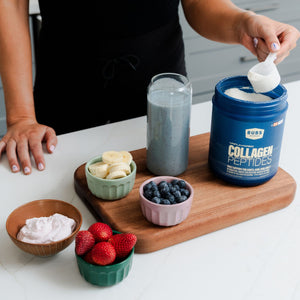
Your Next Step: Commit to a 90-day collagen challenge. Take one to two scoops of our collagen powder every single day for three months and track your progress in a journal or with photos. Experience the difference that high-quality, hydrolyzed protein can make for your active lifestyle.
FAQ
Can I see collagen results in just one week?
While you likely won't see structural changes in your skin or joints in seven days, some people report improved gut comfort or a slight increase in skin hydration early on. However, significant results like reduced wrinkles or improved joint mobility generally require at least 4 to 12 weeks of consistent use to allow for cellular turnover. For help choosing a product, see our best collagen supplement guide.
What happens if I stop taking collagen for a few days?
Missing a day or two won't reset your progress to zero, but it can slow down the cumulative benefits. Collagen works by maintaining a steady supply of amino acids in your system to signal for new production; frequent breaks can disrupt this signaling process and delay your results.
Does the type of collagen affect how fast it works?
Yes, the form matters significantly for speed and efficiency. Hydrolyzed collagen peptides are broken down into smaller chains that are much easier for your body to absorb into the bloodstream compared to standard gelatin or "raw" collagen. Additionally, Type I and III tend to show results in skin and hair faster than Type II shows results in joint cartilage due to the differences in blood flow to those tissues.
Is it better to take collagen in the morning or at night?
There is no definitive clinical evidence that one time of day is superior to another for absorption. The best time to take collagen is whenever you are most likely to be consistent—whether that is in your morning coffee, a midday smoothie, or a glass of water before bed. Consistency over 24-hour cycles is much more important than the specific hour of ingestion.
Do I need to take collagen forever to keep the results?
Collagen levels naturally decline with age. If you stop taking collagen, your body will return to its natural rate of production and degradation. Over time, the benefits you noticed—such as skin elasticity or joint comfort—will likely fade as your collagen stores return to their previous levels. Most people transition to a "maintenance" dose after reaching their initial goals.