Table of Contents
- Introduction
- Understanding the "Glue" of the Human Body
- The Various Types of Collagen and What They Do
- Why Your Body’s Collagen Levels Naturally Change
- Supporting Your Body’s Natural Collagen Production
- The BUBS Difference: Quality, Purity, and Purpose
- How to Incorporate Collagen Into Your Daily Routine
- The Role of Collagen in Joint and Bone Health
- Collagen and Digestive Wellness: The Gut Connection
- The Bigger Picture: Health for a Cause
- Conclusion
- FAQ
Introduction
Did you know that by the time you reach your 40th birthday, your body has likely lost about 25% of its natural collagen? By age 60, that number can skyrocket to over 50%. This isn't just a statistic about vanity or skin deep aesthetics; it’s a reflection of the structural integrity of your entire physical being. Collagen is the most abundant protein in the human body, acting as the biological "glue" that holds everything from your bones and joints to your skin and blood vessels together. Without it, we would quite literally fall apart.
At BUBS Naturals, we view health as the foundation for a life of adventure. Whether you are scaling a mountain, hitting a new personal record in the gym, or simply looking to move through your daily life with less stiffness and more vitality, understanding the role of collagen is essential. We were founded to honor the legacy of Glen “BUB” Doherty—a Navy SEAL, adventurer, and consummate teammate—by providing clean, science-backed nutrition that empowers people to live their best lives. This dedication to quality and purpose is why we prioritize simple, effective ingredients in everything we make.
In this exploration, we are going to dive deep into the science of collagen. You will learn exactly what this protein does for your body, the specific differences between collagen types, why our natural production begins to dip as we age, and how you can effectively support your body’s connective tissues through supplementation and lifestyle choices. We will also discuss the importance of sourcing, explaining why grass-fed, pasture-raised, and third-party certified products like our Collagen Peptides are the gold standard for those who refuse to settle for "good enough."
By the end of this article, you will have a comprehensive understanding of why collagen is a non-negotiable component of a longevity-focused wellness routine. We aren't just talking about supplements; we’re talking about a commitment to your future self. Together, let’s uncover how prioritizing your internal structure can lead to a more resilient, active, and fulfilling life.
Understanding the "Glue" of the Human Body
To grasp how important collagen is for your body, we first need to look at its composition. Collagen is a structural protein made up of amino acids, primarily glycine, proline, and hydroxyproline. These amino acids wind together to form triple-helix fibrils, which are incredibly strong and flexible. Think of collagen as the steel rebar in a concrete building; while the other components provide volume, the collagen provides the tensile strength that prevents the structure from collapsing under pressure.
Roughly 30% of the total protein in your body is collagen. It is found in the "extracellular matrix," which is the complex network of molecules that provides structural and biochemical support to surrounding cells. This isn't limited to just your skin. It’s in your tendons, which connect muscle to bone; your ligaments, which connect bone to bone; your cartilage, which cushions your joints; and even in the lining of your gut and your blood vessels.
The importance of these triple-helix structures cannot be overstated. When we are young, our bodies are collagen-producing machines. This is why children have such elastic skin and why young athletes often bounce back from injuries so quickly. Their internal scaffolding is robust and constantly regenerating. However, as we age, the fibroblasts—the cells responsible for producing collagen—become less efficient. The "glue" starts to dry out, leading to the common signs of aging we all recognize: creaky joints, thinning skin, and a longer recovery time after physical exertion.
By choosing to supplement with high-quality Collagen Peptides, you are providing your body with the specific amino acid building blocks it needs to maintain these structures. We believe in keeping things simple and effective, which is why our collagen is hydrolyzed. This process breaks the large collagen molecules down into smaller "peptides" that are much easier for your body to absorb and utilize. When you see how easily our powder dissolves in your morning coffee or post-workout shake, you’re seeing that bioavailability in action.
The Various Types of Collagen and What They Do
While there are at least 28 known types of collagen, the vast majority of the collagen in your body—about 80 to 90 percent—consists of Types I, II, and III. Each type serves a slightly different purpose and is found in different areas of the body. Understanding these distinctions is key to choosing the right support for your wellness journey.
Type I collagen is the most prevalent. It is incredibly strong, with fibers that can be stretched without breaking. Type I is the primary component of your skin, tendons, vasculature, organs, and bones. If you are looking to support skin elasticity or bone density, Type I is your primary ally. It’s also a major factor in wound healing, as the body rushes to create Type I collagen to close gaps in tissue.
Type II collagen is found primarily in cartilage. This is the gristle-like tissue that acts as a shock absorber between your joints. If you’ve ever felt that "bone on bone" sensation during a run or while lifting, you are feeling the effects of diminished Type II collagen. While Type I is about tensile strength, Type II is about cushioning and lubrication.
Type III collagen usually works alongside Type I. It is found in large quantities in your intestines, muscles, and blood vessels. It is particularly important for the structural integrity of hollow organs and the "scaffolding" of our internal systems. Because it is so heavily involved in the gut lining, Type III is often cited in discussions about digestive wellness and maintaining a healthy intestinal barrier.
Our Collagen Peptides Collection focuses on providing a high-quality source of Type I and Type III collagen. We source our collagen from grass-fed, pasture-raised bovine hides because this provides a clean, potent, and highly compatible profile for human needs. By focusing on these two primary types, we ensure that our community gets the most "bang for their buck" when it comes to supporting joints, skin, and overall structural health.
Why Your Body’s Collagen Levels Naturally Change
It is a biological reality that our natural collagen production declines as we grow older. However, age isn't the only factor at play. Several environmental and lifestyle elements can accelerate the breakdown of collagen, leading to what many call "premature aging."
One of the biggest culprits is ultraviolet (UV) radiation from the sun. UV rays penetrate deep into the dermis, where they damage the collagen fibers and cause an abnormal buildup of elastin. This process, known as photoaging, leads to wrinkles and a loss of skin firmness. This is why we always advocate for a holistic approach to wellness; supplements work best when paired with protective habits like wearing sunscreen and avoiding excessive sun exposure.
Diet also plays a massive role. High sugar consumption is particularly detrimental to collagen. When you have excess sugar in your blood, it can attach to proteins to form harmful molecules called advanced glycation end products (AGEs). These AGEs make collagen brittle and weak. Smoking is another major factor, as the chemicals in tobacco smoke damage both collagen and elastin, while also constricting blood vessels, which limits the delivery of oxygen and nutrients to the skin and tissues.
Stress and high cortisol levels can also take a toll. Chronic stress triggers inflammatory processes that can break down the protein structures in our bodies. This is where the BUBS Naturals philosophy of "Wellness and Adventure" comes in. We believe that managing stress through physical activity, community, and proper nutrition is vital. When you support your body with Collagen Peptides, you are helping to offset some of these environmental stressors, giving your body the raw materials it needs to repair and rebuild even when life gets demanding.
Supporting Your Body’s Natural Collagen Production
While supplementation is a powerful tool, it’s important to understand how your body actually synthesizes collagen. It isn't as simple as eating collagen and having it immediately "plug into" your skin. Instead, your body breaks the collagen down into its constituent amino acids and then uses those pieces to build new proteins where they are needed most.
To make this process efficient, your body requires certain cofactors. The most important of these is Vitamin C. Vitamin C is a vital catalyst in the collagen synthesis process; without it, the body cannot effectively link the amino acids together to form the triple helix. This is why a deficiency in Vitamin C (scurvy) famously leads to the breakdown of connective tissues, resulting in bleeding gums and unhealing wounds. To support this natural process, many of our community members pair their daily collagen with our Vitamin C boost, ensuring their body has everything it needs for optimal production.
In addition to Vitamin C, minerals like copper and zinc also play supporting roles. Copper activates an enzyme called lysyl oxidase, which is required for cross-linking collagen and elastin. Zinc is necessary for cell division and the repair of tissues. This is why a diverse, nutrient-dense diet is so important.
For those who are highly active, the demand for these nutrients is even higher. When you put your body through intense training, you are creating micro-tears in your muscles and putting stress on your joints. This is a natural part of the growth process, but it requires adequate recovery. Integrating Creatine Monohydrate can help with power and performance, but it’s the Collagen Peptides that provide the structural support needed to keep those joints moving smoothly through every rep and every mile.
The BUBS Difference: Quality, Purity, and Purpose
In a market saturated with supplements, we know it can be difficult to discern which products actually deliver on their promises. At BUBS Naturals, our "no-BS" approach is built into our name. We don't use fillers, artificial sweeteners, or "mystery" ingredients. We believe that if you’re putting something into your body to improve your health, it should be as clean as possible.
Our Collagen Peptides are sourced from grass-fed and pasture-raised cows. Why does this matter? Because the health of the animal directly impacts the quality of the collagen. Grass-fed bovine sources generally have a better nutritional profile and are free from the hormones and antibiotics often found in factory-farmed livestock.
Furthermore, we go the extra mile by ensuring our products are NSF for Sport certified. This is a rigorous third-party testing process that verifies the product contains exactly what is on the label and is free from over 280 substances banned by major athletic organizations. Whether you’re a professional athlete or a weekend warrior, you deserve to know that your supplements are safe and effective. This commitment to transparency is our way of being a "consummate teammate" to our customers.
But beyond the science and the certifications, there is the mission. We donate 10% of all our profits to veteran-focused charities in honor of Glen “BUB” Doherty. Glen was a man who lived life to the fullest, always seeking the next challenge while looking out for those around him. When you choose BUBS, you aren't just buying a tub of protein; you’re contributing to a legacy of giving back. That purpose is infused into every product we develop, from our Collagen Peptides Collection to our hydration and energy boosts.
How to Incorporate Collagen Into Your Daily Routine
One of the most frequent questions we get is: "When is the best time to take collagen?" The truth is, the best time is whenever you will be most consistent. Because collagen's benefits are cumulative, the most important factor is making it a non-negotiable part of your daily rhythm.
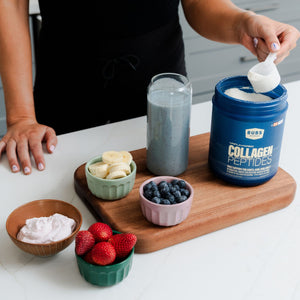
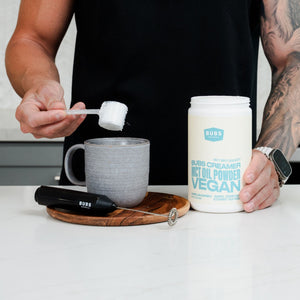
Many people find that starting their day with collagen sets a positive tone for their wellness goals. Our peptides are unflavored and dissolve instantly, making them the perfect addition to your morning coffee. To take your morning routine to the next level, we recommend mixing in our MCT Oil Creamer – 10 oz Tub. The MCTs (medium-chain triglycerides) provide a clean source of mental energy and sustained focus, while the collagen supports your physical structure. It’s a powerful "one-two punch" for a productive morning.
If you prefer a late-day ritual, collagen can also be mixed into a smoothie, a bowl of oatmeal, or even a glass of water before bed. For those who are constantly on the move, our Collagen Peptides also come in convenient travel packs, so you never have to miss a day, whether you're in a hotel room or at a trailhead.
Another vital aspect of your routine should be hydration. Proper hydration ensures that the nutrients you consume are efficiently transported through your bloodstream to your cells. During or after a workout, try pairing your collagen with our Hydrate or Die – Lemon electrolyte drink. This helps replenish the minerals lost through sweat and supports the fluid balance necessary for joint health and skin plumpness. Wellness is a puzzle, and each of these habits is a piece that helps complete the picture.
The Role of Collagen in Joint and Bone Health
While the beauty industry has highlighted collagen for its ability to support skin and hair, its role in joint and bone health is perhaps its most significant contribution to long-term mobility. For anyone who lives an active lifestyle, the health of your connective tissues determines your longevity in your sport or hobby.
As we discussed earlier, cartilage is heavily dependent on collagen. When cartilage wears down, the results are discomfort and decreased range of motion. Studies have suggested that hydrolyzed collagen can accumulate in cartilage and stimulate the production of new collagen by the chondrocytes (the cells in your cartilage). This doesn't just mask the issue; it supports the body’s natural maintenance processes.
Furthermore, bones are not just made of calcium. They are actually a composite material, where calcium crystals are embedded in a matrix of collagen fibers. The collagen provides the flexibility that prevents bones from being too brittle and breaking under impact. This is why maintaining collagen levels is just as important as monitoring your mineral intake as you age.
By making our Collagen Peptides a staple in your diet, you are investing in your skeletal and articular health. It’s about being able to play with your grandkids, run that extra mile, or finish that DIY project without feeling sidelined by physical limitations. We want our community to be "Built to Last," and a strong internal framework is the only way to achieve that.
Collagen and Digestive Wellness: The Gut Connection
The "gut health" conversation has exploded in recent years, and for good reason. Your digestive tract is the gateway to your overall health, influencing everything from your immune system to your mood. What many people don't realize is how important collagen is for your body’s digestive lining.
The lining of your intestines is made up of a single layer of cells held together by "tight junctions." When these junctions become weak, it can lead to increased intestinal permeability—sometimes referred to as a "leaky" gut. Because Type III collagen is a major structural component of the intestinal wall, providing the body with the amino acids found in collagen can support the integrity and maintenance of this delicate barrier.
Specifically, the amino acid glycine, which is found in high concentrations in our Collagen Peptides, has been shown to have protective effects on the gastric mucosa. It helps soothe the digestive tract and supports the body’s natural inflammatory response. Many of our customers report feeling "lighter" and more "in tune" with their digestion after consistent collagen use.
To further support your digestive journey, you might consider adding Apple Cider Vinegar Gummies to your daily routine. These gummies include "the Mother," providing a convenient way to support digestive wellness alongside your collagen intake. When your gut is functioning optimally, you absorb more of the nutrients from your food and your other supplements, creating a virtuous cycle of health.
The Bigger Picture: Health for a Cause
Everything we do at BUBS Naturals circles back to the idea of being better. Better products, better health, and a better world. We didn't just want to create another supplement company; we wanted to create a community that lives by the values Glen Doherty embodied. Glen was known for his energy, his laugh, and his willingness to help anyone in need.
Our commitment to the 10% rule is our way of keeping that spirit alive. Every time you restock your Collagen Peptides, you are directly supporting the Glen Doherty Memorial Foundation, which provides scholarships and support to current and former special operations professionals and their families as they transition to civilian life.
This sense of purpose makes the "how important is collagen for your body" question even more meaningful. When you take care of yourself, you are in a better position to take care of others. Wellness is not a selfish pursuit; it is the fuel that allows us to show up for our families, our teammates, and our communities. By prioritizing clean, high-quality ingredients like those in our Collagen Peptides Collection, you are choosing to fuel your body with the best, while also contributing to a cause that matters.
Conclusion
The importance of collagen for your body cannot be overstated. It is the structural foundation of your skin, joints, bones, and gut. While the natural decline of this vital protein is an inevitable part of aging, we have more power than ever to support our bodies through science-backed nutrition and mindful lifestyle choices. By understanding the roles of Type I and Type III collagen, ensuring we have the necessary cofactors like Vitamin C, and avoiding environmental factors that accelerate collagen breakdown, we can maintain our vitality well into our later years.
At BUBS Naturals, we are proud to provide a product that meets the highest standards of purity and efficacy. Our Collagen Peptides are designed to fit seamlessly into your life, whether you’re mixing them into your morning coffee with MCT Oil Creamer – 10 oz Tub or using them to recover after a grueling workout fueled by Hydrate or Die – Lemon.
We invite you to experience the BUBS difference for yourself. Take the first step toward a more resilient, adventure-ready version of yourself by exploring our Collagen Peptides Collection. Remember, every scoop is a commitment to your own wellness and a tribute to a legacy of service. Let’s keep moving forward, together.
FAQ
1. How long does it take to see results from taking collagen peptides?
While everyone’s body is different, consistency is the key to seeing results. Most people begin to notice benefits such as improved skin hydration or smoother-feeling joints after 4 to 8 weeks of daily use. For deeper structural support, such as bone density or long-term joint health, we recommend making Collagen Peptides a permanent part of your wellness routine.
2. Is it better to take collagen on an empty stomach?
There is no significant scientific evidence suggesting that collagen must be taken on an empty stomach for absorption. Because BUBS Collagen Peptides are hydrolyzed, they are broken down into small peptides that are easily absorbed regardless of when you take them. Many of our customers find it easiest to mix them into their morning coffee or a meal to ensure they never forget their daily serving.
3. Can I take collagen if I am already taking other protein supplements?
Absolutely. Collagen has a unique amino acid profile (high in glycine, proline, and hydroxyproline) that is different from whey or plant-based proteins, which are typically used for muscle building. Collagen is specifically focused on connective tissue and structural health. Many athletes use both, taking our Collagen Peptides for joint support and other proteins for muscle repair.
4. Why does BUBS Naturals prioritize NSF for Sport certification?
We believe in total transparency and safety. The NSF for Sport certification ensures that our Collagen Peptides have been rigorously tested to be free from contaminants and banned substances. This gives our customers—from professional athletes to everyday wellness seekers—the peace of mind that they are putting only the cleanest, highest-quality ingredients into their bodies.