Table of Contents
- Introduction
- The Structural Foundation: What Is Collagen?
- The Biological Mechanics of How Collagen Works in Our Body
- The Role of Essential Cofactors
- Collagen Synthesis and the Aging Process
- Deep Dive: Collagen and Joint Health
- Collagen’s Impact on Skin, Hair, and Nails
- Digestion and the Gut-Collagen Connection
- Bioavailability and the Importance of Hydrolysis
- Integrating Collagen into Your Daily Rituals
- Recovery and Performance: The Active Edge
- The BUBS Naturals Commitment: Clean and Purposeful
- Common Myths About Collagen
- The Synergy of a Holistic Routine
- Why Quality Sourcing Matters
- Conclusion: Take Action for Your Future Self
- FAQ
Introduction
Did you know that collagen accounts for roughly one-third of the total protein in your body? It is the biological "glue" that holds everything together, providing the structural scaffolding for our skin, bones, muscles, tendons, and ligaments. Despite its ubiquity, many of us only think of collagen in the context of beauty products or trendy supplements. In reality, the way collagen functions within our biological systems is a complex, fascinating process that underpins our ability to move, recover, and thrive in an active lifestyle. At BUBS Naturals, we are driven by the legacy of Glen “BUB” Doherty—a man who lived for adventure and peak performance. Understanding how collagen works in our body is central to that mission of self-improvement and physical readiness.
The history of collagen research spans decades, evolving from a basic understanding of connective tissue to the sophisticated science of bioactive peptides we see today. We now know that collagen isn't just a passive building block; it’s a dynamic protein involved in cellular signaling and tissue regeneration. As we age, or as we push our bodies through rigorous training, our natural collagen production begins to decline. This shift can impact everything from joint comfort to skin elasticity, making it essential to understand how we can support our body’s internal machinery.
In this guide, we will explore the deep biological mechanics of collagen, from the amino acids that form its unique triple-helix structure to the way our bodies absorb and utilize supplemental peptides. We’ll look at the different types of collagen, the role of cofactors like Vitamin C, and how lifestyle factors influence your "collagen bank." Our goal is to provide you with a comprehensive understanding of this vital protein so you can make informed decisions about your wellness routine. By the end of this article, you will see why we believe that high-quality Collagen Peptides are a fundamental tool for anyone looking to live a life of purpose and adventure.
The Structural Foundation: What Is Collagen?
To understand how collagen works, we must first look at what it actually is. Collagen is a hard, insoluble, and fibrous protein that makes up a significant portion of the extracellular matrix—the "neighborhood" that surrounds our cells. Unlike many other proteins that might function as enzymes or hormones, collagen’s primary role is structural. It provides tensile strength, which is the ability of a material to resist being pulled apart.
The secret to collagen's strength lies in its molecular architecture. It is composed of three polypeptide chains wrapped around each other in a tight triple helix. This structure is incredibly robust; gram for gram, certain types of collagen fibers are actually stronger than steel. This strength is why collagen is the primary component of our tendons, which must withstand the massive forces generated when our muscles pull on our bones during a sprint or a heavy lift.
There are at least 28 different types of collagen identified in the human body, but the vast majority—about 80% to 90%—consists of Types I, II, and III. Type I is the most abundant, found in skin, bone, teeth, tendons, and ligaments. Type III is often found alongside Type I and is a major component of our hollow organs, like the digestive tract and blood vessels. When we talk about our Collagen Peptides, we focus on providing high-quality Type I and Type III collagen from grass-fed, pasture-raised sources to support these critical areas of the body.
The Biological Mechanics of How Collagen Works in Our Body
The process of how collagen works in our body starts at the cellular level within specialized cells called fibroblasts. These cells are the "engineers" of our connective tissue. To build collagen, fibroblasts require specific raw materials: amino acids. While collagen contains many different amino acids, it is uniquely rich in three: glycine, proline, and hydroxyproline.
Glycine is the smallest amino acid, and its tiny size allows it to fit into the tight center of the collagen triple helix. Proline and hydroxyproline are essential for the stability of that helix. The body doesn't just "eat" collagen and move it to the skin or joints; it breaks down the protein into smaller peptides and individual amino acids. These components then act as building blocks and signaling molecules.
When you consume Collagen Peptides, the body absorbs these short chains of amino acids through the intestinal wall. Once in the bloodstream, these peptides can travel to the areas where they are needed most. Interestingly, the presence of these peptides can "trick" the body into thinking that collagen breakdown is occurring, which triggers the fibroblasts to ramp up their own natural production. This dual action—providing the raw materials and stimulating the production process—is the core of how supplemental collagen supports our physiology.
The Role of Essential Cofactors
For the fibroblasts to successfully weave those amino acids into a strong triple helix, they need more than just protein. They require specific cofactors that act as catalysts for the chemical reactions involved. The most critical of these is Vitamin C. Without adequate Vitamin C, the enzymes responsible for stabilizing the collagen structure cannot function. This is why a deficiency in Vitamin C historically led to scurvy, a disease characterized by the literal falling apart of the body’s connective tissues.
We recognize the synergy between these nutrients, which is why we often recommend pairing your daily scoop of collagen with our Vitamin C supplement. This ensures that your body has the antioxidant support and the necessary cofactors to turn those amino acids into functional, strong collagen fibers.
Other minerals, such as copper and zinc, also play supporting roles in the cross-linking of collagen fibers, which gives the tissue its final strength and resilience. A holistic approach to nutrition, focusing on clean, whole ingredients, ensures that these microscopic processes can happen efficiently every single day.
Collagen Synthesis and the Aging Process
One of the most significant aspects of how collagen works in our body is how that process changes over time. Starting in our mid-20s, our natural collagen production begins a gradual decline, often estimated at about 1% to 1.5% per year. By the time we reach our 40s and 50s, the "collagen bank" may be significantly depleted.
This decline isn't just a matter of chronological age; environmental factors can accelerate the breakdown of existing collagen. Ultraviolet (UV) radiation from the sun, smoking, and high sugar consumption all contribute to a process called glycation, where sugar molecules attach to collagen fibers, making them brittle and prone to breaking.
This is where the Collagen Peptides Collection becomes a vital part of a proactive wellness strategy. We can’t stop time, but we can provide our bodies with a consistent supply of the nutrients needed to support the repair and maintenance of our connective tissues. For those of us living active, adventurous lives, this maintenance is non-negotiable. Whether you’re recovery-focused after a long trail run or looking to maintain joint comfort as you age, supporting your body's collagen synthesis is a key pillar of long-term health.
Deep Dive: Collagen and Joint Health
For the athlete and the adventurer, the role of collagen in joint health is perhaps its most important function. Our joints are cushioned by cartilage, a firm, rubbery tissue that is primarily made of collagen. Cartilage allows our bones to glide over each other without friction, absorbing the shock of every step, jump, and landing.
As we put our bodies through stress—whether it's the repetitive impact of running or the heavy load of weightlifting—the collagen matrix in our cartilage can undergo wear and tear. Because cartilage has a limited blood supply compared to muscle, it can be slower to recover. By providing the body with hydrolyzed Collagen Peptides, we are supporting the body's natural ability to maintain these tissues.
Furthermore, collagen is a major component of the ligaments that hold our joints together and the tendons that connect our muscles to our bones. Strengthening these "soft tissues" is essential for injury prevention. When these structures are resilient, they can better handle the sudden changes in direction or the explosive movements required in sports. To further support these high-performance goals, many in our community also integrate Creatine Monohydrate into their routine to support muscle strength and power, creating a comprehensive approach to physical durability.
Collagen’s Impact on Skin, Hair, and Nails
While we often focus on the performance benefits, how collagen works in our body is also highly visible in our external appearance. Collagen Type I provides the structural framework for the dermis, the deep layer of our skin. It is what gives skin its firmness and "snap-back" quality. When collagen levels are high, the skin remains hydrated and smooth.
As collagen production slows, the skin becomes thinner and less resilient. This can lead to the formation of fine lines and a loss of moisture. Because collagen peptides have been shown to support skin hydration and elasticity, they have become a staple in many people’s morning routines.
Similarly, collagen provides the amino acids necessary to build keratin, the primary protein in our hair and nails. Proline, which is abundant in collagen, is a major component of keratin. By supporting the foundation, we are helping the body produce stronger, more resilient hair and nails. It’s not about "fixing" an external problem with a topical cream; it’s about nourishing the body from the inside out. We believe in beauty through wellness—the idea that when your body functions optimally on the inside, it shows on the outside.
Digestion and the Gut-Collagen Connection
A less discussed but equally important aspect of how collagen works in our body is its role in digestive health. The lining of our digestive tract is made up of a single layer of cells held together by a framework of connective tissue. This lining acts as a barrier, allowing nutrients to pass through into the bloodstream while keeping out harmful bacteria and undigested food particles.
Collagen, particularly Type III, is a major component of this intestinal lining. The amino acids glycine and glutamine found in collagen are known to support the integrity of the gut barrier. A healthy gut is the foundation of overall wellness, as it affects everything from nutrient absorption to immune function.
To further support digestive wellness, many people find success by combining their collagen intake with our Apple Cider Vinegar Gummies. These gummies provide the benefits of "the Mother" in a convenient form, supporting a healthy digestive environment that allows your body to better process all the high-quality nutrients you're feeding it.
Bioavailability and the Importance of Hydrolysis
Not all collagen is created equal. If you were to eat a piece of tough gristle from a steak, your body would struggle to break down those tightly wound collagen fibers. This is where the science of hydrolysis comes in. Hydrolysis is a process that uses enzymes to break down the long collagen chains into much smaller pieces called peptides.
These peptides have a very low molecular weight, making them highly bioavailable. This means they can be easily absorbed through the intestinal wall and enter the bloodstream quickly. When we talk about our Collagen Peptides, we are talking about a product that has been specifically processed to ensure maximum absorption and ease of use.
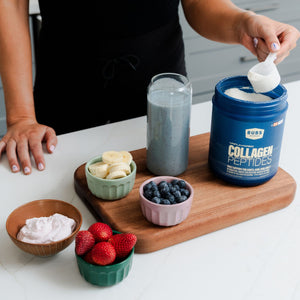
Bioavailability also refers to how well a supplement integrates into your life. Our collagen is unflavored and dissolves instantly in both hot and cold liquids. This "mix-ability" is a hallmark of our no-BS approach to supplements. We want you to spend less time worrying about clumps in your shaker and more time focused on your training or your next adventure. Whether it’s stirred into coffee or blended into a post-workout shake, the goal is simple, effective nutrition.
Integrating Collagen into Your Daily Rituals
Understanding how collagen works in our body is one thing; making it a part of your daily life is another. Consistency is the most important factor when it comes to seeing the benefits of any supplement. Because collagen works through a process of gradual accumulation and cellular signaling, missing days can slow down your progress.
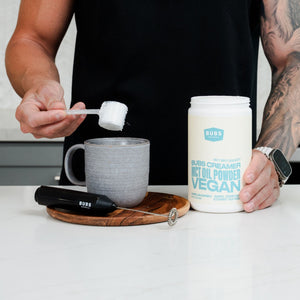
A great way to ensure consistency is to attach your collagen habit to an existing ritual. For many of us, that's the morning cup of coffee. By adding a scoop of Collagen Peptides and a serving of our MCT Oil Creamer, you’re not just getting a caffeine kick. You’re providing your body with structural proteins for your joints and skin, along with healthy fats from coconut oil to support sustained mental clarity and energy throughout the morning.
For those who prefer a savory option, collagen can easily be added to soups, stews, or even oatmeal. Because it is heat-stable, the cooking process won't damage the peptides. The key is to find a method that feels effortless. When wellness fits seamlessly into your lifestyle, it stops being a chore and starts being a foundational part of who you are.
Recovery and Performance: The Active Edge
For those of us who push our limits, recovery is where the magic happens. Training is the stimulus, but recovery is when the body actually gets stronger. How collagen works in our body during this phase is critical. After a strenuous workout, your body is in a state of repair. It needs the right materials to rebuild the microscopic tears in your muscles and the stress placed on your connective tissues.
While collagen is not a complete protein (it lacks the essential amino acid tryptophan), its unique amino acid profile makes it a perfect partner for traditional protein sources. It provides the specific "glue" that muscles need to integrate with tendons and bones. This is why we see so many elite athletes using the Collagen Peptides Collection as part of their post-workout protocol.
Don't forget that hydration is also a key component of recovery. Collagen itself helps the skin and joints stay hydrated, but you need to maintain your electrolyte balance to ensure all cellular processes run smoothly. Pairing your collagen intake with Hydrate or Die - Lemon ensures that you are replacing the minerals lost through sweat, supporting muscle function and preventing the fatigue that can derail your next session.
The BUBS Naturals Commitment: Clean and Purposeful
We didn't start BUBS Naturals just to be another supplement company. We started it to honor our friend Glen “BUB” Doherty and the values he lived by: adventure, excellence, and helping others. This commitment to excellence is why we ensure our Collagen Peptides are NSF for Sport certified. This is the gold standard in the industry, ensuring that what is on the label is in the tub and that the product is free from banned substances.
Our "10% Rule" is another core part of our mission. We donate 10% of all our profits to veteran-focused charities, specifically the Glen Doherty Memorial Foundation. When you choose to support your own wellness with our products, you are also supporting the legacies of those who have served. We believe that doing good and feeling good go hand-in-hand.
We maintain a strict no-BS policy with our ingredients. You won't find artificial sweeteners, fillers, or mysterious additives in our products. We believe in simple, effective ingredients that are backed by science and proven by the way they make you feel. This transparency is at the heart of everything we do, from our sourcing to our third-party testing.
Common Myths About Collagen
As collagen has grown in popularity, so have several misconceptions about how it works. One common myth is that all collagen is the same. As we’ve discussed, the source, the type, and the process of hydrolysis all matter significantly. Grass-fed, pasture-raised collagen ensures a cleaner product without the risk of hormones or antibiotics often found in factory-farmed sources.
Another myth is that your body can't absorb collagen and simply breaks it down into basic amino acids like any other protein. While it’s true that the body breaks it down, research has shown that a significant portion of collagen is absorbed as bioactive peptides. These peptides are small enough to enter the bloodstream intact and act as signaling molecules, which is a unique property not shared by most other protein sources.
Finally, some believe that collagen is only for women or only for people interested in "anti-aging." In reality, collagen is a fundamental human requirement. Anyone who has joints, skin, and bones—which is everyone—can benefit from supporting their body's collagen levels. Whether you’re a 25-year-old mountain biker or a 65-year-old grandmother, the biological mechanisms of how collagen works in our body remain the same.
The Synergy of a Holistic Routine
While collagen is a powerhouse, it works best when part of a broader, intentional wellness routine. Think of your body as a high-performance machine; you wouldn't just change the oil and ignore the rest of the engine. Supporting your collagen levels is one part of a system that includes proper sleep, movement, and a variety of nutrient-dense foods.
For many in the BUBS community, this holistic approach means starting the day with mental clarity and physical support. Mixing Butter MCT Oil Creamer into a morning brew provides those satiating fats that keep you fueled for hours. Adding collagen to that same cup sets the foundation for joint and skin health.
Throughout the day, staying hydrated with our Hydration Collection ensures that your cells have the environment they need to function. Water is the medium through which all these biological processes occur, and electrolytes are the spark that keeps the system running. When you combine these elements—clean protein, healthy fats, and proper hydration—you are giving your body the best possible chance to perform at its peak.
Why Quality Sourcing Matters
The effectiveness of how collagen works in our body is directly tied to the quality of the raw material. At BUBS Naturals, we source our collagen from grass-fed, pasture-raised cattle in South America. This is important because the health of the animal determines the quality of the collagen. Cattle that spend their lives grazing on open pastures produce a superior amino acid profile compared to those raised in confined feeding operations.
Furthermore, we are committed to sustainability and ethical practices. We believe that a product intended to promote wellness should be good for the planet and the animals involved. This "clean" approach extends to our manufacturing processes here in the USA, where we adhere to strict quality control standards.
When you see the BUBS name, you know that the product has been vetted for purity and potency. We don't cut corners because we know that our community relies on these products to fuel their biggest adventures. Whether you're reaching for our Collagen Peptides or a MCT Oil Creamer - 14 ct Travel Pack for your next trip, you can trust that you're getting the very best.
Conclusion: Take Action for Your Future Self
Understanding how collagen works in our body reveals just how essential this protein is to our overall vitality. It is the silent partner in every movement we make, the secret to the resilience of our skin, and the foundation of our digestive health. While our natural production may slow down, our ability to support our body through high-quality nutrition never wavers. By providing the essential building blocks and cofactors, we can help maintain the structural integrity that allows us to live life to the fullest.
We’ve explored the science of the triple helix, the importance of hydrolysis for absorption, and the critical role of cofactors like Vitamin C. We've seen how collagen supports not just our appearance, but our physical performance and recovery. Most importantly, we’ve highlighted that wellness is a daily practice—a commitment to giving your body what it needs to thrive in whatever adventure you choose to pursue.
As you look toward your next goal, whether it’s a marathon, a weekend hike, or simply maintaining your health as you age, consider the role that collagen plays in your journey. We invite you to experience the BUBS difference for yourself. Our Collagen Peptides are designed to be the easiest, most effective addition to your routine. Start today, stay consistent, and feel the difference that high-quality, science-backed nutrition can make. Your future self will thank you.
FAQ
How long does it take to see results from taking collagen?
Because of the way collagen works in our body—primarily through the slow process of tissue repair and cellular signaling—results are typically not overnight. Most people begin to notice improvements in skin hydration and joint comfort within 4 to 8 weeks of consistent daily use. For hair and nail support, it may take 3 to 6 months, as these tissues grow at a slower rate. Consistency is key; we recommend making our Collagen Peptides a non-negotiable part of your morning ritual to see the best long-term results.
Can I take collagen if I am already taking a protein powder?
Absolutely! In fact, they work quite well together. Traditional protein powders, like whey or plant-based options, are excellent for providing a full spectrum of essential amino acids for muscle building. However, collagen provides a unique and concentrated source of glycine, proline, and hydroxyproline, which are not found in high amounts in other proteins. These specific amino acids are essential for connective tissue support. You can even mix a scoop of Collagen Peptides directly into your post-workout shake for a comprehensive recovery boost.
Does heat damage collagen if I put it in hot coffee?
One of the great things about collagen peptides is their thermal stability. The hydrolysis process already breaks the collagen down into smaller, stable peptides that can withstand the temperatures of hot coffee, tea, or even baked goods. You can stir our collagen into your morning brew or add it to a simmering soup without worrying about losing any of its nutritional value. For a truly upgraded morning experience, try mixing it with our MCT Oil Creamer for both structural and cognitive support.
Is collagen only beneficial for older adults?
While it’s true that natural collagen production declines with age, supporting your "collagen bank" is beneficial at any stage of life, especially for active individuals. Younger athletes can use collagen to support the resilience of their tendons and ligaments, which are under constant stress during training. By being proactive, you are supporting your body’s long-term durability. Whether you’re 20 or 70, the way Collagen Peptides support the body's natural functions makes them a valuable tool for anyone committed to a life of wellness and adventure.