Table of Contents
- Introduction
- The Biological Blueprint: How Collagen Is Made
- Why Collagen Levels Decline: The Thieves of Vitality
- Nutritional Foundations: Feeding Your Body’s Collagen Factory
- Essential Cofactors: The Role of Vitamin C and Minerals
- Lifestyle Factors That Protect Your Existing Collagen
- The Science of Supplementation: Why Hydrolyzed Collagen?
- Maximizing Results with a Holistic Wellness Routine
- The BUBS Naturals Commitment: Quality and Legacy
- The Connection Between Collagen and Joint Longevity
- Simple Habits for Long-Term Success
- Conclusion
- FAQ
Introduction
Did you know that collagen makes up approximately 30% of the total protein in your body and a staggering 70% of the protein found in your skin? It is the biological "glue" that holds everything together, providing structure to your bones, elasticity to your skin, and resilience to your joints and connective tissues. However, starting as early as our mid-twenties, our body’s natural ability to produce this vital protein begins a slow but steady decline. This shift is often felt before it is seen—perhaps as a lingering stiffness after a morning run or a slower recovery time after a weekend adventure.
We believe that maintaining a vibrant, active lifestyle requires more than just grit; it requires fueling your body with the right building blocks. The question of how to increase collagen production is not just about aesthetics—though healthy hair, skin, and nails are a welcome benefit—it is about supporting the functional integrity of your body so you can keep doing what you love. Whether you are scaling a mountain, hitting a new personal record in the gym, or simply chasing your kids around the backyard, your collagen levels play a silent but foundational role in your performance.
In this guide, we will explore the science of collagen synthesis and provide actionable strategies to support your body’s natural production through nutrition, lifestyle choices, and high-quality supplementation. We will dive into the specific nutrients that act as cofactors in the collagen-building process, the external factors you should avoid to protect your existing collagen, and how to choose supplements that actually work. By the end of this article, you will have a comprehensive roadmap for maintaining your "internal scaffolding." Our mission at BUBS Naturals is to provide you with the cleanest, most effective tools to fuel your life of adventure, all while honoring the legacy of Glen “BUB” Doherty by giving back to those who serve.
The Biological Blueprint: How Collagen Is Made
To understand how to increase collagen production, we first have to look at the "factory" inside our cells. Collagen isn't something you simply "absorb" whole from a steak or a piece of salmon; rather, your body breaks down dietary proteins into amino acids and then reassembles them into collagen fibers. This process primarily happens within specialized cells called fibroblasts, which are located in your connective tissues.
The production of collagen is a complex, multi-step metabolic pathway. It begins with the creation of procollagen, a precursor molecule. Fibroblasts combine amino acids—specifically glycine, proline, and hydroxyproline—along with Vitamin C to form these procollagen strands. These strands then undergo further enzymatic reactions to wind together into a triple helix. These helices are then bundled into fibrils, which eventually form the strong, rope-like fibers that give your skin its bounce and your tendons their tensile strength.
Because this process is so nutrient-dependent, any deficiency in the necessary raw materials can lead to a bottleneck in production. This is why a "no-BS" approach to nutrition is so critical. If you aren't providing the fibroblasts with the specific amino acids and cofactors they need, the factory slows down. This is where high-quality Collagen Peptides come into play, providing a highly bioavailable source of the exact amino acids your body requires to keep the assembly line moving.
Why Collagen Levels Decline: The Thieves of Vitality
While age is the most common reason for a dip in collagen levels, it isn't the only factor. Understanding what degrades collagen is just as important as knowing how to build it. Think of it like a bank account: you want to maximize your deposits while minimizing your withdrawals.
One of the primary "thieves" of collagen is ultraviolet (UV) radiation. Excessive sun exposure triggers the breakdown of collagen fibers through a process called photoaging. This occurs because UV rays stimulate enzymes called matrix metalloproteinases (MMPs), which essentially chew up the collagen matrix in the skin. Similarly, smoking and environmental pollutants introduce oxidative stress into the body, creating free radicals that damage the fibroblasts and the collagen they produce.
Diet also plays a major role in collagen degradation. High sugar consumption leads to a process called glycation, where sugar molecules attach to proteins in the blood, forming harmful new molecules called Advanced Glycation End-products (AGEs). These AGEs make collagen fibers brittle and weak, losing their ability to stretch and recover. To protect your internal structure, it’s vital to support your metabolic health. Incorporating Apple Cider Vinegar Gummies into your daily routine is one simple way to support general wellness and digestive health, which sets a better foundation for overall nutrient absorption.
Nutritional Foundations: Feeding Your Body’s Collagen Factory
If you want to support your body's natural collagen synthesis, your kitchen is the first place to start. A diet rich in high-quality proteins is non-negotiable. When you consume protein, your body breaks it down into individual amino acids. To specifically target collagen production, you want to focus on foods that are high in glycine, proline, and hydroxyproline.
Bone broth is a traditional favorite because it is made by simmering animal bones and connective tissue, which naturally releases collagen into the liquid. Egg whites are another excellent source, as they are particularly high in proline. For those who prefer plant-based support, while plants don't contain collagen themselves, they provide the necessary precursors. Soy products, beans, and legumes offer a robust amino acid profile that your body can use to synthesize its own protein.
However, even the best diet can sometimes leave gaps, especially for those of us with high-performance demands or busy schedules. This is why many people look to the Collagen Peptides Collection to ensure they are getting a concentrated, easy-to-digest source of these specific amino acids every single day. By supplementing with grass-fed, pasture-raised hydrolyzed collagen, you are giving your body the "short-cut" building blocks it needs without the hours of prep time required for traditional bone broths.
Essential Cofactors: The Role of Vitamin C and Minerals
You can have all the amino acids in the world, but without the right cofactors, collagen synthesis will stall. Think of amino acids as the bricks and Vitamin C as the mortar. Vitamin C is a mandatory requirement for the enzymes that stabilize the collagen triple helix. Without it, the body simply cannot produce functional collagen. This is why Vitamin C deficiency famously led to scurvy in sailors of the past; their bodies literally began to fall apart because they couldn't maintain their connective tissues.
In addition to Vitamin C, minerals like zinc and copper play supporting roles. Copper activates an enzyme called lysyl oxidase, which is required for the cross-linking of collagen fibers, giving them their strength and durability. Zinc is a key player in cell division and protein synthesis, ensuring that the fibroblasts can do their job effectively.
To ensure you are covering these bases, consider adding a targeted Vitamin C supplement to your regimen. Our Vitamin C includes citrus bioflavonoids to support antioxidant activity and collagen formation, making it a perfect partner to your daily collagen scoop. When you pair these together, you are creating a synergistic environment that maximizes your body's ability to repair and maintain its structural integrity.
Lifestyle Factors That Protect Your Existing Collagen
While nutrition is the fuel, your lifestyle is the environment in which your body operates. To truly increase the effectiveness of your collagen-building efforts, you must prioritize recovery and protection.
Sleep is perhaps the most underrated tool in your wellness arsenal. During deep sleep, the body enters an anabolic state, where tissue repair and protein synthesis are at their peak. Growth hormone is released, which stimulates fibroblasts to produce more collagen. If you are chronically sleep-deprived, you are essentially asking your body to rebuild itself while the "power" is off.
Hydration is another critical factor. Collagen fibers are surrounded by a water-rich matrix. When you are dehydrated, these fibers can become less resilient and more prone to damage. For those of us who are constantly on the move, maintaining electrolyte balance is key. Using a performance-focused hydration tool like Hydrate or Die ensures that your cells have the water and minerals they need to keep your tissues supple and functional. Whether you’re on a long trail run or just navigating a busy workday, staying hydrated supports the very environment your collagen lives in.
The Science of Supplementation: Why Hydrolyzed Collagen?
When looking at how to increase collagen through supplements, the form of the collagen matters immensely. If you eat a piece of cartilage, your body has a very hard time breaking it down into usable parts. This is where the process of hydrolysis comes in. Hydrolyzed collagen—also known as collagen peptides—is collagen that has been broken down into very small chains of amino acids through an enzymatic process.
Because these peptides are so small, they are highly bioavailable. This means they pass through the digestive wall easily and enter the bloodstream, where they can be transported to the tissues that need them most. Research suggests that these peptides not only serve as building blocks but also act as signaling molecules. They "trick" the body into thinking there is a breakdown of collagen, which in turn triggers the fibroblasts to ramp up their own natural production.
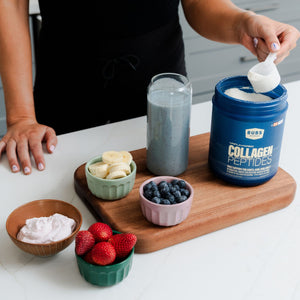
At BUBS Naturals, we take this science seriously. Our Collagen Peptides are unflavored, mix effortlessly into any liquid, and are NSF for Sport certified. This certification is crucial for athletes and health-conscious individuals alike, as it ensures the product is free from banned substances and that what is on the label is exactly what is in the tub. It’s a clean, no-BS way to support your joints, skin, and recovery without any hidden fillers or artificial junk.
Maximizing Results with a Holistic Wellness Routine
To see the best results, collagen support should be integrated into a broader wellness strategy. It isn't a "magic pill," but rather a foundational element of a healthy life. A "day in the life" of a BUBS-fueled adventurer might look something like this:
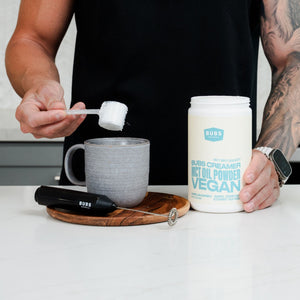
Morning starts with a cup of coffee boosted with our MCT Oil Creamer. The healthy fats from the coconut-based MCTs provide sustained mental clarity and energy, setting the tone for a productive day. We often mix a scoop of collagen right into that same cup—since our peptides are heat-stable and tasteless, it’s the easiest way to start the day with a protein win.
Midday might involve a training session or a vigorous outdoor activity. To support strength and power during the workout, many of us turn to Creatine Monohydrate. While creatine is famous for muscle performance, it works alongside collagen to support the overall functional capacity of your musculoskeletal system. Post-workout, a refreshing glass of water with Hydrate or Die – Lemon helps replace the electrolytes lost through sweat, ensuring that the recovery process begins immediately.
In the evening, winding down with a balanced meal and perhaps a couple of Apple Cider Vinegar Gummies helps maintain digestive wellness, ensuring that all the high-quality nutrients you’ve consumed throughout the day are properly processed. By creating these small, consistent habits, you are providing your body with a constant stream of the support it needs to maintain its collagen levels.
The BUBS Naturals Commitment: Quality and Legacy
When you choose a product to help you increase collagen production, you are trusting that brand with your health. We don’t take that trust lightly. BUBS Naturals was founded to honor the memory of Glen “BUB” Doherty, a Navy SEAL, adventurer, and a man who lived his life to the fullest. Glen was the kind of person who was always ready for the next challenge, and we believe his legacy deserves products that are as tough and reliable as he was.
Our commitment to quality is reflected in our rigorous third-party testing. We don't just say our products are clean; we prove it. By choosing BUBS, you are choosing a brand that values transparency and simplicity. We use only the highest-quality ingredients, like grass-fed, pasture-raised collagen, and we leave out the "BS" like gluten, soy, and dairy.
Furthermore, your purchase carries a deeper purpose. We follow the 10% Rule: 10% of all our profits are donated to veteran-focused charities, including the Glen Doherty Memorial Foundation. This foundation helps transitioning veterans and their families through education and specialized training. When you fuel your wellness journey with our Collagen Peptides, you are not just supporting your own body—you are contributing to a legacy of service and adventure.
The Connection Between Collagen and Joint Longevity
While many people focus on the visible benefits of collagen for skin, for the adventurer, the real value often lies in the joints. Your cartilage, tendons, and ligaments are almost entirely made of collagen. These tissues are "hypovascular," meaning they don't have a huge blood supply compared to muscles. This is why joint injuries often take so much longer to heal.
By providing a consistent supply of hydrolyzed collagen, you are essentially "feeding" these slow-to-repair tissues. Think of your joints like the suspension system on a mountain bike. Over time, the shocks and bumps of a rugged trail can wear down the components. Regular maintenance—in the form of movement, proper hydration, and targeted nutrition—keeps the suspension smooth and responsive.
If you are a runner, a climber, or someone who spends a lot of time on their feet, the mechanical stress on your joints is significant. Supporting those joints with a daily scoop from our Collagen Peptides Collection can help maintain the integrity of that suspension system. It’s about longevity—ensuring that your body can handle the adventures you have planned for ten, twenty, or thirty years from now.
Simple Habits for Long-Term Success
Increasing collagen production isn't about a one-time "cleanse" or a week-long fad; it's about the small things you do every day. Consistency is the secret ingredient. Your body is constantly in a state of turnover, breaking down old proteins and building new ones. By making collagen part of your daily ritual, you ensure that there is always a surplus of raw materials available for repair.
One of the easiest ways to remain consistent is to make the process as simple as possible. This is why we designed our products to mix effortlessly. Whether you use the MCT Oil Creamer – 14 ct Travel Pack for your morning coffee on the road or keep a tub of collagen on your kitchen counter, the goal is to remove the friction from your wellness routine.
We also suggest pairing your supplement with a habit you already have. For example, take your Vitamin C at the same time you take your morning collagen. Or, use your post-workout hydration as the time to take your Apple Cider Vinegar Gummies. When these actions become automatic, you no longer have to rely on willpower to support your body's production—it just becomes part of who you are and how you live.
Conclusion
Understanding how to increase collagen production in your body is a powerful step toward taking ownership of your health and your future adventures. By focusing on the "Three Pillars"—supplying the right building blocks, providing the necessary cofactors, and protecting your existing collagen from environmental stressors—you can support your body’s natural ability to maintain its structural integrity.
We’ve explored how amino acids like glycine and proline form the foundation, how Vitamin C acts as the essential mortar for synthesis, and how lifestyle factors like hydration with Hydrate or Die and proper sleep create the ideal environment for tissue repair. We also highlighted the unique role of hydrolyzed Collagen Peptides as a bioavailable, clean, and effective way to ensure your body never runs out of the materials it needs.
At BUBS Naturals, we are here to support you every step of the way. Our mission is to provide you with the highest-quality tools to fuel your active life, all while honoring a legacy of bravery and giving back. Your wellness journey is an adventure, and like any great adventure, it requires the right preparation. By choosing clean, science-backed supplements and committing to a holistic lifestyle, you are setting yourself up for years of strength, resilience, and vitality.
Ready to start building a stronger foundation? Explore the Collagen Peptides Collection today and feel the BUBS difference for yourself. One scoop, a lifetime of adventure.
FAQ
What is the best time of day to take collagen for maximum absorption?
While you can take collagen at any time, many people find that taking it in the morning on an empty stomach or with their morning coffee helps them stay consistent. Because our Collagen Peptides are hydrolyzed, they are highly bioavailable and easily absorbed regardless of when you take them. Some athletes also prefer taking it about 30-60 minutes before a workout to ensure the amino acids are circulating in the bloodstream during mechanical loading of the joints.
Can I get enough collagen from my diet alone without supplements?
It is possible to support collagen through diet by consuming plenty of bone broth, organ meats, and skin-on fish. However, the modern Western diet often lacks these collagen-rich sources. Supplementing with the Collagen Peptides Collection provides a concentrated and convenient dose of the specific amino acids (glycine, proline, and hydroxyproline) that are hardest to find in standard lean muscle meats, ensuring your "internal scaffolding" has everything it needs.
How long does it take to see or feel the results of increased collagen production?
Collagen turnover is a slow process. While some people notice improvements in hydration and skin "glow" within a few weeks, joint and connective tissue support typically takes longer—often three to six months of consistent daily use. It’s important to remember that collagen works from the inside out, so staying consistent with your Collagen Peptides and supporting it with Vitamin C is key to long-term success.
Is there a difference between the different types of collagen?
Yes, there are at least 16 different types of collagen, but the vast majority of the collagen in your body is Type I, II, or III. Type I is the most abundant and is found in skin, tendons, and bone. Type III is often found alongside Type I and supports the structure of muscles and organs. Our Collagen Peptides are composed of Type I and Type III, providing comprehensive support for your skin, hair, nails, joints, and overall recovery.