




Table of Contents
- Introduction
- The Science Behind Collagen Supplementation
- Factors Influencing Collagen Production
- BUBS Naturals and Collagen
- Conclusion
Introduction
With the increasing popularity of wellness trends, we often find ourselves bombarded with claims about miraculous health benefits from various supplements. Among these, collagen has emerged as a buzzword in beauty and wellness circles, with promises of youthful skin, strong nails, and healthy joints. But amidst the hype, many of us are left wondering: does taking collagen work?
Recent studies indicate that collagen may play a significant role in our body’s structure and function, but the evidence surrounding its supplementation is still evolving. As we delve into the world of collagen, we will explore its role in our bodies, the science behind its supplementation, and whether it truly lives up to the marketing claims. By the end of this blog post, we aim to provide you with a comprehensive understanding of collagen, its potential benefits, and how it fits into an active lifestyle.
At BUBS Naturals, we pride ourselves on providing clean, functional, science-backed supplements inspired by the legacy of Glen “BUB” Doherty. As we navigate through the topic of collagen, we will also highlight how our offerings align with our mission of promoting wellness and adventure.
What is Collagen?
Collagen is the most abundant protein in our bodies, accounting for about 30% of total protein content. It serves as a building block for various tissues, including skin, muscles, tendons, ligaments, and cartilage. Think of collagen as the scaffolding that supports our bodily structures and maintains their integrity.
The collagen structure is mainly composed of amino acids, with glycine, proline, and hydroxyproline being the most significant. These amino acids group together to form collagen fibrils, which provide strength and support. However, as we age, our body’s natural collagen production declines, leading to visible signs of aging such as wrinkles, sagging skin, and joint discomfort.
The Science Behind Collagen Supplementation
How Collagen Supplements Work
Collagen supplements are usually derived from animal sources such as bovine, porcine, or marine collagen. They come in various forms, including powders, capsules, and liquids. The key to their effectiveness lies in their composition; most collagen supplements contain hydrolyzed collagen or collagen peptides, which have been broken down into smaller amino acid chains for better absorption.
When we consume collagen supplements, the body digests these peptides, which are then absorbed into the bloodstream and distributed throughout the body. However, it’s crucial to note that the body does not direct these amino acids to specific areas. Instead, they can be used by the body wherever needed, whether for skin, joints, or muscle repair.
Research on Collagen Supplementation
While the popularity of collagen supplements has surged, scientific research is still catching up. Numerous studies have investigated the potential benefits of collagen supplementation, particularly concerning skin health and joint support.
-
Skin Health: Some studies suggest that collagen supplementation may improve skin elasticity, hydration, and overall appearance. A systematic review found that ingesting collagen peptides led to significant improvements in skin elasticity and hydration levels after several weeks of consistent use. However, more extensive long-term studies are needed to confirm these effects.
-
Joint Health: Collagen’s role in supporting joint health is another area of interest. Research has indicated that collagen supplements may help alleviate symptoms of osteoarthritis and improve joint function. In a study involving athletes, collagen supplementation was shown to reduce joint pain during physical activity.
-
Hair and Nails: While anecdotal evidence suggests that collagen can improve hair and nail strength, scientific backing remains limited. A small study reported improvements in nail growth and reduced brittleness after collagen supplementation, but further research is needed.
Are Collagen Supplements Effective?
The effectiveness of collagen supplements can vary based on several factors, including the type of collagen, dosage, and individual health conditions. For those looking to enhance their wellness routine, it’s essential to approach collagen supplementation as a complementary addition to a balanced diet rather than a silver bullet.
At BUBS Naturals, we believe in a holistic approach to wellness. Our premium Collagen Peptides are derived from grass-fed, pasture-raised sources and are rigorously tested for quality and effectiveness. We encourage our community to combine these supplements with a nutrient-rich diet and an active lifestyle to maximize benefits.
Factors Influencing Collagen Production
Age
As we age, collagen production naturally declines, starting as early as the age of 20. This reduction accelerates in women after menopause, with studies indicating that women can lose approximately 30% of their skin collagen within the first five years post-menopause.
Lifestyle Choices
Certain lifestyle factors can further impact collagen levels. These include:
-
Diet: A diet rich in protein, vitamin C, zinc, and copper is crucial for collagen synthesis. Foods such as bone broth, meats, fish, beans, and leafy greens are excellent sources of the nutrients needed for collagen production.
-
Sun Exposure: UV radiation can degrade collagen and elastin fibers in the skin, leading to premature aging. Regular use of sunscreen can help protect against UV damage and preserve skin collagen.
-
Smoking and Alcohol: Both smoking and excessive alcohol consumption can accelerate collagen breakdown, leading to visible signs of aging and other health issues.
Supporting Collagen Naturally
In addition to considering supplements, we can support our body’s natural collagen production through healthy lifestyle choices:
-
Balanced Diet: Incorporate a variety of whole foods rich in vitamins and minerals. Focus on protein sources, fruits, and vegetables to ensure your body gets the essential nutrients for collagen synthesis.
-
Hydration: Staying hydrated helps maintain the moisture levels in your skin, which is essential for collagen health.
-
Regular Exercise: Physical activity not only promotes overall health but also stimulates collagen production, particularly in the muscles and joints.
-
Quality Sleep: Adequate rest is vital for recovery and regeneration, including collagen production. Aim for 7-9 hours of quality sleep each night.
BUBS Naturals and Collagen
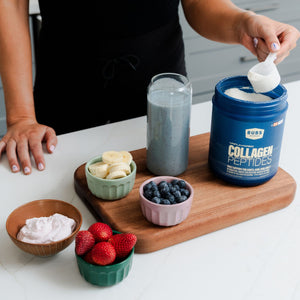
At BUBS Naturals, we are committed to providing clean, high-quality supplements that support active lifestyles. Our Collagen Peptides are designed to be easily incorporated into daily routines, whether mixed into smoothies, coffee, or other beverages. With a focus on simplicity, we offer a product that delivers results without the unnecessary additives.
In line with our mission, we also donate 10% of our profits to veteran-focused charities, ensuring that every purchase contributes to a purpose beyond personal wellness.
Conclusion
So, does taking collagen work? While the science is still developing, there is evidence to suggest that collagen supplementation can have positive effects on skin elasticity, hydration, and joint health. However, individual results may vary, and it is essential to combine supplementation with a balanced diet and healthy lifestyle choices for maximum benefits.
As we continue to explore the potential of collagen, we encourage our community to remain informed and make choices that align with their wellness goals. By understanding the role of collagen in our bodies and incorporating clean, high-quality supplements like our Collagen Peptides, we can take steps toward enhancing our overall well-being.
Frequently Asked Questions (FAQ)
1. What is collagen, and why is it important? Collagen is the most abundant protein in our body, providing structure and support to our skin, muscles, bones, and connective tissues. It plays a crucial role in maintaining skin elasticity and joint health.
2. How does collagen supplementation work? Collagen supplements are typically hydrolyzed, meaning they are broken down into smaller peptides for better absorption. When ingested, these peptides can contribute to the body’s collagen production.
3. What are the potential benefits of taking collagen? Research suggests that collagen supplementation may improve skin hydration and elasticity, support joint health, and potentially strengthen hair and nails.
4. Are there any risks associated with collagen supplements? Collagen supplements are generally considered safe for most people. However, it’s important to consult with a healthcare professional, especially if you have specific medical conditions or are taking other medications.
5. How can I boost my collagen levels naturally? You can support your body’s collagen production by eating a balanced diet rich in protein, vitamin C, and other essential nutrients, staying hydrated, avoiding excessive sun exposure, and maintaining a healthy lifestyle.
6. Where can I find high-quality collagen supplements? Look for collagen supplements that are sourced from grass-fed or pasture-raised animals and are third-party tested for quality. Our Collagen Peptides at BUBS Naturals meet these standards and are designed for easy incorporation into your daily routine.
By understanding collagen and its impact on our bodies, we can make informed decisions that align with our health and wellness goals. Together, let’s embrace our journeys toward optimal health and vitality!
Written by:
Collagen Peptides
Fuel stronger workouts and faster recovery with collagen peptides that support joints, muscles, skin, and overall performance.


