Table of Contents
- Introduction
- How Collagen Interacts With Your Digestive System
- Common Reasons for Diarrhea When Taking Collagen
- The Irony: How Collagen Actually Supports Gut Health
- How to Prevent Digestive Upset
- Comparing Sources: Bovine vs. Marine Collagen
- The Role of MCT Oil and Collagen Together
- When Should You Be Concerned?
- Reading the Supplement Facts: What to Look For
- Adjusting Your Routine for Success
- Why Quality Is the Final Word
- Conclusion
Introduction
You finally decided to add collagen to your daily routine. You’ve heard the talk about better joint mobility, glowing skin, and stronger hair. You mix that first scoop into your morning coffee, feeling good about your wellness goals. But a few hours later, your stomach starts rumbling, and you find yourself racing for the bathroom. Now you’re left wondering if the very supplement meant to help you is actually causing the problem.
It is a frustrating situation, but you are not alone. While most people tolerate collagen well, digestive shifts can happen when you introduce any new supplement. At BUBS Naturals, we believe in transparency and helping you understand exactly how your body interacts with what you put into it. Whether you are experiencing mild bloating or more urgent digestive issues, there is usually a logical explanation—and a simple fix.
In this guide, we will explore why collagen might lead to diarrhea for some, the science behind how your body processes these proteins, and how you can adjust your routine to get the benefits without the bathroom breaks. We want to ensure you have the tools to support your recovery and wellness without the guesswork.
Quick Answer: While rare, collagen powder can cause diarrhea if taken in excessive doses, if it contains certain fillers, or if it is not fully hydrolyzed. Most digestive issues stem from the body adjusting to a new protein source or a reaction to specific additives rather than the collagen itself.
How Collagen Interacts With Your Digestive System
To understand if collagen is causing your digestive distress, we first need to look at what happens when it enters your system. Collagen is a complex structural protein. In its natural state, such as in a piece of tough meat, it is quite difficult to digest. This is why supplements use "hydrolyzed" collagen.
Hydrolyzed means the long chains of amino acids have been broken down into smaller pieces called peptides through a process called hydrolysis. These peptides are much smaller and more "bioavailable," which is a fancy way of saying they are easier for your body to absorb into the bloodstream.
When you ingest high-quality Collagen Peptides, your gut should ideally break them down further into individual amino acids like glycine, proline, and hydroxyproline. However, if the collagen isn't broken down properly, or if your system isn't prepared for the sudden influx of protein, things can go sideways.
The Hydrophilic Nature of Collagen
One reason collagen may cause loose stools is that it is "hydrophilic." This means it naturally attracts water. In your skin, this is a benefit because it helps keep your tissues hydrated and plump. However, inside your digestive tract, if a large amount of undigested protein sits in your intestines, it can draw excess water into the bowel.
When too much water enters the colon, it softens the stool significantly, leading to what we recognize as diarrhea. This is often a sign that the dosage was too high for your body to process at once, or that the specific type of collagen was too "heavy" for your current digestive capacity.
Common Reasons for Diarrhea When Taking Collagen
If you are experiencing issues, it is rarely the collagen molecule itself that is the enemy. Instead, it is usually a matter of "how," "how much," or "what else" is in the container.
1. Excessive Dosage
More is not always better. If you start with two or three scoops a day when your body isn't used to it, your gut may feel overwhelmed. Your digestive enzymes have a limit on how much protein they can process in a single window. When you exceed that limit, the excess protein moves into the large intestine, where bacteria begin to ferment it, or it draws in water, leading to gas, bloating, and diarrhea.
2. Lack of Proper Hydrolysis
Not all collagen powders are created equal. Some cheaper options on the market may not be fully hydrolyzed. If the molecules are too large (measured in Daltons, a unit of molecular weight), they are much harder for your stomach acid and enzymes to dismantle. Large molecules sitting in the gut are a primary trigger for stomach upset.
3. Additives, Fillers, and Artificial Sweeteners
This is perhaps the most common culprit. Many flavored collagen powders use sugar alcohols like erythritol or xylitol to keep the calorie count low while tasting sweet. These sugar alcohols are notorious for causing "osmotic diarrhea" because the body cannot fully digest them, and they pull massive amounts of water into the gut. Other fillers or artificial flavors can also irritate the lining of the stomach in sensitive individuals.
4. Histamine Intolerance
Collagen is naturally high in certain amino acids that can trigger a response in people with histamine intolerance. While this is less common, it can manifest as digestive distress, including diarrhea, shortly after consumption. If you also experience headaches or hives after taking collagen, histamine might be the hidden factor.
Myth: Collagen is just like any other protein powder and causes the same digestive issues.
Fact: Unlike whey protein, which contains lactose that many people struggle to digest, pure hydrolyzed collagen is dairy-free and usually much easier on the stomach, provided it is free of additives.
The Irony: How Collagen Actually Supports Gut Health
It might seem strange to talk about collagen causing diarrhea when it is frequently recommended for "healing the gut." The truth is that for most people, collagen is one of the most soothing supplements for the digestive lining.
Strengthening the Gut Lining
Your intestinal wall is made up of millions of tiny cells held together by "tight junctions." When these junctions weaken, it can lead to increased intestinal permeability, sometimes referred to as leaky gut. Collagen contains high concentrations of the amino acid glutamine, which is a primary fuel source for the cells lining your intestines. By supporting these cells, collagen helps maintain a strong, healthy barrier. For a deeper dive into the recovery side of collagen, see How Collagen Can Support Your Joints and Recovery This Spring.
The Role of Glycine
Collagen is the world's best source of glycine. This amino acid helps stimulate the production of stomach acid (gastric juice). While people often think "acid" is bad, having enough stomach acid is actually essential for breaking down food and preventing undigested particles from reaching the lower intestine where they cause irritation. By helping your stomach do its job better, collagen can actually reduce long-term bloating and irregularity.
Bottom line: While an initial "adjustment period" might cause loose stools, the long-term presence of collagen in the diet is designed to support a tougher, more resilient digestive tract.
How to Prevent Digestive Upset
If you want the benefits of collagen—like improved joint health and recovery—without the digestive downsides, follow these practical steps to help your body adjust.
Start Small and Titrate
If you are new to collagen, don't start with a full serving. Begin with half a scoop or even a teaspoon per day for the first week. This gives your digestive enzymes time to "upregulate" or increase their production to handle the new protein source. Once your body signals that it’s comfortable, you can slowly increase to a full serving.
Mix It Thoroughly
Don't let clumps of dry powder reach your stomach. When collagen isn't fully dissolved, it is harder for your gastric juices to penetrate and break it down. Use a frother or a shaker bottle to ensure it is completely integrated into your liquid. Mixing it into warm liquids like coffee or tea can also help it dissolve more effectively than ice-cold water.
Check Your Labels for "The Bad Stuff"
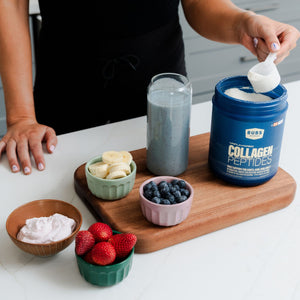
At BUBS Naturals, we emphasize a "no BS" approach. Our Collagen Peptides are single-ingredient and unflavored for a reason. By removing the flavors, colors, and sweeteners, we remove the most common triggers for diarrhea. Always look for products that are third-party tested and NSF for Sport certified, ensuring you aren't ingesting hidden contaminants or fillers that could irritate your system. If you want to keep exploring clean options across the line, browse BUBS Boost.
Stay Hydrated
Because collagen is hydrophilic and attracts water, you need to make sure you are drinking enough fluids throughout the day. If you are dehydrated, the collagen may pull water from your surrounding tissues into the gut, which can lead to a weird cycle of both dehydration and loose stools. Drink a full glass of water with your collagen to help it move smoothly through your system. If you need an electrolyte option, Hydrate or Die® Electrolytes can help support hydration.
Comparing Sources: Bovine vs. Marine Collagen
If bovine (cow-sourced) collagen is giving you trouble, you might wonder if switching sources will help.
| Feature |
Bovine Collagen (Types I & III) |
Marine Collagen (Type I) |
| Primary Benefit |
Joint, skin, and gut health |
Skin elasticity and hair |
| Absorption |
Very high when hydrolyzed |
Slightly smaller molecules; very fast |
| Common Issues |
Beef allergies (rare) |
Fish/Shellfish allergies (more common) |
| Digestibility |
Great for most |
Often cited as the "lightest" option |
For many of our customers, bovine collagen is the gold standard because it provides both Type I and Type III collagen, supporting everything from your skin to your internal organs. If you have a sensitive stomach, the most important factor isn't necessarily the animal source, but the "Dalton weight." The smaller the molecules, the less work your gut has to do.
The Role of MCT Oil and Collagen Together
Many people take their collagen alongside MCT oil, particularly in their morning coffee. If you are experiencing diarrhea, it might not be the collagen at all—it could be the MCT. Medium-chain triglycerides (MCTs) are processed differently than other fats. They go straight to the liver for energy. If you take too much MCT oil too fast, it can cause "disaster pants" (urgent diarrhea).
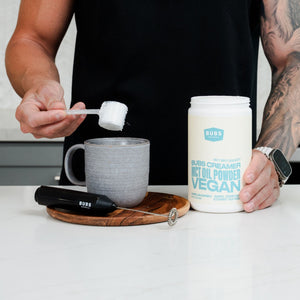
If you are mixing these in your morning routine and having issues, try isolating them. Take your collagen alone for a few days, then try the MCT oil alone. This will help you identify which supplement is the true culprit. If it is the MCT, we recommend starting with a smaller dose of MCT Oil Powder to let your gallbladder and liver catch up.
When Should You Be Concerned?
While mild diarrhea or a change in bowel habits is usually just an adjustment phase, you should pay attention to how your body reacts over time.
If you experience any of the following, stop taking the supplement and consult a healthcare provider:
- A persistent, itchy rash or hives.
- Severe abdominal cramping that doesn't go away.
- Swelling of the lips, tongue, or throat (this could indicate a rare allergy).
- Diarrhea that lasts for more than a week after stopping the supplement.
Most people find that by simply switching to a cleaner product or reducing their dose, the symptoms vanish within 24 to 48 hours.
Reading the Supplement Facts: What to Look For
When you are browsing for collagen, you need to be a bit of a detective. The marketing on the front of the tub matters much less than the "Supplement Facts" and "Ingredients" on the back.
-
Look for "Hydrolyzed Collagen Peptides": This confirms the protein is broken down for digestion.
-
Check the "Other Ingredients": If this list is longer than one or two items, be cautious. Avoid gums (like xanthan or guar gum), which can cause bloating, and artificial sweeteners.
-
Sourcing Matters: Grass-fed and pasture-raised bovine collagen is generally higher quality and less likely to contain residues that might irritate a sensitive stomach.
-
Certifications: Look for the NSF for Sport logo. This means the product has been strictly tested for purity and safety.
We take these standards seriously at BUBS Naturals because our products are used by athletes, veterans, and people who demand the most from their bodies. We don't use fillers because we know they don't help you perform; they only get in the way of your results. To learn more about our standards and story, visit Our Story and Giving Back to Veterans & Our Communities.
Key Takeaway: Digestive issues from collagen are usually a sign of "too much, too soon" or a reaction to low-quality additives. By choosing a pure, unflavored, hydrolyzed peptide and starting with a low dose, most people can enjoy the benefits of collagen without any stomach discomfort.
Adjusting Your Routine for Success
If you've had a bad experience, don't give up on the benefits of collagen just yet. Your joints, skin, and gut lining can still benefit from these amino acids. Try this "reset" protocol:
-
The Two-Day Break: Stop taking collagen for 48 hours to let your digestion settle.
-
The "Meal" Method: Instead of taking collagen on an empty stomach, mix it into a bowl of oatmeal or a smoothie that contains fiber. Fiber can help modulate the transit time in your gut, preventing the "water pull" that leads to diarrhea.
-
The "Slow Build": Reintroduce the collagen at just 5 grams (about a third of a scoop) per day. Stay there for five days before moving to 10 grams.
-
Hydration Focus: Drink 8–10 ounces of water specifically with your collagen dose.
By being intentional with your routine, you can turn collagen from a source of stress into a cornerstone of your recovery. If you want more collagen guidance, Collagen Peptides and Muscle Recovery is a helpful next read.
Why Quality Is the Final Word
At the end of the day, your body is an incredible machine that knows when it is being given something high-quality versus something filled with "BS." The reason we founded BUBS Naturals was to provide the cleanest, simplest ingredients possible—products that actually do what they say they will do.
We named our brand after Glen "BUB" Doherty, a Navy SEAL who lived a life of adventure and high performance. He didn't have time for products that didn't work, and neither do you. When you choose a high-quality, pure collagen, you are giving your body the building blocks it needs to repair and thrive. For more on our mission-driven approach, read Our Story.
Conclusion
Does collagen powder cause diarrhea? For the vast majority of people, the answer is no. When it does occur, it is usually a temporary reaction to a high dose, a specific additive, or a body that simply needs a few days to adjust to a new protein source. By choosing a clean, hydrolyzed option and starting with a conservative dose, you can bypass the digestive drama and start feeling the real benefits in your joints and skin.
Our mission is to help you live a better, more active life through simple, effective nutrition. Whether you are training for a marathon or just trying to stay mobile for your kids, your supplements should support you, not hold you back. We also believe in a larger purpose—that is why we donate 10% of all our profits to veteran-focused charities in BUB’s honor. Every scoop you take supports your wellness and a greater cause.
Take it slow, choose clean ingredients, and listen to your body. You’ve got this.
FAQ
Can I take collagen if I have a sensitive stomach?
Yes, many people with sensitive stomachs find that pure, hydrolyzed collagen peptides actually help soothe their digestive lining over time. The key is to start with a very small dose—around one teaspoon—and ensure the product contains no artificial sweeteners or fillers that could trigger irritation.
How long does it take for collagen side effects to go away?
If you experience diarrhea or bloating from collagen, the symptoms typically subside within 24 to 48 hours once you stop taking the supplement or reduce the dosage. If you continue to have issues after stopping, the cause may be something else in your diet, and you should consult a doctor.
Is it better to take collagen on an empty stomach or with food?
While taking it on an empty stomach may lead to slightly faster absorption, people prone to digestive upset should take collagen with a meal. Combining the protein with fiber or other foods can slow down its passage through the gut, preventing the sudden influx of water that causes loose stools.
Does the type of liquid I mix my collagen with matter?
Generally, no, as long as the powder is fully dissolved. However, if you are mixing collagen into dairy milk or sugary juices, those liquids themselves might be the cause of your diarrhea rather than the collagen. Try mixing it into plain water or black coffee to see if the symptoms persist.