Table of Contents
- Introduction
- What Are Collagen Peptides?
- How Collagen Peptides May Benefit Hair Health
- The Science Behind Collagen and Hair Growth
- How to Incorporate Collagen Peptides into Your Routine
- Conclusion
- FAQ
Introduction
What if we told you that the secret to vibrant, strong hair might lie in a protein that makes up a significant part of our bodies? Collagen, widely recognized for its crucial role in skin health, is also gaining attention for its potential impact on hair. As we age, our bodies produce less collagen, leading to various signs of aging, including thinner hair and a less vibrant mane. But does this mean collagen peptides can help our hair?
In this blog post, we will delve into the intricate relationship between collagen peptides and hair health. We will explore the scientific basis behind the claims, examine how collagen works in our bodies, and highlight the potential benefits of incorporating collagen supplements into our daily routines. By the end of this article, you will have a clearer understanding of how collagen can play a role in promoting healthy hair and what options are available to support your wellness journey.
Together, we will unpack the various ways that collagen may contribute to hair growth, thickness, and overall health. We will also discuss the different forms of collagen available and how our commitment to clean, effective supplements, like those offered by BUBS Naturals, aligns with these benefits. So, let’s embark on this journey to better understand the connection between collagen peptides and hair health!
What Are Collagen Peptides?
Collagen is the most abundant protein in our bodies, providing structure and support to our skin, hair, nails, bones, and joints. It is primarily composed of amino acids, including glycine, proline, and hydroxyproline. Collagen peptides are short chains of amino acids derived from collagen through a process called hydrolysis, which makes them more bioavailable and easier for our bodies to absorb.
Types of Collagen
There are several types of collagen, but the most relevant for hair health are:
-
Type I Collagen: This type is found in skin, bones, and hair. It is vital for providing strength and elasticity.
-
Type III Collagen: Often found alongside Type I, it contributes to the structure of skin and blood vessels.
-
Type II Collagen: Primarily located in cartilage, it plays a crucial role in joint health.
When we consume collagen peptides, our bodies utilize these amino acids to support the production of keratin, the main protein that makes up our hair.
How Collagen Peptides May Benefit Hair Health
1. Provides Essential Amino Acids
Hair is composed mainly of keratin, which requires specific amino acids to be synthesized. Collagen peptides can supply these essential amino acids, particularly proline and glycine, which are crucial for keratin production. By incorporating collagen peptides into our diets, we may provide our bodies with the building blocks necessary for stronger and healthier hair.
2. Supports the Dermis
The dermis is the layer of skin where hair follicles reside. Collagen plays a significant role in maintaining the strength and elasticity of this layer. As we age, collagen production decreases, which can lead to thinning hair and weaker hair follicles. Supporting dermal health with collagen may help maintain a healthy environment for hair growth.
3. Antioxidant Properties
Collagen peptides have demonstrated antioxidant properties that may protect hair follicles from oxidative stress caused by free radicals. Free radicals can damage hair follicles and lead to premature aging, including hair thinning and graying. While research is still emerging, the potential of collagen to combat oxidative damage could play a role in maintaining healthy hair.
4. Potential to Slow Graying
While genetics primarily influence hair graying, oxidative stress is also a factor. Collagen's antioxidant properties may help protect the cells responsible for producing the pigment in our hair, potentially slowing down the graying process.
5. Easy to Incorporate into Daily Life
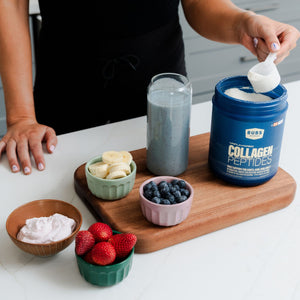
Collagen peptides are versatile and can easily be added to various foods and beverages. Whether stirred into your morning smoothie, coffee, or baked goods, incorporating collagen into our routines is simple and convenient.
The Science Behind Collagen and Hair Growth
Despite the promising theoretical benefits of collagen for hair health, it is essential to note that human studies specifically examining collagen's effects on hair growth are limited. Some studies have indicated that collagen supplementation can enhance skin elasticity and hydration, which indirectly supports hair health due to the interconnected nature of skin and hair follicles.
Recent research, including studies on fish-derived collagen peptides, has shown encouraging results regarding hair growth stimulation. For instance, collagen peptides extracted from tilapia scales have been reported to promote hair regrowth and improve the proliferation of dermal papilla cells, which are critical for hair growth.
Collagen Supplements in the Market
At BUBS Naturals, we offer high-quality Collagen Peptides sourced from grass-fed, pasture-raised bovine. Our collagen is hydrolyzed for maximum absorption and supports not only hair health but also joint and skin health. By choosing a clean, effective collagen supplement, we can empower our bodies to thrive.
How to Incorporate Collagen Peptides into Your Routine
Adding collagen peptides into your daily routine can be an effortless process. Here are a few suggestions on how to integrate collagen into your lifestyle:
-
Morning Smoothies: Blend your favorite fruits and leafy greens with a scoop of collagen peptides for a nutritious start to your day.
-
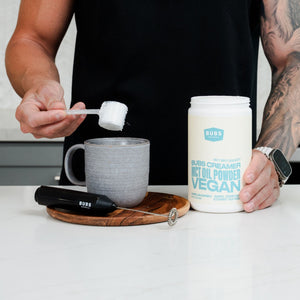
Coffee or Tea: Stir collagen powder into your morning cup for an added boost of protein without any significant taste alteration.
-
Baking: Incorporate collagen peptides into your baking recipes, such as muffins or pancakes, for a nutritious twist.
-
Soups and Broths: Since collagen is naturally found in bone broth, sipping on homemade or store-bought broth is an excellent way to consume collagen.
Conclusion
While research on the direct effects of collagen peptides on hair growth is still emerging, the potential benefits are worth considering. The amino acids provided by collagen can support keratin production, while its antioxidant properties may protect hair follicles from damage. As we prioritize our wellness and health, choosing high-quality supplements like BUBS Collagen Peptides can be an integral part of maintaining vibrant hair.
Incorporating collagen into our routines can be simple and beneficial, not just for hair but for overall wellness. As we embrace our commitment to clean, effective products and give back through our 10% Rule to support veterans, we can feel confident in our choices. By supporting our bodies holistically, we are paving the way for healthier hair and a more vibrant life.
FAQ
Q: How long does it take to see results from collagen supplementation for hair?
A: Results from collagen supplementation can vary among individuals. Some may notice improvements in hair texture and strength within a few weeks, while others may take a few months to see significant changes.
Q: Can collagen supplements help with hair loss?
A: While collagen may support hair health by providing essential amino acids and protecting hair follicles, it is not a guaranteed solution for hair loss. Addressing hair loss often requires a multi-faceted approach, including a balanced diet and lifestyle factors.
Q: Are there any side effects to taking collagen supplements?
A: Collagen supplements are generally well-tolerated. However, some individuals may experience mild digestive discomfort or an aftertaste. It’s always a good idea to consult with a healthcare provider before starting any new supplement.
Q: Can I get collagen from food sources?
A: Yes, collagen can be found in animal products such as bone broth, chicken skin, fish, and beef. Additionally, foods rich in vitamin C can help boost the body's natural collagen production.
Q: Is there a difference between types of collagen?
A: Yes, there are several types of collagen, each serving different functions. Type I is primarily found in skin and hair, while Type II is more prevalent in cartilage. Choosing the right type of collagen can depend on your health goals.