Table of Contents
- Introduction
- Understanding Collagen and Its Role in the Body
- Benefits of Collagen Peptides for Gut Health
- Incorporating Collagen Peptides into Your Diet
- Conclusion
- FAQ
Introduction
Did you know that over 40% of the global population experiences some form of digestive disorder? From the discomfort of bloating to the frustration of irregular bowel movements, gut health issues can significantly impact our quality of life. In our quest for wellness, we often seek natural solutions that can help restore balance and promote better digestive health. One such solution that has gained traction is collagen peptides. But does collagen really help gut health? Together, we'll explore the science behind collagen, its potential benefits, and how we can incorporate it into our daily routines.
Collagen is the most abundant protein in our bodies, serving as a crucial building block for various tissues, including skin, joints, and the gastrointestinal tract. Recent studies have begun to highlight its significance in maintaining gut health, leading many to wonder if collagen supplementation could be the key to alleviating digestive discomfort. This blog post aims to shed light on the relationship between collagen peptides and gut health, examining the mechanisms through which collagen may support the digestive system and discussing practical ways to incorporate it into our diets.
By the end of this article, you'll have a comprehensive understanding of how collagen peptides can be an ally in your journey towards optimal gut health. We’ll delve into the benefits of collagen for gut health, the scientific evidence supporting its use, and practical tips for integrating collagen supplements into your daily regimen. Let’s embark on this exploration of gut health together!
Understanding Collagen and Its Role in the Body
What is Collagen?
Collagen is a fibrous protein that forms the structural framework of our body. It comprises amino acids, primarily glycine, proline, and hydroxyproline, which are essential for maintaining the integrity of various tissues. As we age, our natural collagen production decreases, leading to various health issues, including weakened connective tissues and compromised gut health.
Types of Collagen
There are several types of collagen, with Type I and Type III being the most prevalent in our bodies. Type I collagen is primarily found in skin, bones, and tendons, while Type III is abundant in the intestinal lining and plays a vital role in maintaining gut integrity. This connection between collagen and gut health underscores the importance of consuming collagen to support digestive function.
How Collagen Supports Gut Health
Collagen serves multiple functions in the gastrointestinal tract. It contributes to the maintenance of the intestinal lining, a crucial barrier that prevents harmful substances from entering the bloodstream. A healthy gut lining is essential for proper digestion, nutrient absorption, and overall gut health. Let's delve into how collagen can specifically benefit gut health.
Benefits of Collagen Peptides for Gut Health
1. Mitigating Leaky Gut Syndrome
Leaky gut syndrome occurs when the intestinal lining becomes compromised, allowing toxins and undigested food particles to enter the bloodstream. Collagen peptides can help reinforce the intestinal barrier, making it more resilient against permeability. The amino acids in collagen, particularly glycine and proline, play a vital role in repairing and strengthening the gut lining.
2. Facilitating Digestion
Collagen supports digestive health by improving the overall function of the gastrointestinal tract. It helps produce stomach acid, which is essential for breaking down food efficiently. By enhancing digestion, collagen may alleviate symptoms such as bloating and discomfort after meals.
3. Reducing Gut Inflammation
Chronic inflammation in the gut can lead to various digestive disorders. Collagen has anti-inflammatory properties that may help reduce inflammation in the gastrointestinal tract. This effect is particularly relevant for individuals suffering from conditions like irritable bowel syndrome (IBS) or inflammatory bowel disease (IBD).
4. Maintaining Balanced Stomach Acid Levels
Adequate stomach acid is crucial for digestion and nutrient absorption. Collagen can stimulate the production of stomach acid, which aids in breaking down food and preventing issues like indigestion and nutrient malabsorption.
5. Improving Water Absorption Within the Intestines
Collagen enhances water absorption in the intestines, facilitating smoother digestion and preventing constipation. Proper hydration is essential for maintaining regular bowel movements and overall digestive health.
6. Balancing the Gut Microbiome
The gut microbiome is a complex ecosystem of microorganisms that play a crucial role in digestion and immune function. Collagen may support a balanced microbiome by acting as a prebiotic, promoting the growth of beneficial gut bacteria and inhibiting harmful ones.
7. Enhancing Immune Function
A healthy gut is closely linked to a robust immune system. By strengthening the gut lining and promoting a balanced microbiome, collagen can support immune function, helping the body fend off infections and illnesses.
Incorporating Collagen Peptides into Your Diet
1. Choosing the Right Collagen Supplement
When selecting a collagen supplement, it's essential to choose high-quality products. Look for hydrolyzed collagen peptides, which are broken down into smaller, more absorbable molecules. Our Collagen Peptides are sourced from grass-fed, pasture-raised bovine, ensuring a clean and effective product.
2. Daily Dosage Recommendations
While there isn't a one-size-fits-all dosage, studies suggest that a daily intake of 10 to 20 grams of collagen peptides can yield beneficial effects on gut health. It's best to start with a lower dose and gradually increase it as your body adjusts.
3. Simple Ways to Add Collagen to Your Routine
Incorporating collagen into your daily routine is easy and versatile:
-
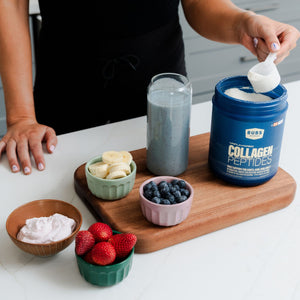
Mix it into your morning smoothie: Add a scoop of collagen powder to your favorite smoothie for an extra protein boost.
-
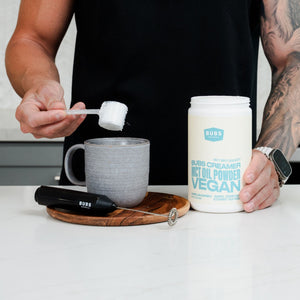
Stir it into your coffee or tea: Collagen dissolves easily in hot beverages, making it a convenient addition to your morning routine.
-
Blend it into soups or sauces: Use collagen powder in soups, stews, or sauces for added nutrition without altering the flavor.
-
Try collagen-infused recipes: Experiment with recipes that incorporate collagen, such as protein bars or baked goods.
4. Pairing Collagen with Other Nutrients
To maximize the benefits of collagen, consider pairing it with other gut-friendly nutrients. For example, combining collagen with vitamin C can enhance collagen synthesis in the body. Our Vitamin C+ supplement is an excellent choice to support this synergy.
Conclusion
The evidence supporting collagen peptides as a means to enhance gut health is compelling. From strengthening the intestinal barrier to reducing inflammation and supporting digestion, collagen has the potential to be a valuable addition to our wellness routine. As we embrace the philosophy of adventure, wellness, and purpose, incorporating collagen into our daily lives not only aligns with our health goals but also honors the legacy of Glen “BUB” Doherty by supporting our bodies in their natural functions.
As we continue to explore the world of wellness, let’s remember the importance of nurturing our gut health. By choosing high-quality collagen supplements and embracing a balanced diet, we can pave the way for a healthier, happier life. Together, we can make a difference—not only in our own lives but also in the lives of veterans and their families through our commitment to donate 10% of all profits to veteran-focused charities.
FAQ
1. How long does it take to see results from collagen supplementation?
While individual experiences may vary, some people report noticing improvements in gut health within a few days to a couple of weeks of consistent collagen intake.
2. Can I get enough collagen from food alone?
While foods like bone broth and fish contain collagen, supplementation can provide a more concentrated dose that may be necessary for specific health goals.
3. Are there any side effects associated with collagen supplementation?
Collagen supplements are generally considered safe for most individuals. However, those with specific dietary restrictions or allergies should consult a healthcare professional before starting any new supplement regimen.
4. Is it better to take collagen in the morning or at night?
Collagen can be taken at any time of day. The key is consistency; incorporating it into your routine will yield the best results.
5. How can I support my gut health alongside taking collagen?
In addition to collagen, maintaining a balanced diet rich in fiber, probiotics, and hydration can significantly enhance gut health. Our Hydrate Electrolytes are a great way to stay hydrated and support digestive function.
With this knowledge, we can take proactive steps toward supporting our gut health and overall well-being. Let's harness the power of collagen peptides on our journey to wellness!