





Table of Contents
- Introduction
- What is Collagen and Why Does it Matter?
- Types of Collagen and Their Sources
- The Science Behind Collagen Supplementation
- Potential Benefits of Collagen Supplements
- Limitations and Considerations
- Supporting Natural Collagen Production
- Conclusion
- FAQ
Introduction
Have you ever wondered why collagen supplements have taken the wellness world by storm? With claims of promoting youthful skin, strong nails, and healthy joints, it's no surprise that many people are curious about their potential benefits. As we age, our body's natural collagen production decreases, leading to visible signs of aging—wrinkles, sagging skin, and joint discomfort. This decline has sparked interest in collagen supplements as a way to counteract these effects. But do collagen supplements really work, and are they worth the investment?
In this blog post, we aim to explore the science behind collagen, the mechanisms by which supplements might benefit us, and the current research on their effectiveness. We will also discuss practical lifestyle choices that can enhance our natural collagen production. By the end of this article, you will have a clearer understanding of whether collagen supplements are a viable addition to your wellness routine.
We will cover several key aspects:
- What collagen is and its role in our bodies
- The different types of collagen and their sources
- The science behind collagen supplementation
- Potential benefits and limitations of using collagen supplements
- Alternative ways to support collagen production naturally
Join us as we unpack the truth about collagen supplements and their place in our wellness journey.
What is Collagen and Why Does it Matter?
Collagen is the most abundant protein in the human body, accounting for approximately 30% of its total protein content. It serves as the primary building block for various tissues, including skin, bones, muscles, tendons, and ligaments. This structural protein provides strength and elasticity, playing a crucial role in maintaining the integrity of our connective tissues.
As we age, our body’s ability to produce collagen diminishes due to factors such as hormonal changes, UV exposure, poor diet, and lifestyle choices. This reduction in collagen leads to a range of visible signs of aging, including wrinkles, sagging skin, and joint pain. Understanding the importance of collagen is vital for grasping why many people turn to supplements in hopes of restoring their youthful appearance and vitality.
Types of Collagen and Their Sources
There are at least 28 types of collagen, but the most common types found in supplements are:
- Type I: The most prevalent type, found in skin, tendons, organs, and bones. It is known for its tensile strength and is often used in beauty products.
- Type II: Primarily found in elastic cartilage, this type is crucial for joint health.
- Type III: Often found alongside Type I, it provides structure and support in skin, blood vessels, and internal organs.
Collagen supplements typically derive from animal sources, including:
- Bovine (cattle) collagen: Commonly used for its high Type I and III collagen content, beneficial for skin and joint health.
- Marine (fish) collagen: Known for its bioavailability and high Type I collagen content, making it popular for skin benefits.
- Porcine (pig) collagen: Another source rich in Type I collagen, often used in supplements.
For those following a plant-based diet, it’s essential to note that while some products claim to promote collagen production through plant-derived nutrients, they do not contain collagen itself. Instead, they provide vitamins and minerals that support the body’s natural collagen synthesis.
The Science Behind Collagen Supplementation
Research on collagen supplementation is still evolving, but several studies suggest that oral collagen, particularly in the form of hydrolyzed collagen peptides, may have beneficial effects for skin elasticity, hydration, and joint health. When ingested, collagen is broken down into smaller peptides that can be absorbed into the bloodstream. These peptides may stimulate the body’s collagen synthesis by providing the necessary amino acids, such as proline and glycine, that are vital for collagen production.
One systematic review and meta-analysis highlighted that collagen supplementation could improve skin hydration and elasticity while reducing the appearance of wrinkles. However, the authors also noted that more extensive studies are needed to confirm these findings.
Another area of research is collagen's potential role in joint health. Some studies have suggested that collagen supplementation may alleviate joint pain associated with conditions like osteoarthritis by promoting cartilage regeneration. However, the evidence remains limited, and further research is essential to establish definitive conclusions.
Potential Benefits of Collagen Supplements
-
Improved Skin Health: Many individuals report enhanced skin hydration and elasticity after using collagen supplements. The peptides may help stimulate the production of new collagen within the skin, leading to a more youthful appearance.
-
Joint Support: Collagen supplements may help reduce joint pain and improve function in individuals with osteoarthritis and other joint-related conditions by supporting cartilage health.
-
Stronger Nails and Hair: Some users claim that collagen supplementation leads to less brittle nails and improved hair health, although evidence supporting these benefits is limited.
-
Enhanced Muscle Mass: Preliminary research suggests that collagen may help increase muscle mass and strength when combined with resistance training, making it a potential ally for those looking to enhance athletic performance.
Limitations and Considerations
While the potential benefits of collagen supplements are appealing, there are important limitations to consider:
-
Absorption Variability: The body does not utilize collagen peptides solely for skin or joint health. Once ingested, the amino acids can be directed to various tissues based on the body’s immediate needs, making targeted benefits uncertain.
-
Quality and Regulation: The supplement industry is not well-regulated, leading to concerns over product quality, ingredient sourcing, and the accuracy of health claims. It is crucial to choose high-quality, third-party tested collagen supplements.
-
Cost vs. Benefit: Collagen supplements can be expensive, and it is essential to weigh their potential benefits against the cost. A balanced diet rich in protein, vitamins, and minerals may provide similar benefits without the additional expense.
Supporting Natural Collagen Production
Rather than relying solely on supplements, there are several lifestyle choices we can make to support our body’s natural collagen production:
-
Eat a Balanced Diet: Incorporate foods rich in protein, vitamins C and E, zinc, and copper. Foods like leafy greens, citrus fruits, nuts, seeds, and bone broth can help support collagen synthesis.
-
Stay Hydrated: Proper hydration is vital for skin health and may help maintain skin elasticity.
-
Limit Sun Exposure: UV rays can degrade collagen and lead to premature aging. Wearing sunscreen daily can protect your skin from damage.
-
Avoid Smoking and Excessive Alcohol: Both smoking and excessive alcohol consumption can accelerate collagen breakdown, leading to visible signs of aging.
-
Regular Exercise: Engaging in regular physical activity can boost circulation and support tissue health, contributing to overall wellness.
Conclusion
So, do collagen supplements work? The answer is not entirely straightforward. While there is some promising research suggesting potential benefits for skin and joint health, more extensive and independent studies are needed to confirm these findings. Collagen supplements may serve as a useful tool in your wellness arsenal, especially when combined with a healthy lifestyle. However, they should not be viewed as a miracle solution for aging or health concerns.
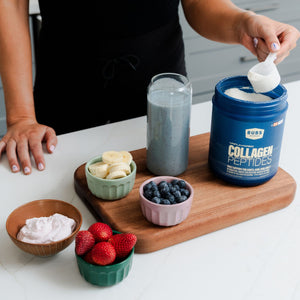
At BUBS Naturals, we believe in the power of clean, high-quality supplements that support an active lifestyle. Our premium Collagen Peptides are designed to help you achieve your wellness goals while honoring the legacy of Glen “BUB” Doherty. Each scoop is crafted with simplicity and effectiveness in mind—no BS, just results.
If you're curious about the role of collagen in your wellness journey, consider exploring our full product offering or trying our Collagen Peptides to see how they might fit into your routine.
FAQ
1. How long does it take to see results from collagen supplements? Results can vary based on individual factors and dosage, but many users report seeing improvements in skin texture and joint comfort within a few weeks to a few months of consistent use.
2. Can I get collagen from food instead of supplements? Yes! Foods like bone broth, chicken skin, fish skin, and egg whites contain collagen. Additionally, a balanced diet rich in protein and vitamins can support your body’s natural collagen production.
3. Are there any side effects of collagen supplements? Collagen supplements are generally considered safe for most people. However, those with fish or shellfish allergies should avoid marine sources, and individuals with specific health conditions should consult a healthcare provider before starting any supplement regimen.
4. Can collagen supplements help with joint pain? Some studies suggest that collagen supplementation may help alleviate joint pain and improve function in individuals with osteoarthritis, although more research is needed to confirm these effects.
5. Should I take collagen daily? If you choose to take collagen supplements, daily use is typically recommended to achieve the best results. However, it’s always best to consult with a healthcare professional for personalized advice.
Written by:
Collagen Peptides
Fuel stronger workouts and faster recovery with collagen peptides that support joints, muscles, skin, and overall performance.


