Table of Contents
- Introduction
- What Are Collagen Peptides?
- The Science Behind Collagen Peptides and Inflammation
- Collagen Peptides and Joint Health
- Collagen Peptides and Skin Health
- How to Incorporate Collagen Peptides into Your Routine
- Conclusion
- FAQ
In the quest for wellness, many of us are constantly searching for natural solutions to enhance our health and tackle everyday challenges like inflammation. One such solution that has gained significant popularity in recent years is collagen peptides. These small proteins are being touted for their potential benefits, including supporting joint health, improving skin elasticity, and even reducing inflammation. But do collagen peptides actually reduce inflammation? In this post, we will dive deep into the science behind collagen peptides, explore their potential benefits and implications, and examine how they align with our mission at BUBS Naturals.
Introduction
As we age, our bodies undergo various changes, one of which is the gradual decline in collagen production. Collagen is the most abundant protein in our bodies and plays a crucial role in maintaining the structural integrity of our skin, joints, and connective tissues. By the time we reach our forties, collagen production decreases significantly, leading to various health concerns such as joint pain, skin aging, and increased inflammation. This decline is often accompanied by inflammatory conditions, making it imperative to seek out strategies that can mitigate these effects.
The relationship between collagen peptides and inflammation is an intriguing area of research. Several studies have suggested that collagen supplementation may have anti-inflammatory properties, which can help alleviate symptoms associated with various inflammatory conditions, including arthritis and skin disorders. At BUBS Naturals, we are passionate about harnessing the power of clean, science-backed ingredients to support our wellness journeys, and collagen peptides are a significant part of that equation.
In this blog post, we will explore the following aspects:
- What collagen peptides are and their sources
- The science behind collagen peptides and inflammation
- How collagen peptides may support joint health and reduce inflammation
- The role of collagen in skin health and aging
- How BUBS Naturals’ Collagen Peptides fit into your wellness routine
By the end of this post, we hope to provide you with a clearer understanding of whether collagen peptides can effectively reduce inflammation and how they can be incorporated into a healthy lifestyle.
What Are Collagen Peptides?
Collagen peptides, also known as hydrolyzed collagen, are derived from collagen sources through a process called hydrolysis. This process breaks down the larger collagen proteins into smaller, more easily absorbable peptides, making it simpler for our bodies to utilize them. Collagen can be sourced from various animal products, including bovine (cows), porcine (pigs), and marine (fish) origins.
Types of Collagen
There are several types of collagen, each serving different functions in the body:
-
Type I: The most abundant form, found in skin, bones, tendons, and ligaments.
-
Type II: Primarily found in cartilage, making it crucial for joint health.
-
Type III: Present in skin and blood vessels, contributing to skin elasticity.
-
Type IV: Forms the basis of various membranes in the body.
-
Type V: Found in hair and cell surfaces.
Collagen peptides are often available in powder form and can be easily added to beverages or foods, making them a convenient addition to your daily routine.
The Science Behind Collagen Peptides and Inflammation
Research into collagen peptides and inflammation has shown promising results. Some studies suggest that collagen peptides may exert anti-inflammatory effects by modulating the immune response and promoting cellular repair mechanisms.
Mechanisms of Action
-
Modulation of Cytokines: Cytokines are signaling molecules that play a crucial role in inflammation. Some studies indicate that collagen peptides can downregulate the production of pro-inflammatory cytokines, which may contribute to reduced inflammation in tissues.
-
Stimulation of Collagen Synthesis: Collagen peptides can stimulate fibroblasts, the cells responsible for producing collagen in our bodies. This stimulation can enhance tissue repair and regeneration, which is particularly beneficial for inflamed or damaged tissues.
-
Support for Joint Health: Collagen, particularly Type II, is an essential component of cartilage. Supplementation with collagen peptides may help to replenish depleted collagen levels in joints, potentially reducing pain and inflammation associated with conditions like osteoarthritis.
Research Findings
Several studies have focused on the effects of collagen peptides on inflammation:
- A study published in the Journal of Nutritional Biochemistry found that collagen hydrolysate supplementation in athletes led to a reduction in joint pain and inflammation markers.
- Research has also indicated that collagen peptides may enhance the proliferation of skin cells, such as fibroblasts and keratinocytes, while reducing the inflammatory response induced by oxidative stress.
While more research is needed to draw definitive conclusions, the evidence thus far suggests that collagen peptides may play a significant role in reducing inflammation and supporting overall joint health.
Collagen Peptides and Joint Health
Joint health is a primary concern for many individuals, particularly those who are active or aging. Collagen is a key structural component of cartilage, and its depletion can lead to increased joint pain and inflammation.
Benefits for Joint Health
-
Reduced Pain and Stiffness: Collagen peptide supplementation has been shown to alleviate pain and stiffness in individuals with osteoarthritis, leading to improved mobility and quality of life.
-
Repair and Regeneration: By supporting collagen synthesis in joint tissues, collagen peptides may help repair damaged cartilage and promote healthier joints.
-
Enhanced Physical Performance: For athletes and active individuals, maintaining joint health is vital for performance. Collagen peptides can support recovery from exercise-induced joint stress and inflammation.
At BUBS Naturals, we offer our Collagen Peptides to provide you with a convenient and effective way to support your joint health and overall wellness. Our collagen is sourced from grass-fed, pasture-raised bovine, ensuring high quality and purity.
Collagen Peptides and Skin Health
In addition to supporting joint health, collagen peptides have garnered attention for their potential benefits for skin health. As we age, our skin loses collagen, leading to wrinkles, dryness, and sagging.
Benefits for Skin Health
-
Improved Hydration and Elasticity: Studies have shown that collagen peptides can enhance skin hydration and elasticity, leading to a more youthful appearance.
-
Reduction of Wrinkles: Regular consumption of collagen peptides has been associated with a decrease in wrinkle depth and an increase in skin density.
-
Support for Wound Healing: Collagen peptides can promote skin regeneration and repair, making them beneficial for wound healing and overall skin health.
By incorporating collagen peptides into your diet, you can help support your skin’s natural collagen production and maintain a radiant complexion.
How to Incorporate Collagen Peptides into Your Routine
Incorporating collagen peptides into your daily routine is simple and versatile. Here are a few tips to get you started:
-
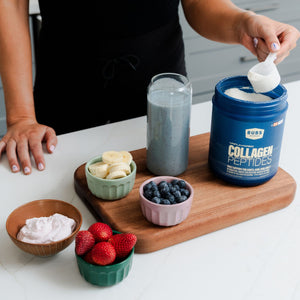
Mix with Beverages: Add a scoop of collagen peptides to your morning coffee, smoothie, or tea for an easy boost.
-
Baking: Incorporate collagen peptides into baked goods like muffins, pancakes, or protein bars.
-
Cooking: Use collagen peptides in soups, stews, or sauces for added nutrition.
At BUBS Naturals, we believe in a no-BS approach to wellness, which is why our collagen peptides are made with clean, high-quality ingredients, ensuring you get the most out of every scoop. Explore our full line of products to find the best options for your wellness journey.
Conclusion
In summary, collagen peptides offer a wealth of potential benefits for reducing inflammation and supporting overall health. From enhancing joint health to improving skin elasticity, these protein-rich supplements can play a significant role in our wellness routines. While research continues to evolve, the existing evidence suggests that collagen peptides can indeed help reduce inflammation and support the body’s natural healing processes.
At BUBS Naturals, our commitment to adventure, wellness, and giving back drives us to provide high-quality, science-backed supplements that honor the legacy of Glen “BUB” Doherty. Our Collagen Peptides are just one way to incorporate this powerful ingredient into your life, helping you to feel your best as you pursue your wellness goals.
FAQ
1. How long does it take to see results from collagen peptides?
While individual results may vary, many people report noticeable improvements in skin health and joint pain after 4-12 weeks of consistent collagen peptide supplementation.
2. Are there any side effects associated with collagen peptides?
Collagen peptides are generally considered safe for most individuals, with minimal side effects reported. Some people may experience digestive discomfort, but this is uncommon.
3. Can vegetarians or vegans take collagen peptides?
Collagen peptides are typically derived from animal sources. However, some plant-based alternatives are being developed using genetically modified yeast and bacteria.
4. How should I store collagen peptides?
Keep collagen peptides in a cool, dry place, and make sure the container is tightly sealed to maintain freshness.
5. Can collagen peptides be combined with other supplements?
Yes, collagen peptides can be easily combined with other supplements, such as vitamin C, which can enhance collagen synthesis in the body.
Explore our Collagen Peptides today and take a step towards reducing inflammation and enhancing your overall wellness!