Table of Contents
- Introduction
- How Collagen Interacts With Your Digestive System
- Why Do Collagen Peptides Cause Diarrhea?
- Managing Your Dosage for Better Digestion
- The Importance of Hydrolyzed Collagen
- Quality Standards: NSF for Sport and Third-Party Testing
- The Role of Histamine Intolerance
- How to Prevent Diarrhea When Taking Collagen
- The Long-Term Benefits for Gut Health
- Collagen and the Active Lifestyle
- Summary of Action Steps
- Conclusion
- FAQ
Introduction
You decided to level up your wellness routine by adding collagen to your morning coffee. You’ve heard the talk about better joints, stronger hair, and improved recovery. Then, a few hours later, you find yourself sprinting for the bathroom. It is a frustrating experience that leads to one immediate question: do collagen peptides cause diarrhea?
While collagen is generally praised for its gut-healing properties, digestive upset is a reported side effect for a small percentage of people. At BUBS Naturals, we believe in being direct about how supplements interact with your body. Understanding why your system might be reacting this way is the first step toward fixing it.
This guide will break down the science behind collagen and digestion. We will look at why some people experience loose stools, how to prevent it, and why the quality of your supplement makes all the difference. Our goal is to help you get the benefits of collagen without the digestive drama.
Quick Answer: Yes, collagen peptides can cause diarrhea in some individuals, typically due to taking too high a dose too quickly or using a supplement with large molecule sizes that are difficult to digest. Most people find relief by reducing their dosage and choosing a high-quality, hydrolyzed formula.
How Collagen Interacts With Your Digestive System
Collagen is the most abundant protein in your body. It acts as the "glue" holding your skin, bones, and connective tissues together. When you take a collagen supplement, your body breaks it down into individual amino acids. These amino acids are then used to repair tissues throughout the body, including the lining of your gastrointestinal tract.
For most people, this process is smooth and beneficial. However, protein digestion is a complex task for the stomach and intestines. If your body isn't used to a sudden influx of specific amino acids, or if the protein structure is too complex, your gut may respond by speeding up the elimination process.
There is a distinct difference between "raw" collagen, gelatin, and collagen peptides. Raw collagen from food is hard to break down. Gelatin is partially broken down but still has a large molecular structure. Collagen peptides are hydrolyzed, meaning they are already broken into tiny pieces for easier absorption. If you are experiencing diarrhea, the form of collagen you are taking is often the first place to look.
Why Do Collagen Peptides Cause Diarrhea?
If you are experiencing loose stools after your daily scoop, several factors could be at play. It is rarely the collagen itself that is the problem, but rather how it is being processed or how much is being consumed.
The Hydrophilic Nature of Collagen
Collagen is hydrophilic. This means it naturally attracts and holds onto water. When collagen enters your digestive tract, it can pull water into the intestines. If you take a large amount of collagen at once, this excess water can soften the stool significantly, leading to diarrhea. This is similar to how high doses of Vitamin C or magnesium can have a laxative effect.
Molecule Size and Digestibility
The size of the protein molecules matters. In the supplement world, this is measured in Daltons. Standard collagen has a high molecular weight, making it a heavy lift for your enzymes to break down. If the collagen sits in your gut undigested for too long, it can ferment or cause an osmotic imbalance, both of which lead to an upset stomach and urgent bathroom trips.
Glycine and Gastric Acid
Collagen is exceptionally high in the amino acid glycine. Glycine is known to stimulate the production of stomach acid (gastric acid). For many, this is a benefit because it helps digest other proteins. However, if you have a sensitive stomach or take collagen on an empty stomach, that extra acid can irritate the gut lining and trigger a "flush" response.
Additives and Fillers
Not all supplements are created equal. Many brands use artificial sweeteners, flavors, or "flow agents" like maltodextrin to make their powder taste better or mix easier. These additives are notorious for causing digestive distress, bloating, and diarrhea. If your collagen has a long list of ingredients you can’t pronounce, the collagen might not be the culprit—the fillers might be.
Key Takeaway: Digestive upset from collagen is usually a result of how the protein interacts with water in the gut or a reaction to the specific amino acid profile stimulating stomach acid.
Managing Your Dosage for Better Digestion
The most common reason for diarrhea when starting any new supplement is simply doing too much, too soon. Your gut microbiome and your digestive enzymes need time to adapt to a change in your nutrient intake.
If you started with a full scoop (typically 10 to 20 grams), your body might have been overwhelmed. We recommend a "low and slow" approach. Start with half a scoop, or even a teaspoon, for the first few days. Once your body signals that it is comfortable, you can gradually increase the amount until you reach a full serving.
Listen to your body’s signals. If you experience minor bloating or "heavy" stomach feelings, stay at your current dose for a few more days before increasing it. Consistency is more important for collagen benefits than the size of a single dose.
Myth: You must take 20 grams of collagen daily from day one to see results.
Fact: Taking a smaller dose consistently is more effective than taking a large dose that your body cannot properly digest or absorb.
The Importance of Hydrolyzed Collagen
When shopping for supplements, you will see the term "hydrolyzed" frequently. This isn't just a buzzword; it is the key to avoiding the side effects we are discussing. Hydrolysis is a process that uses water and enzymes to break long chains of collagen protein into shorter chains called peptides.
These peptides are much smaller in molecular weight. Because they are "pre-digested," your body doesn't have to work as hard to move them through the intestinal wall and into the bloodstream. This significantly reduces the chances of the protein sitting in your gut and causing irritation.
Our Collagen Peptides are grass-fed and pasture-raised, using a meticulous hydrolysis process. This ensures the powder is easy-mixing and light on the stomach. When a product is designed to dissolve instantly in cold or hot liquids, it is a good sign that the molecule size is small enough for efficient digestion.
Quality Standards: NSF for Sport and Third-Party Testing
The supplement industry can be messy. Contaminants, heavy metals, or undisclosed ingredients can all lead to adverse reactions like diarrhea or skin rashes. This is why looking for certifications matters.
An NSF for Sport certification means the product has been rigorously tested for over 280 banned substances and that the label accurately reflects what is in the jar. This level of transparency is vital for athletes and anyone who values their health. At BUBS Naturals, we prioritize these standards because we believe "no BS" is the only way to build trust. When you use a clean product, you eliminate the variables of hidden chemicals that often cause stomach issues.
| Feature |
Low-Quality Collagen |
BUBS Naturals Collagen |
| Source |
Factory farmed / Unknown |
Grass-fed / Pasture-raised |
| Processing |
Harsh chemicals / Large molecules |
Hydrolyzed peptides |
| Additives |
Sugars, flavors, fillers |
Single ingredient (no fillers) |
| Testing |
Internal only (or none) |
NSF for Sport Certified |
| Digestibility |
May cause bloating/diarrhea |
Designed for easy absorption |
The Role of Histamine Intolerance
For a small subset of the population, the issue isn't the protein size or the dose, but a condition called histamine intolerance. Collagen is a high-protein product that can contain histamines, or it can trigger the release of histamines in sensitive individuals.
Symptoms of histamine intolerance often include:
- Bloating and abdominal pain
- Diarrhea
- Headaches or migraines
- Skin flushing or hives
If you find that you have a reaction to other high-histamine foods like aged cheeses, fermented vegetables, or red wine, your reaction to collagen might be related to this. In this case, it is best to consult with a healthcare provider to manage your histamine load while still supporting your protein needs.
How to Prevent Diarrhea When Taking Collagen
If you want the benefits of collagen but are afraid of the side effects, follow these practical steps to keep your digestion on track.
1. Take it With Food
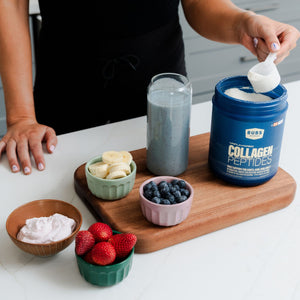
While many people put collagen in their morning black coffee, taking it on a completely empty stomach can be too much for sensitive systems. Try mixing it into a smoothie that contains fiber, or take it alongside a meal. The presence of other foods slows down the transit time in your gut, allowing for more controlled absorption.
2. Stay Hydrated
Because collagen is hydrophilic and pulls water into the gut, you need to ensure you are drinking enough water throughout the day. If you are dehydrated, the osmotic effect of the collagen can be more pronounced. Adding a clean electrolyte like our Hydrate or Die can help maintain the balance of fluids and minerals in your system.
3. Check Your Other Supplements
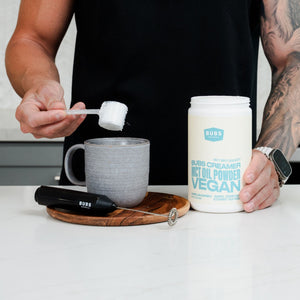
Sometimes collagen gets blamed for an issue caused by something else. If you recently started taking a new multivitamin, a pre-workout, or high doses of MCT Oil Powder alongside your collagen, the combination might be the cause. MCT oil, in particular, is known to cause "disaster pants" if you take too much too soon. Isolate your supplements for a few days to see which one is actually causing the problem.
4. Use a Shaker or Blender
Ensure your collagen is fully dissolved. Clumps of undigested powder are harder for your stomach to process. Our collagen is designed to mix effortlessly, but a quick whirl in a blender or a few shakes in a bottle ensures you aren't swallowing concentrated pockets of protein.
Note: If diarrhea persists for more than a few days after reducing your dose or switching to a high-quality brand, stop use and consult your doctor to rule out underlying digestive conditions.
The Long-Term Benefits for Gut Health
It might seem contradictory, but once you get past the initial adjustment period, collagen is actually one of the best things you can take for your gut. The amino acids glutamine, proline, and glycine are essential for maintaining the integrity of the intestinal wall.
Many people suffer from increased intestinal permeability, often called "leaky gut." This happens when the tight junctions in your gut lining loosen, allowing toxins and undigested food particles into the bloodstream. This can cause chronic inflammation and digestive issues.
Collagen acts like a "sealant" for these junctions. By providing the raw materials needed to rebuild the gut lining, it can help reduce long-term bloating and sensitivity. The goal is to move past the temporary adjustment phase so your body can start the heavy lifting of internal repair.
Bottom line: While collagen may cause temporary diarrhea during the adjustment phase, its long-term use is designed to support and strengthen the digestive lining.
Collagen and the Active Lifestyle
At BUBS Naturals, we view wellness as a tool for adventure. Whether you are training for a marathon, rucking with friends, or just staying active in your backyard, your body needs the right fuel. Digestive issues shouldn't be the thing that keeps you on the sidelines.
We founded this brand to honor the legacy of Glen "BUB" Doherty, a Navy SEAL who lived a life of purpose and high performance. That means we don't cut corners on our ingredients. When you choose a product that is clean and tested, you are giving your body the best chance to perform without the setbacks of poor digestion.
The transition to a healthier lifestyle involves a bit of trial and error. If you experienced diarrhea with a previous brand, don't write off collagen entirely. The difference between a cheap, bulk-processed powder and a premium, hydrolyzed peptide is night and day for your stomach.
Summary of Action Steps
If you are currently dealing with diarrhea after taking collagen:
-
Scale back: Cut your dose in half for three to five days.
-
Switch brands: Ensure you are using a hydrolyzed peptide with no fillers.
-
Pair with food: Avoid taking it on a strictly empty stomach if you are sensitive.
-
Hydrate: Increase your water intake to compensate for the hydrophilic nature of the protein.
Most people find that their digestion regulates within a week. Once your gut is adjusted, you can begin to enjoy the full spectrum of benefits, from joint support to faster recovery times after a hard workout.
Conclusion
Digestion is a highly individual process. While most people tolerate collagen peptides without any issues, a small number of users may experience diarrhea due to molecule size, dosage, or specific amino acid sensitivities. By choosing a high-quality, hydrolyzed option and starting with a conservative dose, you can almost always avoid these unpleasant side effects.
We are committed to providing products that support your biggest goals. Our mission is built on the idea that simple, clean nutrition can change how you feel and how you live. To honor the legacy of Glen "BUB" Doherty, we donate 10% of all our profits to veteran-focused charities, ensuring that your journey toward wellness also supports a greater cause.
Ready to see how clean collagen feels? Take it slow, listen to your body, and keep moving forward.
FAQ
How long does collagen-induced diarrhea last?
For most people, digestive upset lasts only a few days as the body adjusts to the new protein. If you reduce your dosage or take the supplement with food, symptoms typically resolve within 24 to 48 hours. If the issue persists longer than a week, it is best to consult a healthcare professional.
Can I take collagen if I have a sensitive stomach?
Yes, but you should be strategic about it. Choose a hydrolyzed collagen peptide, which is much easier to digest than standard collagen or gelatin. Start with a very small dose—around 5 grams—and gradually work your way up to a full serving over two weeks.
Does the source of collagen (bovine vs. marine) affect diarrhea?
Some people find marine collagen easier to digest because it typically has a smaller molecular weight than bovine collagen. However, bovine collagen is often preferred for joint and gut lining repair. Both are safe, but if one source causes you trouble, trying the other may provide relief.
Should I stop taking collagen if it makes me bloated?
Bloating is often a sign that you are taking too much at once or that the powder isn't fully dissolved. Instead of stopping entirely, try splitting your dose into two smaller servings—one in the morning and one in the evening. This gives your digestive system more time to process the amino acids without becoming overwhelmed.