Table of Contents
- Introduction
- What is Collagen and How Does Your Body Use It?
- Is it Safe to Take Collagen While Breastfeeding?
- Why Postpartum Mothers Consider Collagen
- The Physical Demands of Lactation and Protein Needs
- Choosing a Clean Collagen Supplement
- How to Integrate Collagen into Your Routine
- Potential Side Effects and Considerations
- Listening to Your Body
- Conclusion
- FAQ
Introduction
The postpartum period is often described as a marathon without a finish line. You are navigating the physical recovery of childbirth while managing the around-the-clock demands of a newborn. It is a time when your body is under significant metabolic stress, and nutrition becomes your most important tool for resilience. Many new mothers look toward supplements to help with common postpartum concerns like hair thinning, joint discomfort, and skin changes.
At BUBS Naturals, we believe that wellness should be simple and grounded in high-quality ingredients that support your most ambitious adventures—including the adventure of motherhood. One of the most frequent questions we hear from new parents is whether it is safe to continue or start a collagen routine while nursing. If you are looking for our clean, single-ingredient option, Collagen Peptides is the product we recommend exploring first.
This guide explores the safety, benefits, and science behind taking collagen supplements while breastfeeding. We will look at how your body processes these proteins and what you should look for when choosing a supplement to ensure it aligns with your health goals and your baby’s well-being.
Quick Answer: Most healthcare professionals consider collagen supplements safe for breastfeeding mothers because they are simply proteins that break down into amino acids. However, because every recovery journey is unique, you should always consult your doctor before adding a new supplement to your routine.
What is Collagen and How Does Your Body Use It?
To understand if collagen is appropriate during breastfeeding, it helps to understand what it actually is. Collagen is the most abundant protein in the human body. Think of it as the "glue" that holds everything together. It provides structure to your skin, strength to your bones, and elasticity to your connective tissues like tendons and ligaments.
When you take a supplement, you are usually consuming hydrolyzed collagen, also known as collagen peptides. This means the protein has been broken down into smaller, shorter chains of amino acids. We use this hydrolyzed form because it is much easier for your body to absorb and utilize than the large, complex collagen molecules found in food like tough cuts of meat. You can read more about how this works in our Which Collagen is Best for Skin, Hair, and Nails? guide.
Once you ingest collagen, your digestive system breaks these peptides down further into individual amino acids, such as glycine, proline, and hydroxyproline. Your body then absorbs these building blocks and sends them where they are needed most—whether that is repairing a joint, supporting skin structure, or contributing to your overall protein pool.
Key Takeaway: Collagen supplements are not a "drug" or a complex chemical; they are a source of specific amino acids that your body uses to maintain and repair its structural tissues.
Is it Safe to Take Collagen While Breastfeeding?
The short answer is that for the vast majority of women, collagen is considered safe during lactation. Since collagen is a protein found naturally in many foods like bone broth, chicken skin, and fish, your body already knows how to process it. When you consume a supplement, your body treats those amino acids just like the ones you get from a steak or a piece of salmon.
There is no evidence to suggest that collagen peptides pass into breast milk in a way that would be harmful to an infant. In fact, breast milk is naturally composed of various proteins and amino acids. Your body regulates the composition of your milk to ensure it meets your baby’s needs. Increasing your protein intake via collagen does not "flood" the milk with collagen; it simply provides your own body with more of the raw materials it needs to function and recover.
However, the "safety" of a supplement also depends heavily on what else is in the bottle. Many mass-market supplements contain artificial sweeteners, fillers, or "proprietary blends" that may not be well-studied for nursing mothers. This is why choosing a clean, single-ingredient product is vital during this stage of life.
The Importance of Professional Guidance
While the amino acids themselves are safe, your postpartum health is complex. Factors like your thyroid function, iron levels, and any complications during delivery can influence how your body reacts to changes in your diet. We always recommend a quick conversation with your OB-GYN or a lactation consultant. They can help you determine the right timing for starting a supplement and ensure it doesn't interfere with any postnatal vitamins or medications you may be taking.
Bottom line: Collagen is a natural protein that breaks down into standard amino acids, making it generally safe for nursing, provided you choose a high-quality product without hidden additives.
Why Postpartum Mothers Consider Collagen
The postpartum phase, often called the "fourth trimester," involves massive hormonal and physical shifts. These changes can take a visible and physical toll on your body. Here are the primary reasons many women look to supplement with collagen during this window.
Supporting Hair and Nail Health
One of the most common experiences after childbirth is telogen effluvium, or postpartum hair loss. During pregnancy, high estrogen levels keep your hair in the "growth" phase, leading to a thick, lustrous mane. Once you give birth, those hormone levels drop, and a large amount of hair enters the "shedding" phase all at once.
While collagen cannot stop the hormonal shift, it may support the regrowth phase. Collagen is rich in the amino acid proline, which is a primary component of keratin—the protein your body uses to build hair and nails. If you want a deeper dive into this topic, our best collagen for hair, skin, and nails article is a helpful next read.
Skin Elasticity and Repair
Pregnancy stretches the skin to its absolute limits. As your body begins to heal, the skin must regain its elasticity. Collagen and elastin are the two main proteins responsible for this "snap back" ability. By supporting your body’s internal collagen production, you may help your skin feel more hydrated and resilient as it recovers. While it is not a "magic eraser" for stretch marks, maintaining healthy protein levels is essential for overall dermal repair.
Joint and Connective Tissue Resilience
During pregnancy, your body produces a hormone called relaxin. As the name suggests, it relaxes your ligaments and joints to prepare for birth. However, relaxin stays in your system for several months after delivery, especially if you are breastfeeding. This can lead to "loose" joints that are more prone to aches and pains, often exacerbated by the constant lifting and carrying of a growing baby.
Collagen is a major component of your cartilage and ligaments. Supplementing can help support the integrity of these tissues as they return to their pre-pregnancy state. This is especially important for active moms who are looking to return to their training or outdoor hobbies.
Myth: Collagen supplements will cure postpartum hair loss instantly.
Fact: Postpartum hair loss is hormonal and will happen regardless of supplementation. Collagen helps by providing the building blocks to support healthy regrowth once the shedding phase ends.
The Physical Demands of Lactation and Protein Needs
Breastfeeding is a high-energy activity. Your body requires significantly more calories and nutrients to produce milk than it did even during the third trimester of pregnancy. Current guidelines suggest that breastfeeding women may need an additional 20 to 25 grams of protein per day compared to their pre-pregnancy baseline.
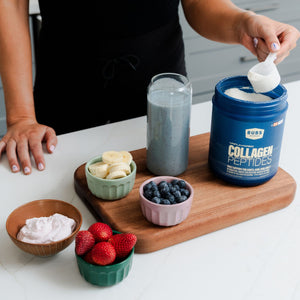
Meeting these protein goals can be a challenge when you are busy and potentially sleep-deprived. This is where a high-quality supplement fits in. Our Collagen Peptides are designed to be an easy, "no-fuss" addition to your day. Because they are flavorless and dissolve instantly, you can stir them into your morning coffee or a glass of water without a second thought.
Amino Acid Profile for Recovery
The specific amino acids in collagen—glycine in particular—play a role in more than just aesthetics. Glycine is involved in the synthesis of glutathione, one of the body's most important antioxidants. It also supports the health of the digestive lining, which can be beneficial if your gut health has been impacted by the stress of birth or changes in your diet.
| Amino Acid |
Role in Postpartum Recovery |
| Glycine |
Supports metabolic health, DNA synthesis, and helps build glutathione. |
| Proline |
Essential for skin repair and the production of keratin for hair and nails. |
| Hydroxyproline |
Crucial for the stability of the collagen structure in your joints and skin. |
| Arginine |
Supports blood flow and immune function during the healing process. |
Bottom line: Breastfeeding increases your total protein requirements, and collagen offers a targeted way to meet those needs while supporting the specific tissues—like skin and joints—that are most stressed after pregnancy.
Choosing a Clean Collagen Supplement
When you are breastfeeding, you are not just eating for yourself; you are also mindful of what might be passed to your baby. This makes product quality non-negotiable. The supplement industry is often criticized for a lack of transparency, but we take a different approach.
Grass-Fed and Pasture-Raised
The source of the collagen matters. You want a product derived from cattle that were raised without the routine use of hormones or antibiotics. Our Collagen Peptides are sourced from grass-fed, pasture-raised bovine hides. This ensures a cleaner raw material and a better amino acid profile.
Third-Party Testing and NSF for Sport
You should always look for brands that go beyond self-regulation. Third-party testing means an independent lab has verified that what is on the label is actually in the bag, and more importantly, that there are no harmful contaminants like heavy metals or mold.
Many of our products are NSF for Sport certified. This is the highest standard for purity and is trusted by professional athletes and the military. For a breastfeeding mother, this certification provides peace of mind that the product is free from banned substances and unsafe contaminants. For more on that standard, visit what makes BUBS collagen NSF Certified for Sport.
Avoiding "The BS"
Many collagen products on the market are "flavored" or "enhanced" with ingredients that you simply don't need. Artificial flavors, colors, and sweeteners like sucralose can sometimes cause digestive upset, which is the last thing a new mother needs. We believe in "no BS" formulas. Our collagen contains one ingredient: hydrolyzed collagen peptides. No fillers, no flavoring, and nothing that complicates your nutrition.
Note: Always read the ingredient list. If a collagen product contains a long list of words you can’t pronounce, it is likely better to choose a simpler, cleaner alternative while breastfeeding.
How to Integrate Collagen into Your Routine
As a new parent, your "routine" is likely centered around the baby’s schedule. If a supplement requires a 10-step preparation process, it probably won't happen. The key to seeing the benefits of collagen is consistency over time, so you need a method that works with your current life.
The Morning Coffee Ritual
One of the easiest ways to take collagen is by stirring it into your morning coffee or tea. High-quality peptides are heat-stable, meaning they won't lose their nutritional value in hot liquids. They dissolve completely, so you won't deal with clumps or a gritty texture.
Smoothies and Shakes
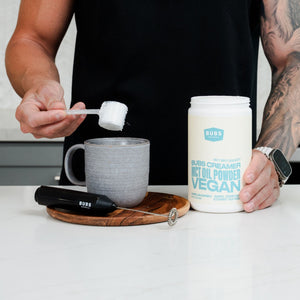
If you find yourself skipping meals because you're busy, a quick smoothie can be a lifesaver. You can combine our collagen with fruit, greens, and perhaps a scoop of our Butter MCT Oil Creamer for sustained mental clarity and healthy fats. This creates a nutrient-dense "power meal" that you can drink with one hand while holding a baby with the other.
Hydration Support
Hydration is a cornerstone of milk production. If you are using an electrolyte supplement to stay hydrated, you can easily mix your collagen in at the same time. While our Hydrate or Die electrolytes provide the minerals you need for fluid balance, the collagen provides the structural support your body is asking for. You can also learn more in our guide on what is a natural electrolyte to add to water?
Consistency is Key
Most people begin to notice changes in their skin, hair, or joints after about four to eight weeks of daily use. Your body needs time to utilize those amino acids and rebuild its stores. Don't worry if you miss a day—just pick it back up the next morning.
Key Takeaway: The best way to take collagen is the way that allows you to be consistent. Whether it’s in your coffee, a smoothie, or a simple glass of water, find the path of least resistance.
Potential Side Effects and Considerations
While collagen is generally very well-tolerated, there are a few things to keep in mind as you start a new routine.
Digestive Adjustments
Some people may experience mild bloating or "heaviness" in the stomach when they first start taking collagen, especially if they aren't used to a high-protein diet. If this happens, try starting with a half-scoop for the first few days to allow your digestive system to adjust.
Allergy Awareness
Because most collagen is sourced from bovine (cow), porcine (pig), or marine (fish) sources, those with specific allergies must be careful. If you have a known allergy to beef or fish, you should avoid the corresponding collagen source. Our Collagen Peptides are bovine-sourced, making them a great option for those who cannot tolerate marine-based products.
Appetite Suppression
Protein is naturally satiating, which is usually a benefit. However, when you are breastfeeding, it is vital that you eat enough total calories to support your milk supply. If you find that a collagen-heavy smoothie makes you feel too full to eat your next meal, you may want to move your collagen dose to a different time of day.
Myth: Collagen is a complete protein that can replace all other protein sources.
Fact: Collagen is an "incomplete" protein because it lacks the essential amino acid tryptophan. While it is excellent for structural support, it should be used alongside other protein sources like meat, eggs, beans, or dairy.
Listening to Your Body
Postpartum recovery is not a linear process. Some days you will feel strong and energized; other days will be a struggle. The goal of any supplement should be to support your body's natural processes, not to force a specific outcome.
Pay attention to how you feel. If you notice that your joints feel less "creaky" or that your skin feels less dry, those are great signs that your nutrition is supporting your recovery. If something doesn't feel right, listen to that intuition and check in with your healthcare provider.
Motherhood is an endurance event. It requires physical strength, mental grit, and a lot of grace. We believe that by fueling your body with clean, functional ingredients, you are better equipped to handle the challenges and enjoy the rewards of this season.
Conclusion
Taking collagen supplements while breastfeeding is a practical way for many mothers to support their physical recovery and meet the increased nutritional demands of lactation. By providing essential amino acids like glycine and proline, collagen may help maintain the integrity of your joints, the health of your skin, and the strength of your hair during a time of significant change.
When choosing a supplement, remember that quality is the most important factor. Look for products that are:
- Single-ingredient and free from artificial additives
- Sourced from grass-fed, pasture-raised animals
- Third-party tested for purity and safety
At BUBS Naturals, we are driven by a commitment to quality and a higher purpose. Our About Bubs page shares the story behind our brand, and our Giving Back to Veterans & Our Communities article explains how our 10% rule supports veteran-focused charities. In honor of our namesake, Glen "BUB" Doherty, we donate 10% of all our profits to veteran-focused charities. When you choose our products, you are supporting your own wellness and a mission that helps others.
Ready to support your postpartum recovery with the cleanest collagen on the market? Our Collagen Peptides are unflavored, easy to mix, and NSF for Sport certified, making them the perfect addition to any new mother's routine.
FAQ
Does collagen affect breast milk production or taste?
There is no evidence that collagen supplements negatively impact milk supply or change the taste of breast milk. Collagen is simply a protein that breaks down into amino acids, which are already present in a balanced diet. Many mothers find that the extra protein actually helps them maintain the energy levels needed to keep up with the demands of breastfeeding.
How soon after giving birth can I start taking collagen?
Many women begin taking collagen immediately after birth to aid in tissue repair, but some experts suggest waiting until your milk supply is well-established, which is usually around the six-week mark. Because every birth experience is different, it is best to get the green light from your healthcare provider during your first postpartum check-up.
Is bovine or marine collagen better for breastfeeding?
Both bovine and marine collagen provide similar benefits, but bovine collagen is particularly rich in Types I and III collagen, which are the primary types found in human skin, hair, and bones. Bovine collagen is also less likely to cause an allergic reaction for those who are sensitive to shellfish or fish.
Can I take collagen if my baby has a milk or soy allergy?
Yes, our Collagen Peptides are naturally free from dairy, soy, and gluten. Because the collagen is derived from bovine hides rather than milk proteins (whey or casein), it is generally safe for mothers of babies with Cow's Milk Protein Allergy (CMPA). However, as with all dietary changes, monitor your baby for any signs of sensitivity.