Table of Contents
- Introduction
- Understanding the Fundamentals of Collagen
- The Role of Omega-3 Fatty Acids
- The Synergy: How They Work Together
- Biological Pathways and Absorption
- Supporting Skin Health from the Inside Out
- Joint Integrity and Athletic Recovery
- The BUBS Naturals Story: Quality with a Purpose
- How to Integrate Collagen and Omega-3 Into Your Day
- Potential Side Effects and Considerations
- The Long-Term Benefits of the Duo
- Summary and Final Thoughts
- FAQ
Introduction
Have you ever wondered why some athletes seem to bounce back from grueling sessions with ease, while others struggle with nagging discomfort and dull skin? The secret often lies in how they fuel their bodies at the cellular level. When it comes to building a robust supplement stack, the question isn't just about what you take, but how those ingredients interact. Specifically, can you take collagen and omega 3 together? This is a question we hear frequently at BUBS Naturals, as people strive to optimize their health, performance, and longevity. The short answer is a resounding yes, but the "why" behind this synergy is where the real magic happens.
Supplements are rarely solo performers; they are more like members of an orchestra. Some nutrients, like vitamin C and iron, work in perfect harmony to increase absorption. Others, like calcium and iron, can occasionally compete for the same metabolic pathways, potentially limiting their effectiveness. Understanding these relationships is the key to moving from a "hope for the best" approach to a science-backed wellness strategy. In this article, we are going to dive deep into the relationship between collagen—the body's primary structural protein—and omega-3 fatty acids—the essential fats that govern inflammation and cell membrane health.
By the end of this exploration, you will understand how these two powerhouses support your skin, joints, and overall vitality without getting in each other’s way. We will look at the biological mechanisms of both, how they are processed by the body, and why combining them might be the most effective way to support your active lifestyle. Whether you are a professional athlete, a weekend warrior, or someone simply looking to age with grace and strength, the combination of our Collagen Peptides Collection and high-quality omega-3s offers a comprehensive approach to feeling and looking your best. Let’s break down the science and the strategy behind this wellness duo.
Understanding the Fundamentals of Collagen
To appreciate why collagen works so well with omega-3s, we first need to understand what collagen actually is and why our bodies depend on it. Collagen is the most abundant protein in the human body, accounting for roughly 30% of our total protein content. Think of it as the "glue" that holds everything together. It provides the structural framework for your skin, hair, nails, bones, ligaments, and tendons. Without it, our bodies would lack the resilience needed to endure the physical demands of an adventurous life.
There are at least 16 different types of collagen, but the vast majority of the collagen in your body consists of Types I, II, and III. Type I is particularly focused on skin, bone, and tooth structure, while Type III supports the structure of muscles, organs, and arteries. At BUBS Naturals, our Collagen Peptides are rich in Types I and III, specifically chosen because they are the building blocks most needed for joint support and skin health.
The challenge we all face is that natural collagen production begins to decline as early as our mid-20s. By the time we hit 40, we may be losing about 1% of our collagen every year. This decline isn't just about aesthetics, like the appearance of fine lines or wrinkles; it’s about the structural integrity of our joints and connective tissues. This is why we are so passionate about our pasture-raised, grass-fed collagen. By providing the body with the specific amino acids it needs—like glycine, proline, and hydroxyproline—we support the body's natural ability to maintain its "scaffolding."
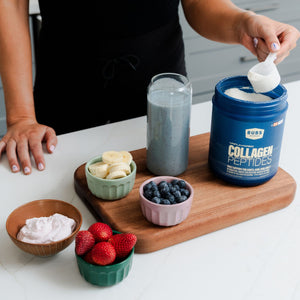
When you use a high-quality product from the Collagen Peptides Collection, you aren't just eating protein; you are consuming hydrolyzed peptides. "Hydrolyzed" means the long chains of amino acids have been broken down into smaller pieces that are easier for your body to absorb and utilize. This bioavailability is at the heart of our "no-BS" approach. We believe in simple, effective ingredients that actually do what they say. Our collagen is unflavored, mixes instantly in your morning coffee or post-workout shake, and is NSF for Sport certified, ensuring that what you see on the label is exactly what you get in the tub.
The Role of Omega-3 Fatty Acids
While collagen provides the structure, omega-3 fatty acids provide the fluid environment that allows those structures to thrive. Omega-3s are a family of polyunsaturated fats that are "essential," meaning the body cannot produce them on its own. We must get them through our diet—primarily from fatty fish like salmon, sardines, and mackerel—or through supplementation. The two most critical types of omega-3s for human health are eicosapentaenoic acid (EPA) and docosahexaenoic acid (DHA).
EPA and DHA are famous for their role in supporting heart health and cognitive function, but their benefits for the skin and joints are equally profound. Every cell in your body is surrounded by a cell membrane made of fats. When your diet is rich in omega-3s, these membranes become more fluid and resilient. This fluidity is essential for cell signaling and for keeping moisture locked within the cells. In the context of skin health, this means a more hydrated, plump appearance and a stronger barrier against environmental stressors.
Furthermore, omega-3s are powerful modulators of the body's natural inflammatory response. In an active lifestyle, some inflammation is necessary—it’s the signal that tells the body to repair muscle tissue after a hard workout. However, chronic, low-grade inflammation can lead to joint discomfort and a breakdown of collagen fibers. By incorporating omega-3s into your routine, you are essentially providing the "oil" for the machine, helping to maintain smooth joint function and protecting the very collagen fibers you are working so hard to build.
Many people find that their diets are skewed toward omega-6 fatty acids, which are found in many vegetable oils and processed foods. While omega-6s are also necessary, an imbalance can lead to an environment that isn't conducive to optimal recovery. This is why high-quality fish oil or algae-based omega-3 supplements are such a staple in wellness routines. They work behind the scenes to ensure that the structural components of your body—supported by our Collagen Peptides Collection—are operating in a calm, well-hydrated environment.
The Synergy: How They Work Together
Now we get to the heart of the matter: why can you take collagen and omega 3 together? The answer lies in their complementary roles. Collagen and omega-3s target different aspects of the same goal—full-body wellness and structural integrity. They don't compete for absorption because they are digested and metabolized through different pathways. Collagen is a protein, which the body breaks down into amino acids in the stomach and small intestine. Omega-3s are fats, which require bile for emulsification and are absorbed differently.
Because they don't interfere with one another, taking them at the same time is not only safe but often recommended. Think of it like building a house. The Collagen Peptides are the bricks and the timber—the hard materials that give the house its shape and strength. The omega-3s are the mortar and the weatherproofing—the materials that fill in the gaps, provide flexibility, and protect the structure from the elements.
This synergy is particularly visible in skin health. Collagen supports the dermis, the deeper layer of the skin where elasticity and firmness are determined. Omega-3s support the epidermis, the outermost layer, by reinforcing the lipid barrier that prevents moisture loss. When you combine them, you are supporting the skin from both the inside and the outside. The result is skin that isn't just firm, but also hydrated and resilient.
The same logic applies to your joints. While collagen helps maintain the integrity of the cartilage and tendons, omega-3s help regulate the inflammatory markers that can lead to joint stiffness. For anyone following a rigorous training program, this two-pronged approach is invaluable. To further support this recovery process, many of our community members also include Creatine Monohydrate in their stack. While collagen and omega-3s focus on the connective tissue and cell health, creatine supports the muscle’s energy production, creating a comprehensive foundation for performance.
Biological Pathways and Absorption
To be absolutely clear on the safety and efficacy of this combination, we have to look at how the body handles these nutrients. A common concern with supplements is "competitive inhibition," where two nutrients use the same transporter to enter the bloodstream. This is why you might be told not to take large amounts of zinc and copper at the exact same time. However, proteins (like collagen) and lipids (like omega-3s) do not share transporters.
When you consume our Collagen Peptides Collection, your digestive system breaks those peptides down into their constituent amino acids. These amino acids are then transported across the intestinal wall via specific protein transporters. Once in the bloodstream, they travel to the parts of the body that need them most—whether that’s a recovering knee joint or the fibroblasts in your skin that are responsible for creating new collagen.
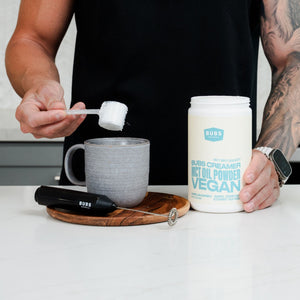
Omega-3s, on the other hand, follow the path of dietary fats. They are emulsified by bile from the gallbladder and broken down by lipase enzymes. They are then packaged into chylomicrons and transported through the lymphatic system before entering the blood. Because these two processes are so distinct, there is no "traffic jam" in your digestive system. In fact, taking your omega-3s with a meal that includes some healthy fats can actually improve their absorption. This is where our MCT Oil Creamer – 10 oz Tub becomes a fantastic addition to your morning routine. Adding a scoop of MCT oil powder to your collagen-enriched coffee provides the healthy fats that can help your body process fat-soluble nutrients more effectively while giving you sustained, clean energy for the day ahead.
By understanding these pathways, we can confidently say that taking these two together is a smart, efficient way to manage your supplement intake. You aren't wasting money or product; you are providing your body with a diverse array of nutrients that it can process simultaneously. This is the essence of a "clean" approach to wellness: giving the body exactly what it needs in a form it can actually use.
Supporting Skin Health from the Inside Out
The quest for healthy, glowing skin is often focused on what we apply topically. While high-quality serums and moisturizers have their place, the real foundation of skin health is built from within. This is where the combination of collagen and omega-3s truly shines. As we’ve discussed, collagen provides the structural matrix. It’s what keeps skin from sagging and helps it "snap back." However, structure without hydration is brittle.
Imagine a dry sponge. If you try to bend it, it might crack or stay deformed. But if that sponge is full of water, it becomes flexible and resilient. Omega-3s help ensure your skin cells stay "well-watered." By incorporating these fats, you are supporting the phospholipid bilayer of every skin cell. This helps prevent "trans-epidermal water loss," which is a fancy way of saying it keeps the moisture inside your skin where it belongs.
When you use our Collagen Peptides, you are providing the proline and glycine that serve as the raw materials for new skin tissue. To maximize this process, many people also supplement with Vitamin C. Vitamin C is an essential cofactor in collagen synthesis; without it, the body cannot effectively cross-link the amino acids to form stable collagen fibers.
Together, collagen, omega-3s, and Vitamin C form a powerhouse trio for anyone interested in maintaining their skin’s youthful resilience. It’s not about "anti-aging" in a way that fights nature; it’s about providing your body with the resources it needs to age as healthily as possible. At BUBS, we are all about that life of adventure. Whether you are out in the sun, the wind, or the cold, your skin is your first line of defense. Taking care of it with the right nutrients is just as important as wearing the right gear for the trail.
Joint Integrity and Athletic Recovery
For the athlete, the question "can you take collagen and omega 3 together" usually stems from a desire to stay in the game longer. Whether your passion is CrossFit, trail running, or surfing, your joints take a beating. Every step, jump, and lift puts stress on your cartilage and tendons. Over time, this stress can lead to wear and tear that outpaces the body’s natural repair mechanisms.
Collagen is a major component of articular cartilage—the smooth tissue that covers the ends of bones where they come together to form joints. Supplementing with the Collagen Peptides Collection has been shown to support joint comfort and function, likely by providing the specific amino acids needed to maintain this cartilage. But as any athlete knows, joint issues are often accompanied by inflammation.
This is where omega-3s come in. By helping to balance the body's inflammatory response, omega-3s can help reduce the stiffness that often follows a high-intensity workout. When the "environment" of the joint is less inflamed, the collagen-building process can proceed more efficiently. It’s a classic example of synergy: one supplement helps maintain the structure, while the other helps manage the stress placed on that structure.
To further aid in this recovery, we always emphasize the importance of hydration. Proper fluid and electrolyte balance is essential for moving nutrients into your cells and clearing out metabolic waste. Our Hydrate or Die – Lemon provides a high-performance electrolyte blend that ensures your body has the mineral balance necessary for these processes to happen. When you are properly hydrated, your blood flow is optimized, ensuring that the amino acids from your collagen and the fatty acids from your omega-3s reach the tissues that need them most.
The BUBS Naturals Story: Quality with a Purpose
Everything we do at BUBS Naturals is inspired by the life and legacy of Glen "BUB" Doherty. Glen was a Navy SEAL, an adventurer, and a man who lived his life with intensity and purpose. He was also a friend who believed in the power of being prepared—both mentally and physically—for whatever challenge came next. When we founded BUBS, we didn't just want to create another supplement company; we wanted to create a brand that lived up to Glen’s standards.
That means we don't cut corners. Our Collagen Peptides Collection is sourced from grass-fed, pasture-raised cattle because we believe that the quality of the source directly impacts the quality of the result. We subject our products to rigorous third-party testing, including NSF for Sport certification, so that the most elite athletes in the world can trust what they are putting into their bodies.
But our commitment goes beyond the ingredients. We follow the 10% Rule: 10% of all our profits are donated to veteran-focused charities in honor of Glen. When you choose BUBS, you aren't just investing in your own health; you are helping to support the men and women who have served our country. This sense of purpose is what drives us to maintain our "no-BS" approach. We keep our ingredient lists short, our labels transparent, and our mission clear. Whether you’re mixing our collagen into your morning routine or taking our Apple Cider Vinegar Gummies for digestive support, you’re part of a community that values adventure, wellness, and giving back.
How to Integrate Collagen and Omega-3 Into Your Day
Consistency is the most important factor in any supplement routine. You won't see the full benefits of collagen or omega-3s from a single dose; they work through gradual accumulation and the consistent support of your body's natural processes. Integrating them into your daily life doesn't have to be complicated.
A great way to start is in the morning. Many people find that adding a scoop of Collagen Peptides to their first cup of coffee is the easiest way to ensure they never miss a day. Our collagen is completely tasteless and dissolves instantly, so it won't ruin your favorite brew. To make it even more effective, add a scoop of Butter MCT Oil Creamer – 10 oz Tub. This provides the healthy fats that can aid in the absorption of your morning supplements, including your omega-3s.
Speaking of omega-3s, most people find it easiest to take their fish oil or algae oil softgels with a meal. Breakfast or dinner are both excellent choices. Taking them with food helps minimize any potential "fishy" aftertaste and ensures that your digestive system is primed to absorb the fats. If you prefer to keep your mornings light, you might take your collagen in a post-workout shake alongside Hydrate or Die – Mixed Berry and save your omega-3s for your largest meal of the day.
The key is to find a rhythm that works for you. There is no "perfect" time that will drastically change the results, as long as you are getting these nutrients into your system daily. For those who are always on the go, our travel-friendly options, like the MCT Oil Creamer – 14 ct Travel Pack, make it easy to maintain your routine even when you’re away from home.
Potential Side Effects and Considerations
While collagen and omega-3s are generally very well-tolerated, it is always important to listen to your body and understand what you are consuming. Collagen is a protein, and for some people, a sudden increase in protein intake can lead to a temporary feeling of fullness or mild bloating. This usually subsides as the body adjusts. If you have a sensitive stomach, you might start with a half-scoop of collagen and work your way up to a full serving.
With omega-3s, the most common "side effect" is simply the taste. High-quality fish oils are less likely to cause this, but some people experience minor indigestion or a fishy aftertaste. Taking your supplement with a full meal usually resolves this. It is also important to note that omega-3s can have a mild blood-thinning effect. While this is often seen as a benefit for cardiovascular health, it’s something to be aware of if you are already taking blood-thinning medications or have an upcoming surgery. As always, we recommend consulting with a healthcare professional before starting any new supplement regimen, especially if you have underlying health conditions.
The source of your supplements matters immensely. Those with fish or shellfish allergies should be careful with marine-sourced collagen and fish oil. Our primary collagen at BUBS is bovine-sourced, making it a great alternative for those who need to avoid marine products. We believe in transparency, which is why we emphasize our third-party testing. We want you to feel confident that your supplements are free from heavy metals, toxins, and unwanted fillers. By choosing the Collagen Peptides Collection, you are choosing a product that has been vetted for purity and performance.
The Long-Term Benefits of the Duo
When you commit to a routine of collagen and omega-3s, you aren't just looking for a "quick fix." You are investing in your future self. The benefits of these two nutrients are cumulative. Over weeks and months, you may notice that your skin feels less dry, your hair looks shinier, and your nails are stronger. You might find that the morning stiffness in your joints isn't quite as pronounced, or that you’re recovering just a little bit faster from your weekend adventures.
This is what we call "functional wellness." It’s about more than just the absence of issues; it’s about the presence of vitality. By supporting the structural and inflammatory systems of the body, you are creating a foundation that allows you to stay active and engaged with the world. This mirrors the way Glen lived his life—always ready for the next mission, the next trip, or the next opportunity to help someone else.
In the long run, the synergy between the Collagen Peptides Collection and omega-3s helps mitigate the natural effects of aging and physical stress. It’s a proactive approach to health that recognizes the body as an interconnected system. When you support one part, like your cell membranes, you are ultimately supporting the whole. We are honored to be a part of that journey with you, providing the clean, effective tools you need to live your own life of adventure.
Summary and Final Thoughts
So, can you take collagen and omega 3 together? Not only can you, but doing so provides a comprehensive, multi-layered approach to wellness that covers everything from the structural integrity of your joints to the hydration of your skin. Collagen provides the essential amino acids—the bricks and mortar—while omega-3s provide the fluid, anti-inflammatory environment—the oil for the machine. Together, they help you maintain a body that is as resilient as it is strong.
We’ve explored how these two nutrients are absorbed through different pathways, ensuring there is no competition for absorption. We’ve discussed their specific roles in skin and joint health, and how they can be seamlessly integrated into your daily routine. We also highlighted the importance of quality, third-party testing, and the mission-driven approach we take at BUBS Naturals, inspired by the legacy of Glen "BUB" Doherty.
Wellness isn't about complexity; it’s about the consistent application of simple, high-quality principles. One scoop of collagen, a high-quality omega-3, and a commitment to staying active can make a world of difference. If you're ready to see how these science-backed ingredients can support your journey, we invite you to explore our Collagen Peptides Collection. Whether you’re scaling a mountain or just keeping up with your daily grind, we’re here to help you feel the BUBS difference. Every purchase supports your health and the legacy of a true American hero. Let’s get after it, together.
FAQ
1. Is it better to take collagen and omega-3s in the morning or evening?
There is no "wrong" time to take these supplements, as the most important factor is consistent daily use. However, many people find it helpful to take their Collagen Peptides in the morning by mixing them into coffee or a smoothie to start the day with a protein boost. Omega-3s are best taken with a meal that contains some fat to maximize absorption, so if your breakfast is light, you might prefer taking them with lunch or dinner.
2. Can I get enough collagen and omega-3s through food alone?
While it is possible, it can be challenging with modern diets. Collagen is primarily found in connective tissues, skin, and bones—parts of the animal we often don't eat. Omega-3s are found in fatty fish, but many people do not consume the recommended 2-3 servings per week. Using the Collagen Peptides Collection and a high-quality omega-3 supplement ensures you are getting concentrated, bioavailable doses of these essential nutrients every day.
3. Does collagen contain any omega-3 fatty acids?
No, collagen is a pure protein made of amino acids and does not naturally contain any fats, including omega-3s. Similarly, fish oil or omega-3 supplements do not contain protein or collagen. This is exactly why they are so effective when taken together; they provide two entirely different sets of nutrients that the body needs for different purposes.
4. Are there any specific vitamins that help collagen and omega-3s work better?
Yes, Vitamin C is an essential cofactor for collagen synthesis, helping the body "knit" the amino acids together into strong fibers. Taking a Vitamin C supplement alongside your collagen is a great way to support this process. For omega-3s, having enough Vitamin E in your diet can help protect these delicate fats from oxidation within the body. Together, these nutrients create a robust environment for health and recovery.