Table of Contents
- Introduction
- What is Collagen?
- The Science Behind Collagen Powder
- Can You Put Collagen Powder on Your Face?
- The Role of Nutrition in Collagen Production
- The BUBS Approach to Collagen and Wellness
- Conclusion
- FAQ
Have you ever found yourself scrolling through social media, captivated by the glowing skin of your favorite influencer? It’s hard not to notice the buzz surrounding collagen—supplements, powders, and even skincare products boasting its benefits are everywhere. But can you really put collagen powder on your face? Or is it merely a marketing gimmick? At BUBS Naturals, we believe in the power of clean, functional supplements and are committed to unraveling the truth behind collagen. In this blog post, we will explore the fascinating world of collagen, its role in skincare, and whether incorporating collagen powder into your beauty routine is worth considering.
Introduction
The conversation around collagen has gained significant momentum in recent years, driven by the desire for youthful skin and an increasing awareness of the importance of maintaining overall wellness. This protein, which serves as a vital building block for our skin, hair, nails, and joints, has been touted as a miracle solution to combat signs of aging. But with so much information floating around, it’s essential to separate fact from fiction.
Collagen is the most abundant protein in our bodies, accounting for nearly 30% of total protein content. It provides structure and elasticity to the skin, yet natural collagen production declines with age, leading to wrinkles, sagging skin, and dryness. This decline has spurred the popularity of collagen supplements—often in powder form—as a way to replenish lost collagen and support skin health.
In this blog post, we will delve into the science behind collagen, explore the potential benefits of collagen powder, and examine whether it can be effectively used on the skin or, more appropriately, consumed for internal benefits. By the end, you’ll understand the role of collagen in your skincare routine and how it aligns with a holistic approach to beauty and wellness.
What is Collagen?
Collagen is a group of proteins that form the structural framework of various tissues in the body, including skin, tendons, cartilage, and bones. It consists of amino acids, primarily glycine, proline, and hydroxyproline, which are crucial for maintaining skin elasticity and hydration.
Types of Collagen
There are at least 16 different types of collagen; however, the four most prevalent types found in the human body are:
-
Type I: The most abundant type, found in skin, bones, tendons, and ligaments.
-
Type II: Primarily located in cartilage, offering support and cushioning.
-
Type III: Often found alongside Type I, it supports the structure of muscles, organs, and arteries.
-
Type IV: Located in the layers of the skin, it aids in filtration.
Understanding these types helps clarify why collagen supplementation has garnered attention in both wellness and beauty industries.
The Science Behind Collagen Powder
Collagen powder primarily contains hydrolyzed collagen peptides, which are smaller chains of amino acids that are easier for the body to absorb. When consumed, these peptides travel through the bloodstream and stimulate fibroblasts—the cells responsible for producing collagen and elastin in the skin.
Benefits of Collagen Powder for Skin Health
Research has suggested that collagen supplements may offer several benefits for skin health, including:
-
Improved Hydration: Collagen can help the skin retain moisture, leading to a plumper, more radiant appearance.
-
Enhanced Elasticity: Regular consumption may help boost skin elasticity and firmness, reducing the appearance of fine lines and sagging.
-
Reduction of Wrinkles: Long-term use has been linked to smoother, more youthful-looking skin.
-
Support for Skin Barrier Function: Collagen can strengthen the skin's outer layer, protecting against environmental damage.
-
Wound Healing: Some studies indicate it may aid in tissue repair and reduce the appearance of scars.
While the evidence is promising, it’s essential to approach these claims with a balanced perspective. Many studies have been funded by the supplement industry, raising questions about potential bias.
Can You Put Collagen Powder on Your Face?
The idea of applying collagen powder directly to the skin may sound appealing, but here’s the reality: collagen peptides in powder form are not designed for topical application. When you ingest collagen powder, it gets broken down into amino acids in your digestive system, which your body then uses to build proteins as needed.
Topical Application vs. Ingestion
-
Topical Products: Many skincare products claim to contain collagen; however, the molecules are often too large to penetrate the skin effectively. Instead, they may provide a temporary moisturizing effect but do not significantly boost collagen levels in the skin.
-
Ingesting Collagen: The more effective route for enhancing skin health appears to be through ingestion. Consuming collagen powder as part of a balanced diet, along with other nutrients like vitamin C, can support your body’s natural collagen production and contribute to skin health from within.
The Role of Nutrition in Collagen Production
While collagen supplements can play a role in enhancing your body’s collagen levels, it’s essential to understand that a holistic approach to nutrition is vital. Here are some key dietary components that support collagen synthesis:
-
Vitamin C: This vitamin is crucial for collagen production and can be found in citrus fruits, berries, and leafy greens.
-
Amino Acids: Foods rich in protein, such as chicken, fish, and legumes, provide the necessary building blocks for collagen.
-
Antioxidants: Foods rich in antioxidants, like berries and nuts, can help protect collagen from degradation caused by oxidative stress.
-
Healthy Fats: Omega-3 fatty acids found in fish, flaxseeds, and walnuts can help maintain skin health and prevent inflammation.
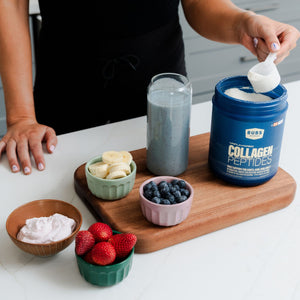
At BUBS Naturals, we believe in the power of a nutrient-rich diet combined with our clean, high-quality supplements like our Collagen Peptides.
The BUBS Approach to Collagen and Wellness
At BUBS Naturals, our mission is rooted in wellness, adventure, and giving back. We take pride in offering clean, science-backed supplements that support active lifestyles. Our Collagen Peptides are sourced from grass-fed, pasture-raised bovine collagen, ensuring high-quality, effective ingredients without any unnecessary fillers.
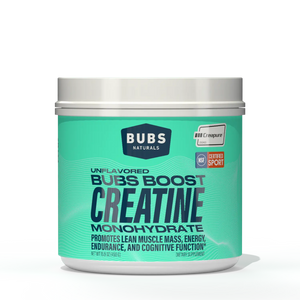
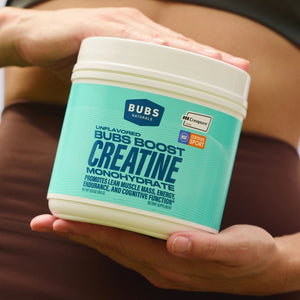
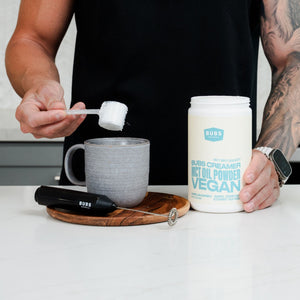
In addition to collagen, we offer a range of products that complement your wellness journey, including:
By integrating our supplements with a balanced diet and healthy lifestyle choices, you can create a robust foundation for overall wellness and radiant skin.
Conclusion
So, can you put collagen powder on your face? The answer is no; topical application of collagen powder is not effective for enhancing skin health. Instead, we recommend incorporating collagen powder into your diet to support your body’s natural collagen production and improve skin health from within.
While the science surrounding collagen is promising, it’s essential to adopt a holistic approach that includes a balanced diet, proper hydration, and protective skincare. At BUBS Naturals, we’re committed to empowering you on your wellness journey, providing clean and effective supplements that enhance your active lifestyle.
FAQ
1. How long does it take to see results from collagen supplements?
Most studies indicate that consistent use over 8-12 weeks is necessary to see noticeable results, particularly regarding skin hydration and elasticity.
2. Are there any side effects of taking collagen supplements?
Collagen supplements are generally considered safe, but some individuals may experience digestive discomfort. It’s always best to consult with a healthcare provider before starting any new supplement.
3. Can I get collagen from food?
Yes, foods like bone broth, chicken skin, fish, and egg whites are excellent sources of collagen. Additionally, a diet rich in vitamins and minerals can support your body’s natural collagen production.
4. Do I need to take collagen supplements if I eat a healthy diet?
While a balanced diet can provide many essential nutrients for collagen production, supplements may provide an additional boost, especially for individuals looking to enhance their skin health or who have specific dietary restrictions.
5. Is collagen suitable for everyone?
Collagen supplements are generally safe for most people, but individuals with dietary restrictions, allergies, or specific health conditions should consult with a healthcare provider before use.
Investing in your skin health and well-being is a journey, and we’re here to support you every step of the way!