Table of Contents
- Introduction
- Why Mixing Collagen with Water Works
- The Science of Dissolvability
- How to Mix Collagen Without Clumping
- Temperature Matters: Hot vs. Cold Water
- Does Collagen Change the Taste of Water?
- When Should You Drink Your Collagen Water?
- Maximizing the Benefits of Collagen Water
- The BUBS Naturals Difference
- Common Mistakes to Avoid
- Conclusion
- FAQ
Introduction
You are looking for the simplest way to get your daily collagen. You have the tub on the counter, a glass in your hand, and one question: can you mix collagen powder in water? The short answer is a definitive yes. In fact, for many of us at BUBS Naturals, mixing collagen with water is the go-to method because it is fast, efficient, and fits into even the most chaotic morning routines. Our Collagen Peptides are designed to make that routine easy.
Collagen is the most abundant protein in your body, acting as the literal glue that holds your joints, skin, and connective tissues together. As we age, our natural production of this protein starts to dip. Supplementing is a practical way to support your body's structural integrity. This post covers exactly how to mix your powder for the best texture, why water is an effective delivery system, and how to troubleshoot common issues like clumping.
We believe that wellness should be straightforward. Whether you are prepping for a morning rucking session or just trying to maintain joint health as you age, knowing how to properly use your supplements is the first step toward better performance.
Quick Answer: Yes, you can mix collagen powder in water. For the best experience, use hydrolyzed collagen peptides, which are designed to dissolve easily in both hot and cold liquids without changing the texture of your drink.
Why Mixing Collagen with Water Works
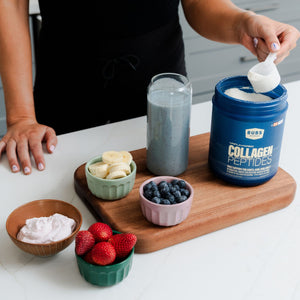
When you mix collagen powder into water, you are essentially creating a functional hydration drink. If you want a deeper breakdown of the method, our guide on how to take collagen powder with water walks through the basics.
Most high-quality collagen supplements, including our Collagen Peptides, are "hydrolyzed." Hydrolysis is a process where the long chains of collagen proteins are broken down into smaller pieces called peptides.
These peptides have a lower molecular weight, which makes them much easier for your body to absorb. In technical terms, this is called high bioavailability. Because the particles are so small, they don't just sit on top of the water; they are designed to integrate with the liquid.
Mixing with water is also one of the best ways to ensure you are actually taking your supplement. Some people find that adding it to complex recipes or heavy smoothies makes the routine feel like a chore. Water is always available. By keeping it simple, you increase your chances of staying consistent, which is where the real benefits of collagen—like improved skin elasticity and joint comfort—actually happen.
The Science of Dissolvability
Not all powders are created equal. If you have ever tried to mix a standard protein powder into water with just a spoon, you probably ended up with a chalky, clump-filled mess. Collagen is different because of its chemical structure.
Hydrolyzed collagen is "hydrophilic," meaning it is attracted to water. When the powder hits the liquid, the water molecules surround the peptides, pulling them apart and allowing them to disperse evenly. This is why a high-quality peptide powder will eventually turn clear or slightly off-white in water, rather than staying cloudy or thick.
Types of Collagen and Water Solubility
Most collagen on the market comes from either bovine (cow) or marine (fish) sources. Bovine collagen, which we use, is rich in Type I and Type III collagen. These types are the heavy hitters for skin, hair, nails, and joint health. When these are hydrolyzed properly, they dissolve into water with almost zero impact on the viscosity of the liquid. You get the protein hit without the "thick" feeling of a traditional shake.
How to Mix Collagen Without Clumping
Even the best powders can clump if the technique is off. Clumping happens when the outer layer of the powder hits the water and creates a sticky barrier, preventing the water from reaching the dry powder inside the "ball."
To get a smooth mix every time, follow these steps:
-
The Temperature Strategy: If you are using ice-cold water, the powder may take longer to dissolve. Try mixing the collagen into about two inches of room-temperature water first. Stir it until it is a liquid "sludge," then top it off with your cold water and ice.
-
The Pour Order: Never put the powder in the glass first and then pour water over it. This often traps air and powder at the bottom. Fill your glass with water first, then slowly add the scoop of collagen while stirring.
-
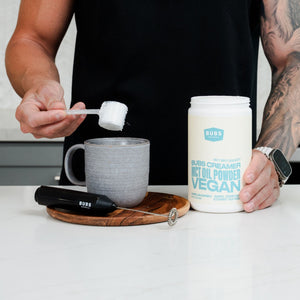
Use a Frother: A small handheld milk frother is a game-changer for collagen. It creates enough vortex action to break apart any tiny particles instantly.
-
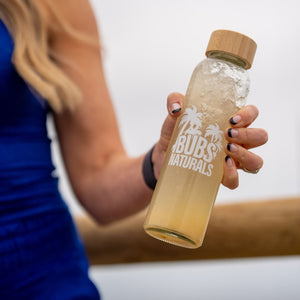
The Shaker Bottle: If you are on the go, a shaker bottle with a wire whisk ball is the most reliable tool. Give it a hard shake for about 10 seconds, and the clumps will disappear.
| Method |
Effectiveness |
Best For |
| Spoon Stirring |
Moderate |
Room temp or hot water |
| Shaker Bottle |
High |
Cold water and gym routines |
| Handheld Frother |
Excellent |
Getting a completely clear mix |
| Blender |
Excellent |
Smoothies or large batches |
Key Takeaway: Clumping is a physical reaction, not a sign of poor quality. Using a "liquid-first" approach and a mechanical mixer like a frother or shaker bottle will eliminate clumping in seconds.
Temperature Matters: Hot vs. Cold Water
A common myth is that heat "kills" the nutrients in collagen. This is not true. Collagen peptides are heat-stable up to very high temperatures—usually well above the boiling point of water. This means you can mix your collagen into hot tea, coffee, or even boiling water without losing the benefits of the amino acids.
Mixing in Hot Water
In hot water, collagen dissolves almost instantly. The heat increases the kinetic energy of the molecules, allowing the peptides to break apart and integrate with the water faster than they would in a cold environment. If you enjoy a warm mug of water with lemon in the morning, that is an ideal time to add your scoop.
Mixing in Cold Water
In cold water, the process is slightly slower. You might notice the powder "clumping" or floating on top for a few seconds. This is normal. If you are patient and keep stirring, it will eventually disappear. Using the "lukewarm start" method mentioned earlier is the best way to bypass the wait time.
Does Collagen Change the Taste of Water?
This depends entirely on the source and the quality of the brand. We pride ourselves on offering a collagen that is truly unflavored and odorless. When you mix our Collagen Peptides into plain water, the water should still taste like water.
However, some lower-grade collagens can have a slightly "bovine" or "earthy" aftertaste. If you find the taste of plain collagen water unappealing, you don't have to force it. You can easily modify the flavor without adding junk to your diet.
-
Lemon or Lime: A squeeze of fresh citrus masks any subtle notes and adds Vitamin C, which actually helps your body process the collagen.
-
Electrolytes: Mixing collagen with an electrolyte powder, like our Hydrate or Die, is a great way to double up on your recovery needs. The fruit flavors of the electrolytes completely take over, and you get the benefits of both.
-
Fruit Infusions: Drop a few cucumber slices or berries into your collagen water for a refreshing, spa-like drink.
Myth: Collagen powder always makes water taste like bone broth.
Fact: High-quality hydrolyzed collagen peptides are specifically processed to be neutral in taste and smell. If your collagen water tastes "funky," it might be due to poor sourcing or processing.
When Should You Drink Your Collagen Water?
One of the best things about collagen is its flexibility. Unlike some supplements that require specific windows (like pre-workout stimulants), collagen is about total daily intake and consistency.
Morning Fasting
Many people choose to drink their collagen water first thing in the morning. Since collagen contains amino acids but no fats or sugars, it is often used by those who practice intermittent fasting. While it does contain calories (from protein), many find that it doesn't cause a significant spike in insulin, making it a popular "fast-friendly" supplement.
Post-Workout Recovery
After a hard training session, your connective tissues—tendons and ligaments—need raw materials to repair. Drinking collagen water after a workout provides the glycine and proline your body needs to rebuild those tissues. While whey protein is great for muscles, collagen is specifically geared toward the "hardware" of your body.
Before Bed
There is some evidence suggesting that the amino acid glycine, which is abundant in collagen, can support better sleep quality. A warm glass of collagen water (perhaps with some tea) before bed might help you wind down and recover while you sleep.
Maximizing the Benefits of Collagen Water
Simply drinking the water is a great start, but you can make it work harder for you. Your body requires certain co-factors to turn those supplemental peptides into actual collagen fibers in your skin and joints.
Add Vitamin C
Vitamin C is the essential "on switch" for collagen synthesis. Without it, your body struggles to knit the amino acids together into strong fibers. If you are mixing your collagen in water, consider adding a Vitamin C supplement or a heavy squeeze of lemon juice to ensure your body can actually use what you are giving it.
Combine with Creatine
For those who are active, mixing Creatine Monohydrate and collagen in the same glass of water is an efficient way to support both muscle power and joint health. Our Creatine is unflavored and dissolves just as easily as the collagen, making them a perfect pair for a daily "performance water."
Watch Your Protein Intake
Collagen is a "functional protein," but it is not a complete protein because it lacks the essential amino acid tryptophan. You shouldn't rely on collagen water as your only source of protein. Think of it as a specialized tool for your joints and skin, while you get your other essential amino acids from a varied diet of whole foods.
The BUBS Naturals Difference
We didn't start this brand just to put another tub on a shelf. We started it to honor the legacy of Glen "BUB" Doherty, a Navy SEAL who lived a life of high-performance adventure and service. That mission dictates everything we do, from the ingredients we source to the way our products mix. You can read more about that mission on Our Story.
Our Collagen Peptides are grass-fed and pasture-raised. We make sure they are NSF for Sport certified because we know that many of our customers—from professional athletes to military personnel—need to trust exactly what is in their shaker bottle. When you mix our powder into your water, you are getting a clean, single-ingredient product that has been third-party tested for purity. There are no fillers, no "natural flavors" that hide low-quality sourcing, and no BS.
Common Mistakes to Avoid
Even if you have the best intentions, a few simple mistakes can make your collagen water experience less than ideal.
-
Using Too Much at Once: If you dump three scoops into a tiny glass of water, it will become thick and difficult to dissolve. Stick to the recommended serving size (usually one or two scoops) per 8–12 ounces of water.
-
Not Stirring Long Enough: Even hydrolyzed peptides need a few seconds to fully integrate. If you see a few small particles, keep stirring or give it a minute to settle. It will eventually turn clear.
-
Leaving it Out Too Long: While collagen is stable, water sitting out at room temperature can grow bacteria over time. Treat your collagen water like any other food product—drink it within a reasonable timeframe or keep it refrigerated.
-
Buying Non-Hydrolyzed Collagen: If you accidentally buy gelatin instead of collagen peptides, it will not dissolve in water. It will turn your water into a thick, jelly-like substance. Always check the label for the word "peptides" or "hydrolyzed."
Bottom line: Mixing collagen in water is the most efficient and versatile way to support your joints and skin. As long as you use a liquid-first approach and a high-quality hydrolyzed powder, it should be a seamless part of your daily routine.
Conclusion
Can you mix collagen powder in water? Not only can you, but you probably should if you want a no-fuss way to stay consistent with your wellness goals. Whether you prefer it cold in a shaker bottle during a hike or hot in your morning mug, collagen water is a simple, effective tool for anyone looking to support their body’s natural "glue."
To recap:
- Always use hydrolyzed collagen peptides for the best solubility.
- Put the water in your glass before the powder.
- Use a frother or shaker bottle to eliminate clumps.
- Add Vitamin C or electrolytes to boost the benefits.
If you want another angle on the same routine, our post on whether you can take collagen with water is a helpful next read.
At BUBS Naturals, we are committed to providing products that back up your active lifestyle. We also believe in a higher purpose. That’s why we donate 10% of all our profits to veteran-focused charities in BUB’s honor. Every scoop you take is a step toward your own health and a way to give back to those who served.
Ready to start your routine? Grab a tub of our clean, grass-fed Collagen Peptides and see how easy it is to upgrade your daily hydration.
FAQ
Does collagen powder lose its effectiveness if mixed with water?
No, mixing collagen powder with water does not decrease its effectiveness. Hydrolyzed collagen peptides are highly stable and are actually designed to be dissolved in liquids for optimal absorption by the digestive system.
Can I mix collagen in cold water without it clumping?
Yes, you can mix collagen in cold water without clumps by using a shaker bottle or a handheld frother. Another trick is to mix the powder into a small amount of room-temperature water first to create a smooth liquid, then add your ice and cold water.
How long does it take for collagen to dissolve in water?
In hot water, high-quality collagen peptides usually dissolve in less than 10 seconds. In cold water, it may take 30 to 60 seconds of stirring, or just a few seconds if you use a mechanical mixer like a frother or shaker.
Is it better to drink collagen water on an empty stomach?
There is no definitive scientific evidence that says collagen must be taken on an empty stomach for it to work. The most important factor for seeing results is consistency, so choose the time of day that makes it easiest for you to remember your daily scoop.