Table of Contents
- Introduction
- Understanding the Partnership
- The Role of Digestion and Gut Health
- Metabolic Support and Blood Sugar Management
- Skin, Hair, and Nail Health
- Joint Support and Inflammation
- How to Take Collagen and ACV Together
- Timing and Consistency
- Practical Tips for Success
- The Science of Protein Digestion
- Potential Considerations and Safety
- Why Quality Matters
- Conclusion
- FAQ
Introduction
Finding a morning routine that actually works can feel like a full-time job. You want a routine that provides energy without a crash and supports your health goals without a cabinet full of complicated pills. Many people have started pairing two of the most popular wellness supplements on the market: collagen peptides and apple cider vinegar (ACV). This combination is more than just a trend; it is a practical way to support your gut, skin, and metabolic health in one go.
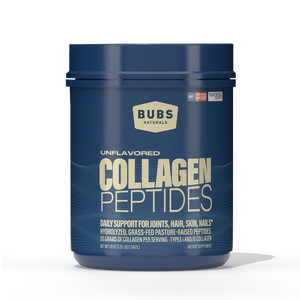
At BUBS Naturals, we believe in keeping your wellness routine simple and effective. Combining these two powerhouses can provide a solid foundation for your day. Whether you are looking to support your joints after a heavy lifting session or you want to keep your digestion on track, understanding how these ingredients work together is the first step. This guide covers the benefits, the science, and the most effective ways to take collagen with apple cider vinegar. If you want to start with our core formula, you can explore Collagen Peptides here.
We will look at how the acidity of vinegar interacts with protein, the potential benefits for your blood sugar, and how to mix them so they fit your lifestyle. By the end of this article, you will know exactly how to incorporate this duo into your daily life for the best results.
Quick Answer: Yes, you can take collagen with apple cider vinegar. Mixing them is generally safe and may offer complementary benefits for digestion, skin health, and blood sugar management.
Understanding the Partnership
To understand if you can take collagen with apple cider vinegar, you first need to know what each one does on its own. Collagen is the most abundant protein in your body. It acts like the "glue" that holds everything together, providing structure to your skin, hair, nails, bones, and connective tissues. As we age, our natural production of this protein starts to slow down. This is why many of us choose to supplement to maintain our activity levels and physical resilience. For a deeper breakdown, read our guide on What Are Collagen Peptides and Their Benefits?.
Apple cider vinegar is a type of vinegar made from fermented apple juice. During the fermentation process, yeast and bacteria turn the sugars in the apples into acetic acid. This acid is the main active compound in ACV. High-quality ACV also contains "the Mother," which is a cloudy mixture of beneficial bacteria, proteins, and enzymes.
The question of whether you can mix them usually stems from concerns about acidity. People wonder if the acetic acid in the vinegar will "denature" or destroy the collagen protein. The short answer is no. In fact, your stomach is already a very acidic environment. When you consume protein, your stomach acid works to break it down into smaller chains called peptides so your body can absorb them. Adding a little more acidity from ACV does not hurt the collagen; it may even support the initial stages of digestion.
The Role of Digestion and Gut Health
One of the primary reasons people combine these two is for gut health. A healthy gut is the foundation of almost every other aspect of wellness, from your mood to your immune system. Both collagen and ACV have unique properties that support the digestive tract in different ways.
Acetic Acid and Stomach Acid
Many people struggle with digestion because they actually have low stomach acid, not too much. Low acid levels can lead to bloating, gas, and poor nutrient absorption. Apple cider vinegar may help by slightly increasing the acidity of the stomach environment. This supports the enzymes responsible for breaking down proteins. When you add collagen peptides—which are already broken down into smaller pieces—to this environment, your body can process the amino acids more efficiently.
Supporting the Gut Lining
Collagen is rich in specific amino acids like glycine, proline, and hydroxyproline. These are essential for maintaining the integrity of the gut lining. Think of your gut lining like a filter. It needs to be strong to keep toxins out while letting nutrients into your bloodstream. If that lining becomes weak, it can lead to various wellness challenges. Regular collagen intake may support the repair and maintenance of this barrier.
When you pair this with the prebiotic potential of the ACV "Mother," you are providing the building blocks for the gut structure while also supporting a healthy environment for beneficial bacteria. It is a two-pronged approach to internal wellness that fits naturally into an active lifestyle.
Key Takeaway: ACV helps create the acidic environment needed to break down proteins, while collagen provides the amino acids necessary to maintain a strong and healthy gut lining.
Metabolic Support and Blood Sugar Management
Another significant benefit of taking collagen with apple cider vinegar involves metabolic health. Maintaining stable blood sugar is critical for consistent energy levels and avoiding the mid-afternoon slump. If you are training hard or working long hours, you cannot afford the energy crashes that come from blood sugar spikes.
ACV and Insulin Sensitivity
Several studies suggest that apple cider vinegar can help improve insulin sensitivity. This means your cells are better at taking sugar out of your bloodstream to use for energy. Taking ACV before or during a meal that contains carbohydrates can help blunt the spike in blood sugar that often follows eating. This is a simple way to support a steady metabolic rate throughout the day. If you prefer a more convenient form, How to Use Apple Cider Vinegar Gummies for Wellness is a helpful place to start.
Protein and Satiety
Collagen is a pure source of protein. Protein is the most satiating macronutrient, meaning it helps you feel full for longer. When you add a scoop of collagen to an ACV tonic in the morning, you are adding protein to your routine without the heaviness of a full meal. This combination can help reduce cravings and keep you focused on your tasks rather than your next snack.
By managing blood sugar and increasing feelings of fullness, this duo can be a helpful tool for those looking to maintain a healthy weight or simply stay more energized. It is a science-backed way to support your body's natural processes.
Bottom line: Taking ACV and collagen together may help stabilize energy levels by improving insulin sensitivity and increasing feelings of fullness throughout the day.
Skin, Hair, and Nail Health
The "beauty from within" movement has made collagen a household name, but adding ACV to the mix might give you an extra edge. Your skin is your body's largest organ, and its health is often a reflection of what is happening inside.
Collagen as a Structural Foundation
Type I and Type III collagen are the primary types found in your skin. They provide the elasticity and firmness that keep skin looking youthful and resilient. As we age and collagen production drops, we start to see fine lines and a loss of moisture. Supplementing with hydrolyzed collagen—collagen that has been broken down into easily absorbed peptides—provides the body with the raw materials it needs to support skin hydration and structure.
ACV and Internal Balance
While many people use ACV topically, internal consumption plays a role in skin health too. ACV is known for its antimicrobial properties and its ability to help balance the body’s internal environment over time. By supporting healthy digestion and a balanced gut microbiome, ACV may help reduce the occurrence of skin issues that are often triggered by internal inflammation or poor gut health.
When you take them together, you are supporting the structural integrity of the skin through collagen while using ACV to promote a clean internal environment. This combined effort is often more effective than relying on topical products alone.
Joint Support and Inflammation
For the athletes and adventurers in our community, joint health is a top priority. Whether you are trail running, rucking, or hitting the heavy bag, your joints take a beating. Maintaining them is essential for longevity in any sport or hobby.
Cartilage and Connective Tissue
Collagen is a major component of cartilage, the slippery tissue that cushions your joints. When cartilage wears down, you feel it in the form of stiffness and discomfort. Many athletes report that regular collagen supplementation helps support joint mobility and reduces the "creaky" feeling that comes after a long workout. Because collagen supports the tendons and ligaments as well, it helps keep your entire movement system resilient.
Potential Anti-Inflammatory Effects
Apple cider vinegar has been used in traditional wellness for centuries to help with joint discomfort. While more modern research is needed, many believe that the acetic acid and antioxidants in ACV may help reduce systemic inflammation. By lowering overall inflammation in the body, you may find that your recovery times improve and your joints feel more resilient.
Our BUBS Naturals Collagen Peptides are designed to mix effortlessly into any liquid, making them an easy addition to an ACV morning drink. This is a practical way to support your joints every single day without adding a complicated protocol to your life.
Myth: Mixing ACV and collagen neutralizes the benefits of both.
Fact: The acidity of ACV does not damage collagen peptides. In fact, the two work together to support digestion and protein absorption.
How to Take Collagen and ACV Together
Now that you know the "why," let's talk about the "how." You do not want to just toss them into a glass and hope for the best. There are a few ways to make this combination effective and palatable.
The Morning Power Tonic
This is the most common way to take them. It is designed to be consumed on an empty stomach about 20 to 30 minutes before your first meal.
-
12 oz of Water: Use room temperature or slightly warm water. Do not use boiling water, as extreme heat can occasionally affect the solubility of some supplements.
-
1-2 Tablespoons of ACV: Always choose raw, unfiltered ACV with "the Mother."
-
1 Scoop of Collagen: Our Collagen Peptides are unflavored and dissolve completely, so you will not even know they are there.
-
Optional: A squeeze of fresh lemon or a pinch of sea salt for extra Hydrate or Die® Electrolytes.
The ACV Gummy Alternative
If you cannot handle the taste of liquid vinegar, you are not alone. It can be harsh on the throat and the palate. A great alternative is to use ACV gummies alongside your collagen. You can take your collagen in your morning coffee or smoothie and then have your ACV gummies right after.
Our Apple Cider Vinegar Gummies are made with liquid ACV including "the Mother." They provide the same benefits as the liquid version without the intense acidity or the risk to your tooth enamel. This makes it much easier to stay consistent with your routine.
Smoothies and Shakes
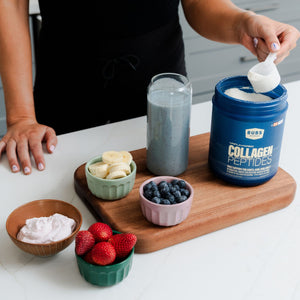
For a more substantial start to the day, you can add both to a morning smoothie. The fruit and other ingredients in the smoothie will easily mask the taste of the vinegar.
- 1 cup of spinach
- 1/2 cup of frozen berries
- 1 scoop of BUBS Naturals Collagen Peptides
- 1 tablespoon of ACV
- 1 cup of water or nut milk
Note: Always dilute apple cider vinegar. Drinking it straight can damage your esophagus and tooth enamel over time. A ratio of at least 8 oz of water to 1 tablespoon of ACV is a safe starting point.
Timing and Consistency
When it comes to supplements, consistency is more important than perfect timing. However, many people find that taking this duo in the morning provides the best results for digestion and energy.
Pre-Meal Consumption
Taking ACV about 20 minutes before a meal is the most researched method for blood sugar management. It primes the stomach for digestion and helps the body process the upcoming carbohydrates more effectively. Adding collagen to this pre-meal drink ensures you are getting your protein early in the day, which can help control appetite until lunch.
Post-Workout Recovery
Some athletes prefer to take their collagen after a workout to support muscle and joint repair. If you choose this route, you can still add ACV to help with nutrient absorption. The acetic acid helps break down the protein so the amino acids can get to your muscles and joints faster.
Listening to Your Body
Everyone’s digestive system is different. Some people find that ACV on an empty stomach makes them feel great, while others might experience a bit of sensitivity. If you are new to ACV, start with just one teaspoon in a large glass of water and gradually work your way up to a tablespoon. If you feel any discomfort, try taking the combination with a small snack instead of on a totally empty stomach.
Practical Tips for Success
To get the most out of your collagen and ACV routine, keep these practical tips in mind. These are the small details that make a big difference over the long term.
Protect Your Teeth
The acidity in ACV can soften tooth enamel if it comes into frequent contact with your teeth. To prevent this, always dilute the vinegar properly. Many people also prefer to drink their ACV tonic through a straw to bypass the teeth as much as possible. After drinking, rinse your mouth with plain water, but wait about 30 minutes before brushing your teeth to avoid scrubbing the softened enamel.
Choose High-Quality Ingredients
Not all supplements are created equal. For collagen, look for grass-fed, pasture-raised options that are third-party tested. This ensures you are not getting fillers or heavy metals. For ACV, the presence of "the Mother" is non-negotiable. Without those beneficial bacteria and enzymes, you are mostly just drinking acidic water.
Keep It Simple
The best routine is the one you actually do. If making a tonic every morning feels like a chore, switch to gummies or mix your collagen into something you already drink, like coffee or tea. We designed our products to mix easily so they do not add stress to your morning. You can also explore our broader Boosts Collection if you want to build out a simple daily stack.
| Feature |
Collagen Peptides |
Apple Cider Vinegar |
| Primary Benefit |
Joint, skin, and gut structure |
Digestion and blood sugar support |
| Main Component |
Amino acids (Glycine, Proline) |
Acetic Acid |
| Best Time |
Morning or post-workout |
20 minutes before meals |
| Form |
Powder (mixes easily) |
Liquid or Gummies |
Bottom line: Dilution and quality are the two most important factors when starting a collagen and ACV routine. Protect your teeth and choose clean, tested products to ensure you see the benefits without the downsides.
The Science of Protein Digestion
To truly understand why these two work well together, we have to look at how the body handles protein. Digestion starts in the mouth, but the real work happens in the stomach.
Pepsin Activation
The stomach produces an enzyme called pepsin, which is responsible for breaking down proteins into smaller peptides. Pepsin requires a very acidic environment to work. If your stomach pH is too high (not acidic enough), pepsin cannot do its job effectively. This leads to undigested protein entering the small intestine, which can cause bloating and inflammation.
By introducing the acetic acid from ACV, you are supporting that acidic environment. This ensures that the collagen you are taking is broken down and absorbed as efficiently as possible. Even though collagen peptides are already "predigested" to an extent, a healthy stomach environment helps the overall process.
Bioavailability
Bioavailability refers to how much of a supplement your body can actually use. Factors like gut health and stomach acid levels directly impact bioavailability. By taking ACV and collagen together, you are essentially creating the perfect conditions for the collagen to be absorbed and utilized by your tissues.
Potential Considerations and Safety
While this combination is safe for most people, there are a few scenarios where you should be cautious. Wellness is about listening to your body and making adjustments based on how you feel.
Existing Digestive Issues
If you have a history of stomach ulcers or severe acid reflux, check with your healthcare provider before adding ACV to your routine. While many people find it helps their reflux by balancing acid levels, others may find it irritating to the stomach lining. Always prioritize your comfort and safety. If you want a broader look at supplement tolerance, see Is Collagen Safe to Take? Safety, Benefits, and More.
Interaction With Medications
Apple cider vinegar may interact with certain medications, including diuretics and insulin. If you are taking medication for blood sugar or heart health, it is a good idea to consult with a doctor. They can help you determine the right dosage and timing so you can enjoy the benefits without any complications.
Pregnancy and Breastfeeding
Most experts consider collagen and ACV safe in moderate amounts during pregnancy and breastfeeding, as they are essentially food-based supplements. However, it is always best to run any new supplement by your midwife or doctor during this time.
Why Quality Matters
At BUBS Naturals, we take quality seriously because our brand was built on a foundation of trust and purpose. Our products are inspired by the life of Glen "BUB" Doherty, a Navy SEAL who lived with intensity and integrity. We believe your supplements should do the same. Learn more about that mission on Our Story.
Our Collagen Peptides are NSF for Sport certified. This means they have undergone rigorous third-party testing to ensure they are free from banned substances and contaminants. This level of testing is the gold standard for professional athletes and military personnel, and it is the same quality we provide to everyone.
When you choose clean ingredients, you are giving your body what it needs to perform at its peak. No fillers, no artificial sweeteners, and no BS. Just simple, effective nutrition that supports your journey, whether you are hiking a mountain or navigating a busy workday.
Conclusion
Taking collagen with apple cider vinegar is a smart, science-backed way to upgrade your daily routine. Together, they support gut health, stabilize energy levels, and provide the building blocks for healthy skin and joints. By understanding how they work in the body, you can use them more effectively to reach your wellness goals.
Remember to start slow, dilute your vinegar, and stay consistent. Small habits, when done daily, lead to significant changes over time. Whether you choose a morning tonic or pair your collagen with ACV gummies, you are making a conscious choice to support your body's resilience and longevity. If you want to keep learning, our collagen benefits collection is a good next stop.
At the heart of what we do is a commitment to community. We donate 10% of all our profits to veteran-focused charities in honor of Glen "BUB" Doherty. Every scoop of collagen and every gummy you take helps us give back to those who have served. We are here to help you live a life of adventure and purpose, one scoop at a time.
FAQ
Does apple cider vinegar destroy collagen?
No, apple cider vinegar does not destroy or "denature" collagen in a way that makes it ineffective. Your stomach is naturally more acidic than vinegar, and it uses that acidity to break down proteins so your body can absorb the amino acids.
What is the best way to mix collagen and ACV?
The most effective way is to mix one scoop of unflavored collagen into 8–12 ounces of water with one tablespoon of apple cider vinegar. If you dislike the taste, you can add them to a fruit smoothie or use ACV gummies alongside your collagen supplement. For more product guidance, check the best apple cider vinegar gummies guide.
Can I take them on an empty stomach?
Many people prefer taking this combination on an empty stomach in the morning to support digestion and blood sugar levels throughout the day. However, if you have a sensitive stomach, you can take them with a small snack or during a meal.
How much collagen and ACV should I take daily?
A standard dose is one scoop (about 10–20 grams) of collagen peptides and one to two tablespoons of apple cider vinegar. Always dilute the vinegar in at least eight ounces of water to protect your throat and teeth.