Table of Contents
- Introduction
- Understanding Collagen and Protein Powder
- The Benefits of Combining Collagen and Protein Powder
- How to Effectively Combine Collagen and Protein Powder
- Conclusion
- FAQ
Introduction
Did you know that collagen is the most abundant protein in our bodies, making up about 30% of our total protein content? It’s the glue that holds us together, providing structure, elasticity, and strength to our skin, bones, and connective tissues. As fitness enthusiasts, we often seek ways to optimize our health and performance, leading to questions about the latest trends in supplementation. One of the most common inquiries we encounter is whether collagen can be taken with protein powder, particularly for those integrating both into their wellness routines.
At BUBS Naturals, we are committed to clean, functional supplements that empower our community to lead active and fulfilling lives inspired by the legacy of Glen “BUB” Doherty. In this post, we'll explore the relationship between collagen and protein powder, the benefits of combining them, and how to incorporate both into your daily routine without compromising your health goals.
By the end of this article, you will gain insights into:
- The fundamental differences between collagen and whey protein.
- How these proteins complement each other in your diet.
- Tips for effectively combining collagen and protein powder.
Let’s dive into the fascinating world of protein supplementation and discover how we can harness the combined benefits of collagen and protein powder to enhance our overall wellness.
Understanding Collagen and Protein Powder
What is Collagen?
Collagen is a type of protein that provides the structural framework for our skin, bones, tendons, ligaments, and cartilage. It plays a critical role in maintaining the integrity and elasticity of our tissues. As we age, our natural collagen production declines, leading to common signs of aging such as wrinkles, sagging skin, and joint stiffness. This reduction makes collagen supplementation increasingly popular among those looking to support their skin health and joint function.
Collagen supplements are often available in the form of collagen peptides, which are hydrolyzed collagen that has been broken down into smaller, more easily absorbed amino acids. This makes it simple for our bodies to utilize the nutrients effectively.
What is Protein Powder?
Protein powder, particularly whey protein, is derived from the liquid byproduct of cheese production. It’s a complete protein source, meaning it contains all nine essential amino acids necessary for human health. Whey protein is particularly popular among athletes and fitness enthusiasts due to its role in muscle recovery and growth, making it ideal for post-workout nutrition.
Protein powders can come from various sources, including plant-based options like pea, rice, and soy protein. Each type of protein powder has its unique amino acid profile and benefits, catering to different dietary preferences and fitness goals.
Key Differences
While both collagen and protein powder are vital for our bodies, they serve different primary functions:
-
Collagen: Primarily supports the health of skin, joints, and connective tissues. It is rich in specific amino acids like glycine, proline, and hydroxyproline but lacks some essential amino acids found in complete proteins.
-
Protein Powder: Primarily focuses on muscle repair and growth, providing a complete amino acid profile that supports overall body function.
The Benefits of Combining Collagen and Protein Powder
Combining collagen and protein powder can provide a broader range of benefits, addressing various health and fitness goals. Here’s how they work together:
Enhanced Nutritional Profile
When we mix collagen with protein powder, we create a nutrient-rich blend that offers the best of both worlds. This combination provides essential amino acids necessary for muscle recovery while also supplying collagen-specific amino acids that help maintain skin elasticity and joint health.
Improved Muscle Recovery
Whey protein is well-known for its ability to support muscle recovery post-exercise. By incorporating collagen into the mix, we can also support our connective tissues, which may become strained during high-intensity workouts. This dual-action approach can enhance recovery times and reduce the risk of injury.
Joint and Skin Health Support
Collagen supplementation has been studied for its potential benefits in promoting joint health and improving skin elasticity. When combined with protein powder, we can support not only our muscles but also the structural integrity of our joints and skin, making this combination especially appealing for active individuals or those experiencing age-related decline.
Convenient Integration
Both collagen and protein powder are versatile and easy to incorporate into our daily routines. Whether blending them into smoothies, coffee, or baked goods, we can easily enhance our meals without compromising taste or texture.
How to Effectively Combine Collagen and Protein Powder
Dosage Recommendations
When considering how much collagen and protein powder to take together, it’s essential to find a balance that suits your individual needs. Here are some general guidelines:
-
Whey Protein: A typical serving ranges from 20g to 30g, especially following workouts to maximize muscle protein synthesis.
-
Collagen Peptides: A common dosage is between 5g to 15g per serving, depending on your dietary needs and goals.
For effective results, consider using a combination like 20g of whey protein and 5g of collagen, adjusting as necessary based on your activity level and dietary intake.
Timing
Timing can also play a role in how we integrate these proteins into our diets. While it's generally acceptable to mix them in a post-workout shake, some experts recommend spacing out the intake of collagen and whey protein. For example, taking collagen in the morning with breakfast and saving the protein shake for after your workout can optimize absorption.
Recipe Ideas
Incorporating both collagen and protein powder into your meals can be fun and straightforward. Here are a few ideas to get you started:
-
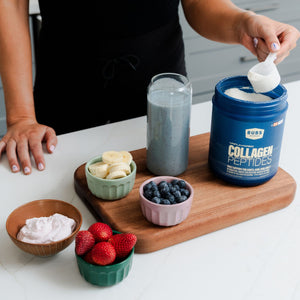
Smoothies: Blend a scoop of collagen peptides and a scoop of protein powder with your favorite fruits, greens, and a liquid of choice.
-
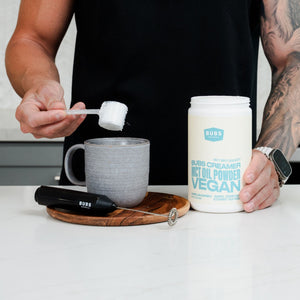
Coffee or Tea: Add a scoop of collagen to your morning coffee for a creamy texture and mix in your preferred protein powder for an extra boost.
-
Baked Goods: Substitute a portion of flour in recipes for pancakes, muffins, or protein bars with a combination of collagen and protein powder to enhance the nutritional profile.
Conclusion
In conclusion, the question of whether collagen can be taken with protein powder is met with a resounding yes! Combining these two powerful supplements allows us to harness their unique benefits for muscle recovery, joint support, and skin health. At BUBS Naturals, we believe in a no-BS approach to wellness—utilizing simple, effective ingredients that can seamlessly fit into our active lifestyles.
As we continue to explore the boundaries of nutrition and supplementation, we encourage you to consider how incorporating both collagen and protein powder can enhance your wellness journey. Discover our range of clean, high-quality supplements, including Collagen Peptides and MCT Oil Powder to support your unique health goals.
Let’s embrace our adventures in wellness together, honoring the legacy of Glen “BUB” Doherty, and remember, every scoop counts!
FAQ
Can I take collagen and protein powder at the same time?
Absolutely! Collagen and protein powder can be combined in your routine. Just be mindful of the total protein intake to ensure effective absorption.
How much collagen should I take daily?
A typical dosage ranges from 5g to 15g per day, depending on your goals and dietary needs.
Will taking collagen and protein powder affect my digestion?
Generally, both collagen and protein powder are easy to digest. However, it’s essential to monitor how your body responds, especially when combining supplements.
What are the benefits of collagen supplementation?
Collagen supports skin elasticity, joint health, and overall connective tissue integrity, which can be beneficial for active lifestyles and aging individuals.
How can I incorporate collagen into my diet?
You can add collagen to smoothies, coffee, baked goods, or even mix it with yogurt or oatmeal for an easy nutritional boost.