Table of Contents
- Introduction
- Understanding the Role of Electrolytes
- Why Choose Sugar-Free Over Traditional Sports Drinks?
- The Essential Minerals: What to Look For
- How Sugar-Free Electrolytes Work Without Glucose
- Evaluating Sweeteners in Sugar-Free Drinks
- The Importance of Clean Ingredients and Third-Party Testing
- Hydration for Different Activity Levels
- The Problem with "Hidden" Sugars
- Flavor and Mixability: The Practical Side of Hydration
- How to Incorporate Sugar-Free Electrolytes into Your Routine
- The BUBS Naturals Difference
- Conclusion
- FAQ
Introduction
You finish a heavy training session or a long hike under the sun, and your first instinct is to reach for something more than just plain water. For decades, the standard answer was a neon-colored sports drink loaded with enough sugar to rival a soda. Today, we know better. High-sugar drinks often lead to energy crashes and unnecessary calorie intake that can work against your fitness goals.
The search for the best sugar free electrolyte drink is about finding a balance between effective rehydration and clean ingredients. At BUBS Naturals, we believe that staying hydrated shouldn't require a chemistry degree or a massive dose of corn syrup. We focus on providing what your body actually needs to perform at its peak without the fillers.
This guide explores how to identify a high-quality electrolyte blend, why the "sugar-free" label matters, and what ingredients you should look for to support your active lifestyle. We will break down the science of mineral balance and help you choose a formula that works for your specific training needs.
Quick Answer: The best sugar-free electrolyte drink is one that provides a research-backed ratio of sodium, potassium, and magnesium without artificial dyes or sweeteners like sucralose. Look for products that use clean mineral sources and natural flavorings to support fluid balance and muscle function effectively.
Understanding the Role of Electrolytes
Electrolytes are essential minerals that carry an electrical charge when dissolved in water. They are not just "workout boosters"; they are fundamental to your survival. They regulate nerve and muscle function, hydrate the body, balance blood acidity and pressure, and help rebuild damaged tissue.
When you sweat, you don't just lose water. You lose these vital minerals, primarily sodium and chloride, along with smaller amounts of potassium, magnesium, and calcium. If you only replace the water, you risk diluting the remaining electrolytes in your bloodstream. This can lead to a condition called hyponatremia, where sodium levels become dangerously low, causing fatigue, confusion, and muscle weakness.
If you want a deeper breakdown of how electrolytes support hydration, our Hydration Essentials guide walks through the basics in plain language.
The goal of a sugar-free electrolyte drink is to restore this mineral balance. By removing the sugar, you allow your body to focus on absorbing the minerals it needs without the metabolic burden of processing high amounts of glucose. This is particularly important for those following low-carb or ketogenic diets, as well as anyone looking to maintain stable blood sugar throughout the day.
Why Choose Sugar-Free Over Traditional Sports Drinks?
Traditional sports drinks were designed for elite endurance athletes performing at high intensities for several hours. In those specific cases, the sugar (glucose) serves as a rapid fuel source and helps pull sodium into the bloodstream more quickly. However, for the average gym-goer, hiker, or person working outdoors, that much sugar is usually overkill.
Most people today are looking for hydration that supports general wellness and moderate-to-high intensity exercise without the "sugar spike." Excessive sugar intake can lead to systemic inflammation and weight gain. Furthermore, many people find that high-sugar drinks cause gastrointestinal distress during movement, leading to bloating or cramping that can derail a workout.
A clean electrolyte formula can still fit into an active routine, especially when you want something simple and effective like Hydrate or Die. It is about efficiency and purity—getting the minerals in and leaving the "empty" calories out.
Key Takeaway: Electrolytes are minerals like sodium and potassium that govern fluid balance and nerve signals. While sugar can speed up absorption in extreme endurance scenarios, most active adults benefit more from sugar-free options that avoid energy crashes and unnecessary calories.
The Essential Minerals: What to Look For
Not all electrolyte drinks are created equal. When you look at a label, you want to see a specific profile of minerals. The "best" drink isn't just the one with the most sodium; it is the one with the right ratio of several key players.
Sodium
Sodium is the primary electrolyte lost in sweat. It is responsible for maintaining fluid balance in the extracellular fluid (the fluid outside your cells). It also plays a massive role in nerve impulse transmission and muscle contraction. A quality sugar-free drink should have a meaningful amount of sodium—usually between 200mg and 1,000mg depending on the intended intensity of the activity.
Potassium
Potassium works in tandem with sodium but focuses on the fluid inside your cells. It is critical for heart health and preventing muscle cramps. Many people are chronically under-supplied with potassium in their standard diet, so finding a supplement that includes it is vital for long-term recovery and performance.
Magnesium
Often called the "relaxation mineral," magnesium supports over 300 enzymatic reactions in the body. It helps with muscle relaxation, energy production, and sleep quality. While it is lost in smaller amounts through sweat than sodium, its role in preventing muscle spasms and supporting the nervous system makes it a non-negotiable ingredient in a premium electrolyte blend.
Chloride and Calcium
Chloride helps maintain blood volume and pressure, while calcium is essential for bone health and muscle signaling. While these are often present in smaller amounts, they contribute to the "full-spectrum" hydration that your body expects from a natural source.
How Sugar-Free Electrolytes Work Without Glucose
A common question is whether you actually need sugar to absorb electrolytes. This stems from the "sodium-glucose cotransport" mechanism, where glucose helps pull sodium through the intestinal wall. While this is a real biological process, it is not the only way the body absorbs minerals.
In the absence of high sugar, your body still absorbs electrolytes through various pathways in the small and large intestines. For most people, the minerals in a sugar-free drink are absorbed effectively enough to maintain peak performance. Furthermore, if you have eaten any meal recently, you likely have enough circulating glucose in your system to assist with this process without needing it added to your water bottle.
For a more detailed look at how hydration formulas work in practice, see our Essential Hydration article.
We designed our hydration products to provide a performance-focused electrolyte profile with no added sugar. This approach prioritizes clean hydration and muscle function, making it a versatile tool for everyone from elite athletes to those just trying to get through a busy workday without feeling drained.
Myth: You must have sugar in your drink to absorb electrolytes effectively.
Fact: While glucose can accelerate the process, the body is highly efficient at absorbing minerals through multiple pathways even without added sugar. For most activities, sugar-free options provide more than enough hydration support.
Evaluating Sweeteners in Sugar-Free Drinks
When a drink removes sugar, it usually replaces it with something else to make the taste palatable. This is where many "sugar-free" products can go wrong. Some brands use artificial sweeteners that may cause digestive upset or have a metallic aftertaste that makes them difficult to drink consistently.
Stevia and Monk Fruit
These are natural, plant-derived sweeteners that provide sweetness without the calories or blood sugar impact. They are generally considered much cleaner than laboratory-made alternatives. However, they can be very potent, so the quality of the extract matters. High-quality stevia should not have a bitter "bite."
Erythritol and Sugar Alcohols
Some brands use erythritol to provide bulk and sweetness. While many people tolerate it well, some find that sugar alcohols cause bloating or a laxative effect, especially during intense exercise when the digestive system is already under stress.
Sucralose and Aspartame
These are synthetic sweeteners. While they are calorie-free, many health-conscious individuals avoid them due to concerns about their impact on the gut microbiome. If you are looking for the most natural experience, these are usually ingredients to skip.
The Importance of Clean Ingredients and Third-Party Testing
The supplement industry can sometimes feel like the Wild West. When searching for the best sugar free electrolyte drink, transparency is everything. You want to know exactly what is in the powder and, perhaps more importantly, what isn't.
Fillers, artificial dyes (like Red 40 or Blue 1), and anti-caking agents are common in mass-market hydration products. These additives serve no functional purpose for your health; they are there for shelf life or aesthetics. A clean product should dissolve well and taste great using only natural flavors and colors derived from plants or minerals.
Additionally, for athletes and professionals, third-party testing is a critical factor. Products that are NSF for Sport certified have undergone rigorous testing to ensure they do not contain banned substances and that the label accurately reflects the contents. This level of trust is why we ensure our core products meet these high standards. When you see a "clean label" from us, it means no BS—just the ingredients that move the needle for your performance.
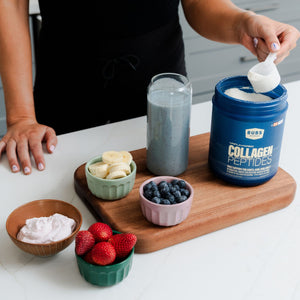
To see how that commitment shows up in another part of our lineup, take a look at Collagen Peptides.
Note: Always check the ingredient list for "maltodextrin." While it is technically not labeled as sugar, it has a high glycemic index and can spike blood sugar similarly to table sugar. Many "sugar-free" products use it as a filler or carrier for flavors.
Hydration for Different Activity Levels
Your electrolyte needs change based on what you are doing. A one-size-fits-all approach doesn't usually work because a person sitting at a desk has different mineral requirements than someone running a marathon in 90-degree heat.
Low-Intensity Daily Hydration
If you are using an electrolyte drink to combat "afternoon slump" or general dehydration from coffee and air conditioning, look for a formula that is lower in sodium but higher in magnesium and potassium. This supports mental clarity and prevents headaches without overloading your system with salt that you aren't sweating out.
Moderate Exercise (60-90 minutes)
For a standard gym session or a brisk hike, a balanced sugar-free drink is ideal. It replaces what you lose in a typical sweat session and keeps your muscles firing. This is where most people find their "sweet spot" with products like our Hydrate or Die, which focuses on fast hydration and muscle support.
High-Intensity or Endurance (2+ hours)
When you are pushing your limits for hours, your sodium requirements skyrocket. In these cases, you may need to look for high-sodium blends or even consider adding a small amount of a clean carbohydrate source if your energy levels start to dip. However, even in these scenarios, many athletes prefer to separate their hydration (electrolytes) from their fueling (calories) to better manage their intake.
If you want to go deeper on how electrolytes support performance, How Electrolytes Hydrate the Body for Peak Performance is a helpful next read.
Bottom line: Tailor your electrolyte intake to your sweat rate and activity duration. For daily life and standard workouts, a clean, sugar-free mineral blend is usually the most effective and health-conscious choice.
The Problem with "Hidden" Sugars
Sometimes, a product might claim to be "sugar-free" or "low-calorie" while still containing ingredients that behave like sugar in the body. We already mentioned maltodextrin, but other ingredients like dextrose or rice syrup are often used in small amounts. While these can help with absorption, they are still sugars.
If your goal is to stay in ketosis or manage a condition like diabetes, even small amounts of these "hidden" sugars can be problematic. A truly clean sugar-free electrolyte drink will use minerals in their most bioavailable forms—like sodium chloride or potassium citrate—without relying on carbohydrate-based carriers.
We believe in being direct about what goes into our bodies. Our mission is built on the legacy of Glen "BUB" Doherty, a man who lived a life of high-performance and purpose. That legacy demands that we provide products that are honest and effective. When we say no added sugar, we mean it.
Flavor and Mixability: The Practical Side of Hydration
The best electrolyte drink in the world won't help you if it tastes like ocean water or clumps at the bottom of your bottle. Mixability is a hallmark of a well-engineered supplement. High-quality powders are micronized so they dissolve quickly in cold water with just a few shakes.
Flavor is subjective, but "natural" is the gold standard. Lemon, lime, and berry flavors are popular because the citric acid naturally complements the salty profile of electrolytes. If a drink tastes overly chemical or "fake," it is a sign that the brand is prioritizing cost over ingredient quality.
At BUBS Naturals, we prioritize a user experience that fits into a real, active lifestyle. Our powders are designed to mix effortlessly into your favorite reusable bottle, making it easy to stay hydrated whether you are at the gym, on a trail, or at your desk.
If you want to learn more about the company behind the formula, visit Our Story.
How to Incorporate Sugar-Free Electrolytes into Your Routine
To get the most out of your hydration, timing and consistency are key. You don't want to wait until you are thirsty to start drinking; thirst is often a late-stage signal that you are already dehydrated.
-
Morning Start: Drink a serving of sugar-free electrolytes first thing in the morning. You lose significant fluids overnight through respiration. Starting your day with minerals can help clear "brain fog" and jumpstart your metabolism.
-
Pre-Workout: Sip on electrolytes about 30 minutes before you start training. This ensures your "tank" is full and your muscles have the minerals they need for the upcoming contractions.
-
During Activity: If you are sweating, keep sipping. This provides a steady drip of minerals to replace what is being lost in real-time.
-
Post-Workout Recovery: This is when your body is most desperate to restore balance. Rehydrating after exercise helps flush out metabolic waste and supports muscle repair.
| Mineral |
Primary Role |
When It’s Most Needed |
| Sodium |
Fluid balance & nerve signals |
During and after heavy sweating |
| Potassium |
Heart health & cramp prevention |
Daily maintenance & post-workout |
| Magnesium |
Muscle relaxation & energy |
Evening recovery & during stress |
| Calcium |
Bone health & muscle signaling |
Long-term wellness |
The BUBS Naturals Difference
We didn't just set out to make another supplement brand. We set out to create products that honor a legacy of service and adventure. This means our standards for purity and performance are higher than most.
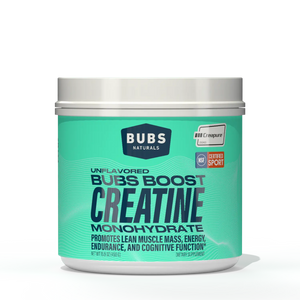
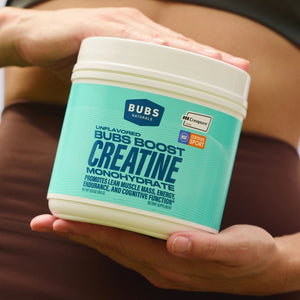
Our electrolyte formulas are designed for those who demand more from themselves. Whether it is our Hydrate or Die electrolytes or our pure Creatine Monohydrate, we ensure that every scoop is backed by science and free from the junk that holds you back. We focus on simple, clean ingredients that mix easily and support the way you move.
If you're curious about how the creatine side of the lineup fits into training support, Creatine Monohydrate: The Unrivaled Standard is a great place to start.
Beyond the ingredients, there is a deeper purpose. We are committed to the 10% Rule—donating 10% of all profits to veteran-focused charities. This mission is woven into everything we do, ensuring that your journey toward better health also supports those who have served.
Conclusion
Finding the best sugar free electrolyte drink comes down to three things: mineral balance, ingredient purity, and how well it fits your lifestyle. Look for a product that prioritizes sodium, potassium, and magnesium in meaningful amounts while avoiding artificial sweeteners, dyes, and hidden sugars.
Remember that hydration is a tool for performance and longevity. By choosing a clean, sugar-free formula, you are giving your body exactly what it needs to recover faster, think clearer, and push harder.
- Prioritize natural sweeteners like stevia or monk fruit.
- Check for third-party certifications to ensure quality.
- Adjust your intake based on your specific activity and sweat rate.
- Choose brands that value transparency and purpose.
Stay focused on your goals, and let high-quality nutrition be the fuel that gets you there. If you are ready to experience the difference of a clean, mission-driven hydration supplement, explore the BUBS Naturals lineup and see what "no BS" ingredients can do for your training.
FAQ
Does "no added sugar" mean the same thing as sugar-free?
In many cases, yes, but there is a technical difference. "Sugar-free" means the product contains less than 0.5 grams of sugar per serving. "No added sugar" means that while no sugar was added during processing, the ingredients themselves (like fruit powders) might contain tiny amounts of naturally occurring sugars.
Can I drink sugar-free electrolytes every day?
Yes, many people benefit from daily electrolyte supplementation, especially if they are active, live in warm climates, or follow a low-carb diet. However, if you have underlying health conditions like kidney disease or high blood pressure, you should consult your healthcare provider to ensure your mineral intake is appropriate for your needs.
Will sugar-free electrolytes break my fast?
Generally, no. Pure electrolytes with no sugar and very low calories (usually under 5-10 calories per serving) typically do not spike insulin or break a fast. This makes them an excellent tool for people practicing intermittent fasting who experience headaches or fatigue while fasted.
Why does my electrolyte drink taste salty?
Electrolytes are literally mineral salts. If a drink contains an effective dose of sodium (which is necessary for rehydration), it will have a naturally salty undertone. High-quality brands use citric acid and natural flavors to balance this saltiness, making it refreshing rather than overwhelming.