Table of Contents
- Introduction
- Understanding Electrolytes and Human Performance
- How Bone Broth Becomes an Electrolyte Source
- The Mineral Profile of Bone Broth
- Bone Broth and the Keto Flu
- Bone Broth vs. Commercial Sports Drinks
- Is Bone Broth Enough for High-Performance Athletes?
- Beyond Electrolytes: The Collagen Connection
- Practical Ways to Incorporate Bone Broth for Hydration
- How to Choose or Make the Best Bone Broth
- Conclusion
- FAQ
Introduction
You finish a heavy training session or a long day in the sun and feel that familiar sense of depletion. Your muscles feel heavy, your head is slightly foggy, and plain water just is not hitting the spot. This is the moment your body is asking for more than just H2O. It is asking for electrolytes. While many people reach for a neon-colored sports drink, there is an ancient alternative that has supported human performance for centuries.
At BUBS Naturals, we believe in using clean, whole-food sources to fuel your lifestyle and recovery. Bone broth has surged in popularity as a wellness staple, but many wonder if it actually stacks up as a functional hydration tool. This post covers the mineral profile of bone broth, how it compares to commercial drinks, and how you can use it to maintain balance. Bone broth is a natural, mineral-dense liquid that provides a foundational source of electrolytes to support your daily hydration needs.
Understanding Electrolytes and Human Performance
To understand if bone broth is effective, we first have to define what electrolytes actually do. Electrolytes are essential minerals that carry an electrical charge when dissolved in water or bodily fluids. These charged particles, called ions, are the messengers of your body. They send signals between your cells and nerves to control vital functions like muscle contractions and heart rhythms.
When you lose fluids through sweat, breath, or even daily movement, you also lose these minerals. If the levels drop too low, your cellular communication begins to break down. This often results in the "wall" many athletes hit during training. It is not just a lack of energy; it is a lack of the electrical signals required to keep your muscles firing efficiently.
The primary electrolytes your body relies on include sodium, potassium, magnesium, calcium, chloride, phosphate, and bicarbonate. Each one has a specific job. Sodium manages fluid balance outside your cells. Potassium handles fluid balance inside your cells. Magnesium supports hundreds of chemical reactions, including energy production. When these are in balance, you feel sharp and capable. When they are not, recovery becomes a much slower process. For a broader overview, read this guide to essential electrolytes for optimal hydration.
How Bone Broth Becomes an Electrolyte Source
The process of making bone broth is what turns simple animal parts into a mineral-rich elixir. You make it by simmering animal bones and connective tissues in water, often with a small amount of acid like apple cider vinegar. This long, slow cooking process—sometimes lasting up to 24 or 48 hours—breaks down the dense structure of the bone.
As the bones break down, they release stored minerals into the water. This includes the minerals that make up the bone matrix itself, such as calcium and phosphorus. It also includes minerals found in the marrow and the surrounding tissues. Because the minerals are dissolved into the liquid, they are in a form that your body can easily recognize and absorb. This is often referred to as bioavailability, which simply means how well your body can use the nutrients you consume.
While every batch of broth is different based on the bones used and the cook time, the result is consistently a liquid that contains a spectrum of essential ions. This makes it a natural alternative to synthetic powders or processed drinks. You can also explore this practical guide to making electrolyte water at home.
The Mineral Profile of Bone Broth
The effectiveness of bone broth for hydration comes down to its specific mineral content. While it is not a "magic" solution, it provides a solid foundation of the four most important electrolytes for active adults.
Sodium: The Fluid Regulator
Sodium is often misunderstood because of its association with processed foods. However, for an active person, sodium is the most critical electrolyte for hydration. It helps your body hold onto the water you drink rather than just letting it pass through your system. Most bone broths are seasoned with sea salt, which provides both sodium and chloride. This combination is essential for maintaining blood pressure and supporting nerve function.
Potassium: The Muscle Support
Potassium works in a delicate balance with sodium. While sodium stays outside the cells, potassium stays inside. This balance creates the "pump" that allows your heart to beat and your muscles to contract. Many people do not get enough potassium through their regular diet. Bone broth provides a gentle, natural source of this mineral, which can help prevent the muscle cramps that often plague athletes during or after a workout.
Magnesium: The Energy Catalyst
Magnesium is involved in over 300 different processes in your body. It is particularly important for energy production and muscle relaxation. If you have ever felt "wired but tired" or experienced restless legs at night, it might be a sign of low magnesium. The amount of magnesium in bone broth is generally modest, but because it is paired with other minerals, it supports overall balance.
Calcium: More Than Just Bones
We usually think of calcium in terms of bone density, but it is also an electrolyte. It plays a key role in blood clotting and sending messages across your nervous system. When you simmer bones for a long time, small amounts of calcium leach into the broth. This provides a slow, steady supply of the mineral to support your skeletal and muscular systems simultaneously.
Key Takeaway: Bone broth acts as a natural delivery system for essential minerals like sodium and potassium, which are the primary drivers of fluid balance and muscle function in the human body.
Bone Broth and the Keto Flu
If you have ever tried a ketogenic or low-carb diet, you are likely familiar with the "keto flu." This is a collection of symptoms—headaches, fatigue, and irritability—that often occurs in the first week of a dietary shift. Many people assume this is just their body "detoxing" from sugar, but the reality is often a simple electrolyte imbalance.
When you significantly reduce your intake of carbohydrates, your body begins to store less glycogen. Glycogen is the stored form of sugar in your muscles and liver, and it holds a significant amount of water. As you burn through your glycogen stores, you lose that water weight very quickly.
As your body flushes this water, your kidneys also excrete sodium. Because insulin levels are lower on a keto diet, your kidneys do not hold onto sodium as efficiently as they do on a high-carb diet. This loss of sodium triggers a chain reaction that also leads to the loss of potassium and magnesium. Bone broth is often recommended as the primary remedy for the keto flu. It provides the necessary sodium and fluid to stabilize your system and stop the "flu" symptoms in their tracks. For more hydration guidance, see should I take electrolytes?.
Bone Broth vs. Commercial Sports Drinks
When people ask if bone broth is good for electrolytes, they are often comparing it to the bright, sugary drinks found in grocery stores. While those drinks provide electrolytes, they often come with trade-offs that do not align with a clean lifestyle.
Sugar and Artificial Ingredients
Most commercial sports drinks are loaded with cane sugar or high-fructose corn syrup. While sugar can help with rapid absorption during an endurance race, most people do not need 30 or 40 grams of sugar to stay hydrated during a standard gym session or a day at the office. These drinks also frequently use artificial dyes, such as Red 40 or Blue 1, and chemical sweeteners. Bone broth is a savory alternative that contains zero sugar and no artificial additives.
Protein and Amino Acids
Sports drinks are essentially flavored water with minerals. Bone broth, however, provides a significant hit of protein—usually around 10 grams per cup. This protein comes in the form of collagen and amino acids like glycine and proline. These amino acids are the building blocks for your connective tissues. This means while you are hydrating, you are also providing your body with the tools it needs to repair joints and support gut health.
The Sodium Factor
Many "low-calorie" sports drinks are actually quite low in sodium. For a casual walker, this is fine. For someone who is sweating heavily or following a low-carb diet, they may not provide enough sodium to actually fix a deficiency. Because you can control the salt level in your broth, it is often a more effective tool for those who need a higher concentration of minerals.
Myth: You need sugar to absorb electrolytes effectively.
Fact: While a small amount of glucose can speed up the absorption of sodium in the small intestine, it is not strictly necessary for daily hydration. Minerals from whole-food sources like bone broth are absorbed efficiently by the body without the need for high sugar intake.
Is Bone Broth Enough for High-Performance Athletes?
While bone broth is an excellent source of daily minerals, there are times when your body might need something more concentrated. If you are an endurance athlete training for several hours in the heat, your rate of sweat loss might outpace what a cup of broth can provide.
In these high-intensity scenarios, we often recommend a more targeted approach. Our Hydrate or Die electrolyte powder is designed specifically for those moments of high exertion. It provides a precise ratio of sodium, potassium, and magnesium without the added sugar found in traditional brands.
Think of bone broth as your "slow and steady" foundation for hydration. It is perfect for your morning routine, a mid-day snack, or a post-workout meal. For those peak performance moments where you are pushing your absolute limits, a dedicated electrolyte supplement can bridge the gap. By using both, you ensure your mineral levels never hit the danger zone. You can also browse the full Hydration Collection for additional options.
Beyond Electrolytes: The Collagen Connection
One of the unique advantages of using bone broth for hydration is the presence of collagen. We talk a lot about collagen at BUBS Naturals because it is the most abundant protein in the human body. It makes up your skin, hair, nails, and the lining of your digestive tract.
Hydration is not just about how much water you drink; it is about how well your body can retain and use that water. A healthy gut lining plays a massive role in nutrient and fluid absorption. The amino acids found in bone broth, specifically glycine, may help support the integrity of the gut wall.
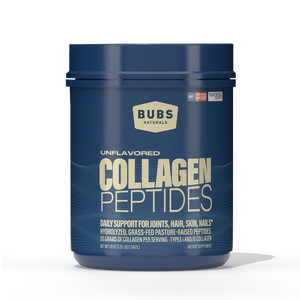
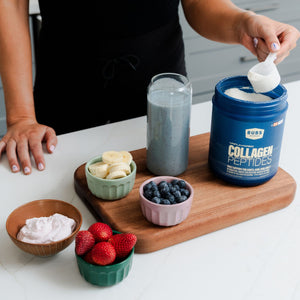
When your gut is functioning optimally, you absorb minerals more effectively. This creates a positive cycle. You drink the broth, the collagen supports your gut, and your gut better absorbs the electrolytes from your food and drinks. If you want to boost this effect, many of our customers add a scoop of our Collagen Peptides to their morning coffee or even directly into their broth. This ensures you are getting a high dose of the specific proteins that support recovery and joint health.
Practical Ways to Incorporate Bone Broth for Hydration
If you are not used to drinking savory liquids, it might feel strange at first. However, it is easy to make bone broth a natural part of your day. You do not have to drink it straight from a mug if you do not want to, though many people find it a soothing ritual in the morning or before bed.
The Morning Mineral Boost
Instead of reaching for a second cup of coffee, which can act as a mild diuretic and lead to more fluid loss, try a cup of warm bone broth. It provides the minerals your body lost while you were sleeping and gives you a steady, non-caffeinated energy boost to start the day.
Better Grains and Vegetables
If you cook rice, quinoa, or farro, stop using plain water. Cooking your grains in bone broth allows the food to soak up all those electrolytes. This turns a standard side dish into a functional hydration tool. You can also use it to deglaze a pan when sautéing vegetables, adding flavor and minerals simultaneously.
The Post-Workout Recovery Mug
After a workout, your body is primed to absorb nutrients. Sipping on broth while you prepare your post-workout meal can help kickstart the recovery process. The combination of sodium for fluid balance and amino acids for muscle repair makes it a superior recovery drink compared to plain water.
Bottom line: Bone broth is a versatile, savory source of minerals that can be integrated into almost any meal or used as a standalone hydration ritual to support recovery and daily wellness.
How to Choose or Make the Best Bone Broth
To get the most electrolytes, the quality of the broth matters. If you are buying it from a store, look for "bone broth" rather than "stock" or "broth." A true bone broth should have a high protein content (usually 7–10 grams per serving) and should ideally turn into a jelly-like consistency when it is cold. This "jiggle" is proof that the collagen and minerals have been properly extracted.
If you are making it at home, remember these three rules:
-
Use Good Bones: Use bones from grass-fed cattle or pasture-raised chickens. This ensures you are getting a clean mineral profile without unwanted additives.
-
Add Acid: A tablespoon or two of apple cider vinegar helps pull the minerals out of the hard bone structure and into the water.
-
Take Your Time: A quick boil will not do much. You need a slow simmer for at least 12 hours for chicken and 24 hours for beef to maximize the electrolyte density.
Conclusion
Is bone broth good for electrolytes? The answer is a clear yes. While it may not replace a high-performance electrolyte powder during an ultramarathon, it is one of the best whole-food sources of hydration available. It provides a natural balance of sodium, potassium, and magnesium, all while delivering the joint-supporting benefits of collagen.
Our mission at BUBS Naturals is centered around providing the cleanest, most effective tools for your journey. Whether you are recovering from a hard training session or just trying to stay balanced on a busy day, incorporating bone broth into your routine is a simple, effective habit. We are also committed to a higher purpose—we donate 10% of all our profits to veteran-focused charities in honor of Glen "BUB" Doherty. Every scoop and every sip you take helps support the legacy of a true hero. Learn more through our hydration and wellness education.
Choose a quality broth, stay consistent with your hydration, and listen to your body. Real wellness is built one small, intentional choice at a time.
FAQ
Does bone broth have more electrolytes than sports drinks?
Bone broth typically has higher levels of sodium and more natural minerals than many standard sports drinks. While sports drinks may have higher potassium in some cases, bone broth provides these minerals without the added sugar and artificial dyes. It also offers the added benefit of protein and amino acids which sports drinks lack.
Can I drink bone broth every day for hydration?
Yes, many people drink a cup of bone broth daily as part of their wellness routine. It is a safe and effective way to maintain mineral balance, especially for those on low-carb diets or those who exercise regularly. Just be mindful of the total sodium intake if you have been advised by a doctor to follow a low-salt diet.
Is chicken bone broth or beef bone broth better for electrolytes?
Both provide a similar spectrum of minerals, but beef bone broth is often slightly more mineral-dense due to the size and density of the bones. However, chicken bone broth is easier to make and has a lighter flavor that many people prefer for daily drinking. The best choice is whichever one you enjoy enough to drink consistently.
Will bone broth help with muscle cramps?
Bone broth can help prevent muscle cramps because it contains potassium and magnesium, two minerals essential for muscle relaxation. If your cramps are caused by a sodium deficiency from heavy sweating, the salt in the broth will also help restore balance. For severe, recurring cramps, you should consult with a healthcare provider to rule out other issues.