Table of Contents
- Introduction
- The Unseen Architects: Understanding Electrolytes
- The Sweat Factor: Electrolyte Loss During Activity
- Key Electrolytes to Replenish During Exercise
- When and How to Replenish: A Strategic Approach
- The BUBS Naturals Approach to Hydration
- Debunking Common Electrolyte Myths
- Fueling Your Adventure: Beyond Electrolytes
- Conclusion
- FAQ
Introduction
Few sensations compare to the exhilaration of pushing your physical limits—whether scaling a mountain, hitting a new personal best in the gym, or conquering a long-distance trail. But as your body rises to the challenge, a subtle yet critical shift occurs within. With every bead of sweat, you're not just losing water; you're losing vital minerals known as electrolytes, which are the unsung heroes orchestrating everything from nerve signals to muscle contractions. Understanding which electrolytes need to be replaced during exercise isn't just about feeling better; it's about optimizing performance, safeguarding your well-being, and truly unlocking your potential.
For many, the topic of electrolytes can feel complex, shrouded in a mix of marketing hype and scientific jargon. Yet, their role is fundamental. These electrically charged minerals are essential for maintaining fluid balance, supporting muscle function, and ensuring proper neural activity throughout your body. Without adequate replenishment, even a moderate workout can lead to symptoms like fatigue, muscle cramps, and mental fog, hindering your progress and enjoyment.
In this comprehensive guide, we'll demystify the world of electrolytes, exploring precisely what they are, why they're indispensable for active individuals, and which specific minerals demand your attention when you're exerting yourself. We’ll delve into the science of sweat, discuss how individual needs vary, and outline strategic approaches for replenishment before, during, and after your workouts. Our mission at BUBS Naturals is to empower your adventurous spirit with clean, functional supplements, and we believe informed choices are at the heart of genuine wellness. Join us as we uncover how intelligent electrolyte management can keep you fueled for whatever adventure lies ahead.
The Unseen Architects: Understanding Electrolytes
Before we dive into what electrolytes need to be replaced during exercise, let's establish a clear understanding of what these crucial compounds are and why they matter so profoundly to your body's daily operations, especially when active. Electrolytes are far more than just buzzwords on a sports drink label; they are fundamental to life itself.
What Exactly Are Electrolytes?
At their core, electrolytes are minerals that carry an electric charge when dissolved in water. Think of them as tiny conductors, enabling electrical signals to flow throughout your body. These charged particles play a pivotal role in countless physiological processes, acting as the spark plugs for everything from your heart's rhythm to the contraction of every muscle fiber.
The primary electrolytes we'll discuss in the context of exercise include:
-
Sodium (Na+): Crucial for fluid balance, nerve impulse transmission, and muscle function. It's the most abundant electrolyte lost in sweat.
-
Chloride (Cl-): Often paired with sodium, it also helps maintain fluid balance and is a component of stomach acid.
-
Potassium (K+): Essential for muscle contractions (including the heart), nerve signals, and maintaining intracellular fluid balance.
-
Magnesium (Mg2+): Involved in over 300 enzymatic reactions, supporting muscle and nerve function, blood glucose control, and energy production.
-
Calcium (Ca2+): Best known for bone health, but also vital for muscle contraction, nerve transmission, and blood clotting.
When you're adequately hydrated and consuming a balanced diet, your body’s intricate systems, particularly the kidneys, work diligently to maintain the delicate balance of these electrolytes. However, intense physical activity, especially accompanied by significant sweating, can rapidly disrupt this equilibrium.
Why Are They Crucial for Active Lifestyles?
For anyone embracing an active lifestyle, from daily hikers to endurance athletes, electrolytes are non-negotiable. Their importance is magnified when you factor in the physical demands of exercise.
-
Fluid Balance Regulation: Electrolytes, especially sodium and chloride, are key players in regulating how much water your body holds and where that water goes. Water naturally follows electrolytes. This mechanism is critical for maintaining blood volume, blood pressure, and ensuring that essential nutrients reach your cells while waste products are removed. During exercise, maintaining this balance prevents both dehydration and over-hydration (hyponatremia), both of which can impair performance and be dangerous.
-
Muscle Contraction: Every time a muscle contracts—whether you're lifting weights, running, or simply walking—electrolytes like calcium, potassium, and magnesium facilitate the complex process of muscle fiber shortening and relaxation. Imbalances can lead to muscle weakness, spasms, or the dreaded muscle cramps that can bring an intense workout to a grinding halt.
-
Nerve Function: Your brain communicates with the rest of your body via electrical impulses transmitted through nerve cells. Electrolytes are fundamental to generating and propagating these electrical signals. Sodium and potassium, in particular, are vital for nerve impulse transmission, ensuring quick reflexes and coordinated movements.
-
Energy Production: Magnesium plays a direct role in ATP (adenosine triphosphate) production, which is the primary energy currency of your cells. Adequate electrolyte levels contribute to efficient energy utilization, helping you sustain effort and prevent premature fatigue.
-
Heart Health: The heart is a muscle, and its rhythmic beating relies heavily on the precise balance of electrolytes. Potassium, calcium, and magnesium are critical for maintaining a stable heart rhythm and overall cardiovascular function.
Without these critical minerals, your body’s intricate electrical system falters. This is why paying attention to electrolyte replenishment is not just a performance enhancer but a cornerstone of overall wellness for active individuals. At BUBS Naturals, we understand the connection between foundational nutrients and an adventurous spirit, which is why we’re committed to providing clean, science-backed solutions to support your journey, like our Hydration Collection.
The Sweat Factor: Electrolyte Loss During Activity
It's a universal truth for anyone who pushes their limits: sweat happens. And while sweating is your body's brilliant mechanism for cooling down, it’s also the primary pathway through which you lose electrolytes during exercise. Understanding the dynamics of sweat—what it's made of and how much you lose—is crucial for effective replenishment strategies.
Sweat Composition and Individual Variability
Sweat is primarily water, but it's far from pure H2O. It contains a cocktail of minerals, with sodium and chloride being the most prominent. While other electrolytes like potassium, magnesium, and calcium are also present, their concentrations in sweat are significantly lower than sodium and chloride.
The amount and concentration of electrolytes lost can vary dramatically from person to person and workout to workout. Several factors influence your sweat rate and sweat electrolyte concentration:
-
Exercise Intensity and Duration: The harder and longer you work out, the more you sweat. A quick 30-minute low-intensity session will result in far less electrolyte loss than a two-hour high-intensity trail run.
-
Environmental Conditions: Heat and humidity are major drivers of sweat. Exercising in a hot, muggy environment will elevate your sweat rate considerably compared to a cool, dry day.
-
Genetics: Some people are naturally "salty sweaters" due to genetic predispositions, meaning they lose more sodium per liter of sweat than others.
-
Acclimatization: Over time, if you regularly train in hot conditions, your body adapts. It becomes more efficient at cooling itself and also better at reabsorbing (holding onto) sodium and chloride, reducing electrolyte losses in sweat.
-
Diet: Your daily dietary intake of sodium and other minerals can influence your electrolyte balance.
-
Body Composition and Size: Larger individuals generally have a greater body surface area and tend to sweat more.
For example, a person on a long bike ride in the summer might lose 1-2 liters of sweat per hour, with each liter containing anywhere from 200 mg to 2000 mg of sodium. These significant losses underscore why water alone often isn't enough for optimal hydration and performance during prolonged or intense efforts.
Recognizing "Salty Sweaters"
How do you know if you're a "salty sweater"? It's not just a fancy term; it's a practical indicator that helps guide your electrolyte strategy. If you frequently notice white, salty residue on your skin, clothes, or hat after a workout, or if your sweat tastes particularly salty, chances are you fall into this category. Salty sweaters lose a higher concentration of sodium in their sweat, making targeted sodium replenishment even more critical.
Identifying yourself as a salty sweater means you'll need to be more proactive in replacing sodium, especially when heavy sweating is anticipated due to extended exercise duration, increased intensity, or high ambient temperatures and humidity. Ignoring this can lead to earlier fatigue, reduced performance, and a higher risk of muscle cramps. This is where products specifically designed for electrolyte support, such as our Hydrate or Die – Lemon, become incredibly valuable for maintaining your body’s delicate balance.
Understanding your personal sweat profile—how much and what you lose—is a powerful step toward truly personalized and effective hydration. It’s about listening to your body and providing it with the precise support it needs to thrive through every adventure.
Key Electrolytes to Replenish During Exercise
When we talk about what electrolytes need to be replaced during exercise, we're focusing on a core group of minerals that are most significantly impacted by sweat loss and muscular activity. While all electrolytes are important, some demand more immediate attention for active individuals.
Sodium: The Primary Player
Sodium is unequivocally the most critical electrolyte to replace during exercise, particularly for sustained or intense activity. It's lost in the highest concentrations in sweat, and its roles in the body are vast:
-
Fluid Balance: Sodium is the main electrolyte responsible for regulating extracellular fluid volume, including blood plasma. It stimulates thirst, helping you drink enough, and also helps your body retain fluids, reducing excessive urination. This is vital for maintaining blood pressure and ensuring nutrients reach your working muscles.
-
Nerve Impulse Transmission: Sodium ions play a crucial role in generating the electrical impulses that allow nerve cells to communicate.
-
Muscle Contraction: Along with potassium, sodium is essential for the proper functioning of muscle cells, including the vital heart muscle.
If you are a "salty sweater" or engage in long-duration activities (over 60-90 minutes) or high-intensity exercise, especially in hot conditions, replenishing sodium is paramount. A significant drop in blood sodium levels (hyponatremia) can lead to serious complications. Our Hydrate or Die product, for example, is specifically formulated to deliver performance-focused electrolytes without added sugar, making it an ideal choice for effective sodium replenishment.
Chloride: Sodium's Essential Partner
Chloride often works hand-in-hand with sodium, making it another key electrolyte lost in significant amounts through sweat.
-
Fluid Balance: Like sodium, chloride helps maintain fluid balance and blood volume. It works alongside sodium to regulate osmotic pressure, influencing how water moves in and out of cells.
-
Acid-Base Balance: Chloride also plays a role in maintaining the body's delicate acid-base balance, which is crucial for overall physiological function.
Since chloride loss mirrors sodium loss in sweat, focusing on products that provide both, like those in our Hydration Collection, ensures comprehensive replenishment.
Potassium: Muscle & Nerve Support
While less concentrated in sweat than sodium, potassium remains incredibly important for muscle and nerve health.
-
Intracellular Fluid Balance: Potassium is the primary electrolyte inside your cells, working in opposition to sodium outside the cells to maintain proper fluid balance. This cellular hydration is critical for optimal cell function.
-
Muscle Contraction & Heart Rhythm: Potassium is vital for normal muscle contraction and relaxation, playing a key role in preventing muscle weakness. It's also essential for maintaining a steady heart rhythm.
-
Nerve Signals: Like sodium, potassium is involved in the transmission of nerve impulses.
Though potassium deficiency during acute exercise is less common than sodium, consistent replenishment through diet and appropriate supplements supports overall muscle and nerve function, contributing to sustained performance and recovery.
Magnesium: The Multi-Tasker
Magnesium is an electrolyte powerhouse involved in over 300 biochemical reactions in the body. While sweat losses are relatively low, consistent intake is crucial for active individuals.
-
Energy Production: Magnesium is essential for converting food into energy, directly supporting ATP synthesis.
-
Muscle and Nerve Function: It contributes to proper muscle contraction and relaxation and nerve signal transmission. It can help support normal muscle function and may play a role in reducing muscle soreness.
-
Bone Health: Magnesium is also a component of bone structure and helps regulate calcium and potassium levels.
Many people don't get enough magnesium from their diet alone. Incorporating magnesium-rich foods or supplements can provide robust support for your active lifestyle, enhancing your body's natural processes for energy and recovery.
Calcium: Beyond Bone Health
Most commonly associated with strong bones, calcium also plays a vital role as an electrolyte in active bodies.
-
Muscle Contraction: Calcium is the primary trigger for muscle contraction, allowing your muscles to perform the work you demand of them.
-
Nerve Transmission: It's essential for the communication between nerve cells, helping to transmit signals effectively.
-
Blood Clotting: Calcium is a key factor in the blood clotting process.
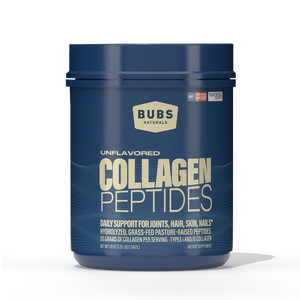
While very little calcium is typically lost in sweat compared to sodium, maintaining adequate calcium levels through diet is important for overall physiological function, especially for bone health which supports your active frame. For comprehensive support, considering a supplement like our Collagen Peptides can provide a foundation for strong bones, joints, and connective tissues, complementing your electrolyte strategy.
By understanding the specific roles of these key electrolytes and how they are impacted by exercise, you can make more informed choices about your hydration and supplementation strategy. It’s about providing your body with the clean, functional support it needs to perform at its best, mirroring our "no-BS" approach at BUBS Naturals.
When and How to Replenish: A Strategic Approach
Effective electrolyte replenishment isn't just about what you drink, but when and how you drink it. A strategic approach that considers the phases of your workout—before, during, and after—can make a significant difference in your performance and recovery.
Before Exercise: Priming Your System
Starting a workout adequately hydrated and with a balanced electrolyte profile is foundational. Being dehydrated at the outset is like starting a race behind the starting line.
-
Hydration Status Assessment: A simple check of your urine color can be a good indicator. Aim for a pale, straw-yellow color. Darker urine suggests you need more fluids.
-
Pre-Hydration Protocol: Drink 16-20 ounces (approximately 500-600 mL) of fluid about 2-3 hours before your workout. For shorter, less intense sessions (under 60 minutes), plain water is often sufficient.
-
Electrolyte Pre-Load for "Salty Sweaters": If you're a salty sweater or anticipate a long, intense session in hot conditions, consider incorporating electrolytes into your pre-workout hydration. A salty snack or an electrolyte-enhanced drink can help "pre-load" your system, ensuring you start with optimal levels. Our Hydrate or Die offers a performance-focused blend of electrolytes without the added sugar, making it an excellent choice for a pre-workout boost to prepare your body for the demands ahead.
During Exercise: Sustained Performance
The "during" phase is where electrolytes really earn their keep, supporting sustained performance and preventing premature fatigue.
-
Duration and Intensity are Key:
-
Workouts under 60 minutes: For most moderate workouts lasting less than an hour, water is generally sufficient to prevent dehydration. Electrolyte losses are usually minimal enough that they can be replenished through a balanced post-exercise meal.
-
Workouts over 60-90 minutes, or high-intensity: This is when electrolyte-enhanced drinks become highly beneficial. As sweat losses accumulate, sodium and chloride levels can drop significantly, impacting performance. Aim to consume 150-300 mL of fluid every 15-20 minutes, adjusting based on your individual sweat rate and environmental conditions.
-
The Role of Carbohydrates: For exercise sessions lasting longer than 60-90 minutes, a sports drink that includes both carbohydrates and electrolytes can be advantageous. Carbohydrates provide a readily available energy source, helping to prevent glycogen depletion. The sodium in these drinks also aids in the absorption and retention of fluids and carbohydrates.
-
Targeted Replenishment: If you're undertaking ultra-endurance events (over 4 hours) or have a very high sweat sodium concentration, specific electrolyte products with higher sodium content might be necessary. Products like our Hydrate or Die – Mixed Berry are designed to provide effective electrolyte replacement to support proper muscle function and fluid balance without unnecessary ingredients.
After Exercise: Optimal Recovery
Recovery is just as important as the workout itself. Proper post-exercise hydration and electrolyte replenishment contribute significantly to this process.
-
Fluid and Electrolyte Rehydration: Simply drinking plain water after an intense, sweaty workout may not be enough. For water to be effectively retained and for your body to fully rehydrate, it needs to be consumed with sodium and other minerals.
-
Replenishing with Food and Drink: Incorporate foods rich in sodium and potassium (e.g., bananas, potatoes with skin, plain yogurt, salty snacks like pretzels). Pairing these with an electrolyte drink, especially after heavy sweat loss, helps restore balance. Our Hydration Collection offers a clean, convenient way to quickly replenish lost electrolytes and support your body's recovery.
-
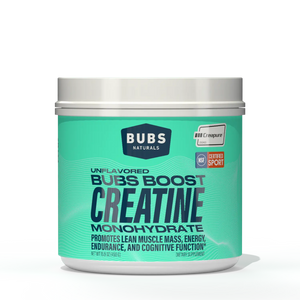
Beyond Electrolytes: For holistic recovery, consider other functional supplements. Our Collagen Peptides, for instance, can be an excellent addition post-workout to support joint health, skin, hair, and nails, complementing your electrolyte intake and contributing to overall body maintenance. Likewise, Creatine Monohydrate can support strength and power recovery.
Food vs. Supplements: Making Informed Choices
While a balanced diet should always be your first line of defense, certain situations—especially those involving prolonged or intense physical exertion—make functional supplements an incredibly efficient and effective way to ensure optimal electrolyte balance.
-
Dietary Sources: Many whole foods contain electrolytes. For example, bananas are rich in potassium, dairy products in calcium, leafy greens in magnesium, and sodium is prevalent in many processed foods (though choose wisely).
-
The Supplement Advantage: When sweat losses are high, relying solely on food might not be enough or practical during a workout. This is where high-quality electrolyte supplements, like those in our Hydration Collection, shine. They deliver precise amounts of key electrolytes in an easy-to-consume format, ensuring you can quickly and effectively replenish what you’ve lost. Our commitment to clean, rigorously tested ingredients, certified by third parties like NSF for Sport, means you can trust what you're putting into your body.
By adopting a strategic approach to when and how you replenish electrolytes, you empower your body to perform better, recover faster, and stay ready for your next adventure.
The BUBS Naturals Approach to Hydration
At BUBS Naturals, our journey began with a commitment to a life of adventure, wellness, and purpose, inspired by the legacy of Glen "BUB" Doherty. This ethos is deeply woven into every product we create, especially our Hydration Collection. We believe that fueling your body should be simple, effective, and align with a clean lifestyle, free from unnecessary additives or misleading claims.
Our Commitment to Clean Hydration
When we developed our Hydrate or Die product, our goal was clear: to provide performance-focused electrolytes that support your body's natural functions without compromise. We understood that many conventional electrolyte drinks often contain excessive sugar, artificial colors, or questionable ingredients that don't align with a truly healthful approach.
Our "no-BS" philosophy means you'll find only simple, effective ingredients in our hydration products. We prioritize natural sources and rigorous third-party testing to ensure purity and potency. This commitment extends beyond just what's in the product; it's about making sure our supplements seamlessly fit into your active lifestyle. Our Hydrate or Die – Lemon and Hydrate or Die – Mixed Berry varieties are designed to mix effortlessly into water, providing fast, effective hydration and supporting muscle function without the sugar crash.
We meticulously formulate our hydration solutions to deliver the key electrolytes you lose through sweat—sodium, chloride, potassium, and magnesium—in balanced ratios that support optimal fluid balance and cellular function. This thoughtful approach helps prevent dehydration, supports endurance, and contributes to better recovery, allowing you to maximize every outdoor excursion, gym session, or daily pursuit.
Choosing the Right Support for Your Goals
Your wellness journey is unique, and we offer a range of science-backed supplements to support you every step of the way. While our Hydration Collection is paramount for active electrolyte replacement, our other products integrate seamlessly to provide comprehensive support:
-
Sustained Energy: For those early morning adventures or demanding days, a clean energy boost can make all the difference. Our MCT Oil Creamer – 10 oz Tub or convenient MCT Oil Creamer – 14 ct Travel Pack provide sustained energy and mental clarity from coconut-derived MCTs, perfect in your coffee or favorite smoothie.
-
Joint and Recovery Support: To keep your body resilient and ready for action, healthy joints and connective tissues are vital. Our Collagen Peptides, sourced from grass-fed, pasture-raised animals, offer comprehensive support for joints, skin, hair, and nails.
-
Foundational Wellness Boosts: Beyond electrolytes, our Boosts Collection offers targeted support. Consider Creatine Monohydrate to support strength and power, or Vitamin C for antioxidant activity and collagen formation. For daily digestive wellness, our delicious Apple Cider Vinegar Gummies are a convenient option.
Our unwavering commitment to quality and transparency, coupled with our 10% Rule—donating 10% of all profits to veteran-focused charities in honor of Glen "BUB" Doherty's legacy—means that every choice you make to support your wellness with BUBS Naturals also contributes to a greater purpose. We believe in products that not only make a difference for you but also make a difference in the world.
Debunking Common Electrolyte Myths
The world of health and wellness is rife with misconceptions, and electrolytes are no exception. Separating fact from fiction empowers you to make truly informed decisions for your active lifestyle.
The Muscle Cramp Misconception
One of the most enduring myths is that muscle cramps during exercise are primarily caused by a lack of potassium. While potassium is vital for muscle function, studies have shown that potassium levels in sweat are quite low. Acute potassium deficiency leading to cramps during exercise is rare.
Instead, exercise-associated muscle cramps are now understood to be a complex phenomenon, most likely influenced by:
-
Significant Sodium Loss: Sodium is lost in much higher quantities through sweat than potassium. A substantial imbalance, especially low sodium, is more often implicated in cramps related to electrolyte status.
-
Local Muscular Fatigue: Overworked muscles, especially during high-intensity or prolonged activity, are a primary driver of cramps.
-
Neuromuscular Factors: Changes in nerve function that control muscle contraction, often related to fatigue, physical stress, or even pain, are thought to play a significant role.
Therefore, while maintaining overall electrolyte balance is important, singularly focusing on potassium to prevent cramps might be misplaced. A comprehensive approach that addresses sodium replenishment, adequate rest, and proper training progression is far more effective. Our Hydrate or Die formula, for instance, focuses on a balanced electrolyte profile to support overall muscle function rather than chasing a single, often misunderstood, cause.
Can You Have Too Many Electrolytes?
It's natural to wonder if you can overdo it with electrolytes. While it's much more common for active individuals to not get enough electrolytes than to consume too many, it is possible.
-
Excessive Intake is Rare: For generally healthy individuals, consuming too many electrolytes, particularly sodium, is uncommon because the kidneys are highly efficient at filtering out excess water-soluble minerals. What your body doesn't need, it typically excretes through urine.
-
Symptoms of Over-Consumption: However, in rare cases of extreme over-consumption, or for individuals with underlying health conditions (such as high blood pressure or kidney issues), an electrolyte imbalance can occur. Symptoms can surprisingly mimic those of too few electrolytes, including nausea, dizziness, fatigue, and muscle weakness.
-
The Danger of Over-Hydration with Plain Water: Paradoxically, a more common issue for endurance athletes is over-hydrating with plain water during long events, which can dilute the body's sodium levels to a dangerously low point (hyponatremia). This highlights why a balanced electrolyte drink, rather than just water, is crucial for extended activity.
The key is balance. Our approach at BUBS Naturals is to provide functional, balanced electrolyte support. Our Hydration Collection is designed with carefully considered ratios to help you maintain optimal balance, supporting your body's natural functions without encouraging excessive intake. Always listen to your body, and if you have specific health concerns, consult with a healthcare professional to tailor your hydration strategy.
Fueling Your Adventure: Beyond Electrolytes
While understanding what electrolytes need to be replaced during exercise is crucial for performance and recovery, true wellness extends beyond a single nutrient. At BUBS Naturals, we champion a holistic approach to supporting your adventurous spirit, ensuring your body is prepared for every challenge and able to bounce back stronger.
Our core belief is that simple, clean, and effective ingredients can make a profound difference. This is why our entire product portfolio is built on a "no-BS" philosophy, focusing on science-backed supplements that integrate seamlessly into your daily routine.
Consider how these other foundational products can complement your electrolyte strategy and overall wellness:
-
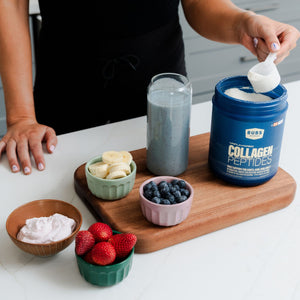
Collagen for Resilience: Your body is a complex network of muscles, bones, tendons, and ligaments. Intense exercise puts stress on these structures. Our Collagen Peptides are sourced from grass-fed, pasture-raised animals and contain Types I & III hydrolyzed collagen. This can help support the health of your joints, skin, hair, and nails, providing a strong foundation for an active life. Easy to mix into any drink, it’s a simple addition to your morning routine or post-workout shake. Explore our full Collagen Peptides Collection for more options.
-
MCTs for Sustained Energy: To power your adventures from morning until night, sustained energy is vital. Our MCT Oil Creamer – 10 oz Tub or Butter MCT Oil Creamer – 10 oz Tub offers a clean, creamy boost from coconut-derived MCTs. These easily digestible fats can support sustained energy and mental clarity, making them perfect additions to your coffee or smoothies. See our full range in the Creamers Collection.
-
Targeted Boosts for Performance and Immunity: Our Boosts Collection provides specific support for various aspects of your health. Creatine Monohydrate is a single-ingredient powerhouse to support strength, power, and training performance, aiding in muscle recovery. For immune support and antioxidant activity, our Vitamin C with citrus bioflavonoids is an excellent choice. And for daily digestive wellness, our Apple Cider Vinegar Gummies are a convenient and tasty habit.
At BUBS Naturals, we are driven by the legacy of Glen "BUB" Doherty—a life lived with purpose, adventure, and a commitment to helping others. That’s why we donate 10% of all profits to veteran-focused charities. When you choose our products, you're not just investing in your own well-being; you’re contributing to a greater cause.
Conclusion
Understanding what electrolytes need to be replaced during exercise is a cornerstone of optimal performance and recovery for anyone pursuing an active lifestyle. We've explored how these vital minerals—primarily sodium, chloride, potassium, magnesium, and calcium—act as the electrical current of your body, crucial for fluid balance, muscle function, and nerve transmission. We've seen how significant sweat loss during intense or prolonged activity can deplete these reserves, necessitating a strategic approach to replenishment.
The journey to peak performance and vibrant wellness isn't just about pushing harder; it's about nourishing your body intelligently. By understanding your unique sweat profile, strategically hydrating before, during, and after exercise, and making informed choices about the supplements you use, you empower your body to perform, recover, and adapt. We stand by our "no-BS" commitment to clean, functional, and science-backed ingredients, ensuring that what you put into your body truly makes a difference.
As you embark on your next adventure, remember the critical role of these unseen architects. Fuel your body with the clean, effective support it deserves. Explore our full range of solutions, particularly our performance-focused Hydration Collection, and feel the BUBS difference. Choose Hydrate or Die – Lemon or Hydrate or Die – Mixed Berry to support your hydration needs with no added sugar, and power your journey with purpose, just as Glen "BUB" Doherty inspired us all.
FAQ
What are the main electrolytes lost through sweat during exercise?
The primary electrolytes lost in significant quantities through sweat during exercise are sodium and chloride. While potassium, magnesium, and calcium are also present in sweat, they are generally lost in much smaller concentrations. Sodium is particularly important because of its critical role in fluid balance and its high loss rate during intense or prolonged physical activity.
How do I know if I need an electrolyte drink versus just water during exercise?
For workouts lasting less than 60 minutes at a moderate intensity, plain water is typically sufficient for hydration. However, if your exercise session is longer than 60-90 minutes, or if it's high-intensity, or if you're working out in hot and humid conditions leading to heavy sweating, then an electrolyte drink becomes beneficial. Signs you might need electrolytes include noticing white, salty residue on your skin or clothes after a workout ("salty sweater"), or experiencing fatigue, dizziness, or muscle cramps during or after prolonged exertion. Products like those in our Hydration Collection are formulated to provide balanced electrolyte support for these scenarios.
Can food provide enough electrolytes, or do I always need supplements?
A balanced diet rich in whole foods contributes significantly to your daily electrolyte intake. For example, bananas are high in potassium, dairy products in calcium, and leafy greens in magnesium. For light to moderate daily activity, food and plain water are often adequate. However, for intense, long-duration exercise (over 60-90 minutes) or in very hot conditions, sweat rates can be high, leading to rapid electrolyte depletion that may be difficult to replace quickly or sufficiently through food alone. In these situations, clean, functional electrolyte supplements like Hydrate or Die – Lemon offer an efficient and effective way to ensure optimal replenishment and support performance.
What are the benefits of choosing an electrolyte drink without added sugar?
Many traditional sports drinks contain significant amounts of added sugar, primarily as a carbohydrate source for energy. While carbohydrates can be beneficial for very long or high-intensity exercise, for many workouts, or for those managing blood sugar levels or calorie intake, excessive sugar might not be desired. Choosing an electrolyte drink without added sugar, like our Hydrate or Die line, allows you to replenish essential minerals without the extra calories or potential sugar crash. This approach supports cleaner hydration, focusing purely on electrolyte balance and muscle function. If carbohydrates are needed, they can be strategically added from other clean sources.