Table of Contents
- Introduction
- Understanding Electrolytes: The Body’s Electrical System
- Can Electrolyte Imbalance Cause Weight Loss?
- How Specific Minerals Drive Your Metabolism
- Appetite, Cravings, and the Hydration Connection
- Electrolytes and Water Retention
- The "Keto Flu" and Rapid Weight Shifts
- Symptoms and Signs of an Imbalance
- Practical Strategies for Maintaining Balance
- The BUBS Naturals Approach to Recovery
- Conclusion
- FAQ
Introduction
You finish a heavy training session, step on the scale, and notice you are two pounds lighter than you were an hour ago. While it is tempting to celebrate the progress, that immediate drop is rarely fat loss. It is almost always a shift in fluids and the electrolytes that govern them.
Electrolytes are the essential minerals that carry an electrical charge in your body. They dictate how much water your cells hold, how your muscles contract, and how your brain sends signals. When these minerals fall out of alignment, the scale can move in unpredictable ways.
At BUBS Naturals, we believe that understanding the "why" behind your body’s performance is just as important as the "what" you put into it. This guide explores the relationship between electrolyte levels and body weight, helping you distinguish between true fat loss and temporary fluid shifts. We will cover how these minerals impact your metabolism, why imbalances happen, and how to stay level.
Quick Answer: An electrolyte imbalance can cause rapid weight loss, but it is typically due to water loss (dehydration) rather than fat loss. While minerals like magnesium and potassium support a healthy metabolism, a sudden drop on the scale from an imbalance is often a sign of fluid depletion or underlying health issues.
Understanding Electrolytes: The Body’s Electrical System
Electrolytes are minerals like sodium, potassium, magnesium, calcium, and chloride. When these dissolve in your bodily fluids, they become ions. These ions carry electrical charges that power your nervous system and help your muscles move.
Think of your body like a high-performance battery. If the minerals in that battery are drained or out of balance, the system cannot hold a charge. This leads to a breakdown in communication between your brain and your muscles.
Beyond just muscle movement, these minerals are the primary regulators of fluid balance. They decide whether water stays inside your cells, moves into the spaces between cells (causing bloating), or gets flushed out by the kidneys. This constant movement of water is exactly why electrolytes have such a significant impact on your daily weight.
Can Electrolyte Imbalance Cause Weight Loss?
The short answer is yes, but with a major caveat. Most "weight loss" associated with an electrolyte imbalance is actually fluid loss. Because sodium and potassium act like magnets for water, a sudden drop in these minerals causes the body to release stored water.
If you are losing weight rapidly due to an imbalance, it is usually a result of one of three scenarios:
1. Dehydration and Fluid Depletion
When you sweat heavily or don't drink enough water, you lose both fluid and sodium. Sodium is responsible for keeping water in your blood vessels and tissues. When sodium levels drop, your body cannot hold onto water effectively. You might see a lower number on the scale, but your performance will likely suffer, and your muscles may look "flat" or depleted.
2. The Effects of Illness
Illnesses that involve vomiting or diarrhea lead to a massive loss of fluids and electrolytes. This creates a sharp, immediate drop in weight. This is not healthy weight loss; it is a sign that your body is in a state of stress and needs immediate rehydration to restore mineral balance.
3. Metabolic Dysfunction
Certain imbalances, particularly involving magnesium or phosphorus, can interfere with how your body processes energy. If your body cannot efficiently convert food into energy (ATP), you may experience muscle wasting or unintended weight loss over time. This is a more complex issue that usually requires medical oversight to correct.
Key Takeaway: Electrolytes govern water distribution. If you lose weight because of an imbalance, you are likely losing the water your body needs to function, which can lead to fatigue and decreased strength.
How Specific Minerals Drive Your Metabolism
While electrolytes are not "fat burners," they are essential for the chemical reactions that allow your metabolism to function. If your levels are off, your body’s ability to manage weight becomes compromised.
Magnesium and Energy Production
Magnesium is a heavy hitter in the world of wellness. It is involved in over 300 biochemical reactions, including the production of adenosine triphosphate (ATP). ATP is the primary energy currency of your cells. If you are low on magnesium, your body may struggle to produce energy, making you feel sluggish and less likely to stay active.
Sodium and Insulin Sensitivity
Sodium gets a bad reputation, but it is vital for health. Both too much and too little sodium can negatively affect insulin sensitivity. Insulin is the hormone that helps your body use sugar (glucose) for energy. When your body becomes less sensitive to insulin, it may store more fat or struggle to maintain stable energy levels, which can lead to weight gain or difficulty losing weight.
Potassium and Muscle Preservation
Potassium works inside your cells to balance the sodium outside of them. It is also crucial for synthesizing proteins and building muscle. Since muscle tissue burns more calories at rest than fat tissue, maintaining your potassium levels helps preserve the "metabolic engine" that supports long-term weight management.
Appetite, Cravings, and the Hydration Connection
An electrolyte imbalance often disguises itself as hunger. This is one of the most common reasons people struggle with their weight. Your brain is not always great at distinguishing between the need for water, the need for salt, and the need for calories.
The "Salt Hunger" Phenomenon
When you are low on sodium, your body triggers intense cravings for salty foods. This is an ancient survival mechanism. However, in the modern world, "salty" usually means processed snacks that are high in calories. You might find yourself reaching for chips or fast food when your body is actually just asking for a simple mineral replenishment.
Thirst vs. Hunger
Dehydration—often caused by low sodium—frequently feels like hunger. If you are chronically dehydrated because your electrolytes are low, you might eat more throughout the day simply because your body is trying to extract moisture and minerals from food. Maintaining a proper balance of minerals can help regulate these hunger hormones, like ghrelin, making it easier to stick to a healthy eating plan.
Myth: Drinking more electrolytes will directly melt fat.
Fact: Electrolytes support the metabolic processes and hydration levels that make fat loss possible, but they do not cause fat loss on their own.
Electrolytes and Water Retention
On the flip side of weight loss is water retention, or "bloating." This is where the scale can be incredibly frustrating. If you consume a high-sodium meal without enough potassium or water to balance it out, your body will hold onto every drop of fluid it can find to dilute that salt.
This can result in a weight gain of three to five pounds overnight. It is not fat; it is just water stored in your tissues. This is why many people feel "puffy" after a weekend of eating out. Increasing your intake of potassium-rich foods, like spinach or avocados, can help your kidneys flush that excess sodium and water, returning your weight to its baseline.
Note: If you notice sudden swelling in your ankles or hands along with a rapid weight change, it is a sign of a significant fluid shift. Focus on balancing your minerals rather than cutting calories to address the "weight" gain.
The "Keto Flu" and Rapid Weight Shifts
One of the most common times people experience electrolyte-related weight loss is during a transition to a low-carb or ketogenic diet. When you stop eating carbohydrates, your body burns through its stored glycogen.
Glycogen is the way your body stores sugar in the muscles and liver. Every gram of glycogen is stored with about three to four grams of water. As you burn the glycogen, you flush out the water. Along with that water, you lose a massive amount of sodium and potassium.
This leads to the "Keto Flu"—a state of fatigue, headaches, and muscle cramps. The rapid weight loss people see in the first week of a new diet is almost entirely this "water weight" and the accompanying electrolytes. To stay healthy, these individuals must aggressively replenish their minerals to avoid dehydration and muscle weakness.
Symptoms and Signs of an Imbalance
You don't always need a blood test to know your levels are off. Your body is vocal about mineral deficiencies. If you are chasing a weight loss goal, pay attention to these signals, as they may indicate that your "progress" on the scale is actually an imbalance.
-
Muscle Cramps and Twitches: Often a sign of low magnesium or potassium.
-
Headaches and Brain Fog: Common when sodium levels are low, affecting blood pressure and cranial fluid balance.
-
Fatigue: If you feel like you are walking through mud, your "battery" might be low on ions.
-
Irregular Heartbeat: Potassium and calcium are essential for the electrical signals that keep your heart rhythm steady.
-
Digestive Issues: Electrolytes help move waste through your system. Chronic constipation or diarrhea can both cause and be caused by imbalances.
If you experience these symptoms alongside a sudden drop in weight, it is time to look at your hydration strategy. Simply drinking more plain water can sometimes make the problem worse by further diluting the minerals left in your system.
Practical Strategies for Maintaining Balance
Keeping your minerals in check doesn't require a science degree. It requires a consistent approach to nutrition and smart supplementation. Our goal is to make this process as simple as possible.
Eat Your Electrolytes
Your primary source of minerals should always be whole foods. These provide the electrolytes alongside fiber and vitamins that help with absorption.
-
Potassium: Bananas, potatoes, spinach, lentils, and avocados.
-
Magnesium: Pumpkin seeds, almonds, dark chocolate, and leafy greens.
-
Calcium: Dairy, fortified plant milks, sardines, and kale.
-
Sodium: Sea salt, pickles, and fermented foods.
Smart Supplementation
For those who live an active lifestyle, food isn't always enough. If you are training hard, sweating in the heat, or following a restrictive diet, you lose minerals faster than you can eat them.
We designed our Hydrate or Die formula to meet this need without the junk. Many sports drinks are loaded with sugar, which can actually interfere with mineral absorption and add unnecessary calories to your day. Our formula uses real fruit juice powder and provides a high-performance dose of sodium, potassium, and magnesium to keep your fluid balance stable. This supports your training and ensures that the weight you lose is the weight you actually want to lose—not just the water your body needs.
Monitor Your Urine
The simplest way to check your status is to look at your urine. It should be a pale yellow color, like lemonade. If it is clear, you might be over-hydrated and diluting your minerals. If it is dark like apple juice, you are likely dehydrated and losing "weight" that you need to put back on in the form of fluids.
The BUBS Naturals Approach to Recovery
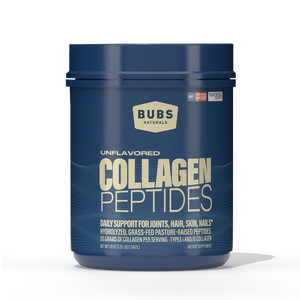
At BUBS Naturals, we believe that wellness is a discipline, not a shortcut. Whether you are using our grass-fed Collagen Peptides to support your joints or our electrolytes to stay fueled, our mission is to provide clean, effective tools for your journey.
Our brand was founded to honor the legacy of Glen "BUB" Doherty, a Navy SEAL who lived a life of adventure and purpose. We carry that spirit into every product we make. We don't use fillers, we don't use artificial sweeteners, and we ensure everything we produce is third-party tested.
When you choose to fuel with us, you are also supporting a larger mission. We donate 10% of all our profits to veteran-focused charities in BUB’s honor. It’s about more than just a supplement; it’s about a commitment to doing things the right way.
Conclusion
An electrolyte imbalance can certainly cause the number on the scale to drop, but that weight loss is rarely the kind you want. Rapid shifts in weight due to mineral depletion are a sign of dehydration and metabolic stress, not healthy fat loss.
By focusing on a balanced intake of sodium, potassium, and magnesium, you can stabilize your fluid levels, regulate your appetite, and support the metabolic processes that lead to sustainable body composition changes.
Don't chase a lower number at the expense of your health. Focus on feeling capable, staying hydrated, and giving your body the clean minerals it needs to perform at its peak.
Bottom line: Electrolytes are essential for fluid balance and metabolism. While imbalances can cause temporary weight loss through dehydration, maintaining steady levels is the best way to support long-term health and performance.
FAQ
Can low sodium cause me to lose weight?
Yes, low sodium can lead to weight loss, but it is typically due to the body’s inability to hold onto water. When sodium levels drop, the kidneys flush out more fluid, which can result in a lower number on the scale and potential dehydration. This is not fat loss and can lead to fatigue and muscle weakness.
Do electrolytes help with bloating?
Certain electrolytes, like potassium and magnesium, help the body flush out excess sodium and water. If you are experiencing water retention from a high-salt meal, increasing your potassium intake can help balance your fluids and reduce the "puffy" feeling associated with bloating.
Why did I lose five pounds in the first week of my diet?
This is usually "water weight" caused by the depletion of glycogen stores. Because your body stores water alongside glycogen, burning through your sugar reserves releases a large amount of fluid and electrolytes. This explains the rapid initial drop on the scale seen in many low-carb diets.
Should I drink electrolytes if I am trying to lose weight?
Yes, staying hydrated with a balance of minerals can support your weight loss efforts by regulating hunger and maintaining your energy for workouts. Using a sugar-free electrolyte supplement like Hydrate or Die ensures you get the minerals you need without the extra calories found in traditional sports drinks.