Table of Contents
- Introduction
- The Biological Connection Between Sugar and Salt
- When Sugar Becomes a Functional Tool
- The Case for Sugar-Free Hydration
- The Danger of Too Much Sugar
- Breaking Down the Essential Electrolytes
- How to Choose Your Hydration Strategy
- The Role of Other Supplements in Hydration
- Listening to Your Body’s Cues
- The BUBS Philosophy on Clean Hydration
- Conclusion
- FAQ
Introduction
You’ve likely stood in the supplement aisle or scrolled through endless pages of fitness products, staring at labels. On one hand, you have the classic sports drinks loaded with sugar and neon dyes. On the other, you have modern, sugar-free electrolyte powders that promise pure hydration without the calories. The question is: does that sugar actually do something, or is it just leftover marketing from the 1970s?
At BUBS Naturals, we prioritize ingredients that serve a functional purpose. We know that when you are halfway through a grueling rucking session or finishing a long trail run, every gram of what you put in your body matters. If you want a clean place to start, Hydrate or Die is our straightforward electrolyte option.
Whether you are a professional athlete or someone just trying to stay sharp during a busy workday, understanding the relationship between sugar and electrolytes is key to feeling your best. Our goal is to help you navigate the noise so you can hydrate with intent and fuel your adventures with confidence. If you want to keep digging into more of our thinking, the BUBS Blog is a good next step.
The Biological Connection Between Sugar and Salt
To answer if you need sugar in your electrolyte drink, we have to look at the small intestine. Hydration is not just about how much water you pour down your throat; it is about how much of that water actually makes it into your bloodstream. For decades, scientists have known about a specific mechanism called the Sodium-Glucose Linked Transporter, or SGLT-1.
Think of the SGLT-1 as a specialized gatekeeper in your gut. This protein’s job is to move sodium and glucose across the intestinal wall. When glucose (sugar) and sodium are present together, they "unlock" this gate, allowing water to follow them into the blood much faster than water could move on its own. This process is called cotransport.
Quick Answer: No, you do not strictly need sugar for daily hydration, but a small amount can significantly speed up water absorption during periods of intense physical stress or illness. For most people during regular activity, sugar-free electrolytes are highly effective.
In the 1960s, this discovery led to the development of Oral Rehydration Therapy (ORT). By mixing specific ratios of salt, sugar, and water, medical professionals were able to save millions of lives from severe dehydration. It was a breakthrough because it showed that sugar wasn't just for energy—it was a functional "key" for the hydration lock.
When Sugar Becomes a Functional Tool
While we generally advocate for a clean, low-sugar lifestyle, there are specific scenarios where sugar in an electrolyte drink is not just okay—it is preferred. These situations usually involve high-intensity output or prolonged physical exertion where your body is burning through its internal fuel stores.
Long-Duration Endurance
If you are out for a run, bike ride, or hike that lasts longer than 90 minutes, your glycogen stores (the sugar stored in your muscles and liver) start to run low. In these cases, a small amount of sugar in your drink serves two purposes: it speeds up the absorption of water via the SGLT-1 pathway and provides a steady drip of energy to keep your muscles firing.
High-Heat Environments
When the temperature spikes, your body works overtime to cool itself down through sweat. This leads to a rapid loss of both water and sodium. In extreme heat, the faster you can get fluids back into your system, the better. A drink with a minimal amount of sugar can act like an "express lane" for rehydration, helping you avoid the fogginess and fatigue that come with heat strain.
Recovery from Illness
When you are dealing with a stomach bug or a fever, your body loses fluids at an alarming rate. In these cases, your gut’s ability to absorb plain water may be compromised. Using an electrolyte drink with a science-backed ratio of sugar can help you bounce back faster by ensuring those fluids actually stay in your system rather than passing straight through.
Key Takeaway: Sugar acts as a delivery vehicle for sodium and water. It is most useful when your body is under significant stress or when you need to rehydrate as quickly as possible to maintain performance.
The Case for Sugar-Free Hydration
For the average person, the "need" for sugar in a sports drink is often overstated. If your workout lasts an hour or less in a climate-controlled gym, or if you are simply trying to stay hydrated at the office, sugar is likely unnecessary.
Myth: You can't absorb electrolytes without sugar.
Fact: Your body has multiple ways to absorb minerals. Sodium and water can be absorbed through passive diffusion and other transporters that do not require glucose.
Most Americans already consume more added sugar than is recommended for metabolic health. Adding another 25 to 30 grams of sugar via a sports drink during a moderate workout can lead to insulin spikes and potential weight gain over time. Furthermore, if you are following a ketogenic or low-carb diet, sugar in your electrolyte drink will kick you out of ketosis, defeating the purpose of your nutritional strategy.
Using a clean, sugar-free electrolyte formula like our Hydrate or Die allows you to replace what you lose in sweat without the unnecessary caloric load. This is especially important for those focused on metabolic flexibility—the ability of the body to switch between burning fat and burning sugar for fuel.
The Danger of Too Much Sugar
While a small amount of sugar (roughly 1 to 10 grams) can aid absorption, most commercial sports drinks go overboard. It is common to find 30 grams or more in a single bottle. When a drink is too concentrated with sugar, it can actually cause the opposite of its intended effect.
This involves a concept called osmolality. If the concentration of sugar in your gut is too high, your body actually pulls water out of your bloodstream and into your intestines to try and dilute the sugar. This often leads to:
-
Bloating and Sloshing: That heavy, uncomfortable feeling in your stomach during a workout.
-
GI Distress: Cramping or an urgent need to find a bathroom mid-run.
-
Dehydration: Ironically, a high-sugar drink can temporarily dehydrate your cells as the body shifts water to handle the sugar load.
We believe in a "function-first" approach. If you are going to use sugar, it should be in a precise, minimal amount that supports the electrolytes rather than burying them under a mountain of sweetness.
Breaking Down the Essential Electrolytes
Whether your drink has sugar or not, the minerals themselves are the stars of the show. Each one plays a specific role in keeping you moving and mentally sharp. When we designed our electrolyte products, we focused on these core components to ensure they meet the demands of an active lifestyle.
Sodium
Sodium is the primary electrolyte lost in sweat. It is responsible for maintaining fluid balance and is critical for nerve impulse transmission. Without enough sodium, you may experience muscle cramps, headaches, and a "spaced-out" feeling.
Potassium
Potassium works in tandem with sodium to manage the electrical pump in your cells. It is essential for heart health and muscle contractions. If you’ve ever felt like your muscles were "heavy" or unresponsive, a lack of potassium might be the culprit.
Magnesium
Often overlooked in cheap sports drinks, magnesium is vital for over 300 biochemical reactions in the body. It helps with muscle relaxation, energy production, and even sleep quality. Many athletes find that increasing magnesium intake helps reduce post-workout soreness.
Key Takeaway: The quality and ratio of minerals are more important than the presence of sugar. Look for a balance of sodium, potassium, and magnesium to support total body function.
How to Choose Your Hydration Strategy
There is no one-size-fits-all answer to the sugar question. The best way to approach it is by looking at your specific goals and the intensity of your day.
Choose a sugar-free option if:
- You are doing a standard gym session (lifting, yoga, or 45 minutes of cardio).
- You are focused on weight loss or metabolic health.
- You are drinking electrolytes for general wellness or to fight midday fatigue.
- You follow a keto or low-carb lifestyle.
Choose an option with minimal sugar if:
- You are training for an endurance event (marathon, triathlon, or long-distance rucking).
- You are working outdoors in extreme heat for several hours.
- You are recovering from a stomach illness and need rapid rehydration.
- You have a very high sweat rate and find that plain water isn't cutting it.
At BUBS Naturals, we developed Hydrate or Die to provide a high-dose electrolyte experience without the fluff. We focus on the minerals you actually lose in the field. For most of our community—veterans, athletes, and busy professionals—the goal is clean performance. We believe you should get your energy from high-quality food sources and your hydration from clean, mineral-rich sources.
The Role of Other Supplements in Hydration
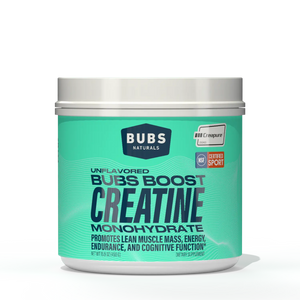
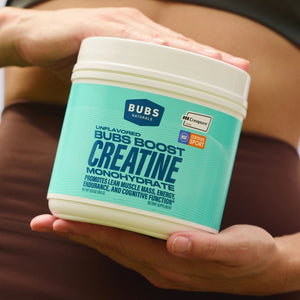
Hydration doesn't happen in a vacuum. The other things you put in your body can influence how well you retain water and how your muscles recover. For instance, many people find that adding Creatine Monohydrate to their routine helps with cellular hydration.
Creatine is known to draw water into the muscle cells themselves. While this might lead to a slight increase in scale weight, it is "good" weight—water that helps your muscles perform better and look fuller. When you combine high-quality electrolytes with creatine, you create an environment where your cells are fully saturated and ready for work.
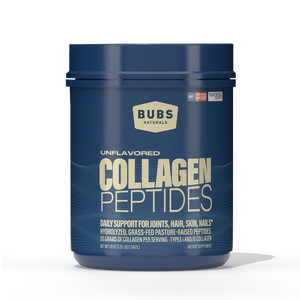
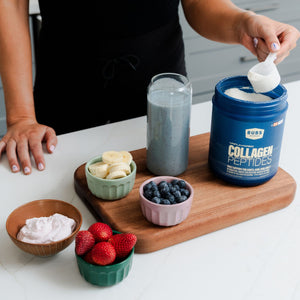
Similarly, our Collagen Peptides support the integrity of your connective tissues. While not a direct "hydrator" in the way salt is, collagen helps maintain the structures that hold fluid throughout your joints and skin. An active life is hard on the body; we believe in supporting it from every angle, from the minerals in your blood to the proteins in your tendons.
Listening to Your Body’s Cues
One of the most important skills you can develop is the ability to recognize when your electrolyte balance is off. Your body is constantly sending signals. If you find yourself reaching for the salt shaker more often than usual, or if you have a nagging headache that won't go away even after drinking a gallon of water, you are likely lacking minerals, not just fluid.
If you drink water all day but still feel thirsty, you are likely "flushing" your system. Without electrolytes to hold that water in your cells, it just goes in one end and out the other. This is a common pitfall for people who try to stay healthy by drinking massive amounts of plain water. They end up diluting their internal sodium levels, which can lead to a condition called hyponatremia.
Adding a scoop of a well-formulated electrolyte powder changes the "density" of the water, making it more bioavailable. Bioavailability simply means how easy it is for your body to recognize and use a substance. By matching the mineral concentration of your blood, you make it easier for your body to stay in balance.
Note: If you are managing a medical condition like diabetes or hypertension, always consult with your healthcare provider before significantly changing your electrolyte or sugar intake.
The BUBS Philosophy on Clean Hydration
Our approach to wellness is rooted in the life of Glen "BUB" Doherty. Glen lived with a sense of purpose and a drive for adventure, whether he was serving as a Navy SEAL or exploring the outdoors. He didn't have time for products that didn't work, and neither do you.
We build our products around the idea that "simple is better." Our Hydrate or Die formula uses organic stevia for sweetness and avoids the artificial junk that clogs up your system. We also ensure our products are third-party tested, because trust is something that is earned through transparency.
We don't include sugar in our standard electrolyte mixes because we believe you should have control over your carbohydrate intake. If you need sugar for a 20-mile run, you can add it to your bottle or eat a piece of fruit. You shouldn't be forced to consume it every time you want to hydrate.
Bottom line: Sugar is a situational tool for rapid absorption and energy, but it is not a requirement for the majority of your hydration needs. Focus on high-quality electrolytes and clean ingredients to keep your engine running smoothly.
Conclusion
Deciding whether you need sugar in your electrolyte drink comes down to matching your fuel to your output. For the high-intensity endurance athlete or someone battling the elements, a little sugar can be the key that unlocks faster hydration. For the rest of us hitting the gym, the trail, or the office, sugar-free is the cleaner, smarter way to go.
At BUBS Naturals, we are committed to providing the tools you need to live a life of adventure and wellness. Whether it’s our pasture-raised Collagen Peptides or our performance-driven electrolytes, every product is designed to help you push further. We are also proud to donate 10% of all our profits to veteran-focused charities in honor of Glen "BUB" Doherty. It’s our way of ensuring that every scoop you take helps support a larger mission.
Next time you head out for a workout, check your label. If you see more sugar than minerals, it might be time to simplify. Focus on the electrolytes that matter, listen to your body, and keep moving forward.
FAQ
Does sugar help you absorb electrolytes faster?
Yes, sugar facilitates the sodium-glucose cotransport system in the small intestine, which can speed up the absorption of water and sodium into the bloodstream. This is particularly useful during extreme physical exertion or when recovering from dehydration-related illnesses. However, this is an "express lane" and not the only way your body absorbs fluids.
Can I stay hydrated with sugar-free electrolytes?
Absolutely. For most daily activities and moderate exercise, sugar-free electrolyte drinks are highly effective at maintaining fluid balance. Your body is capable of absorbing minerals through other pathways, and avoiding sugar helps prevent unnecessary insulin spikes and excess calorie consumption.
How much sugar should be in a sports drink?
If you are using sugar for functional hydration, most research suggests a "sweet spot" of between 1 and 10 grams per serving. Many commercial sports drinks contain 30 grams or more, which can lead to gastric distress and actually slow down the hydration process by pulling water into the gut to dilute the excess sugar.
Is sugar-free better for keto or weight loss?
Yes, if you are following a ketogenic diet or focusing on weight loss, sugar-free electrolytes are the preferred choice. Sugar-free options provide the necessary minerals to prevent the "keto flu" and maintain energy levels without triggering an insulin response that could halt fat burning.