Table of Contents
- Introduction
- What Exactly Are Electrolytes and Why Do We Need Them?
- How We Lose Electrolytes and the Risks of Imbalance
- When Do You Really Need Electrolytes? Identifying Your Specific Needs
- The Best Ways to Replenish Electrolytes: From Whole Foods to Targeted Support
- Beyond Hydration: Electrolytes' Role in Broader Wellness
- Common Misconceptions and Smart Choices
- Conclusion
- FAQ
Introduction
Picture this: you've just pushed through a grueling workout, hiked a challenging trail, or perhaps found yourself battling an unexpected illness. You reach for water, but a nagging question lingers – is plain water truly enough? This isn't just a fleeting thought; it's a vital inquiry that speaks to the core of our body's fundamental operations. Electrolytes, those electrically charged minerals often associated with neon-colored sports drinks, are far more than just a marketing buzzword. They are the unsung heroes facilitating everything from muscle contraction and nerve signals to maintaining our body’s intricate fluid balance. Yet, despite their undeniable importance, confusion abounds regarding when, how, and if the average person truly needs to supplement them.
In a world increasingly focused on optimizing wellness and performance, understanding the true role of electrolytes goes beyond chasing trends. It empowers us to make informed choices about our hydration and overall health. From balancing blood pressure and supporting heart rhythm to enabling basic cellular communication, these essential minerals are constantly at work. We often take our body’s incredible ability to self-regulate for granted, but certain circumstances can easily tip the delicate scale, leading to imbalances that affect our energy, focus, and physical capabilities.
This article aims to cut through the noise, providing a clear, science-backed exploration of electrolytes. We'll delve into what these minerals are, how our bodies utilize them, and the various ways they can be lost. Most importantly, we'll answer the pivotal question: do you really need electrolytes, and if so, when and how can you ensure you’re getting them effectively? We’ll explore the signs of imbalance, the benefits of replenishing them, and how a purposeful, no-BS approach to supplementation, like that championed by us at BUBS Naturals, can support your active, adventurous lifestyle while honoring our commitment to giving back to veteran-focused charities, a legacy inspired by Glen “BUB” Doherty. By the end, you'll have a comprehensive understanding to confidently manage your hydration, recognizing when water alone suffices and when targeted electrolyte support can make a tangible difference.
What Exactly Are Electrolytes and Why Do We Need Them?
At their core, electrolytes are minerals that carry an electric charge when dissolved in water. This electrical charge is what makes them so crucial to our body's functioning. Imagine them as tiny electrical conductors, signaling muscles to contract, nerves to fire, and fluid levels to stay balanced both inside and outside our cells. Without these essential charged particles, our body's intricate systems would simply cease to operate.
The key electrolytes in our bodies include:
-
Sodium: Essential for fluid balance, nerve function, and muscle contraction. It works closely with chloride to regulate the volume of fluid outside our cells.
-
Potassium: Crucial for heart health, blood pressure regulation, and maintaining fluid balance inside cells. It also plays a significant role in nerve signal transmission and muscle function.
-
Magnesium: Involved in over 300 enzymatic reactions, supporting muscle and nerve function, blood glucose control, and blood pressure regulation. It's also vital for bone health and energy production.
-
Calcium: Best known for bone health, but also critical for muscle contraction, nerve signaling, and blood clotting.
-
Chloride: Works alongside sodium to maintain fluid balance and blood pressure, also playing a role in digestion.
-
Phosphate (or Phosphorus): Essential for bone and tooth formation, energy metabolism, and cell membrane structure.
-
Bicarbonate: Our bodies naturally produce this to help maintain the blood's pH balance.
These minerals are not just isolated components; they work in a delicate symphony, constantly interacting to keep our physiological processes running smoothly. For instance, the balance between sodium and potassium is vital for the "sodium-potassium pump," a fundamental process in every cell that helps maintain cellular volume and nerve impulses. When these balances are disrupted, even slightly, it can have noticeable effects on our health and performance.
Our kidneys are truly remarkable organs, acting as sophisticated filters to maintain this precise electrolyte balance. They can excrete excess electrolytes through urine if levels are too high, or conserve them if levels dip too low. Most of the time, for the average person consuming a balanced diet, this natural regulatory system works flawlessly, ensuring we get adequate amounts of electrolytes through the foods and beverages we consume. Fruits, vegetables, whole grains, nuts, seeds, and lean proteins are rich natural sources.
However, "most of the time" doesn't cover all the time. Certain situations can overwhelm our body's natural balancing act, leading to a need for external electrolyte support. Understanding these scenarios is key to deciphering if an electrolyte supplement is truly necessary for you.
How We Lose Electrolytes and the Risks of Imbalance
Our bodies are constantly in motion, both internally and externally, and this activity can lead to the loss of vital electrolytes. While our kidneys are excellent at regulation, they can only do so much when faced with significant depletion. Recognizing the main pathways of electrolyte loss and the potential risks of imbalance is crucial for maintaining optimal wellness and performance.
The Pathways to Electrolyte Loss
The most common ways we lose electrolytes include:
-
Sweating: This is perhaps the most significant pathway, especially during strenuous exercise, physical labor, or in hot and humid environments. When we sweat, we don't just lose water; we lose sodium, chloride, potassium, and to a lesser extent, magnesium and calcium. The amount of electrolytes lost through sweat can vary significantly from person to person, influenced by genetics, body weight, activity intensity, duration, and environmental factors. Some individuals are "salty sweaters," leaving visible white streaks on their clothes after a workout, indicating a higher loss of sodium.
-
Vomiting and Diarrhea: Illnesses that cause gastrointestinal distress, such as viral infections or foodborne illnesses, can lead to rapid and substantial losses of fluids and electrolytes. This is particularly critical for vulnerable populations like children and the elderly.
-
Excessive Alcohol Consumption: Alcohol acts as a diuretic, increasing urine output and causing the kidneys to excrete more fluid and, along with it, essential minerals. This is a primary reason why hangovers often include symptoms like headache and fatigue, which are indicative of dehydration and electrolyte imbalance.
-
Certain Medications: Diuretics, commonly prescribed for high blood pressure or fluid retention, are designed to increase urine production, which can inadvertently lead to increased electrolyte excretion. Other medications might also interfere with electrolyte absorption or balance.
-
Kidney Conditions: While kidneys are master regulators, chronic kidney disease can impair their ability to maintain proper electrolyte balance, leading to either too high or too low levels of various minerals.
-
Specific Medical Conditions: Conditions like inflammatory bowel disease (Crohn's, ulcerative colitis) can affect nutrient absorption. Postural Orthostatic Tachycardia Syndrome (POTS) can also make it challenging for the body to maintain normal fluid levels within cells, often requiring increased salt and water intake.
-
Dietary Imbalances: While a balanced diet usually provides ample electrolytes, extremely restrictive diets or those heavy in processed foods and low in fruits and vegetables can lead to deficiencies in certain minerals, like potassium or magnesium.
The Risks of Electrolyte Imbalance
An imbalance occurs when the levels of one or more electrolytes are either too high (hyper-) or too low (hypo-). Both scenarios can have serious health implications.
Symptoms of Low Electrolytes (Deficiency):
Symptoms can vary depending on which electrolyte is deficient, but common signs include:
-
Muscle cramps, spasms, or weakness: Often linked to low sodium, potassium, or magnesium.
-
Fatigue or general weakness: Can be a sign of many imbalances, impacting energy production.
-
Headache: Commonly associated with hyponatremia (low sodium) or dehydration.
-
Dizziness or lightheadedness: Particularly when standing up quickly, often due to fluid imbalance.
-
Nausea and vomiting: Can be a symptom of various electrolyte disturbances.
-
Confusion, irritability, or mood changes: Severe imbalances can affect brain function.
-
Irregular heartbeat: Especially dangerous with potassium or magnesium imbalances.
-
Increased thirst or dry mouth: Indicative of dehydration, which often accompanies electrolyte loss.
One critical example is hyponatremia, where sodium levels in the blood become too low. This can occur when excessive amounts of plain water are consumed during prolonged, intense exercise without adequately replacing lost sodium. The dilution of blood sodium can lead to severe symptoms including seizures, coma, and in extreme cases, even death. This is distinct from dehydration (hypernatremia), where overall fluid levels are low, and sodium levels are too high.
Symptoms of High Electrolytes (Excess):
While less common from dietary intake alone for healthy individuals, over-supplementing or certain medical conditions can lead to excessive electrolyte levels, which also carry risks:
-
High Sodium (Hypernatremia): Can lead to increased blood pressure, fluid retention, and symptoms similar to dehydration (thirst, fatigue, confusion).
-
High Potassium (Hyperkalemia): Potentially dangerous, as it can cause irregular and even life-threatening heart rhythms.
-
High Calcium or Magnesium: Can lead to kidney problems (including kidney stones), nausea, confusion, and muscle weakness.
Interestingly, some symptoms of excess electrolytes can mimic those of deficiency, such as confusion or muscle cramps, highlighting the body's need for precise balance. It's a testament to the intricate dance these minerals perform, where both too little and too much can disrupt harmony.
At BUBS Naturals, our commitment to clean, functional, and science-backed ingredients means we understand the importance of precise formulations. Our products, like our Hydration Collection, are crafted to support your body's natural balance without unnecessary additives, reflecting our no-BS approach to wellness.
When Do You Really Need Electrolytes? Identifying Your Specific Needs
The overarching question – "do I really need electrolytes?" – doesn't have a one-size-fits-all answer. For most people leading moderately active lives and consuming a balanced diet, their bodies do an excellent job of maintaining electrolyte equilibrium. However, there are distinct circumstances where supplemental electrolytes move from optional to genuinely beneficial, or even necessary.
For the Average Person: Diet First
For individuals who engage in light to moderate activity for less than an hour, in temperate conditions, plain water is typically sufficient for hydration. A balanced diet naturally supplies the electrolytes needed for daily functions. We believe in harnessing the power of whole foods first, aligning with our commitment to natural ingredients. Fruits like bananas and avocados are rich in potassium, while leafy greens, nuts, and seeds provide magnesium. Even regular tap water contains trace amounts of calcium, magnesium, sodium, and potassium, with mineral water offering higher concentrations.
Think of it this way: if you’re enjoying a wholesome meal after a casual walk or a gentle yoga session, your body is likely replenishing any minor losses without extra effort. The beauty of our approach at BUBS Naturals is that we emphasize supporting your existing healthy habits, not replacing them.
When Electrolytes Become More Crucial
Electrolytes come into play when your body's natural regulatory mechanisms are significantly challenged. Here are the key scenarios where replenishment beyond water might be beneficial or essential:
1. Prolonged or Intense Exercise
This is where the conversation around electrolytes often begins. If you're exercising vigorously for over an hour, especially in hot or humid conditions, your sweat rate increases, and with it, the loss of sodium, potassium, and other minerals. Examples include:
-
Endurance Athletes: Marathon runners, triathletes, long-distance cyclists, or hikers putting in several hours of sustained effort. These individuals can lose substantial amounts of sodium through sweat, making them susceptible to hyponatremia if they only drink plain water.
-
High-Intensity Training: Even shorter bursts of high-intensity interval training (HIIT) or heavy weightlifting can lead to significant sweat loss, particularly if performed in warm environments.
-
Outdoor Laborers: People working long hours outdoors in hot climates (e.g., construction workers, landscapers) are at high risk of fluid and electrolyte depletion.
In these situations, the goal isn't just to rehydrate but to restore the delicate mineral balance that supports muscle function and prevents cramping, fatigue, and even more serious issues. This is precisely why we developed our Hydration Collection, designed to offer performance-focused electrolytes without added sugar, supporting fast, effective hydration and muscle function. Products like our Hydrate or Die – Lemon or Hydrate or Die – Mixed Berry provide the essential electrolytes needed to keep you performing at your peak and recovering effectively, embodying our commitment to supporting active lifestyles.
2. Illness Causing Fluid Loss
As mentioned, severe vomiting or diarrhea can rapidly deplete both fluids and electrolytes. Whether it's a stomach bug or food poisoning, replenishing these minerals is paramount to prevent dehydration and accelerate recovery. In these cases, electrolyte solutions are often recommended by healthcare professionals to help restore balance.
3. Extreme Heat Exposure
Spending extended periods in high temperatures, even without intense physical activity, can lead to significant sweating and electrolyte loss. This includes situations like sunbathing for hours, working in a non-air-conditioned space during a heatwave, or traveling in hot climates. Maintaining proper hydration and electrolyte balance is key to preventing heat exhaustion and heatstroke.
4. Certain Medical Conditions or Medications
Individuals with specific health challenges or those on particular medications might have an ongoing need for electrolyte management.
-
POTS (Postural Orthostatic Tachycardia Syndrome): Often requires a higher intake of sodium and fluids to manage symptoms.
-
Inflammatory Bowel Diseases (IBD): Can impair nutrient absorption, including electrolytes.
-
Kidney Disease: Can affect the body's ability to regulate electrolyte levels, requiring careful monitoring and sometimes supplementation under medical guidance.
-
Diuretic Medications: These medications, often used for blood pressure, increase the excretion of fluids and electrolytes, necessitating careful replenishment.
-
Age: As we age, muscle mass can decrease and total body water content can be reduced, increasing the risk for electrolyte imbalance. Older adults may benefit from more conscious electrolyte intake.
If you have an underlying medical condition or are on medication, it's always wise to consult with a healthcare professional about your specific hydration and electrolyte needs. Our no-BS approach means we always encourage informed decisions about your wellness journey.
5. Recovering from a Hangover
While not a direct health condition, excessive alcohol intake can lead to dehydration and significant electrolyte imbalance. Replenishing fluids and electrolytes can help alleviate some hangover symptoms, aiding in the body's recovery process.
Assessing Your Individual Need
How do you know if you're a "salty sweater" or if your workout qualifies as "intense" enough? Listen to your body. Signs like muscle cramps, persistent fatigue despite adequate rest, dizziness, or even a strong craving for salty foods after activity can be indicators that your electrolyte balance might be off. Pay attention to how your clothes feel after a sweaty session—white or crunchy residue can be a visual cue of significant salt loss.
Ultimately, the choice to use an electrolyte supplement should be an informed one, based on your lifestyle, activity level, and how your body responds. For those active days when you're pushing your limits, exploring the outdoors, or simply need an extra boost, our Hydration Collection offers a clean, effective way to support your body's performance and recovery, keeping you ready for your next adventure.
The Best Ways to Replenish Electrolytes: From Whole Foods to Targeted Support
Once you’ve identified a potential need for electrolyte replenishment, the next question is how to do it effectively and safely. The good news is there are multiple avenues, ranging from everyday dietary choices to targeted supplements, each with its own benefits. At BUBS Naturals, we champion a holistic approach to wellness, believing in the power of nature and science working together.
1. The Power of a Balanced Diet
For many, a balanced diet remains the cornerstone of maintaining adequate electrolyte levels. Whole foods offer a rich, natural, and highly bioavailable source of these essential minerals, often accompanied by other beneficial nutrients like vitamins, fiber, and antioxidants.
-
Sodium: While many processed foods are loaded with sodium, you can get it from natural sources like celery, spinach, and even dairy. If you're training hard, a pinch of sea salt in your water or a salty snack (like nuts) can be an effective way to replenish.
-
Potassium: Abundant in fruits and vegetables. Think bananas, avocados, potatoes, sweet potatoes, spinach, coconut water, and oranges.
-
Magnesium: Found in leafy green vegetables (kale, spinach), nuts (almonds, cashews), seeds (pumpkin, chia), legumes, whole grains, and dark chocolate. Many people in Western diets are often deficient in magnesium, making these foods particularly important.
-
Calcium: Dairy products (milk, yogurt, cheese), leafy greens (collard greens, fortified plant milks), and tofu are excellent sources.
-
Chloride: Usually found alongside sodium in table salt (sodium chloride), as well as in tomatoes, lettuce, and olives.
-
Phosphate: Rich sources include dairy, fish, eggs, nuts, and legumes.
Incorporating a diverse range of these foods into your daily meals can go a long way in supporting your body’s electrolyte balance. For example, a post-workout snack of yogurt with a banana and a handful of nuts not only provides protein for recovery but also a fantastic mix of potassium, magnesium, and calcium.
2. Natural Hydrating Beverages
Beyond plain water, several natural beverages can contribute to your electrolyte intake:
-
Coconut Water: Often touted as nature's sports drink, unsweetened coconut water is naturally high in potassium and contains some sodium, magnesium, and calcium. It's a great option for mild hydration needs.
-
Milk: A surprising source, milk contains calcium, sodium, potassium, and phosphorus, making it an excellent recovery drink that also provides protein and carbohydrates.
-
Fruit Juice: 100% fruit juice (like orange juice) can provide potassium and some carbohydrates, though it's important to be mindful of sugar content.
-
Broths and Bouillon: Chicken or vegetable broths are excellent for replenishing sodium and fluids, especially during illness.
3. Targeted Electrolyte Supplements: When and Why
For those moments when diet and natural beverages aren't enough – particularly during intense exercise, prolonged heat exposure, or illness – targeted electrolyte supplements offer a convenient and efficient solution. However, not all supplements are created equal. Many conventional sports drinks are loaded with sugar, artificial colors, and unnecessary ingredients. Our no-BS approach at BUBS Naturals focuses on clean, effective, and science-backed formulations.
This is where our Hydration Collection truly shines. We developed Hydrate or Die to provide performance-focused electrolytes without the added sugar, artificial sweeteners, or dyes commonly found in other options. Our blend is designed to support rapid hydration and muscle function, featuring a balanced profile of key electrolytes like sodium, potassium, and magnesium. It mixes effortlessly, making it a perfect companion for your gym bag, hiking pack, or travel kit. Whether you prefer the refreshing tang of Hydrate or Die – Lemon or the vibrant taste of Hydrate or Die – Mixed Berry, you’re getting exactly what you need to keep pushing your limits.
Key considerations when choosing an electrolyte supplement:
-
No Added Sugar: For most people, especially during daily activity, added sugars contribute unnecessary calories and can negate some of the health benefits. Our Hydration Collection ensures you get electrolytes without the sugar crash.
-
Balanced Ratios: Effective electrolyte products provide a balance of key minerals, not just an overload of one. Too much sodium without enough potassium, for example, can be counterproductive.
-
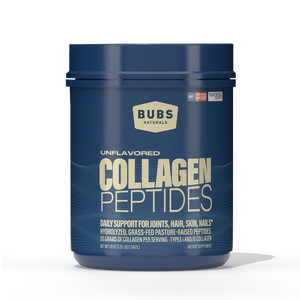
Clean Ingredients: We pride ourselves on using only simple, effective ingredients, rigorously tested and certified by third parties like NSF for Sport, ensuring what you see on the label is what you get. This mirrors our commitment to quality across our entire portfolio, from our Collagen Peptides to our MCT Oil Creamer.
-
Convenience: Powdered mixes or tablets are portable and easy to add to water, fitting seamlessly into an active lifestyle.
Making Your Own Electrolyte Drink
For those who enjoy a DIY approach, a simple homemade electrolyte drink can be effective, allowing you to control the ingredients:
Basic Electrolyte Water Recipe (makes about 1 liter):
- 3 ½ cups of water
- ½ teaspoon of salt (sodium chloride)
- 2-3 tablespoons of a natural sweetener (like honey or maple syrup)
- 4 ounces unsweetened 100% orange juice or coconut water (for potassium)
This mixture provides essential sodium, potassium, and a small amount of glucose, which helps enhance the absorption of fluid and electrolytes in the intestines. However, for the ultimate convenience and precision in a clean, effective formula, our Hydration Collection offers a trusted alternative, allowing you to focus on your adventure, not your ingredient list.
Beyond Hydration: Electrolytes' Role in Broader Wellness
The importance of electrolytes extends far beyond just quenching thirst or preventing muscle cramps during a grueling workout. These vital minerals are deeply intertwined with numerous aspects of our overall health and performance, influencing everything from our mental clarity to our cardiovascular well-being. Understanding these broader roles reinforces why maintaining electrolyte balance is a cornerstone of true wellness, aligning perfectly with our mission at BUBS Naturals to support a life of adventure, wellness, and purpose.
Supporting Cognitive Function and Mental Clarity
Our brains, like all other organs, rely on electrical signals to function. Electrolytes, particularly sodium, potassium, and magnesium, are critical for transmitting these nerve impulses. When electrolyte levels are out of balance, cognitive functions can suffer. Symptoms like confusion, poor concentration, and irritability are common signs of imbalances. Adequate hydration and electrolyte balance contribute to:
-
Neurotransmitter Function: Electrolytes facilitate the release and uptake of neurotransmitters, the chemical messengers that allow brain cells to communicate effectively.
-
Brain Fluid Regulation: They help maintain the osmotic pressure of fluids around brain cells, preventing swelling or shrinkage that can impair function.
-
Energy Production: Magnesium, in particular, is a co-factor in ATP (adenosine triphosphate) production, the primary energy currency of our cells, including brain cells.
Ensuring a steady supply of these minerals can therefore play a role in supporting sustained mental clarity and focus, whether you're tackling a demanding workday or navigating complex terrain on a long hike. It's not just about physical performance; it's about sharp thinking too. For an added brain boost, consider integrating products like our MCT Oil Creamer – 10 oz Tub into your morning routine. Derived from coconut oil, it provides clean, sustained energy and supports mental clarity, making it a perfect complement to balanced electrolyte intake.
Cardiovascular Health and Blood Pressure Regulation
Electrolytes, especially sodium and potassium, are central to maintaining a healthy cardiovascular system.
-
Fluid Balance: Sodium is the primary electrolyte that regulates fluid volume outside our cells, directly impacting blood volume and, consequently, blood pressure. Too much sodium can lead to fluid retention, increasing blood volume and raising blood pressure.
-
Heart Rhythm: Potassium is absolutely critical for proper heart function. It helps regulate the electrical signals that control the heartbeat. Both too little (hypokalemia) and too much (hyperkalemia) potassium can lead to dangerous cardiac arrhythmias. Magnesium also plays a supportive role in maintaining a stable heart rhythm.
-
Vascular Function: Potassium helps relax blood vessel walls, which can contribute to lower blood pressure. It acts as a counter-balance to sodium, and a diet rich in potassium is often recommended for blood pressure management.
For individuals concerned about blood pressure, a conscious effort to balance sodium intake with sufficient potassium from a diet rich in fruits and vegetables is paramount. Our commitment to transparent, clean ingredients means you can trust our products to support your body without unwanted additives that could impact cardiovascular health.
Supporting Muscle and Nerve Function
This is perhaps the most well-known role of electrolytes. Every time a muscle contracts, from a subtle twitch to a powerful lift, electrolytes are at play.
-
Muscle Contraction: Calcium, sodium, and potassium work in concert to facilitate muscle contraction and relaxation. An imbalance can lead to cramps, spasms, or weakness.
-
Nerve Transmission: Electrolytes carry the electrical impulses that allow nerves to communicate with each other and with muscles. This rapid communication is essential for all movement, sensation, and thought.
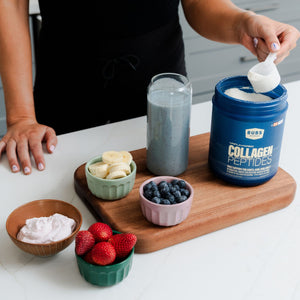
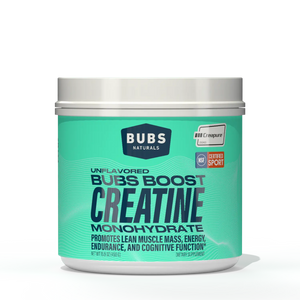
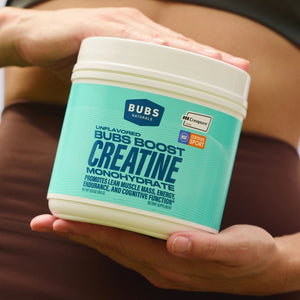
Beyond electrolytes, supporting muscle function and recovery is a holistic endeavor. Products like our Creatine Monohydrate can support strength, power, and training performance, making it a valuable addition for those pushing their physical limits. For post-workout recovery and joint support, our Collagen Peptides are a natural choice, contributing to connective tissue health.
Digestive Health and Nutrient Absorption
Electrolytes also play a subtle but important role in digestive processes and nutrient absorption. For example, chloride is a component of stomach acid, essential for breaking down food. Balanced fluid levels, regulated by electrolytes, are necessary for healthy bowel movements. Furthermore, the optimal absorption of nutrients can be compromised if fluid and electrolyte balance in the gut is disturbed. Supporting your digestive system can also be done with our Apple Cider Vinegar Gummies, a convenient daily habit for overall digestive wellness support.
The Holistic View
Ultimately, the need for electrolytes underscores a fundamental principle of wellness: balance. Our bodies are incredibly resilient and self-regulating, but an active lifestyle, demanding conditions, or the natural progression of life can sometimes require a bit of extra support. By understanding the multi-faceted roles of electrolytes in our broader wellness, we can make more informed choices that empower our adventures, support our health, and allow us to live life to the fullest. This holistic view is at the heart of BUBS Naturals, where we strive to provide clean, functional supplements that truly make a difference, inspired by a legacy of purpose.
Common Misconceptions and Smart Choices
In the booming wellness market, where "hydration" is a constant buzzword, it’s easy to fall prey to common misconceptions about electrolytes. Our no-BS approach at BUBS Naturals means we believe in transparency and empowering you with accurate information to make smart choices for your health. Let’s debunk some myths and highlight the intelligent paths to electrolyte balance.
Misconception 1: More Electrolytes Are Always Better
This is perhaps the most pervasive myth. As we've explored, balance is key. Excessive intake of electrolytes, particularly through over-supplementation, can be just as detrimental as deficiency. Symptoms of electrolyte overload often mimic those of depletion – fatigue, nausea, muscle cramps, and confusion – precisely because the body is striving to regain equilibrium. For instance, too much sodium can elevate blood pressure, while excessive potassium can lead to dangerous heart arrhythmias.
Smart Choice: Listen to your body and stick to recommended dosages. If you're using an electrolyte supplement like our Hydrate or Die, follow the instructions and assess your individual needs based on activity level and sweat rate. More is not always better; optimal is always better.
Misconception 2: All Sports Drinks Are Effective Electrolyte Replenishers
Many commercial sports drinks, while containing electrolytes, are also loaded with sugar, artificial colors, and flavors. While endurance athletes might benefit from the carbohydrate content for sustained energy during very long events, for most individuals, these added sugars contribute unnecessary calories and can lead to a "sugar crash." The American Academy of Pediatrics, for example, generally doesn't recommend sports drinks for moderate physical activity in adolescents due to links with weight gain, dental issues, and poor nutrition.
Smart Choice: Choose electrolyte supplements that prioritize clean ingredients and avoid excessive sugar. Our Hydration Collection is purposefully designed with performance-focused electrolytes and no added sugar, aligning with our commitment to functional and pure formulations. You get the essential minerals for optimal hydration without the compromise of unwanted additives.
Misconception 3: You Only Need Electrolytes When You're Actively Working Out
While strenuous exercise is a prime scenario for electrolyte loss, it's not the only one. Illnesses involving vomiting or diarrhea, prolonged exposure to extreme heat (even without exercise), certain medications, or specific medical conditions can all lead to significant electrolyte imbalances regardless of your activity level. Even stress can potentially affect electrolyte levels by increasing urinary excretion of minerals.
Smart Choice: Be aware of all potential scenarios that can deplete electrolytes. If you're feeling unwell, spending a day in intense heat, or experiencing symptoms like persistent fatigue or muscle cramps, consider your electrolyte status, even if you haven't hit the gym. For comprehensive wellness, don't overlook daily nutritional support like our Vitamin C for antioxidant activity and overall health.
Misconception 4: Water Alone Is Always Enough, or Never Enough
This misconception represents two extremes. For most low-intensity, shorter duration activities, plain water is perfectly adequate. Our bodies are incredibly efficient at self-regulating. However, under conditions of significant sweat loss (prolonged intense exercise, extreme heat) or illness, relying solely on water can be detrimental. Drinking large amounts of plain water without replacing sodium can dilute existing blood sodium levels, leading to dangerous hyponatremia.
Smart Choice: Understand the nuances of hydration. For everyday needs, focus on drinking enough water and consuming a balanced diet rich in electrolyte-containing whole foods. For higher demands – such as intense workouts lasting over an hour, or when battling illness – integrate a high-quality electrolyte supplement like our Hydrate or Die – Mixed Berry to ensure your body has the complete support it needs. This intelligent approach allows you to tailor your hydration strategy to your specific lifestyle and demands.
The BUBS Naturals Difference
Making smart choices about electrolytes aligns with everything we stand for at BUBS Naturals. Our dedication to clean, functional, and science-backed supplements means we cut through the hype. We provide products that are rigorously tested and certified, offering a no-BS approach to help you achieve your wellness goals. Just as Glen "BUB" Doherty lived a life of purpose and integrity, we strive to empower your journey with products that are simple, effective, and truly make a difference, all while honoring his legacy by donating 10% of all profits to veteran-focused charities. One scoop of our Hydrate or Die, and you can truly feel the BUBS difference.
Conclusion
The journey to understanding electrolytes reveals a fundamental truth about our bodies: they are intricate systems designed for balance, and when that balance is challenged, targeted support can make a profound difference. From facilitating every muscle contraction and nerve signal to regulating blood pressure and cognitive function, these essential minerals are the silent orchestrators of our well-being.
For the majority of daily life, a balanced diet rich in fruits, vegetables, and whole foods, coupled with ample plain water, provides all the electrolytes most people need. However, our exploration has illuminated specific scenarios where this natural equilibrium can be disrupted: periods of prolonged, intense physical activity, exposure to extreme heat, and the challenges of illness. In these moments, simply drinking water isn't enough; the targeted replenishment of electrolytes becomes a crucial component of maintaining performance, supporting recovery, and safeguarding overall health.
By choosing clean, functional, and science-backed solutions, we can avoid the pitfalls of excessive sugar and artificial additives often found in conventional sports drinks. Our commitment at BUBS Naturals is to provide you with precisely what your body needs to thrive – no BS, just pure effectiveness. Products from our Hydration Collection, like our Hydrate or Die – Lemon or Hydrate or Die – Mixed Berry, are crafted to support your body's natural functions, keeping you hydrated, energized, and ready for whatever adventure comes next.
We invite you to make informed decisions about your hydration, guided by your activity level, environment, and personal needs. Embrace the power of balanced electrolytes to fuel your active life, enhance your wellness, and empower your purpose. Discover the difference that clean, effective hydration can make for you. Explore our full Hydration Collection today and experience the BUBS difference – a testament to our dedication to quality, integrity, and supporting a life well-lived, inspired by the enduring legacy of Glen “BUB” Doherty and our pledge to give back 10% of all profits to veteran-focused charities.
FAQ
Q1: Can I get all the electrolytes I need from food alone?
A1: For most people with a balanced diet and moderate activity levels, yes, you can get sufficient electrolytes from food. Fruits (like bananas and avocados), vegetables (spinach, potatoes), dairy products, nuts, seeds, and whole grains are rich sources of essential minerals like potassium, magnesium, calcium, and phosphorus. Sodium is commonly found in many foods, though it's important to monitor overall intake. However, during periods of intense exercise, heavy sweating, illness (vomiting/diarrhea), or in extreme heat, dietary intake alone may not be enough to quickly replenish significant losses, making a targeted supplement beneficial.
Q2: What are the main signs that I might have an electrolyte imbalance?
A2: Signs of an electrolyte imbalance can vary depending on which specific mineral is low or high, but common symptoms include muscle cramps, spasms, or weakness, persistent fatigue, headaches, dizziness or lightheadedness, nausea, and in more severe cases, confusion or an irregular heartbeat. Increased thirst after exercise despite drinking water can also be a signal. If you consistently experience these symptoms, especially after strenuous activity or illness, it might be an indicator that your electrolyte levels are out of sync.
Q3: Are electrolyte drinks with added sugar harmful?
A3: For endurance athletes during prolonged, intense exercise (e.g., marathons), the carbohydrates (sugars) in some sports drinks can provide a quick energy source. However, for most individuals, especially during moderate activity or daily hydration, the added sugars in many commercial electrolyte drinks contribute unnecessary calories and can lead to a sugar crash. Excessive sugar intake is linked to various health issues, including weight gain and dental problems. We believe in providing clean fuel for your body, which is why our Hydration Collection, including products like Hydrate or Die – Mixed Berry, contains performance-focused electrolytes with no added sugar, ensuring you get pure, effective hydration.
Q4: When should I consider using a BUBS Naturals electrolyte product like Hydrate or Die?
A4: You should consider using our Hydrate or Die from the Hydration Collection when your body's electrolyte needs are elevated beyond what a typical diet and plain water can provide. This includes intense workouts lasting over an hour, strenuous physical activity in hot or humid conditions, prolonged outdoor adventures, or when experiencing significant fluid loss due to illness. Our no-BS approach means we provide a clean, science-backed blend of essential electrolytes, rigorously tested and free from added sugars, designed to support rapid hydration, muscle function, and energy without compromise. It's an ideal choice for anyone living an active, adventurous lifestyle.