Table of Contents
- Introduction
- Understanding Electrolytes and Your Body
- The Difference Between Fat Gain and Water Weight
- When Electrolytes Can Lead to Fat Gain
- Why You Might Feel Bloated
- The Benefits of Electrolytes for Weight Management
- How to Avoid Unwanted Weight Fluctuations
- Choosing the Right Electrolyte Supplement
- Practical Scenarios: When to Use Electrolytes
- Why Hydration Matters More Than the Scale
- Bottom Line
- Conclusion
- FAQ
Introduction
You step off the treadmill after a grueling hour-long session, feeling accomplished and drenched in sweat. You reach for your favorite hydration mix, drink it down, and feel your energy return. But the next morning, you step on the scale and see a number that is two pounds higher than yesterday. It feels frustrating and confusing. You wonder if those essential minerals you took to recover are actually working against your weight loss goals.
At BUBS Naturals, we believe that understanding the "why" behind your body’s fluctuations is the key to staying consistent with your wellness routine. The short answer is that electrolytes do not cause fat gain, but they do influence how your body holds onto water. This article explores the relationship between mineral balance, water retention, and the hidden calories in many sports drinks. We will break down why the scale moves and how to use hydration to actually support your long-term fitness progress.
Properly balanced electrolytes are essential for performance and do not lead to actual body fat accumulation when chosen correctly.
Quick Answer: Electrolytes themselves contain zero calories and cannot be converted into body fat. However, they regulate fluid balance, and a sudden increase in sodium can cause temporary water retention, making the scale go up while your body fat remains the same.
Understanding Electrolytes and Your Body
Electrolytes are minerals that carry an electric charge when dissolved in water. They are not just "salt." They include sodium, potassium, magnesium, calcium, chloride, and phosphate. These minerals live in your blood, tissues, and cellular fluids. They are the gatekeepers of your nervous system and muscle function.
When you move, your muscles use these minerals to contract and relax. When you think, your brain uses them to send signals. Most importantly for this discussion, electrolytes control osmosis. This is the process where water moves across cell membranes to ensure your cells don't shrivel up or burst.
The body is a finely tuned machine that prioritizes balance, also known as homeostasis. If you have too many electrolytes and not enough water, your brain signals thirst. If you have plenty of electrolytes and plenty of water, your body stays hydrated and performs at its peak. Weight fluctuations occur when this balance shifts rapidly, usually due to a change in salt intake or intense physical activity.
The Difference Between Fat Gain and Water Weight
To answer whether electrolytes make you gain weight, we have to define what "weight" means. Your total body weight is the sum of your bones, organs, muscles, fat, and a massive amount of water. Water accounts for roughly 60% of your total mass.
Fat gain happens when you consistently consume more calories than your body burns over a long period. This process is slow. It is physiologically impossible to gain two pounds of actual body fat overnight. To do that, you would need to eat about 7,000 calories above your daily burn rate in a single day.
Water weight, on the other hand, can shift by several pounds in a matter of hours. This is what people usually experience when they talk about "gaining weight" from electrolytes. When you consume a high-quality electrolyte blend, your body pulls that water into your cells and bloodstream where it is needed. This is a sign of healthy hydration, not a sign of fat storage.
Why Sodium Gets a Bad Reputation
Sodium is the primary electrolyte responsible for holding water outside your cells. When you increase your sodium intake, your body temporarily holds onto more water to keep the concentration of salt in your blood at a safe level. This is why a salty meal makes you feel "puffy" the next day.
However, for active individuals, this water retention is often a recovery mechanism. After a hard workout, your muscles are often depleted and slightly damaged. They need water and nutrients to begin the repair process. The water that follows sodium into your muscle tissue helps with that repair.
Key Takeaway: The "weight gain" associated with electrolytes is almost always temporary water volume intended to hydrate your cells and support recovery, not a permanent increase in body fat.
When Electrolytes Can Lead to Fat Gain
While the minerals themselves are calorie-free, not all electrolyte products are created equal. Many traditional sports drinks found in grocery stores are loaded with sugar. This is where the risk of actual weight gain enters the picture.
If you are drinking a beverage that contains 30 to 50 grams of sugar per serving, those calories add up fast. If you drink two of those a day without adjusting your food intake, you are adding hundreds of extra calories to your diet. Over weeks and months, these liquid calories can lead to fat gain.
We designed our Hydrate or Die® Electrolytes to solve this specific problem. It provides the essential minerals your body needs for performance—including organic evaporated cane sugar for functional glucose transport—without the excessive, empty calories found in neon-colored grocery store drinks. By using a precise ratio of ingredients, we help you stay hydrated without the baggage of traditional "junk" sports drinks.
The Role of Sugar in Hydration
It is important to note that a small amount of sugar can actually help hydration. This is called the sodium-glucose cotransport mechanism. In simple terms, your gut absorbs water more efficiently when a small amount of sugar and salt are present together.
The problem is the dose. You need a few grams to help the water get into your system, not a candy bar’s worth of sugar. High-sugar drinks cause a spike in insulin, which can lead to fat storage if the energy isn't used immediately during intense exercise.
Why You Might Feel Bloated
Bloating is different from weight gain. Bloating is that uncomfortable feeling of pressure in your digestive tract or a visible distension of the stomach. Some people report feeling bloated after taking certain mineral supplements.
This is usually caused by the type of minerals used or the concentration of the drink. For example, high doses of magnesium can have a laxative effect or cause gas in some people. Similarly, if you drink a very concentrated electrolyte solution (hypertonic) without enough plain water, it can actually pull water out of your tissues and into your gut, causing temporary discomfort.
To avoid this, always mix your electrolytes with the recommended amount of water. Listen to your body and adjust the concentration if you feel any digestive distress. Most people find that once their body adjusts to a consistent hydration routine, any initial bloating disappears.
The Benefits of Electrolytes for Weight Management
Surprisingly, proper hydration can actually make it easier to maintain a healthy weight or even lose fat. When you are dehydrated, your body often confuses thirst signals for hunger signals. You might find yourself reaching for a snack when what your body actually needs is water and minerals. For a deeper look at that relationship, see our guide on whether electrolytes are truly needed.
Improving Workout Intensity
You cannot train hard if you are depleted. Even mild dehydration—as little as 2% loss of body weight in fluids—can significantly decrease your aerobic capacity and physical strength. If your workouts suffer, you burn fewer calories.
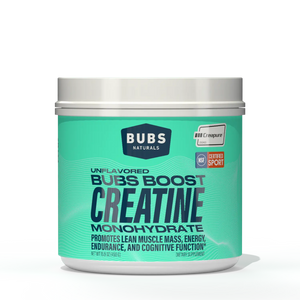
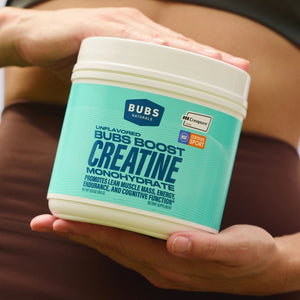
By maintaining your mineral balance, you can push harder for longer. This leads to more effective training sessions and better long-term metabolic health. Our Creatine Monohydrate , for instance, works alongside electrolytes to help your muscles maintain energy and hydration during high-intensity movements. This combination supports muscle mass, and more muscle translates to a higher resting metabolic rate.
Supporting Metabolic Function
Magnesium and potassium are involved in hundreds of chemical reactions in the body, including those that convert food into energy. If you are deficient in these minerals, your metabolism may not function at its peak.
Magnesium, in particular, helps regulate blood sugar levels and insulin sensitivity. When your insulin is stable, your body is better at accessing stored fat for fuel. Instead of causing weight gain, these minerals are actually the "grease" that keeps your metabolic engine running smoothly.
Myth: Salt is the enemy of a lean physique.
Fact: While excessive processed salt can cause swelling, active people need adequate sodium to maintain blood volume and support the heart during exercise.
How to Avoid Unwanted Weight Fluctuations
If you are concerned about the scale moving, there are several ways to manage your electrolyte intake to ensure you are getting the benefits without the side effects.
Consistency is Key
The scale usually jumps when there is a sudden change. If you normally eat a low-sodium diet and then suddenly take a high-dose electrolyte drink, you will likely see a weight spike. If you stay consistent with your mineral intake, your body learns to regulate its fluid levels more efficiently, and those spikes will level out.
Monitor Your Total Sodium Intake
Electrolyte supplements are only one part of the equation. If you are also eating a lot of processed foods, your total sodium intake might be higher than you realize. Focus on whole foods and use your hydration supplements specifically around times of activity or high heat.
Drink Enough Plain Water
Electrolytes need water to do their job. If you take minerals but don't drink enough fluid, your body will try to "save" every drop of water it has, leading to retention. Aim to drink water throughout the day, using electrolytes as a functional tool rather than your only source of hydration.
Choosing the Right Electrolyte Supplement
When shopping for a hydration product, you should look for transparency. Many brands hide their ingredients behind "proprietary blends" or use artificial dyes and sweeteners that can cause inflammation or digestive issues.
At BUBS Naturals, we prioritize clean, simple ingredients. Our products are third-party tested and NSF for Sport certified. This means what is on the label is exactly what is in the pouch. We don't use fillers or chemical additives that can make you feel sluggish or bloated. Whether you choose our Electrolytes collection or a flavor like Lemon or Mixed Berry, you are getting a formula designed for athletes and active adults who demand the best for their bodies.
Practical Scenarios: When to Use Electrolytes
Understanding when your body needs these minerals can help you avoid overdoing it.
-
Morning Routine: After six to eight hours of sleep, you are naturally dehydrated. Starting your day with water and a light dose of minerals can wake up your brain and metabolism.
-
During Exercise: If you are sweating for more than 60 minutes, you are losing significant amounts of sodium. Replacing it in real-time helps prevent cramping and fatigue.
-
Post-Workout Recovery: Rehydrating after a session helps move nutrients into your muscles to begin the repair process.
-
Heat and Travel: High temperatures and airplane travel both dehydrate the body quickly. In these cases, electrolytes can prevent the "brain fog" and lethargy that often follow.
Why Hydration Matters More Than the Scale
The number on the scale is a data point, but it isn't the whole story. Focusing too much on daily weight fluctuations can lead to poor decision-making, like avoiding the very minerals that help you perform.
Instead of focusing on the weight, focus on how you feel. Do you have more energy during your afternoon slump? Are your muscles less sore after a heavy lifting session? Is your skin clearer? These are better indicators of health than a two-pound shift caused by water volume.
True wellness is about longevity and the ability to say "yes" to adventure. You can't do that if you are dehydrated and cramping. By choosing high-quality supplements and understanding how they work in your body, you empower yourself to live a more active, purposeful life. If you want a broader breakdown of the role hydration plays, check out Are Electrolytes Better Than Water for True Hydration?.
Bottom Line
Electrolytes are essential minerals that do not cause fat gain. While they can lead to temporary increases in water weight as your body optimizes its fluid balance, this is a normal and healthy part of hydration. To avoid actual weight gain, stay away from high-sugar sports drinks and choose clean, functional formulas. For a broader look at how BUBS approaches performance hydration, read Essential Electrolytes: What You Need for Optimal Hydration.
Conclusion
At the end of the day, electrolytes are a tool to help you live a better, more active life. They support your heart, your muscles, and your mind. While the scale might jump a bit when you first prioritize hydration, remember that this is just your body finding its balance. Don't let a temporary change in water weight keep you from the minerals you need to perform at your peak.
At BUBS Naturals, our mission is to provide you with the cleanest supplements possible to fuel your next adventure. We are also committed to a higher purpose. In honor of Glen "BUB" Doherty, we donate 10% of all our profits to veteran-focused charities. When you choose us, you are not just taking care of your own health; you are supporting a legacy of service and sacrifice. You can learn more in Our Story.
Focus on your performance, stay hydrated, and let the scale take care of itself. If you're ready to feel the difference that clean hydration can make, consider making a quality electrolyte part of your daily routine.
FAQ
Can drinking too many electrolytes cause weight gain?
Taking in more electrolytes than your body needs will not cause you to gain fat, but it can lead to increased water retention. If your sodium intake is significantly higher than your body requires for your activity level, your kidneys will hold onto extra water to maintain balance, which shows up as a higher number on the scale.
Why do I look puffy after taking electrolytes?
Puffiness is usually a result of temporary fluid retention outside the cells, often caused by a sudden spike in sodium intake or not drinking enough plain water alongside your minerals. This effect is usually temporary and will subside once your body processes the excess minerals or you increase your overall water intake.
Are there calories in electrolyte powders?
Pure electrolytes like sodium, potassium, and magnesium have zero calories. However, many commercial electrolyte powders contain added sugars, flavorings, and fillers that contribute calories. Always check the label for "added sugars" to ensure your hydration habit isn't accidentally adding hundreds of extra calories to your daily total.
Should I take electrolytes if I am trying to lose weight?
Yes, electrolytes can be very beneficial during weight loss, especially if you are exercising or following a low-carb diet. They help maintain energy levels, reduce muscle cramps, and can even help prevent the body from confusing thirst for hunger, making it easier to stick to your nutritional goals.