Table of Contents
- Introduction
- What Actually Causes a Hangover?
- The Diuretic Effect: How Alcohol Flushes Your System
- What Are Electrolytes and Why Do They Matter?
- Why Water Alone Isn't Always Enough
- Do Electrolytes Help with Hangover Headaches?
- The Myth of the "Sugary Sports Drink"
- When Is the Best Time to Take Electrolytes?
- Beyond Electrolytes: Supporting the Whole Body
- Why Quality Ingredients Matter for Recovery
- The Role of MCTs in Mental Clarity
- Designing Your Recovery Protocol
- Summary: Living with Purpose
- FAQ
Introduction
We have all been there. You wake up after a night of celebration with a pounding headache, a dry mouth, and a general sense of regret. The "hangover" is a multifaceted physiological protest by your body, signaling that its internal balance has been disrupted. While there is no magic pill to erase the effects of alcohol instantly, understanding the biology of recovery can help you get back on your feet faster.
At BUBS Naturals, we believe in using clean, science-backed nutrition to support your most active days and your toughest recoveries. Whether you spent the night at a gala or around a campfire with friends, the way you hydrate determines how quickly you return to peak performance. If you want a deeper look at the science behind hydration, start with our guide on how electrolytes hydrate the body for peak performance. This article explores the relationship between alcohol consumption and mineral depletion, answering the core question: do electrolytes help with hangovers?
We will break down the science of why alcohol dehydrates you, the specific role that minerals like sodium and potassium play in rehydration, and how to structure a recovery protocol that works. By the end of this guide, you will have a clear understanding of how to manage your hydration levels and why simple, effective ingredients are your best defense against a rough morning.
Quick Answer: Yes, electrolytes can help with hangovers by addressing the dehydration and mineral imbalances caused by alcohol's diuretic effect. While they do not "cure" the toxic effects of alcohol metabolism, they are highly effective at reducing symptoms like headaches, dizziness, and fatigue caused by fluid loss.
What Actually Causes a Hangover?
To understand how electrolytes help, we first need to look at what happens when you consume alcohol. A hangover is not just one thing; it is a collection of symptoms caused by several different biological processes occurring simultaneously.
The primary driver is the metabolic breakdown of ethanol. Your liver processes alcohol using enzymes, eventually turning it into acetaldehyde. Acetaldehyde is a toxic byproduct that contributes to inflammation and oxidative stress throughout the body. While your body eventually clears this toxin, the process is taxing and creates a cascade of side effects.
The second major factor is sleep disruption. Alcohol is a sedative, but it prevents you from entering the deep, restorative stages of REM sleep. This is why you often feel exhausted even if you "slept" for eight hours after drinking.
The third, and perhaps most significant factor for our discussion, is dehydration. Alcohol is a diuretic. It interferes with the way your kidneys manage water, leading to a rapid loss of fluids and essential minerals. This fluid loss is responsible for many of the classic "morning after" symptoms, including thirst, dry membranes, and that signature throbbing headache.
The Diuretic Effect: How Alcohol Flushes Your System
Most people know that alcohol makes you use the bathroom more frequently, but few understand the hormonal mechanism behind it. The human body uses a specific hormone called vasopressin, also known as antidiuretic hormone (ADH), to manage water retention.
Under normal circumstances, ADH signals your kidneys to pull water back into the bloodstream rather than sending it to the bladder. Alcohol suppresses the production of ADH. Without this signal, the kidneys assume the body has too much water and begin flushing it out at an accelerated rate.
Research suggests that for every 250 milliliters of alcohol consumed, the body may expel up to four times that amount in liquid. This creates a significant "fluid debt." However, you aren't just losing water; you are losing the dissolved minerals that keep your cells functioning. This is where the need for Hydrate or Die becomes critical.
What Are Electrolytes and Why Do They Matter?
Electrolytes are minerals that carry an electric charge when dissolved in water. They are essential for almost every bodily function, including muscle contractions, nerve signaling, and maintaining the balance of fluids inside and outside your cells.
When you are dehydrated from alcohol, your "battery" is essentially running low on these conductive minerals. The most important electrolytes for recovery include:
-
Sodium: This is the primary electrolyte found in the fluid outside your cells. It helps maintain blood pressure and signals the body to hold onto water.
-
Potassium: Found mostly inside your cells, potassium works with sodium to create the "sodium-potassium pump" that allows cells to exchange nutrients and waste.
-
Magnesium: Involved in over 300 biochemical reactions, magnesium helps with muscle relaxation and may support a healthy inflammatory response.
-
Calcium: Critical for muscle function and heart rhythm.
When alcohol flushes these minerals out of your system, your body struggles to pull water back into the tissues where it is needed most, such as the brain and muscles. Drinking plain water is a good start, but without electrolytes, that water may pass right through you without being properly absorbed.
Key Takeaway: Electrolytes act as the "gatekeepers" of hydration. They allow your body to actually utilize the water you drink by pulling it into the cells through osmotic pressure, rather than letting the kidneys flush it out.
Why Water Alone Isn't Always Enough
It is a common habit to chug a glass of water before bed or first thing in the morning after drinking. While this is helpful, it can sometimes be inefficient. If your mineral levels are severely depleted, your body cannot effectively "grip" the water you are drinking.
Think of your cells like a sponge. If the sponge is bone-dry and lacks the right chemistry, water might just bead off the surface or run straight through. Electrolytes prime the sponge. They create the osmotic pressure necessary to drive water molecules across cell membranes.
Furthermore, drinking massive amounts of plain water when you are already low on sodium can actually dilute your remaining electrolyte levels even further. This is a condition known as hyponatremia. While rare in a standard hangover scenario, it highlights why balance is more important than volume. To truly rehydrate, you need a specific ratio of salt and water.
Do Electrolytes Help with Hangover Headaches?
The "hangover headache" is often the most debilitating symptom. It is caused, in large part, by the brain physically shrinking. Because the brain is roughly 75% water, it is extremely sensitive to dehydration. When your body is short on fluids, it pulls water from the brain to support other vital organs.
As the brain loses volume, it can slightly pull away from the skull, creating tension on the surrounding membranes. This tension manifests as a dull, throbbing ache. Additionally, the loss of electrolytes affects blood flow and pressure, further contributing to the pain.
By replenishing electrolytes, you help the brain reabsorb the water it lost. This allows the tissues to return to their normal volume and eases the tension. This is why many people find that a high-quality electrolyte drink provides faster relief than water or over-the-counter pain relievers alone.
The Myth of the "Sugary Sports Drink"
For decades, the go-to hangover remedy has been a neon-colored sports drink. While these drinks do contain electrolytes, they are often loaded with high-fructose corn syrup, artificial dyes, and chemical flavors.
Sugar can be problematic during a hangover for two reasons. First, alcohol already disrupts your blood sugar levels, often causing a spike followed by a sharp crash. Adding more refined sugar can exacerbate this "rollercoaster," leading to more fatigue and irritability. Second, excessive sugar can actually draw more water out of the cells and into the gut, potentially worsening dehydration in the short term.
We designed our Hydrate or Die electrolyte drink to avoid these pitfalls. It provides a highly concentrated dose of essential minerals without the added sugars or artificial junk. We focus on clean ingredients and the specific mineral ratios that athletes and high-performers use to recover from intense physical stress. When you are fighting a hangover, your body is under stress; it deserves clean fuel, not a sugar bomb.
When Is the Best Time to Take Electrolytes?
Timing is everything when it comes to mitigating the effects of alcohol. If you wait until the next morning, you are already playing defense. You are trying to dig yourself out of a physiological hole.
The "Before Bed" Protocol
The most effective way to use electrolytes for a hangover is to take them before you go to sleep. This provides your body with the minerals it needs to counteract the "flushing" effect of alcohol while you are unconscious. It helps maintain fluid balance during the night, which can significantly reduce the severity of symptoms when you wake up.
The "One-for-One" Rule
A more proactive approach is to consume electrolytes alongside your drinks. For every alcoholic beverage you have, drink a glass of water with an electrolyte mix. This keeps your mineral stores topped off in real-time, preventing the deep depletion that leads to a rough morning.
The Morning After
If you missed the window the night before, your first priority in the morning should be rehydration. Instead of reaching for coffee—which is also a diuretic and can further irritate your stomach—start with 16 to 20 ounces of water mixed with a potent electrolyte powder. This sets the stage for the rest of your recovery.
Myth: Coffee is the best way to "wake up" the brain after a night of drinking.
Fact: Coffee is a diuretic and can worsen dehydration. It may also irritate an already sensitive stomach lining. Prioritizing electrolytes and water first is a more effective way to clear the fog.
Beyond Electrolytes: Supporting the Whole Body
While electrolytes are a massive part of the puzzle, a hangover affects more than just your hydration. To truly recover, you should consider a few other nutritional pillars.
Digestive Support
Alcohol is notoriously hard on the gut lining and the liver. Many people experience "leaky gut" symptoms or general digestive distress after drinking. This is where something like Apple Cider Vinegar Gummies can be useful. Our gummies include "the Mother," which contains beneficial bacteria and enzymes that may support digestive wellness during a rough morning.
Cellular Protection
The oxidative stress caused by acetaldehyde breakdown can be countered with antioxidants. Vitamin C is a powerful antioxidant that supports your immune system and helps the body manage the stress of alcohol metabolism. Our Vitamin C supplement includes citrus bioflavonoids to help with absorption, making it a great addition to your recovery routine. If you want the broader recovery context, our article on Vitamin C and Collagen Peptides explains why they work well together.
Gut Integrity
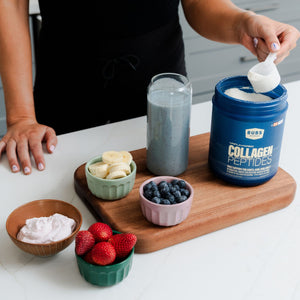
Collagen is the most abundant protein in the body and a key component of the intestinal lining. Alcohol can cause inflammation in the gut, and many people report that collagen peptides help support their overall recovery and digestive health. BUBS Naturals Collagen Peptides are grass-fed, pasture-raised, and hydrolyzed, meaning they mix easily into your morning hydration or coffee once you’ve settled your stomach.
Why Quality Ingredients Matter for Recovery
When your body is in a state of stress, it becomes more sensitive to what you put into it. This is why we are so focused on the "No BS" approach. Many mass-market supplements use fillers, flow agents, and artificial sweeteners that can actually add more work for your liver to process.
Every product we make, from our Creatine Monohydrate to our MCT Oil Powder, is designed with clean labels. We ensure our products are third-party tested and, where applicable, NSF for Sport certified. This means you are getting exactly what is on the label and nothing else. When you are already dealing with the toxins from a night out, the last thing you need is more chemicals in your system. To learn more about the brand behind that standard, visit the BUBS story.
The Role of MCTs in Mental Clarity
If you find yourself struggling with "brain fog" the morning after, your brain might be having trouble accessing its usual energy sources. Alcohol interferes with glucose metabolism, which can leave your brain feeling sluggish.
MCT oil, specifically C8 and C10 caprylic acids, provides a fast-acting energy source that the brain can use almost immediately. Our Butter MCT Oil Creamer is a clean way to add healthy fats to your morning routine. It provides mental clarity without the jitters associated with high-caffeine energy drinks, helping you focus even when you are not at 100%. For a deeper dive, read is MCT oil good for the brain?.
Designing Your Recovery Protocol
If you want to move past a hangover quickly, consistency and quality are key. Here is a simple, effective protocol to follow:
-
Hydrate Early: Drink one serving of Hydrate or Die before your first alcoholic drink.
-
The Bedtime Buffer: Drink another serving of electrolytes with a full glass of water before you go to sleep.
-
The Morning Reset: Upon waking, drink 20 ounces of water with electrolytes. Wait 30 minutes before having caffeine.
-
Settle the Stomach: Use Apple Cider Vinegar Gummies to support digestion and ease nausea.
-
Fuel the Brain: Once you can tolerate food, add MCT oil or Collagen Peptides to a light smoothie or coffee to provide stable energy and protein for tissue repair.
This approach addresses the root causes of hangover symptoms—dehydration, mineral depletion, and oxidative stress—rather than just masking the pain.
Summary: Living with Purpose
At the end of the day, wellness is about being able to live your life to the fullest. Whether that means hitting a new PR in the gym, going for a long hike, or enjoying a night out with friends, your body needs the right tools to bounce back.
We founded BUBS Naturals to provide those tools. Everything we do is inspired by the legacy of Glen "BUB" Doherty—a man who lived with intensity, adventure, and a commitment to helping others. If you want to learn more about that mission, our BUBS story and legacy page shares the full picture. We believe that by providing the cleanest, most effective supplements on the market, we can help you live a life of purpose, regardless of the challenges your body faces.
Every purchase you make also serves a higher purpose. We donate 10% of all profits to veteran-focused charities in honor of BUB. It’s our way of ensuring that our products don’t just help you feel better, but also do some good in the world.
Bottom line: Electrolytes are a scientifically proven way to combat the dehydration and mineral loss caused by alcohol. By prioritizing clean, high-potency minerals like those found in Hydrate or Die, you can significantly reduce hangover symptoms and get back to doing what you love.
FAQ
Does drinking electrolytes while drinking alcohol help?
Yes, this is one of the most effective strategies for preventing a severe hangover. By consuming electrolytes and water alongside alcohol, you can maintain your mineral balance and counteract the diuretic effect in real-time. This prevents the deep dehydration that usually occurs overnight.
Can I just drink a sports drink for electrolytes?
While sports drinks contain electrolytes, many are loaded with refined sugars, artificial dyes, and chemical additives. These ingredients can cause blood sugar crashes and further irritate your digestive system. A clean, sugar-free electrolyte mix like Hydrate or Die is a much better choice for recovery.
How many electrolytes do I need for a hangover?
Most people find relief by consuming one to two servings of a high-quality electrolyte powder. One serving before bed and one in the morning is usually sufficient to rebalance the body’s sodium, potassium, and magnesium levels. Listen to your body and continue to sip water throughout the day.
Do electrolytes help with the nausea caused by hangovers?
Electrolytes primarily help with symptoms like headaches, dizziness, and fatigue by restoring hydration. While they may not directly stop nausea caused by stomach irritation or acetaldehyde, being properly hydrated can help your body process toxins more efficiently. This often leads to a faster reduction in overall symptoms, including nausea.