Table of Contents
- Introduction
- The Science of Creatine and ATP
- Understanding the Role of Electrolytes
- Why Mixing Creatine and Electrolytes Makes Sense
- Benefits of Combining Creatine and Electrolytes
- How to Mix Your Supplements Like a Pro
- Timing Your Intake: Pre, Intra, or Post-Workout?
- Common Myths About Creatine and Electrolytes
- Choosing the Right Ingredients
- Managing Your Daily Routine
- The Importance of Purity and Purpose
- Conclusion
- FAQ
Introduction
Getting your nutrition right often feels like a full-time job. You want to maximize your training, recover faster, and stay sharp throughout the day. If you are already using supplements, you might wonder if combining them saves time or if it actually improves your results. One of the most common questions we see is whether it is safe or effective to mix creatine with electrolytes.
At BUBS Naturals, we believe that your wellness routine should be simple and effective. Mixing these two powerhouses is not only safe, but it can also be a strategic move for your hydration and power output. This guide will explain how these two ingredients interact, why they belong in the same shaker bottle, and how to use them to support your active lifestyle.
Combining creatine and electrolytes may help you stay hydrated while providing the raw materials your muscles need for explosive energy.
Quick Answer: Yes, you can and should mix creatine with electrolytes. Creatine pulls water into your muscle cells to support energy production, while electrolytes ensure that water actually reaches those cells effectively. This combination supports both hydration and muscle performance.
The Science of Creatine and ATP
To understand why this mix works, we first need to look at what creatine does in the body. Creatine is a naturally occurring compound found in your muscle cells. Its primary job is to help your body produce ATP. ATP, or adenosine triphosphate, is the fundamental unit of energy for every cell in your body.
When you lift a heavy weight, sprint, or perform any explosive movement, your body burns through its ATP stores in seconds. Creatine acts like a backup battery. It provides a phosphate molecule to "recharge" spent energy molecules, allowing you to go for one more rep or one more sprint. This process is essential for anyone looking to increase strength or power.
Most people take Creatine Monohydrate because it is the most researched and proven form available. It is highly stable and effective. However, for creatine to do its job, it needs a vehicle. That vehicle is water. Creatine is "osmotic," which means it naturally draws water into the muscle fibers. This is why you often hear that you need to drink more water when taking creatine.
Understanding the Role of Electrolytes
If creatine is the backup battery, electrolytes are the wiring that keeps the system running. Electrolytes are minerals that carry an electrical charge. The most common ones include sodium, potassium, magnesium, and calcium. They are responsible for regulating nerve signals, muscle contractions, and, most importantly, fluid balance.
When you sweat, you do not just lose water. You lose these essential minerals. If your electrolyte levels drop too low, your muscles cannot fire correctly. You might experience cramping, fatigue, or a "foggy" feeling in your brain. Simply drinking plain water is often not enough to rehydrate during intense activity because water needs electrolytes to move across cell membranes. For a deeper dive into smart hydration, see Does Electrolyte Water Work?.
By maintaining a proper balance of these minerals, you ensure that your body can perform under pressure. This is especially true for athletes, veterans, or anyone who spends a lot of time being active outdoors. Proper hydration is about more than just quenching thirst; it is about keeping your cellular "electrical grid" online.
Why Mixing Creatine and Electrolytes Makes Sense
Mixing creatine with electrolytes is a logical choice because they both rely on the same mechanism: cellular hydration. Since creatine pulls water into the muscle cells, it creates a higher demand for fluids and minerals. If you are dehydrated or low on electrolytes, the creatine may not be as effective as it could be.
When you combine them, the electrolytes help facilitate the movement of water into the cells where the creatine is waiting. This creates a supportive environment for muscle performance. Think of it like this: creatine is the guest you invited to the party, and electrolytes are the ushers making sure the guest gets to the right room.
Many people worry that mixing supplements will cause them to "cancel each other out." With creatine and electrolytes, the opposite is true. They do not compete for absorption. Instead, they work in different parts of the hydration cycle to keep your muscles fueled and functional.
Key Takeaway: Creatine requires water to function, and electrolytes are the tools your body uses to manage that water. Mixing them ensures that your muscles have the hydration necessary to utilize creatine for energy production.
Benefits of Combining Creatine and Electrolytes
Improved Muscle Hydration
When your muscle cells are well-hydrated, they look fuller and function better. This "cell volumization" is one of the key benefits of creatine. By adding electrolytes to the mix, you provide the minerals needed to maintain this fluid balance. This can lead to better muscle endurance and a reduced risk of the "flat" feeling that often comes with dehydration.
Enhanced Power and Strength
Creatine is well-known for its ability to support short bursts of high-intensity work. Electrolytes support the electrical signaling required for those muscles to contract forcefully. Together, they may help you maintain your power output for longer periods. This is beneficial whether you are powerlifting, practicing Brazilian Jiu-Jitsu, or hiking a steep trail. If you want more context on performance support, check out What Does Creatine Do For Your Workout?.
Faster Recovery Support
Recovery begins the moment your workout ends. By providing your body with both the raw energy precursors (creatine) and the essential minerals (electrolytes) immediately after training, you may help your body return to a state of balance faster. Proper hydration is a cornerstone of recovery, and this combination addresses it from two different angles.
Cognitive Support
While we often focus on the muscles, both creatine and electrolytes play a role in brain health. Your brain is a highly "electrical" organ that relies on electrolytes for neurotransmitter function. Creatine also supports brain energy metabolism. Many people report feeling more mentally sharp when they stay on top of this combination, especially during long, grueling days.
How to Mix Your Supplements Like a Pro
Mixing these powders is straightforward, but a few tips can help you get the best experience. First, consider the temperature of your liquid. Creatine monohydrate can sometimes be stubborn when it comes to dissolving. While it will eventually dissolve in cold water, it often mixes faster in room-temperature or slightly warm liquids.
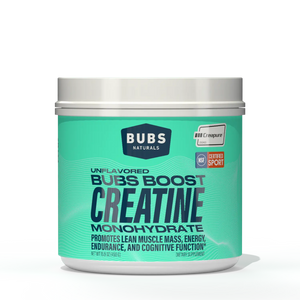
Our Creatine Monohydrate is a single-ingredient formula designed to be as clean as possible. Because it has no fillers or additives, it mixes quite easily compared to lower-quality options. To mix it with electrolytes, follow these steps:
- Fill your shaker bottle with 12–16 ounces of water.
- Add your serving of electrolytes first, as these often contain flavorings and citric acid that can help with the overall solubility.
- Add one scoop of our pure creatine monohydrate.
- Shake vigorously for 20–30 seconds.
If you notice some "sand" at the bottom of the bottle toward the end of your drink, that is just some of the creatine settling. Give the bottle a quick swirl before your last few gulps to make sure you get the full dose.
Timing Your Intake: Pre, Intra, or Post-Workout?
The great thing about this combination is that timing is flexible. Creatine is not a stimulant; it works through "saturation." This means that as long as you take it every day to keep your muscle stores full, the specific time of day matters less than consistency.
However, electrolytes are most beneficial when you are actually losing them. For this reason, many people find the most success using the mix in one of these three windows:
Pre-Workout
Taking the mix 30 minutes before you train ensures that you are entering your session fully hydrated and with fresh energy precursors in your system. This is a great habit if you train early in the morning and haven't had much to drink yet.
Intra-Workout
If you are doing a long endurance session, such as a marathon or a multi-hour hike, sipping on creatine and electrolytes throughout the activity can help maintain your hydration levels. This is where our Hydrate or Die electrolyte formula shines, as it provides a precise balance of minerals without added sugars.
Post-Workout
After training, your muscles are like a sponge. This is a prime time to replenish the nutrients you just used. Combining these two in your post-workout shake can jumpstart the recovery process and help you transition out of a stressed state.
Bottom line: While consistency is the most important factor for creatine, taking the mix around your workout window allows you to capitalize on the immediate hydration benefits of the electrolytes.
Common Myths About Creatine and Electrolytes
There is a lot of misinformation in the fitness world. Let's clear up a few of the most common myths regarding these two supplements.
Myth: Creatine causes dehydration and muscle cramps.
Fact: Scientific research has shown the opposite. Because creatine pulls water into the cells, it can actually help protect against heat illness and cramping by keeping the internal muscle environment hydrated. When combined with electrolytes, this protective effect is even stronger.
Another common misconception is that you need a "loading phase" for creatine where you take massive doses for a week. While this can saturate your muscles faster, it is not necessary. A steady daily dose of 5 grams is sufficient for most people to reach full saturation within three to four weeks without the potential digestive upset that high-loading doses can cause.
Finally, some people believe that electrolytes are only for high-performance athletes. In reality, anyone who lives an active lifestyle or spends time in the heat can benefit from them. If you drink coffee, which is a mild diuretic, or work in a physical job, your need for electrolytes is higher than you might think.
Choosing the Right Ingredients
Not all supplements are created equal. When you are mixing things into your body, you want to be sure you are using ingredients that are clean and effective. Many electrolyte products on the market are loaded with artificial dyes, high amounts of sugar, and chemical fillers. These can cause energy crashes or digestive issues that undo the benefits of the minerals.
Our Hydration Collection focuses on what matters: high-quality salts and minerals in a ratio designed for performance. We leave out the added sugars because we know you want to fuel your body, not spike your insulin.
The same philosophy applies to our Creatine Monohydrate. It is a single-ingredient product, meaning there are no hidden "proprietary blends" or artificial flavors. It is also NSF for Sport certified. If you want to learn more about our standards and mission, visit Our Story.
Managing Your Daily Routine
Adding a creatine and electrolyte mix to your life is about creating a sustainable habit. You don't need a complex "supplement stack" to see results. Often, the best results come from the simplest routines.
A good way to start is to make this mix your "anchor" habit. Pick one time a day—perhaps right when you wake up or as you head to the gym—and stick to it. If you are traveling or on the go, you can even pre-mix the powders in a dry shaker bottle and just add water when you are ready to drink.
Listen to your body. If you feel exceptionally fatigued or notice your muscles feeling tight, you might need to increase your water intake or adjust your electrolyte balance. Everyone's needs are slightly different based on body weight, activity level, and local climate.
The Importance of Purity and Purpose
Everything we do at BUBS Naturals is built on the idea that high-quality fuel leads to a high-quality life. We don't believe in cutting corners because the people who use our products—athletes, veterans, and weekend warriors—don't cut corners in their own lives.
When you choose to mix our creatine and electrolytes, you are choosing products backed by science and rigorous testing. We keep our ingredient lists short so you know exactly what is going into your body. Whether you are prepping for a mission, a race, or just a busy day at the office, these tools are designed to help you show up as your best self.
Conclusion
Mixing creatine with electrolytes is a smart, efficient way to support your body’s most essential functions: energy production and hydration. By combining the ATP-supporting power of creatine with the fluid-balancing properties of electrolytes, you create a environment where your muscles can thrive. This simple habit can lead to better strength, improved endurance, and a faster recovery process.
To get started, remember these key points:
- Creatine and electrolytes work together to improve cellular hydration.
- Consistency is the most important factor—take your mix daily.
- Choose clean, third-party tested supplements like our NSF for Sport certified options.
- Drink plenty of water throughout the day to support the osmotic effect of the creatine.
We are proud to provide products that help you push your limits. In everything we do, we aim to honor the legacy of Glen "BUB" Doherty. That is why we donate 10% of all our profits to veteran-focused charities. It is our way of ensuring that every scoop you take not only helps you reach your goals but also supports a larger mission of service and sacrifice. Learn more in Giving Back to Veterans & Our Communities.
Start your morning or your next workout with a scoop of our Creatine Monohydrate and a packet of Hydrate or Die to feel the difference for yourself.
FAQ
Can I mix creatine with electrolytes in hot water?
While you can mix them in warm water to help the creatine dissolve faster, it is best to avoid boiling water. Extreme heat could potentially break down the creatine molecules, though standard "tap hot" water is generally safe. Most people prefer the taste of electrolytes when mixed in cold or room-temperature water.
Will mixing these two cause any stomach upset?
Most people tolerate this combination very well. If you have a sensitive stomach, ensure you are drinking enough total water with the mix, as concentrated powders can sometimes cause minor bloating. Using a high-quality, pure creatine monohydrate like ours also helps minimize the risk of digestive issues often associated with lower-grade fillers.
Do I need to take electrolytes every time I take creatine?
It is not strictly necessary, but it is highly recommended if you are active. While you can take creatine with plain water, adding electrolytes ensures your body has the minerals required to manage the increased cellular water demand that creatine creates. This is especially true if you are training hard or sweating frequently.
Is it safe to take this combination every day?
Yes, for most healthy adults, taking creatine and electrolytes daily is considered safe and beneficial. Creatine is one of the most thoroughly researched supplements in existence, and electrolytes are essential minerals your body needs every day. As with any new supplement routine, it is always a good idea to consult with your healthcare provider if you have underlying health conditions.