The Creatine Debate: Which is Better, HCL or Monohydrate?
11/17/2025 By BUBS Naturals




The world of sports nutrition is brimming with options, each promising to unlock your peak performance. But when it comes to creatine, a compound revered for its ability to fuel intense workouts and support muscle growth, the choice often boils down to two main contenders: creatine monohydrate and creatine HCL. For many athletes and wellness enthusiasts, the question isn't whether to take creatine, but which creatine is better, HCL or monohydrate, for their unique journey. This isn't just a matter of preference; it delves into science, bioavailability, and personal tolerance.
Creatine has earned its reputation as one of the most thoroughly researched and effective supplements for supporting strength, power, and exercise performance. However, as its popularity has grown, so too has the variety of creatine forms available on the market, creating a complex landscape for consumers. We often hear claims about superior absorption, reduced side effects, and enhanced potency for newer forms like creatine HCL, challenging the long-standing "gold standard" status of creatine monohydrate.
In this comprehensive guide, we'll dive deep into the science behind both Creatine Monohydrate and creatine HCL. We’ll explore what creatine is, how it functions within the body to support your fitness goals, and critically compare the purported benefits and drawbacks of each form. Our goal is to equip you with the knowledge to make an informed decision, ensuring you choose the supplement that best aligns with your commitment to an active, purpose-driven lifestyle, much like the one Glen "BUB" Doherty embodied. We believe in providing only clean, functional, science-backed solutions, and understanding the nuances of these two creatine forms is essential to that mission. By the end of this article, you’ll have a clear understanding of which creatine might be the better fit for you, backed by our no-BS approach to wellness.
Before we delve into the specifics of creatine monohydrate and HCL, it’s crucial to understand what creatine is and how it functions within your body. Creatine is a naturally occurring organic compound, chemically classified as a nitrogenous organic acid. While it's often associated with protein because it's derived from amino acids, it's not a protein itself. It's synthesized primarily in the liver, pancreas, and kidneys from three amino acids: L-arginine, glycine, and L-methionine. Roughly 50% of the creatine your body uses is produced internally, with the remaining 50% typically sourced from your diet, especially from protein-rich foods like red meat and fish.
The vast majority—about 95%—of your body's creatine stores reside in your skeletal muscles, with a smaller amount found in the brain. Here, creatine plays a pivotal role in the ATP-PC (adenosine triphosphate-phosphocreatine) energy system, which is your body's most rapid means of producing energy. When you engage in high-intensity, short-duration activities like lifting heavy weights, sprinting, or performing explosive movements, your muscles need a quick burst of energy. ATP is the primary energy currency of your cells, but your muscle stores of ATP are limited and quickly depleted.
This is where creatine comes in. Inside muscle cells, creatine exists primarily as phosphocreatine (creatine phosphate), which is creatine bonded to a phosphate molecule. When ATP is used, it loses a phosphate group, becoming ADP (adenosine diphosphate). Phosphocreatine then rapidly donates its phosphate group to ADP, regenerating ATP. This process allows your muscles to sustain maximum-intensity efforts for a longer period before fatigue sets in. Essentially, creatine acts as a quick reserve fuel, helping to extend the duration and intensity of your high-power output activities.
The availability of phosphocreatine directly influences your capacity for high-intensity exercise. When your muscles are saturated with creatine, they can regenerate ATP more efficiently, leading to several key performance benefits:
For those of us leading active lifestyles and pushing our limits, ensuring optimal creatine levels is essential. Our commitment at BUBS Naturals is to support you in these endeavors with clean, effective supplements that help you pursue a life of adventure and purpose.
When discussing creatine, Creatine Monohydrate invariably takes center stage, and for good reason. It is the most extensively researched and scientifically validated form of creatine available, earning its reputation as the "gold standard" in the supplement industry. Decades of studies have consistently demonstrated its effectiveness in enhancing muscle strength, power, and overall athletic performance, making it a cornerstone for anyone looking to optimize their training outcomes.
The chemical structure of creatine monohydrate is straightforward: it consists of a creatine molecule bonded to a single water molecule. This seemingly simple composition contributes to its stability and high purity, typically around 99.8% creatine by mass. Because it has been studied so thoroughly, almost all the evidence-based benefits of creatine, as well as the recommended dosages and protocols (like loading phases), are derived from research on creatine monohydrate.
While Creatine Monohydrate is highly effective, some individuals may experience minor side effects, particularly during the initial "loading phase." This phase, typically involving higher doses (e.g., 20 grams per day for 5-7 days) to rapidly saturate muscle creatine stores, can sometimes lead to:
It's worth noting that these side effects are typically mild and temporary. Many users find that by skipping the loading phase and opting for a consistent daily maintenance dose (e.g., 3-5 grams per day), these potential issues can be minimized or avoided entirely, while still achieving muscle saturation over a slightly longer period.
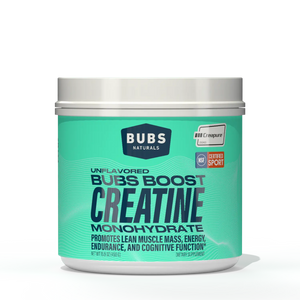
At BUBS Naturals, our commitment to clean, simple, and effective ingredients means our Creatine Monohydrate is pure, ensuring you get the full benefits of this well-researched supplement without unnecessary additives. We believe in a no-BS approach to wellness, and that includes offering products that are rigorously tested and certified, ensuring you’re putting only the best into your body to fuel your adventures.
Stepping into the arena as a compelling alternative to the traditional form is creatine HCL, or creatine hydrochloride. This newer iteration of creatine aims to address some of the potential drawbacks associated with Creatine Monohydrate, primarily through its unique chemical bonding. Instead of a water molecule, creatine HCL features a creatine molecule bound with hydrochloric acid. This structural change is central to its purported advantages, distinguishing it from its more established counterpart.
The key claim for creatine HCL revolves around its enhanced solubility. The hydrochloride component, being smaller and non-aqueous compared to a water molecule, significantly improves creatine's ability to dissolve in liquids. Marketing claims often highlight that creatine HCL is considerably more water-soluble than creatine monohydrate, with some reports suggesting it could be dozens of times more soluble. This increased solubility leads to a cascade of potential benefits that appeal to many users.
While the theoretical advantages of creatine HCL are compelling, it's important to approach these claims with a critical eye. The majority of studies investigating creatine's effects have been conducted using Creatine Monohydrate. Research on creatine HCL, while growing, is still considerably less extensive. Many studies on HCL have been performed on animals or rely on theoretical modeling rather than direct human comparison studies against monohydrate in terms of muscle creatine content or performance outcomes.
Some human studies have compared creatine HCL to creatine monohydrate and found similar benefits in strength and body composition. For example, some research indicates that both forms can improve muscle strength, with some limited findings suggesting HCL might influence body composition in recreational weightlifters. However, conclusive evidence definitively proving creatine HCL's superiority over monohydrate in terms of performance enhancement or muscle growth in humans is still limited. Most nutritionists and researchers believe that while creatine HCL should provide similar benefits, more robust human trials are needed to fully substantiate all its marketing claims.
As a brand committed to clean, science-backed solutions, we believe in transparently presenting the current scientific landscape. While creatine HCL holds promise, the depth of research supporting Creatine Monohydrate remains unparalleled. For those seeking innovative options and minimal side effects, HCL represents an intriguing development, but it's important to weigh the claims against the current body of evidence.
The core of the "which creatine is better, HCL or monohydrate" debate lies in their comparative effects on performance, muscle growth, and user experience. Let's delve deeper into a side-by-side analysis, considering the nuances of each form.
The primary reason athletes and fitness enthusiasts turn to creatine is for its proven ability to enhance strength, power, and muscle mass. When we look at the evidence, a clear picture emerges:
Ultimately, both forms are believed to support the ATP-PC system and enhance muscle strength and growth. However, if you prioritize a supplement with the broadest and deepest body of evidence for performance gains, Creatine Monohydrate remains the undisputed leader.
Beyond raw performance, the user experience—particularly the presence or absence of side effects—can heavily influence which creatine is "better" for an individual.
While these individual experiences are important, it's also worth noting that many of the perceived side effects of Creatine Monohydrate can be mitigated by skipping the loading phase and taking a consistent, lower daily dose. Nonetheless, for some, the inherent properties of creatine HCL offer a more appealing alternative in terms of reducing potential discomfort.
At BUBS Naturals, we emphasize clean, functional ingredients because we know that how a supplement makes you feel is just as important as its efficacy. Whether you prioritize decades of research or a gentler experience, understanding these differences helps you navigate your wellness journey with confidence. For holistic support in your active life, consider pairing your creatine regimen with our Collagen Peptides for joint and connective tissue support, or our Hydrate or Die – Mixed Berry to keep your muscles functioning optimally during intense workouts.
Beyond the core differences in chemical structure and documented benefits, practical aspects like dosage, solubility, and cost play a significant role in determining which creatine is better, HCL or monohydrate, for your daily routine. Understanding these factors can help you integrate creatine seamlessly into your active lifestyle.
The practical experience of mixing your supplement can impact consistency and enjoyment.
The cost often plays a role in long-term supplementation:
For those committed to living a life of purpose and adventure, balancing efficacy with practical considerations is key. We strive to provide Creatine Monohydrate that meets our high standards for purity and performance, ensuring you get the best support for your goals. Remember to consider other daily essentials too; incorporating our MCT Oil Creamer – 10 oz Tub into your morning coffee can support sustained energy and mental clarity, perfectly complementing your physical efforts.
In the evolving landscape of supplements, choosing a high-quality product is paramount, regardless of whether you opt for creatine monohydrate or HCL. This is where our values at BUBS Naturals truly shine, reflecting our commitment to clean, functional, and science-backed wellness solutions. We believe that what you put into your body should be as pure and effective as the effort you put into your life.
The supplement industry can be crowded, and not all products are created equal. It's essential to look for brands that prioritize transparency and quality control. At BUBS Naturals, our no-BS approach means we go the extra mile to ensure our supplements, including our Creatine Monohydrate, are:
Our commitment extends beyond providing exceptional supplements. A core tenet of BUBS Naturals is our 10% Rule: a pledge to donate 10% of all profits to veteran-focused charities. This commitment honors Glen "BUB" Doherty's legacy and is woven into the very fabric of our brand. When you choose BUBS Naturals, you're not just investing in your own wellness; you're contributing to a larger purpose, supporting those who have served our country. This ethos of giving back aligns perfectly with the pursuit of personal wellness and a life lived with meaning.
Choosing between creatine HCL and monohydrate is a personal decision, but choosing a high-quality, trusted brand shouldn't be. Whether you're enhancing your workouts, supporting recovery with our Collagen Peptides, or boosting your immunity with Vitamin C, we ensure that every BUBS Naturals product empowers you to achieve your goals with confidence and integrity. Our rigorous standards mean you can trust that our Creatine Monohydrate is clean, effective, and ready to support your active lifestyle.
Regardless of which creatine form you choose—whether it's the extensively researched Creatine Monohydrate or the promising creatine HCL—integrating it effectively into your daily routine is key to maximizing its benefits. Creatine is a powerful tool to support your strength, power, and overall training performance, fitting perfectly into a lifestyle committed to wellness and adventure.
The timing of your creatine intake is often debated, but the consensus among experts is that consistency is more important than precise timing. Creatine works by saturating your muscle stores over time, so taking it daily, even on non-training days, is crucial.
Creatine is an excellent standalone supplement, but it can also be part of a broader nutritional strategy to support your active lifestyle. At BUBS Naturals, we understand that comprehensive wellness involves more than just one ingredient.
Remember, the journey to peak wellness is continuous. It's about making informed choices, prioritizing quality, and staying consistent with your efforts. By choosing supplements that align with your values—clean, functional, and purpose-driven, like those from BUBS Naturals—you empower yourself to live a life of adventure and impact, honoring the legacy of "BUB" with every step.
The debate between creatine HCL and Creatine Monohydrate is an important one for anyone looking to optimize their performance and wellness journey. We’ve explored the foundational science of creatine, how it powers your muscles for explosive efforts, and the distinct characteristics of these two prominent forms.
Creatine Monohydrate stands as the undisputed champion in terms of research, with decades of scientific backing affirming its efficacy, safety, and cost-effectiveness in supporting strength, power, and muscle growth. It is the gold standard for a reason, consistently delivering reliable results for countless athletes. While some individuals may experience minor side effects like bloating or water retention, these are often manageable through dosage adjustments or by skipping the loading phase.
Creatine HCL, on the other hand, presents a compelling alternative, especially for those sensitive to monohydrate's effects. Its enhanced solubility and purported reduced potential for bloating and digestive discomfort make it an attractive option. However, it's crucial to remember that the body of research supporting HCL, particularly in direct comparison to monohydrate for performance superiority, is still developing. While it appears effective, it hasn't yet definitively proven to be better than its predecessor.
Ultimately, the choice between which creatine is better, HCL or monohydrate, often boils down to individual preference, tolerance, and what you prioritize in a supplement. If a vast foundation of scientific evidence and unparalleled value are your top priorities, Creatine Monohydrate remains the clear choice. If you're particularly sensitive to gastrointestinal discomfort or water retention and are willing to explore a newer, potentially more expensive option, creatine HCL might be worth considering.
At BUBS Naturals, we are committed to providing clean, functional, and science-backed supplements that empower your active life. Inspired by the legacy of Glen "BUB" Doherty, we believe in a no-BS approach to wellness, offering products that are rigorously tested and certified, ensuring you get only the best. Our pure Creatine Monohydrate delivers the proven benefits you need to fuel your adventures and achieve your fitness goals.
Ready to experience the difference that clean, effective supplementation can make in your training and recovery? Explore our premium Creatine Monohydrate today and take the next step in your wellness journey. One scoop. Feel the difference.
Creatine is a natural compound produced by your body and found in certain foods, primarily stored in your muscles. It plays a critical role in the ATP-PC energy system, which provides quick bursts of energy for high-intensity, short-duration activities like weightlifting or sprinting. By increasing phosphocreatine stores in your muscles, creatine helps rapidly regenerate ATP, allowing your muscles to work harder, perform more repetitions, and resist fatigue during intense exercise.
Creatine Monohydrate is widely regarded as the "gold standard" because it is the most extensively researched form of creatine, with decades of scientific studies consistently demonstrating its effectiveness and safety. Most of the proven benefits of creatine, including increased strength, power, and muscle mass, are based on research conducted with creatine monohydrate. It's also typically the most cost-effective and widely available form, offering reliable results with a deep body of evidence to support its use.
Creatine Monohydrate can cause some individuals to experience temporary water retention and a feeling of bloating, especially during an initial "loading phase" with higher doses. This occurs because creatine draws water into muscle cells to optimize function, which can increase overall body water. Creatine HCL is often marketed as having less potential for these side effects due to its higher solubility, though more research is needed to definitively compare this effect in humans. For our Creatine Monohydrate, starting with a consistent daily maintenance dose rather than a loading phase can often mitigate these concerns.
To ensure you're choosing a high-quality creatine supplement, look for brands that prioritize transparency and third-party testing. This means the product has been independently verified for purity, potency, and the absence of contaminants and banned substances. For example, our Creatine Monohydrate from BUBS Naturals is rigorously tested and aims for certifications like NSF for Sport, ensuring you're getting a clean, effective product without any hidden ingredients. Always check product labels for certifications and a clear ingredient list to make an informed choice that aligns with a commitment to clean wellness.
Written by:


Discover why do people take creatine supplements for energy, brain health, and muscle maintenance. Explore the science-backed benefits of this powe...

Wondering what is the best creatine supplement? Learn why BUBS Naturals' NSF-certified monohydrate is the gold standard for performance and recover...

Are creatine supplements safe? Discover the science-backed truth about its benefits for muscle recovery and brain health in our comprehensive, expe...

Discover when is the best time to take creatine supplements for maximum gains. Learn why consistency matters more than timing to reach your goals. ...

How much creatine does a woman need daily? Experts recommend 3-5g to support energy, muscle, and brain health. Learn how to optimize your routine i...
