Table of Contents
- Introduction
- What Exactly is Creatine?
- The Science Behind Creatine and Performance
- Creatine and Testosterone: Dispelling the Myths
- Beyond the Gym: Creatine for Broader Wellness
- Safe and Effective Creatine Supplementation
- Fueling Your Active Life with BUBS Naturals
- FAQ
Introduction
For many pursuing peak physical condition and an active lifestyle, the quest for optimal performance often leads to exploring various supplements. Among these, creatine stands out as one of the most widely researched and utilized. Athletes and wellness enthusiasts alike frequently turn to it for its well-documented benefits in supporting strength, power, and muscle recovery. However, a common question that arises in discussions about performance and vitality is whether creatine also influences hormone levels, particularly testosterone. Understanding the science behind creatine’s mechanisms of action is key to unlocking its true potential and dispelling common misconceptions.
This article delves deep into what creatine is, how it functions within the body to support physical performance and overall cellular energy, and critically, how it interacts—or doesn't interact—with testosterone levels. We’ll explore the scientific evidence surrounding creatine's impact on hormones, providing clarity on a topic often mired in speculation. Our purpose is to offer a comprehensive, science-backed understanding of creatine, empowering you to make informed decisions for your wellness journey. You'll learn about the established benefits of creatine, its role in a holistic approach to active living, and how to incorporate it safely and effectively. We believe in a life of adventure, wellness, and purpose, and our commitment is to provide clean, functional supplements that support these values, inspired by the legacy of Glen "BUB" Doherty.
What Exactly is Creatine?
Creatine is a naturally occurring organic compound synthesized in the body primarily from three amino acids: arginine, glycine, and methionine. While often discussed in the context of supplements, it's a fundamental molecule integral to cellular energy production, particularly in tissues with high energy demands like skeletal muscle and the brain. About half of our body's daily creatine supply comes from dietary sources, predominantly found in protein-rich foods such as red meat, fish, and dairy. The other half is synthesized internally by the liver, kidneys, and pancreas.
The primary function of creatine lies in its role within the phosphocreatine system, which is crucial for rapidly regenerating adenosine triphosphate (ATP). ATP is often referred to as the "energy currency" of the cell, providing the fuel for muscle contractions, nerve impulses, and countless other physiological processes. When muscles perform short bursts of high-intensity activity, ATP is quickly depleted, converting into adenosine diphosphate (ADP). Creatine, stored in muscles as phosphocreatine, donates a phosphate group to ADP, rapidly converting it back into ATP. This rapid recycling mechanism allows muscles to sustain intense efforts for longer periods before fatigue sets in.
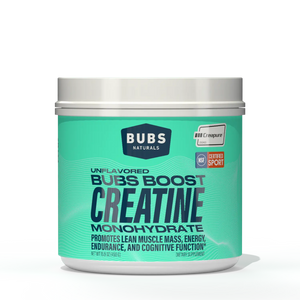
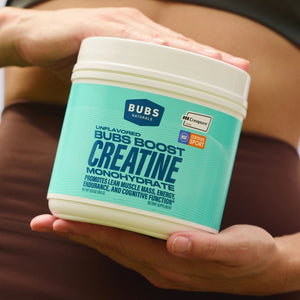
For individuals with higher demands on their energy systems—such as athletes, those engaging in regular strenuous exercise, or even those with dietary restrictions that limit creatine intake (like vegetarians and vegans)—supplementing with creatine can help optimize these internal stores. Among the various forms available, Creatine Monohydrate is the most extensively studied and widely recognized for its efficacy and safety. Its simple, effective structure aligns perfectly with our no-BS approach to supplements, providing a clean pathway to supporting your body's natural energy production.
The Science Behind Creatine and Performance
Creatine's reputation as a cornerstone supplement for performance enhancement is firmly rooted in its ability to support the body's energy systems during high-intensity, short-duration activities. This makes it particularly valuable for athletes involved in power sports, weightlifting, sprinting, and high-intensity interval training (HIIT).
Enhancing Strength and Power Output
The most well-established benefit of creatine supplementation is its capacity to increase muscle phosphocreatine stores, thereby accelerating ATP regeneration. This translates directly into improved strength and power output. When you're performing a heavy lift, an explosive jump, or a quick sprint, your muscles rely heavily on the ATP-phosphocreatine system for immediate energy. By ensuring a more readily available supply of ATP, creatine helps you:
-
Lift heavier weights: Allowing for more repetitions or greater resistance during strength training sessions.
-
Generate more explosive power: Beneficial for activities like jumping, throwing, or quick directional changes in sports.
-
Improve sprint performance: Supporting the rapid energy demands of short, maximal efforts.
Consider a typical training scenario: you’re midway through a challenging workout, pushing through sets of squats or attempting a new personal best on the bench press. As your ATP stores begin to dwindle, the rate at which you can perform those powerful contractions slows. With optimized creatine stores, your body is better equipped to regenerate ATP, allowing you to maintain intensity for a few more crucial repetitions or sustain that burst of power. This consistent ability to perform at a higher level over time is what drives adaptations in muscle strength and overall athletic capability.
Supporting Muscle Recovery and Growth
Beyond immediate performance, creatine also plays a supportive role in muscle recovery and growth. Strenuous exercise can deplete muscle glycogen stores and cause microscopic damage to muscle fibers. Creatine has been shown to contribute to increased glycogen storage in muscles, which is vital for post-exercise recovery, as glycogen provides the readily accessible glucose needed for energy and repair processes.
Furthermore, creatine's role in drawing water into muscle cells—a process known as cellular hydration—is thought to contribute to muscle growth. This increased cellular volume can act as an anabolic signal, potentially stimulating muscle protein synthesis and supporting the body's natural healing processes after intense physical activity. It can also help to mitigate muscle damage and reduce recovery time, allowing athletes to return to training sooner and more effectively.
This support for recovery and growth is crucial for anyone pursuing an active and adventurous lifestyle. Whether it's recovering from a demanding trail run, preparing for your next climbing session, or simply ensuring your muscles feel ready for whatever the day brings, our Creatine Monohydrate is designed to give your body the foundational support it needs. When paired with proper nutrition and adequate rest, creatine can be a powerful tool in your wellness arsenal, helping you maintain peak performance and resilience.
Creatine and Testosterone: Dispelling the Myths
The relationship between creatine supplementation and testosterone levels is a topic that often sparks debate and misinformation. Many sources speculate that creatine can directly increase testosterone, but a closer look at the scientific evidence reveals a more nuanced picture.
It's important to clarify from the outset: the vast majority of research indicates that creatine supplementation does not significantly increase resting testosterone levels in healthy men. Numerous randomized controlled trials, involving diverse populations and varying dosages of creatine over several weeks, have consistently found no statistically significant effect on total or free testosterone concentrations. This is a crucial point for anyone considering creatine with the primary goal of boosting testosterone.
However, there is one frequently cited study that deserves attention for its contribution to this discussion. A 2009 randomized controlled trial published in the Clinical Journal of Sport Medicine investigated the effects of creatine monohydrate supplementation on male rugby players. This study found that after a 7-day loading phase (25 g/day creatine with glucose), followed by 14 days of maintenance (5 g/day creatine with glucose), subjects experienced a significant increase in levels of dihydrotestosterone (DHT) – a more biologically active androgen that is converted from testosterone. Specifically, DHT levels increased by 56% after the loading phase and remained 40% above baseline during the maintenance phase. The ratio of DHT to testosterone also increased. Importantly, this study noted no significant change in serum testosterone levels themselves.
This finding suggests that creatine might influence the conversion of testosterone to DHT, rather than directly increasing the production of testosterone. DHT plays various roles in the body, including some involvement in muscle activity and secondary sexual characteristics. However, the long-term clinical significance of this observed increase in DHT with unchanged testosterone levels remains an area where the scientific community calls for further investigation. The study itself concluded that "further investigation is warranted as a result of the high frequency of individuals using creatine supplementation and the long-term safety of alterations in circulating androgen composition."
What does this mean for you? For individuals focused on supporting their body's natural functions and active lifestyle, products like our Creatine Monohydrate are designed to provide clean, straightforward support for strength, power, and training performance, without making claims about direct hormonal alteration. We prioritize ingredients that are effective for their established benefits. While a healthy, active lifestyle can contribute to overall hormonal balance, creatine's primary role is not as a direct testosterone booster. Our no-BS approach means we focus on science-backed benefits, empowering you to understand exactly what our supplements can do to support your wellness journey.
Beyond the Gym: Creatine for Broader Wellness
While creatine is most renowned for its impact on athletic performance, its influence extends far beyond the confines of the gym, contributing to broader aspects of wellness and vitality, particularly as we age. The fundamental role of creatine in cellular energy production means its benefits are not limited to skeletal muscle but can support various high-energy demand tissues throughout the body.
Combating Age-Related Muscle Decline (Sarcopenia)
As we navigate the journey of life, age-related muscle loss, known as sarcopenia, becomes a significant concern. Sarcopenia can diminish strength, impair mobility, and impact overall quality of life. Creatine supplementation, especially when combined with resistance training, has shown promise in helping to offset this decline. By supporting muscle mass and function, creatine can help older adults maintain their independence, continue engaging in beloved hobbies, and simply feel stronger and more capable in their daily activities. It’s about more than just "gains"; it’s about sustaining the ability to live a purposeful and active life for years to come.
Supporting Cognitive Function
The brain is one of the most energy-demanding organs in the body, relying heavily on ATP for optimal function. Research suggests that creatine may also play a role in supporting cognitive functions such as short-term memory, reasoning, and neuroprotection, particularly in populations where creatine stores might be lower (e.g., vegetarians or older adults). This potential for mental clarity and support for brain health aligns with our holistic view of wellness, where a healthy mind and body work in tandem to tackle life's adventures. Ensuring robust cellular energy not only powers your muscles but also helps keep your mind sharp and engaged.
Enhancing General Cellular Health
Creatine contributes to the overall health of cells by ensuring efficient energy turnover. This can have widespread benefits, from supporting the function of vital organs to aiding in the body's natural processes of repair and maintenance. When cells have ample ATP, they are better equipped to perform their specific roles, contributing to systemic well-being. This foundational support can be particularly beneficial for individuals whose diets may be lacking in natural creatine sources, allowing them to replenish stores and optimize cellular energy levels.
At BUBS Naturals, we are dedicated to supporting a life of adventure and purpose, and that extends to helping you maintain vitality at every stage. We understand that comprehensive wellness involves more than just one aspect of your health. That's why we offer a range of science-backed supplements designed to work synergistically. For example, alongside Creatine Monohydrate, many individuals integrate our Collagen Peptides into their routine for supporting healthy joints, skin, hair, and nails—critical components of an active, resilient body. For sustained energy throughout the day, our MCT Oil Creamer – 10 oz Tub or a convenient MCT Oil Creamer – 14 ct Travel Pack can be a perfect addition to your morning coffee, providing a clean fuel source for both body and mind. Furthermore, supporting your body’s natural antioxidant defenses with Vitamin C can complement the benefits of a robust cellular energy system, helping you feel your best from the inside out.
Safe and Effective Creatine Supplementation
When considering any supplement, safety and efficacy are paramount. Creatine monohydrate is one of the most thoroughly researched supplements available, with a strong track record of safety for healthy adults when taken at recommended dosages.
Recommended Dosing Strategies
The most common and effective dosing strategy for creatine involves two phases:
-
Loading Phase (Optional but common): Some individuals choose to start with a "loading phase" to rapidly saturate muscle creatine stores. This typically involves taking a higher dose, around 20 grams per day (often divided into four 5-gram servings), for 5-7 days.
-
Maintenance Phase: After the loading phase, or if you choose to skip the loading phase, a daily maintenance dose of 3-5 grams per day is usually sufficient to keep muscle creatine stores saturated. Consistency is key here; taking 3-5 grams daily will effectively saturate your muscles over a few weeks, even without a loading phase. There's no significant advantage to taking excessively high doses beyond these recommendations, as the body can only store so much creatine, and any excess will simply be excreted.
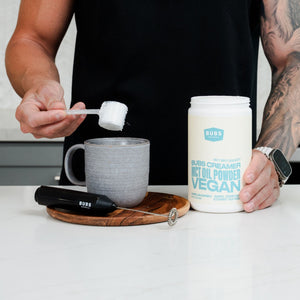
Our Creatine Monohydrate is formulated for easy mixing, making it simple to incorporate into your preferred beverage, whether it's water, a smoothie, or even your morning coffee alongside our Butter MCT Oil Creamer – 10 oz Tub.
Understanding Potential Effects
One common anecdotal concern about creatine is dehydration or excessive water retention. Research indicates that while some individuals may experience a temporary increase in body weight (a few pounds) during the initial loading phase due to increased water retention within muscle cells, this is typically transient and not indicative of harmful dehydration. In fact, studies have largely disproven the notion that creatine causes dehydration or muscle cramps when adequate hydration is maintained. Staying well-hydrated is always important, especially when leading an active lifestyle, and can be supported by incorporating our Hydrate or Die – Lemon or Hydrate or Die – Mixed Berry electrolytes into your routine.
Prioritizing Quality and Purity
Unlike over-the-counter and prescription drugs, dietary supplements like creatine are not regulated by the FDA in the same way. This underscores the critical importance of choosing high-quality, third-party tested products. At BUBS Naturals, we embody a no-BS approach to supplements. Our Creatine Monohydrate is rigorously tested and certified by third parties like NSF for Sport, ensuring you receive a clean, effective product without unwanted additives or contaminants. This commitment to transparency and purity means you can trust that what’s on our label is exactly what’s in our product.
Important Considerations
While creatine is generally safe, certain individuals should exercise caution or consult a healthcare provider before use. This includes pregnant or breastfeeding individuals, those with pre-existing kidney or liver conditions, or individuals with bipolar disorder (as some evidence suggests creatine may exacerbate mania). Always consult with a healthcare professional to ensure creatine supplementation is appropriate for your individual health profile. Our mission at BUBS Naturals is to support your wellness journey with products that align with your health goals, always encouraging informed and responsible use.
Fueling Your Active Life with BUBS Naturals
Our exploration into creatine reveals a powerful, science-backed supplement primarily dedicated to supporting strength, power, and muscle recovery. While the evidence suggests it does not directly increase testosterone levels, its role in optimizing cellular energy is foundational to an active lifestyle, which in turn contributes to overall well-being. At BUBS Naturals, we believe in a life of adventure, wellness, and purpose. Our clean, functional supplements are crafted to help you pursue these goals, honoring the legacy of Glen "BUB" Doherty.
Choosing the right supplements means choosing products that are rigorously tested, made with high-quality ingredients, and align with a commitment to health and transparency. Our no-BS approach ensures that you receive only simple, effective ingredients, backed by science, to support your active lifestyle. Whether you're pushing your limits in the gym, exploring new trails, or simply striving to feel your best day-to-day, a solid foundation of cellular energy is paramount.
If you're looking to support your strength, power, and training performance with a trusted, science-backed supplement, we invite you to explore our Creatine Monohydrate. It's simple, effective, and designed to mix effortlessly into your daily routine. Beyond personal wellness, choosing BUBS Naturals means you're also contributing to a greater purpose, as we donate 10% of all profits to veteran-focused charities in honor of Glen. This commitment is at the heart of everything we do – providing premium supplements for a healthier you, while giving back to those who have served.
FAQ
Does creatine directly increase testosterone levels?
No, the majority of scientific evidence indicates that creatine supplementation does not significantly increase resting testosterone levels in healthy individuals. While one study noted an increase in dihydrotestosterone (DHT), a potent androgen converted from testosterone, it did not show a corresponding increase in testosterone itself. Creatine's primary role is in energy production and muscle function, not direct hormonal manipulation.
What are the main benefits of taking creatine?
Creatine primarily supports strength, power, and training performance by enhancing the body's ability to rapidly regenerate ATP (cellular energy) during high-intensity activities. It also aids in muscle recovery, supports muscle growth when combined with resistance training, and may have benefits for cognitive function and in helping to offset age-related muscle loss.
Is creatine safe for long-term use?
Creatine monohydrate is one of the most researched supplements and is generally considered safe for healthy adults when taken at recommended dosages (typically 3-5 grams daily). While some individuals may experience temporary water retention, it is not associated with kidney or liver damage in healthy individuals. However, we always recommend consulting a healthcare provider, especially if you have pre-existing health conditions, are pregnant, or breastfeeding. Choosing third-party tested products like our Creatine Monohydrate also ensures purity and quality.
How much creatine should I take daily for optimal benefits?
For optimal benefits, a common strategy is a maintenance dose of 3-5 grams of Creatine Monohydrate per day. Some individuals opt for an initial "loading phase" of 20 grams per day (divided into four 5-gram servings) for 5-7 days to saturate muscle stores more quickly, followed by the maintenance dose. Consistency in daily intake is more crucial than the loading phase for achieving and maintaining saturated muscle creatine levels over time.