Table of Contents
- Introduction
- The Science of Creatine Solubility
- Why Micronization Matters
- The Role of Water Temperature
- Does Heat Damage Creatine?
- Mixing Creatine with Other Liquids
- The Problem with "Dry Scooping"
- Creatine Monohydrate vs. Creatine HCl
- Practical Tips for a Better Mix
- Stability Over Time: Can You Pre-Mix?
- The BUBS Difference: Quality and Purpose
- Conclusion
- FAQ
Introduction
You are likely familiar with the ritual: you drop a scoop of white powder into your shaker bottle, add water, and give it a vigorous shake. You take a sip, only to find a gritty residue lingering at the bottom of the cup. For many athletes and fitness enthusiasts, the question of whether creatine monohydrate actually dissolves in water is more than just a curiosity. It is a matter of making sure you actually ingest the supplement you paid for rather than leaving it stuck to the plastic.
At BUBS Naturals, we believe that your supplements should work as hard as you do. We focus on providing clean, effective nutrition that fits into an active, high-performance lifestyle. Understanding the science behind how your supplements mix can help you get the most out of your routine without the frustration of clumpy shakes or wasted product.
In this guide, we will explore the solubility of creatine monohydrate, why it sometimes stays gritty, and the best ways to ensure it integrates into your drink. We will also cover how temperature, particle size, and different liquid types affect the mixing process. Our goal is to help you master your supplement routine so you can focus on the work that matters.
Quick Answer: Creatine monohydrate does dissolve in water, but it is not as instantly soluble as sugar or salt. Its solubility depends heavily on water temperature, the amount of liquid used, and whether the creatine is micronized. Using warm water or stirring thoroughly can ensure the powder integrates fully.
The Science of Creatine Solubility
To understand why creatine behaves the way it does in your glass, we have to look at its physical properties. Creatine monohydrate is a stable molecule consisting of a creatine molecule bound to a water molecule. In its raw form, it is a crystalline powder. When you drop it into water, the liquid must break those crystalline bonds to surround the creatine molecules.
Creatine is considered slightly soluble in water at room temperature. This means that while it will eventually dissolve, it does not happen instantly. If you simply dump a scoop into a glass of ice-cold water and give it a quick stir, much of it will remain suspended in the liquid or sink to the bottom. This isn't because the creatine is "bad" or "fake." It is simply the nature of the molecule.
The saturation point is another factor to consider. Every liquid has a limit on how much of a solid it can hold in a dissolved state. For creatine monohydrate, this limit is relatively low in cold water. If you try to mix five grams of creatine into a very small amount of cold water, you will likely reach the saturation point quickly, leaving the remaining powder as grit.
Key Takeaway: Solubility is a measure of how well a solid dissolves into a liquid. Creatine monohydrate has a lower solubility rate in cold water compared to other supplements, which often leads to the "gritty" texture many users experience.
Why Micronization Matters
One of the most effective ways to improve how well creatine monohydrate dissolves is through a process called micronization. You may have seen this term on supplement labels and wondered if it was just marketing jargon. In reality, micronization is a physical process that changes how the supplement behaves in water.
Micronization involves taking the standard creatine crystals and milling them into a much finer powder. These particles are often up to 20 times smaller than standard creatine particles. By reducing the particle size, we significantly increase the total surface area of the creatine.
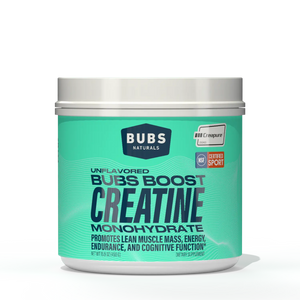
When more surface area is exposed to the water, the liquid can break down the particles much faster. This leads to a smoother mix and less residue at the bottom of your shaker. Our Creatine Monohydrate uses this high-quality, single-ingredient approach to ensure that it mixes easily into any beverage you choose. We focus on these small details because we know that a better-mixing supplement is easier to stick with over the long term.
Myth: Micronized creatine is a different chemical than standard creatine monohydrate.
Fact: It is the exact same molecule, just milled into smaller particles to increase surface area and improve solubility.
The Role of Water Temperature
Temperature is perhaps the most significant variable in the solubility equation. If you have ever tried to dissolve sugar in iced tea versus hot tea, you have seen this principle in action. Higher temperatures provide more kinetic energy to the water molecules, allowing them to move faster and break down the bonds of the solid more effectively.
In cold water (around 40°F), creatine solubility is quite low. You might only be able to dissolve about 6 grams per liter. If you are mixing a standard 5-gram scoop into a standard 8-ounce glass of cold water, you are pushing the limits of what the water can hold. This is why you often see a layer of powder at the bottom.
In contrast, warm or hot water significantly increases solubility. In water that is 140°F, the solubility of creatine jumps to approximately 25 to 30 grams per liter. This means that a standard serving will dissolve almost instantly in a warm beverage. This is why many people find success mixing their creatine into a morning cup of coffee or tea.
Note: You do not need to boil your water to dissolve creatine. Even lukewarm or room-temperature water will show a marked improvement over refrigerator-cold water.
Does Heat Damage Creatine?
A common concern among athletes is whether heat will "denature" or destroy the creatine molecule. Some people worry that adding creatine to hot coffee or tea will make the supplement useless. Fortunately, creatine is an incredibly stable molecule.
The chemical structure of creatine monohydrate remains intact even at high temperatures. In fact, many of the original clinical studies conducted on creatine in the 1990s involved dissolving the powder in hot tea or coffee to ensure the participants actually ingested the full dose. The heat helps the powder dissolve without stripping away its ability to support ATP production in your muscles.
ATP, or adenosine triphosphate, is the primary energy source for high-intensity muscle contractions. When you supplement with creatine, you are increasing your body's stores of phosphocreatine, which helps regenerate ATP during exercise. This process is not affected by the temperature of the liquid you use to ingest the supplement.
Bottom line: Heat is a helpful tool for dissolving creatine. You can safely mix your daily dose into hot beverages like coffee or tea without worrying about losing the strength-building benefits.
Mixing Creatine with Other Liquids
While water is the most common choice, it is certainly not the only option. Many people prefer to mix their creatine with other beverages to improve the taste or potentially enhance absorption.
Fruit Juices
Mixing creatine with a carbohydrate-rich drink like grape or apple juice is a popular strategy. The logic here is centered on insulin. When you consume sugar, your body releases insulin to manage blood glucose levels. Insulin also helps "drive" nutrients into the muscle cells. By taking creatine with juice, you may support faster uptake of the supplement into the muscles. From a solubility standpoint, the acidity in some juices can also help the powder break down slightly faster.
Protein Shakes
Adding creatine to your post-workout protein shake is a standard practice. Because most protein powders require vigorous shaking, the mechanical action often helps keep the creatine suspended in the liquid long enough for you to drink it. If you use a blender for your shakes, the high-speed blades will easily incorporate the creatine, though it may still settle if left to sit for more than a few minutes.
For additional perspective on combining hydration with performance habits, see Maximize Your Gains: Hydration and Creatine.
Electrolytes and Hydration Drinks
Staying hydrated is critical when taking creatine, as the supplement naturally draws water into the muscle cells. Mixing your creatine with an electrolyte formula can be an efficient way to hit both goals. Our Hydrate or Die electrolyte powder is designed for fast hydration and pairs well with a daily creatine habit. When you mix them together, you are supporting both muscle energy and fluid balance.
The Problem with "Dry Scooping"
In some corners of the fitness world, "dry scooping"—taking a scoop of powder directly into the mouth and washing it down with a sip of water—has become a trend. We strongly advise against this, especially with creatine monohydrate.
Creatine is highly osmotic, meaning it attracts water. When you dump a dry scoop of creatine into your throat, it immediately begins to pull moisture from the surrounding tissues. This can lead to coughing, choking, or accidental inhalation of the fine powder. Furthermore, because creatine needs liquid to dissolve and be properly processed by the stomach, dry scooping often leads to digestive discomfort or bloating.
Taking the extra thirty seconds to properly mix your creatine in a glass of water or a shaker bottle is well worth the effort. It ensures safer ingestion and better comfort throughout the day.
Creatine Monohydrate vs. Creatine HCl
When researching solubility, you will inevitably come across Creatine Hydrochloride (HCl). Manufacturers of Creatine HCl often claim it is superior because it is much more soluble in water than the monohydrate version.
It is true that Creatine HCl dissolves more easily in cold water. Because of the attached hydrochloride group, it has a lower pH and interacts more readily with water molecules. However, increased solubility does not necessarily mean increased effectiveness.
The vast majority of clinical research—the studies that prove creatine builds muscle, increases power, and supports brain health—has been conducted using creatine monohydrate. While HCl might save you from a little bit of grit at the bottom of your cup, it is often significantly more expensive and lacks the decades of safety and efficacy data that monohydrate possesses.
| Feature |
Creatine Monohydrate |
Creatine HCl |
| Solubility |
Moderate (Improved by heat) |
High |
| Research Support |
Extensive (Gold Standard) |
Limited |
| Cost |
Budget-friendly |
Premium |
| Stability |
Very High |
High |
| Typical Dose |
3–5 grams |
1.5–3 grams |
For more guidance on building a consistent routine, read Why Hydration Is Key with Creatine.
Practical Tips for a Better Mix
If you are tired of gritty drinks, here is a simple protocol to ensure your creatine monohydrate dissolves as much as possible:
-
Use Room Temperature or Warm Water: Start with water that is not straight from the fridge. Even a few degrees can make a difference.
-
Stir for 30 Seconds: Most people give up after five seconds. A full 30 seconds of vigorous stirring or shaking will break up the majority of the crystals.
-
Drink it Immediately: Once you have it mixed, drink it down. If you let it sit, gravity will eventually pull the undissolved particles back to the bottom.
-
The "Swirl" Method: If you reach the end of your drink and see residue, add a splash more water, swirl it around to catch the remaining powder, and finish it off.
-
Use a Shaker with a Whisk Ball: The mechanical action of a whisk ball helps break up clumps more effectively than a spoon alone.
Stability Over Time: Can You Pre-Mix?
Another common question is whether you can mix your creatine in the morning and drink it later in the day. This is a matter of stability. While creatine is very stable as a dry powder, it does begin to slowly break down into a waste product called creatinine once it is dissolved in water.
However, this process is much slower than many people think. In most cases, creatine remains stable in liquid for several hours at room temperature. If you mix your shake in the morning and drink it at lunch, you are likely still getting the full dose. If you leave it for 24 to 48 hours, you may start to lose some of the potency.
For the best results, we recommend mixing your creatine and consuming it within the same hour. If you need to take it on the go, keep the powder dry in your shaker and add water only when you are ready to drink it.
For additional information about daily creatine habits and serving consistency, explore How Many Scoops of Creatine Should You Take a Day?.
The BUBS Difference: Quality and Purpose
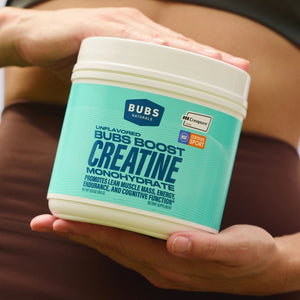
We know that when you are training hard, the last thing you want to worry about is whether your supplements are actually working. That is why we keep things simple. Our Creatine Monohydrate is a single-ingredient formula. We do not add fillers, flavorings, or unnecessary chemicals that can interfere with solubility or performance.
Every batch is third-party tested, ensuring that what is on the label is exactly what is in the jar. We take this seriously because our brand is built on a legacy of excellence and service. BUBS Naturals was founded in honor of Glen "BUB" Doherty, a Navy SEAL and hero who lived a life of adventure and purpose.
We carry that mission forward by donating 10% of all our profits to veteran-focused charities. When you choose our products, you are not just supporting your own health; you are contributing to a cause that helps those who have served. We believe in doing things the right way, from the way we source our ingredients to the way we give back.
Conclusion
Does creatine monohydrate dissolve in water? Yes, but it requires a bit of understanding and the right approach. By using micronized powder, adjusting your water temperature, and giving it a thorough stir, you can eliminate the grit and make your supplement routine a seamless part of your day.
Remember that the most important factor in creatine supplementation is consistency. Whether you drink it in cold water, hot coffee, or a fruit juice blend, the goal is to keep your muscle stores saturated over time. Choose a high-quality, pure monohydrate that you trust, and stay the course.
"The only way to achieve lasting results is through consistent, disciplined action. Your supplements are tools to support that journey."
Take the next step in your performance journey by prioritizing quality and purity in everything you put into your body. Whether you are hitting the gym, heading out for a trail run, or simply looking to maintain your health, we are here to provide the clean fuel you need to succeed. Explore the BUBS Boosts Collection for additional performance-focused options.
FAQ
Does creatine lose its effectiveness if it doesn't fully dissolve?
No, your body is still capable of digesting and absorbing creatine even if it is not fully dissolved in the water. However, undissolved grit can sometimes cause minor stomach upset in sensitive individuals. Ensuring it is well-mixed or taken with enough liquid generally helps with digestion and ensures you actually ingest the full dose.
Can I mix creatine in my morning coffee?
Yes, mixing creatine into coffee is an excellent way to ensure it dissolves completely. The heat of the coffee increases the solubility of the powder, and the caffeine does not interfere with the creatine's ability to support your muscles. Just be sure to stay hydrated, as both caffeine and creatine can influence your body's fluid balance.
Is it better to take creatine with water or juice?
Both options are effective, but they serve different purposes. Water is the simplest and most common choice for daily use. Juice provides carbohydrates, which trigger an insulin response that may help the muscles absorb the creatine more efficiently. If you are in a "loading phase," juice may be helpful; for daily maintenance, water is usually sufficient.
How much water should I use for a 5-gram scoop of creatine?
We recommend using at least 8 to 12 ounces of liquid for a standard 5-gram serving of creatine monohydrate. Using too little water will make it difficult for the powder to dissolve, as you will quickly reach the saturation point. Increasing the volume of liquid or using warm water will always result in a smoother, more consistent mix. For hydration support during intense training, explore the Hydrate or Die electrolyte collection.