Table of Contents
- Introduction
- What Is Creatine and Why Does It Matter?
- The Gold Standard: Creatine Monohydrate
- The Challenger: Creatine HCL
- Comparing the Two: Head-to-Head
- Which One Should You Choose?
- How to Optimize Your Results
- The Role of Purity and Testing
- Safety and Common Misconceptions
- Recovery Beyond Creatine
- Conclusion
- FAQ
Introduction
If you have spent any time in a weight room or looking into performance nutrition, you have heard of creatine. It is the most researched supplement in the world for a reason. It works. Whether you want to lift more weight, sprint faster, or recover better between sets, creatine is usually the first recommendation from coaches and seasoned athletes.
However, once you decide to start, you face a fork in the road. You have to choose between two main forms: Creatine Monohydrate and Creatine Hydrochloride (HCL). One is the battle-tested veteran with decades of data. The other is a newer, concentrated option that promises better absorption and less digestive friction.
At BUBS Naturals, we believe in keeping your supplement stack clean and effective. To do that, you need to understand the science behind what you are putting into your body. This guide breaks down the chemical differences, the performance impacts, and the practical realities of HCL versus monohydrate so you can choose the right tool for your training.
Quick Answer: The primary difference is solubility and absorption. Creatine monohydrate is the "gold standard" with the most research, while creatine HCL is molecularly bound to hydrochloric acid to improve solubility, potentially allowing for smaller doses and less bloating.
What Is Creatine and Why Does It Matter?
Before we dive into the specific forms, we need to understand what creatine actually does. Your body naturally produces creatine in the liver, kidneys, and pancreas. It is made from three amino acids: glycine, arginine, and methionine. You also get it from foods like red meat and fish.
About 95% of your body's creatine is stored in your skeletal muscle as phosphocreatine. This is where the magic happens during a workout. When you lift a heavy weight or sprint, your muscles use a molecule called Adenosine Triphosphate (ATP) for energy.
ATP is the "energy currency" of your cells. The problem is that your muscles only store enough ATP for about 8 to 10 seconds of high-intensity effort. Once that ATP is used, it loses a phosphate group and turns into Adenosine Diphosphate (ADP). ADP cannot produce energy on its own. It needs a new phosphate molecule to turn back into ATP and get back in the fight.
This is where your stores of phosphocreatine come in. Phosphocreatine "donates" its phosphate to the ADP, rapidly regenerating ATP. By supplementing with creatine, you saturate your muscle stores. This means you have more phosphocreatine available to keep your energy levels high for a few extra reps or a faster finish.
Key Takeaway: Creatine supplementation increases your body’s ability to rapidly produce energy (ATP) during high-intensity exercise, which may support improved strength, power, and muscle endurance over time.
The Gold Standard: Creatine Monohydrate
Creatine monohydrate is the original. It consists of a creatine molecule bound to a single water molecule. Because it has been around the longest, it is the form used in the vast majority of clinical studies. If you read a study saying "creatine increases muscle mass by X percent," there is a 99% chance the researchers used monohydrate.
The Benefits of Monohydrate
The biggest strength of monohydrate is its track record. We know it works. We know it is safe for long-term use in healthy adults. It is also highly pure—often 99.8% or higher—and very affordable.
Monohydrate is designed to saturate the muscle over time. Many people choose to start with a "loading phase," which involves taking about 20 grams per day for a week, followed by a maintenance dose of 3 to 5 grams. This is not strictly necessary, but it helps you see the benefits faster by filling your muscle stores quickly.
The Drawbacks of Monohydrate
The main complaints regarding monohydrate involve its solubility and its effect on the digestive system. Monohydrate does not dissolve very easily in water. If you have ever seen a "gritty" residue at the bottom of your shaker bottle, that is undissolved creatine.
Because it requires a significant amount of water to dissolve, some users experience bloating or gastrointestinal discomfort, especially during a high-dose loading phase. This happens because undissolved creatine can pull water into the intestines, leading to an upset stomach.
The Challenger: Creatine HCL
Creatine HCL (Hydrochloride) was developed to address the solubility issues of monohydrate. In this form, a creatine molecule is bound to a hydrochloride salt.
Improved Solubility
The "HCL" part of the name is critical. Hydrochloric acid is the same acid found in your stomach. When creatine is bound to this salt, its water solubility increases dramatically. Some research suggests that creatine HCL is 41 times more soluble in water than monohydrate.
Because it dissolves so easily, your body may be able to absorb it more efficiently. This leads to the concept of "micro-dosing." While you might need 5 grams of monohydrate to see results, many athletes find that 1 to 2 grams of HCL provides similar benefits.
Less Bloating and "Water Weight"
Because HCL is so soluble and requires a smaller dose, it is much less likely to cause the GI distress associated with monohydrate. It also tends to cause less "extracellular" water retention.
Monohydrate is famous for drawing water into the muscle cells. While this is actually a good thing for muscle growth (anabolic signaling), it can sometimes make people feel "puffy" if they are sensitive to it. HCL users often report a "drier" look while still getting the performance benefits of saturated creatine stores.
Myth: Creatine HCL is more powerful and will build muscle twice as fast as monohydrate.
Fact: While HCL is more soluble and requires a smaller dose, there is currently no definitive evidence that it leads to greater muscle growth or strength gains than monohydrate when muscle stores are fully saturated.
Comparing the Two: Head-to-Head
When deciding between these two, it helps to look at them side-by-side.
| Feature |
Creatine Monohydrate |
Creatine HCL |
| Research History |
Extensive (Decades of data) |
Emerging (Limited data) |
| Solubility |
Low (May leave grit) |
Very High (Dissolves easily) |
| Typical Dose |
3–5 grams daily |
1–2 grams daily |
| Loading Phase |
Recommended (but optional) |
Not necessary |
| GI Comfort |
May cause mild bloating |
Generally easier on the stomach |
| Cost |
Budget-friendly |
More expensive |
| Purity |
Extremely high |
Varies by manufacturer |
Which One Should You Choose?
The "best" creatine is the one you will actually take every day. Consistency is the most important factor in creatine supplementation. If you skip doses because the powder is gritty or makes your stomach hurt, you won't get the benefits.
Choose Creatine Monohydrate If:
- You want the most proven, science-backed supplement available.
- You are on a budget and want the best "bang for your buck."
- Your stomach handles standard supplements well without issue.
- You don't mind a larger serving size (roughly one teaspoon).
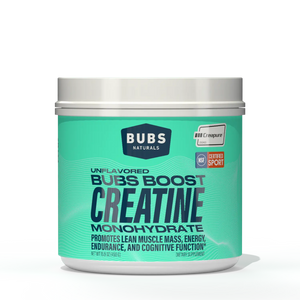
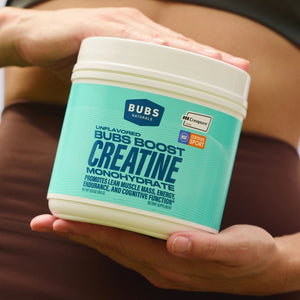
Our Creatine Monohydrate is a single-ingredient formula. We focus on purity and simplicity. It is NSF for Sport certified, which means it has been rigorously tested for quality and safety. We designed it to be no-nonsense: no fillers, no flavoring, just clean creatine that you can toss into your morning coffee or post-workout shake.
Choose Creatine HCL If:
- You have a sensitive stomach and often experience bloating with other supplements.
- You prefer a smaller dose and don't want to drink a large volume of liquid.
- You are in a "cutting" phase and want to minimize any potential water retention.
- You don't mind paying a premium for convenience and solubility.
How to Optimize Your Results
Regardless of which form you choose, there are a few "rules of the road" to ensure you get the most out of your creatine.
1. Drink More Water
Creatine works by moving water into your muscle cells. This is a cellular hydration process. If you are dehydrated, the creatine cannot do its job effectively. Make sure you are increasing your daily water intake. If you find yourself hitting a wall during high-intensity training, consider adding Hydrate or Die electrolyte powder. Our Hydrate or Die electrolyte powder is designed to support this process by balancing your mineral levels while you push through tough sessions.
2. Time It for Consistency
There is a lot of debate about whether you should take creatine before or after your workout. The truth? It doesn't matter nearly as much as taking it every single day. Creatine is about saturation, not an immediate "kick" like caffeine. Take it at a time you won't forget—whether that is with your morning coffee or your evening meal.
3. Mix It Thoroughly
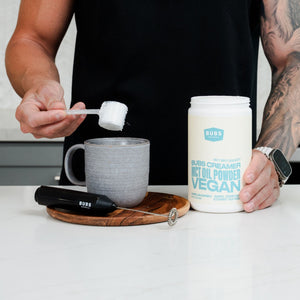
If you are using monohydrate, give it a good stir. Using a warm liquid, like tea or coffee, can help the crystals dissolve faster. If you use HCL, it should disappear almost instantly in any cold or room-temperature liquid.
4. Pair It with Protein and Carbs
Some evidence suggests that taking creatine with a source of carbohydrates or protein can help with uptake. The insulin response from your meal can help "drive" the creatine into the muscle cells. This is why many people mix their creatine into a protein shake.
Bottom line: Monohydrate is the reliable, cost-effective veteran, while HCL is the high-solubility alternative for those with sensitive stomachs or a preference for micro-dosing.
The Role of Purity and Testing
The supplement industry can be a bit of a "Wild West." Because creatine is so popular, there are many low-quality versions on the market that may contain contaminants or fillers.
When we built BUBS Naturals, we made a commitment to transparency. Whether it is our Collagen Peptides or our Creatine Monohydrate, we ensure that every batch is third-party tested. For athletes, the NSF for Sport certification is the gold standard. It ensures that the product contains exactly what the label says and is free from banned substances.
You are training to be the best version of yourself. Your supplements should be held to that same standard. We use simple, clean ingredients because real performance doesn't need a chemistry degree to understand.
Safety and Common Misconceptions
Despite being the most researched supplement in history, creatine is still surrounded by myths. Let's clear a few up.
"Creatine Is a Steroid"
This is completely false. Creatine is not a hormone or a drug. It is a naturally occurring compound found in your body and in common foods like beef. It helps with energy production, not hormonal manipulation.
"It Causes Kidney Damage"
In healthy individuals, there is no evidence that standard doses of creatine cause kidney damage. If you have pre-existing kidney conditions, you should always consult your healthcare provider before starting any new supplement. For everyone else, it is considered very safe for long-term use.
"You Will Lose Your Gains If You Stop"
If you stop taking creatine, your muscle stores will eventually return to their baseline levels. You might lose a few pounds of water weight that was stored inside the muscles, but you won't lose the actual muscle tissue you built while training. Your strength might dip slightly because your ATP regeneration won't be as fast, but the progress you made is yours to keep.
"It Causes Hair Loss"
This myth originated from a single study on rugby players that showed an increase in DHT (a hormone linked to hair loss) but didn't actually measure hair loss. Since then, numerous studies have failed to replicate this or find a link between creatine and thinning hair.
Recovery Beyond Creatine
While creatine helps you perform better during the workout, true progress happens during recovery. Creatine handles the ATP side of things, but your muscles also need the building blocks for repair.
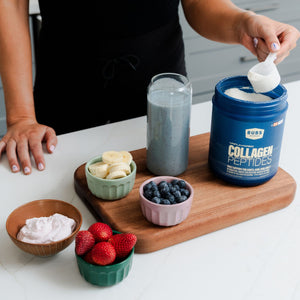
Many of our community members pair their creatine with BUBS Naturals Collagen Peptides. While creatine supports the "engine" (your muscle energy), collagen may support the "chassis" (your joints, tendons, and ligaments). Training hard puts stress on your connective tissues. Providing your body with the amino acids found in grass-fed collagen helps ensure you can stay in the game for the long haul.
Conclusion
The difference between HCL and monohydrate comes down to chemistry and personal preference.
If you want a supplement that has been proven over decades, is incredibly affordable, and you don't mind a slightly larger dose, stick with Creatine Monohydrate. It is the foundation of many of the strongest people in the world.
If you have tried monohydrate and found it made you feel bloated, or if you simply prefer a more concentrated, highly soluble powder that leaves no grit, Creatine HCL is a fantastic modern alternative.
At BUBS Naturals, we choose to offer a pure, NSF for Sport certified Creatine Monohydrate because we believe in the power of the most-proven form. We are driven by a mission to provide clean, effective nutrition that honors the legacy of Glen "BUB" Doherty. Every purchase you make helps us support that mission, as we donate 10% Rule of all profits to veteran-focused charities.
"Feel great, do good" isn't just a slogan for us—it is how we live. Whichever form of creatine you choose, keep your ingredients clean, stay consistent, and keep pushing your limits.
FAQ
Is creatine HCL better for weight loss than monohydrate?
Creatine HCL may be slightly better for weight loss because it causes less extracellular water retention, helping you maintain a "leaner" appearance. However, both forms support muscle maintenance during a calorie deficit, which is essential for preserving your metabolic rate while losing fat.
Can I mix creatine HCL and monohydrate together?
Yes, you can mix them, but there is no specific performance benefit to doing so. It is generally more effective to choose one form and stick to a consistent daily dose to ensure your muscle stores remain fully saturated.
Do I need to cycle off creatine?
No, there is no scientific evidence suggesting that you need to "cycle" on and off creatine. Your body does not stop producing its own creatine, and long-term studies have shown that daily use is safe for healthy adults.
How long does it take to see results from creatine?
If you use a loading phase (20g/day), you may see improvements in strength and muscle fullness in about 7 to 10 days. If you take a standard dose of 3 to 5 grams per day without loading, it typically takes 3 to 4 weeks to reach full muscle saturation and see the same performance benefits.