




Table of Contents
- Introduction
- Understanding the Dates on the Label
- Does Liquid Dairy Creamer Expire?
- Does Liquid Non-Dairy Creamer Expire?
- Does Powdered Coffee Creamer Expire?
- How to Tell if Your Creamer Has Gone Bad
- Storage Tips to Extend Shelf Life
- The Science of Spoilage
- What Happens if You Consume Expired Creamer?
- Choosing the Right Creamer for Your Lifestyle
- Conclusion
- FAQ
Introduction
You are standing in your kitchen at daybreak, the smell of fresh coffee filling the air. You reach for the creamer, but as you go to pour, you notice the date on the label passed two days ago. It is a common dilemma for anyone who values a perfect morning brew. Knowing whether your creamer is safe to use is about more than just taste; it is about maintaining a healthy, high-performance lifestyle.
At BUBS Naturals, we believe that every ingredient in your pantry should support your wellness goals. This guide explores the shelf life of various creamers, from traditional dairy to shelf-stable powders. We will break down the signs of spoilage and help you understand how to keep your morning routine fresh and effective. Whether you use liquid dairy or a clean MCT Oil Creamer, understanding expiration dates helps you stay fueled for whatever adventure comes next.
Quick Answer: Yes, coffee creamer does expire. Liquid dairy creamers typically last one to two weeks after opening, while shelf-stable liquid creamers last about a week once unsealed. Powdered creamers have the longest shelf life, often remaining high-quality for six months to a year if stored in a cool, dry place.
Understanding the Dates on the Label
The dates printed on food packaging can be confusing. Most coffee creamers feature a "Best-by" or "Sell-by" date rather than a hard expiration date. These labels are often more about peak quality than immediate safety. Manufacturers use these dates to tell you when the product will have the best flavor and texture.
A "Best-by" date indicates when the product might start to lose its optimal profile. For a liquid creamer, this might mean the flavor becomes duller or the consistency changes slightly. For a powdered creamer, it could mean the powder starts to clump. It does not necessarily mean the product is dangerous the day after that date passes.
However, "Use-by" dates are more common on highly perishable items like heavy cream or milk-based creamers. These are closer to a safety deadline. If you see a "Use-by" date, it is generally wise to treat it as a strict cutoff. We always recommend prioritizing freshness to ensure you are getting the most out of your supplements and food.
Does Liquid Dairy Creamer Expire?
Liquid dairy creamers are among the most perishable options on the market. These products are usually made from milk, cream, and sugar. Because they contain dairy, they are highly susceptible to bacterial growth once they are exposed to air.
Most liquid dairy creamers are pasteurized to kill harmful bacteria, but they are not sterile. Once you break the seal, the clock starts ticking. Generally, a liquid dairy creamer will stay fresh in the refrigerator for about seven to ten days. Even if the "Best-by" date is weeks away, the open-bottle life is much shorter.
Temperature fluctuations are the primary enemy of dairy. If you leave the bottle on the counter while you drink your coffee, the temperature rises. This allows bacteria to multiply faster. Always return the bottle to the refrigerator immediately after pouring to maximize its lifespan.
Does Liquid Non-Dairy Creamer Expire?
Non-dairy liquid creamers often have a longer unopened shelf life than their dairy counterparts. Many of these products are ultra-heat treated (UHT) and sold in aseptic packaging. This means they can sit on a pantry shelf for months without spoiling as long as they remain sealed.
However, the rules change once you open them. After the seal is broken, non-dairy creamers made from almond, oat, or soy milk require refrigeration. Most manufacturers suggest consuming them within seven to fourteen days after opening.
Just because it is "non-dairy" does not mean it is invincible. Plant-based fats can still go rancid, and sugars can still ferment. Treat an opened bottle of oat milk creamer with the same caution you would treat a carton of cow’s milk. If it has been sitting in your fridge for three weeks, it is likely past its prime.
Does Powdered Coffee Creamer Expire?
Powdered creamers are the marathon runners of the coffee world. Because they lack moisture, bacteria have a much harder time growing in them. This makes them an excellent choice for people who want a reliable, long-lasting option for their morning routine.
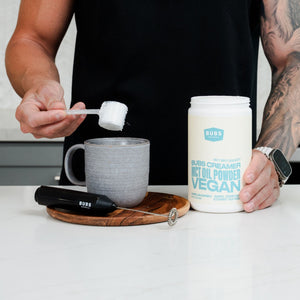
Most powdered creamers will have a shelf life of twelve to twenty-four months when unopened. Even after opening, a high-quality powder can remain good for six months or more if kept away from moisture. Our Butter MCT Oil Creamer is designed with this longevity in mind. It provides a clean, coconut-sourced energy boost that stays fresh in your pantry much longer than any liquid bottle.
The main threat to powdered creamer is humidity. If steam from your coffee maker or moisture from a damp spoon gets into the container, it can cause clumping. In some cases, persistent moisture can even lead to mold. Always use a dry scoop and keep the lid tightly sealed to ensure the powder stays free-flowing and effective.
Key Takeaway: The form of your creamer dictates its lifespan. Liquids prioritize immediate freshness and require constant refrigeration, while powders offer a shelf-stable alternative that resists spoilage by eliminating moisture.
How to Tell if Your Creamer Has Gone Bad
Your senses are the best tools for determining if a product is still safe. Before you pour that creamer into your favorite mug, take a few seconds to inspect it.
The Smell Test
Spoiled dairy has a distinct, sour odor caused by lactic acid-producing bacteria. Non-dairy creamers may smell "off" or like fermented fruit. If the scent is anything other than sweet or neutral, it belongs in the trash. For powdered creamers, look for a soapy or metallic smell, which can indicate that the fats in the powder have oxidized and gone rancid.
The Texture Check
Liquid creamer should be smooth and consistent. If you see chunks, curdles, or a slimy film around the cap, the creamer has expired. For powders, look for significant clumping that doesn't break apart easily. While minor clumping can happen due to settling, "wet" looking clumps are a sign that moisture has entered the container.
The Curdle Test
Sometimes a creamer looks and smells fine in the bottle but curdles the moment it hits your coffee. This happens because the acidity in the coffee reacts with the proteins in the creamer. If your creamer separates into white flakes or "feathers" at the top of your cup, it is likely starting to turn. While this isn't always dangerous, it is a clear sign that the pH of the creamer has shifted.
The Taste Test
If the creamer passes the visual and smell tests, you can try a tiny drop. If it tastes sour, bitter, or tangy in a way it shouldn't, spit it out. Trust your palate. Your body is wired to reject spoiled food for a reason.
Storage Tips to Extend Shelf Life
Proper storage is the difference between a creamer that lasts two weeks and one that spoils in five days. You can significantly extend the life of your products by following a few simple habits.
- Location Matters: Avoid storing liquid creamer in the refrigerator door. The door is the warmest part of the fridge because it is exposed to room air every time you open it. Store your creamer on a middle or bottom shelf near the back where the temperature is most stable.
- Keep it Sealed: Air is a catalyst for spoilage. Always ensure the cap is screwed on tight. For powdered products like our Butter MCT Oil Creamer, make sure the lid is snapped shut or the bag is fully zipped to prevent oxidation.
- Avoid Cross-Contamination: Never "back-wash" or drink directly from the creamer container. Bacteria from your mouth can quickly colonize the liquid. Similarly, never use a used or wet spoon to scoop powdered creamer.
- Control the Environment: Store powdered creamers in a cool, dark, and dry place. A pantry away from the stove or dishwasher is ideal. Heat and light can break down the fats in MCT oil or dairy powders, leading to a shorter shelf life.
The Science of Spoilage
Why does creamer expire in the first place? It comes down to biology and chemistry. Liquid creamers are high in moisture, which provides a playground for microbes. Even with preservatives, bacteria will eventually find a way to break down the proteins and sugars in the liquid.
For fat-based creamers, such as those containing MCT oil or butter, the main concern is oxidation. Oxidation occurs when oxygen molecules interact with fat molecules. This process changes the chemical structure of the fat, leading to a rancid taste. While consuming slightly oxidized fat isn't usually an immediate health crisis, it can cause digestive upset and lacks the nutritional quality of fresh fats.
Powdered creamers undergo a process called "water activity reduction." By removing the water, we essentially put the biological processes on pause. This is why our products can maintain their integrity for so long without the need for heavy artificial preservatives.
Myth: You can freeze liquid coffee creamer to make it last forever. Fact: While you can freeze some creamers, the process often destroys the emulsion. When thawed, the fats and liquids may separate, leaving you with a grainy, unappealing texture that doesn't mix well into coffee.
What Happens if You Consume Expired Creamer?
In many cases, consuming creamer a day or two past its "Best-by" date will have no effect other than a slightly off-flavor. However, if the creamer has truly spoiled and contains high levels of bacteria or mold, you may experience symptoms of food poisoning.
Common signs of consuming spoiled dairy or contaminated creamer include:
- Nausea or stomach cramps
- Bloating and gas
- Diarrhea
- A lingering bad taste in the mouth
If you accidentally drink a splash of sour creamer, don't panic. Most healthy adults can handle a small amount of spoiled dairy without serious illness. However, if you have a sensitive stomach or a compromised immune system, it is always better to err on the side of caution. If you see mold or a significant change in texture, discard the product immediately.
Choosing the Right Creamer for Your Lifestyle
When deciding which creamer to buy, consider how quickly you use it. If you only drink coffee on the weekends, a large bottle of liquid dairy is likely to go to waste. In this scenario, a powdered option is far more efficient.
Our powdered creamers are designed for those who want the benefits of healthy fats without the worry of a short expiration window. They provide the creamy texture you crave but remain stable in your cabinet for months. This makes them perfect for office desks, camping trips, or busy households where a bottle of milk might get forgotten in the back of the fridge.
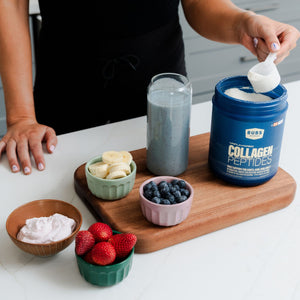
We focus on clean, single-ingredient foundations because we know that what you put in your body matters. Whether it’s our Collagen Peptides or our MCT powders, we prioritize products that are easy to use and stay fresh, helping you maintain your momentum every single day.
Conclusion
Managing your coffee creamer's shelf life is a simple but essential part of a healthy kitchen. While liquid creamers offer convenience, they require strict refrigeration and quick consumption. Powdered creamers, on the other hand, provide a durable and shelf-stable alternative that fits perfectly into an active, on-the-go lifestyle.
By paying attention to "Best-by" dates and using your senses to check for spoilage, you can ensure your morning coffee remains a high-quality part of your day. At BUBS Naturals, we are committed to helping you live better through clean nutrition and purposeful living. We also believe in giving back, which is why we donate 10% of all our profits to veteran-focused charities in honor of Glen "BUB" Doherty. You can learn more in Our Story and our giving back commitment.
Take a look at your pantry today. If your liquid creamer is looking a little tired, consider switching to a more stable, functional option. The broader Hydration Collection and Creatine Monohydrate are also built for people who want clean, reliable support.
- Check the "Best-by" date before every use.
- Store liquids in the back of the fridge, not the door.
- Keep powders in a cool, dry place.
- Trust your nose—if it smells off, toss it.
"The only way to do great work is to love what you do. And the only way to fuel that work is to respect what you put in your body."
FAQ
Is it safe to use creamer 1 week after the expiration date?
If the creamer is a shelf-stable powder and has been kept dry, it is likely still safe and high-quality. For liquid dairy creamer, one week past the date is often too long, especially if the bottle has been open for more than ten days. Always check for sour smells or chunky textures before using any liquid creamer past its date.
Does non-dairy creamer go bad if not refrigerated?
Unopened shelf-stable non-dairy creamers can stay in the pantry until their "Best-by" date. However, once the seal is broken, they must be refrigerated and consumed within seven to ten days. Some non-dairy creamers found in the refrigerated section of the grocery store must be kept cold even before they are opened.
Why did my creamer curdle in my coffee if it isn't expired?
Curdling doesn't always mean the creamer is spoiled. It can happen if the coffee is extremely acidic or if the temperature difference between the cold creamer and boiling coffee is too great. However, if it curdles and has a sour smell, that is a definitive sign of spoilage and the creamer should be discarded.
How long does powdered MCT oil creamer last once opened?
An opened container of powdered MCT oil creamer can last between six and twelve months if stored properly. To maintain freshness, keep it in a cool, dark place and ensure no moisture enters the bag or jar. If the powder develops a strong, soapy odor, it is a sign that the fats have oxidized and it should be replaced.
Written by:
MCT Oil Creamers
Fuel clean, fast-acting energy and mental clarity with MCT oil powder from virgin coconut oil that supports focus, gut health, and curbs cravings.


