Table of Contents
- Introduction
- The Dairy Factor: Lactose and Bloating
- Sugar Alcohols and Artificial Sweeteners
- Gums, Thickeners, and Emulsifiers
- Hydrogenated Oils and Fillers
- The Role of Coffee Acidity and Caffeine
- Better Alternatives for a Bloat-Free Morning
- How to Identify Your Triggers
- Why Quality Ingredients Matter
- Conclusion
- FAQ
Introduction
You finish your morning cup of coffee, expecting a surge of focus to tackle your workout or a busy workday. Instead, twenty minutes later, you feel like you have swallowed a basketball. That heavy, tight, and uncomfortable sensation in your midsection is bloating, and it is a common side effect for many coffee drinkers. While coffee itself can sometimes stimulate digestion, the culprit is often what you are adding to the mug.
At BUBS Naturals, we believe that your morning ritual should fuel your performance, not hinder it with digestive distress. Many commercial coffee creamers are packed with processed ingredients that are notoriously difficult for the body to break down. This guide looks at the common ingredients in creamers that cause gas and bloating, why they affect your gut, and how you can switch to cleaner alternatives that support your lifestyle.
By understanding the science behind these additives, you can make an informed choice that keeps your energy high and your stomach flat. Whether you are sensitive to dairy or reacting to hidden thickeners, there is a better way to enjoy your morning brew.
Quick Answer: Yes, many coffee creamers cause bloating due to ingredients like lactose, sugar alcohols, thickeners (such as carrageenan), and hydrogenated oils. These components can lead to gas production and inflammation in the digestive tract, especially for those with sensitivities.
The Dairy Factor: Lactose and Bloating
The most common reason a coffee creamer causes bloating is dairy. Even if you have not been diagnosed with a formal allergy, a significant portion of the adult population has some level of lactose intolerance. Lactose is the natural sugar found in milk. To digest it, your body needs an enzyme called lactase.
As we age, our bodies often produce less lactase. When undigested lactose reaches the large intestine, the bacteria living there begin to ferment it. This fermentation process produces gases like hydrogen, carbon dioxide, and methane. The result is the classic "inflated" feeling, often accompanied by gurgling or discomfort.
Many liquid creamers use milk or cream as a base. Even "half and half" contains enough lactose to trigger a reaction in sensitive individuals. If you find that your bloating disappears when you drink your coffee black, dairy is likely the primary suspect.
For a simple, single-ingredient option, some readers prefer adding Collagen Peptides to coffee instead of a heavier creamer.
Sugar Alcohols and Artificial Sweeteners
In an effort to reduce calories, many brands offer "sugar-free" creamers. While this sounds healthy on the surface, these products often rely on sugar alcohols or artificial sweeteners that can wreak havoc on your gut.
Sugar alcohols, such as erythritol, xylitol, and sorbitol, are carbohydrates that the body does not fully absorb. Because they are only partially digested, they travel to the colon where they fermented by gut bacteria. Similar to lactose, this fermentation leads to gas and bloating. In some cases, sugar alcohols can also draw water into the intestines, leading to a laxative effect.
Artificial sweeteners like sucralose or aspartame are also common in diet creamers. While they do not contain calories, research suggests they can alter the balance of your gut microbiome. A disrupted microbiome can lead to various digestive issues, including increased gas production and persistent bloating.
Key Takeaway: Sugar-free does not mean gut-friendly. Sugar alcohols and artificial sweeteners are often poorly absorbed, leading to fermentation and gas in the lower digestive tract.
Gums, Thickeners, and Emulsifiers
If you look at the back of a standard bottle of liquid creamer, you will likely see ingredients like carrageenan, guar gum, or xanthan gum. Manufacturers use these additives to give the creamer a rich, "creamy" mouthfeel without the high fat content of real cream.
Carrageenan, derived from red seaweed, is a particularly controversial thickener. Some studies and many anecdotal reports suggest that it can cause inflammation in the gastrointestinal tract. For many people, this inflammation manifests as immediate bloating and discomfort.
Guar gum and xanthan gum are types of fiber. While fiber is generally good, these specific gums are highly fermentable. If you consume them in your coffee every morning, they can contribute to a buildup of gas. Because these gums are used to stabilize the liquid, they are found in almost every major commercial creamer brand.
If you are comparing cleaner coffee add-ins, the MCT Oil Creamer is a straightforward place to start.
Hydrogenated Oils and Fillers
Many non-dairy creamers are essentially a mixture of water, sugar, and oil. To make the oil mix with the water and stay shelf-stable, companies often use hydrogenated or partially hydrogenated vegetable oils, such as soybean or canola oil.
These highly processed oils are high in omega-6 fatty acids, which can be pro-inflammatory when consumed in excess. Inflammation in the gut slows down digestion and can lead to a "sluggish" feeling. Furthermore, these oils are often combined with corn syrup solids and other fillers that provide no nutritional value and only serve to further irritate the digestive lining.
When you consume these oils first thing in the morning on an empty stomach, your gallbladder and pancreas have to work overtime to process the fats. This can lead to indigestion and a heavy feeling that persists long after you have finished your coffee.
For a richer option, Butter MCT Oil Creamer brings together MCTs and grass-fed butter.
The Role of Coffee Acidity and Caffeine
It is important to acknowledge that the creamer might not be acting alone. Coffee is naturally acidic and contains caffeine, both of which affect the digestive system. Caffeine is a stimulant that increases the contractions of your digestive tract, known as peristalsis. For some, this "speeds things up" too quickly, leading to cramping.
The acidity in coffee can also stimulate the production of stomach acid. If your stomach lining is sensitive, this can cause irritation. However, for most people, the coffee itself causes a "bathroom run," while the creamer is what causes the "bloated belly." If you can drink black coffee without issue but feel bloated after adding creamer, the problem is almost certainly the additive, not the bean.
Myth: Black coffee is the primary cause of morning bloating.
Fact: While coffee acidity can affect some, bloating is most often caused by the additives in creamers, such as lactose, gums, and artificial sweeteners.
For more on a cleaner morning cup, see What Is Coffee Creamer Made Of?.
Better Alternatives for a Bloat-Free Morning
You do not have to drink your coffee black to avoid bloating. The key is to look for "clean label" products that avoid the fillers and irritants mentioned above. We advocate for using functional ingredients that support your body rather than just flavoring your drink.
MCT Oil Powder
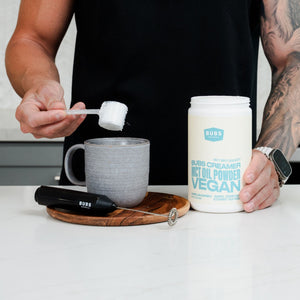
Medium-chain triglycerides (MCTs) are fats sourced from coconuts. Unlike long-chain fats found in vegetable oils, MCTs are processed by the liver and used for immediate energy. Our MCT Oil Creamer is designed to provide mental clarity and sustained energy without the digestive heavy lifting.
When MCT is turned into a powder using a high-quality carrier like acacia fiber, it becomes much easier on the stomach than liquid MCT oil. Acacia fiber is a prebiotic that helps feed good gut bacteria without causing the rapid fermentation associated with gums like carrageenan.
If you want a deeper dive into format and benefits, start with How to Choose the Best MCT Oil for Your Lifestyle.
Collagen Peptides
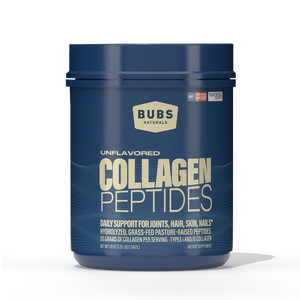
Another excellent addition to coffee is hydrolyzed collagen. Collagen is the most abundant protein in the body and is a major component of the connective tissue that makes up the digestive tract lining. Our Collagen Peptides are pasture-raised and grass-fed, breaking down into small amino acid chains that are easy for the body to absorb.
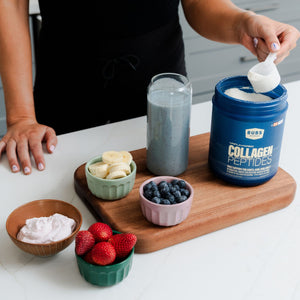
Many people find that adding collagen to their coffee provides a creamy texture while supporting their gut health, skin, and joints. Because it is a pure protein with no added sugars or dairy, it is highly unlikely to cause bloating.
Learn more with What Is the Benefit of Collagen to the Body?.
Grass-Fed Butter
If you prefer a rich, keto-style coffee, grass-fed butter is a better option than traditional creamer. While it is a dairy product, the churning process removes most of the lactose and milk proteins (whey and casein) that cause issues for most people. What remains is high-quality fat that provides a slow release of energy. We offer a Butter MCT Oil Creamer that combines these benefits into an easy-mixing powder.
If you want the flavor-forward version of this approach, explore Butter MCT Oil Creamer: Functional Fuel for Mind and Body.
How to Identify Your Triggers
If you are unsure which ingredient is causing your discomfort, a simple elimination strategy can help. Try the following steps to pin down the culprit:
-
Go Black for Three Days: Drink your coffee without any additives. If the bloating stops, you know the issue is the creamer.
-
Switch to a Single-Ingredient Additive: Instead of a complex creamer, try adding just a splash of heavy cream (if you tolerate dairy) or a scoop of pure collagen.
-
Read Every Label: Look for the "Banned Three": carrageenan, sugar alcohols (ending in -itol), and hydrogenated oils.
-
Try Powder Over Liquid: Liquid creamers require more stabilizers and preservatives to stay shelf-stable. High-quality powders often have shorter, cleaner ingredient lists.
Pay attention to how you feel 30 to 60 minutes after your last sip. Real wellness is about listening to those signals and adjusting your routine accordingly.
Why Quality Ingredients Matter
The supplement and food industry is full of shortcuts. Many brands use fillers because they are cheap and create a consistent texture. However, these shortcuts often come at the expense of your digestive health.
At BUBS Naturals, we take a different approach. Our products are third-party tested and NSF for Sport certified, ensuring that what is on the label is exactly what is in the container. We believe in using simple, science-backed ingredients that serve a purpose. Whether it is our single-ingredient Creatine Monohydrate or our easy-mixing Collagen Peptides, we prioritize purity because we know that performance starts with a healthy foundation.
Choosing a cleaner creamer is not just about avoiding a bloated stomach; it is about starting your day with fuel that actually works for you. When you remove the chemicals and irritants, you allow your body to focus on what matters—focus, energy, and recovery.
For a closer look at our approach, visit Our Story.
Conclusion
Bloating after your morning coffee is a sign that your body is struggling to process something in your cup. Usually, that "something" is a hidden thickener, a dairy protein, or a processed oil found in commercial creamers. By switching to clean, functional fats like those found in our MCT Oil Creamer or the gut-supporting amino acids in our Collagen Peptides, you can enjoy a creamy, delicious coffee without the digestive fallout.
We are committed to helping you live a life of adventure and purpose through better nutrition. This mission is rooted in the legacy of Glen "BUB" Doherty, and we honor him by ensuring our products meet the highest standards of quality. Furthermore, we donate 10% of all profits to veteran-focused charities, so your morning routine helps support a greater cause. You can read more about that commitment in Giving Back to Veterans & Our Communities.
Take a look at your current creamer and ask yourself if those ingredients are helping you reach your goals. If the answer is no, it might be time to make a change. Listen to your gut, choose clean ingredients, and get back to feeling your best.
FAQ
Why does "non-dairy" creamer still make me feel bloated?
Non-dairy does not mean "healthy" or "easy to digest." Many non-dairy creamers replace milk with hydrogenated vegetable oils, corn syrup solids, and thickeners like carrageenan or xanthan gum. These additives can cause significant gas and inflammation, even if you are not sensitive to lactose.
Can the caffeine in my coffee cause bloating?
Caffeine acts as a stimulant that can speed up the movement in your digestive tract. While this usually leads to a bowel movement, in some people it can cause cramping or a temporary feeling of pressure. However, true gas-related bloating is much more likely to come from the sugars or fats added to the coffee.
Is MCT oil better for bloating than traditional creamer?
Yes, especially when used in a high-quality powder form. MCT oil is a medium-chain triglyceride that the body can use quickly for energy, whereas the long-chain fats and additives in traditional creamers take longer to digest and can lead to fermentation. Using a version with acacia fiber, like our MCT Oil Creamer, further supports gut health.
How do I know if carrageenan is causing my bloating?
The best way is to eliminate it for a week. Check the labels of your creamer, almond milk, and other processed foods for carrageenan. If your bloating significantly decreases after removing it, your gut is likely sensitive to this specific seaweed-derived thickener, and you should opt for "gum-free" products in the future.
What kind of supplement should I try first if I want a cleaner coffee routine?
If you want to keep things simple, start with Collagen Peptides or compare that with Creatine Monohydrate depending on your goals.