Table of Contents
- Introduction
- The Science of Coffee Foam
- Foaming Liquid vs. Powdered Creamers
- Choosing the Right Tool for the Job
- Why Some Creamers Fail to Foam
- Elevating Your Coffee with MCT Oil and Collagen
- Step-by-Step Guide to the Perfect Foamed Creamer
- Troubleshooting Common Issues
- Practical Scenarios for the Active Lifestyle
- The Clean Creamer Advantage
- Conclusion
- FAQ
Introduction
There is a specific kind of satisfaction that comes from a perfectly prepared cup of coffee. For many of us, that means a thick, velvety layer of foam sitting right on top. You might think that achieving a coffee-shop-quality latte requires an expensive espresso machine and a gallon of whole milk. However, many people are looking for ways to elevate their morning brew using the ingredients they already have in their pantry or fridge.
If you have transitioned away from traditional dairy or are looking to optimize your morning routine with functional ingredients, you might find yourself asking: can you foam coffee creamer? The short answer is yes. However, the process is not the same for every product. Factors like fat content, protein levels, and the presence of emulsifiers all play a role in whether your creamer will turn into a stiff foam or simply dissolve into the liquid.
At BUBS Naturals, we believe that your morning coffee should do more than just wake you up. It should provide a moment of clarity and a boost of clean energy to fuel your next adventure. In this guide, we will break down the science of frothing, the best tools for the job, and how to get the best results from both liquid and powdered creamers, plus a look at why we put MCT oil in coffee. You will learn how to turn your daily cup into a high-performance ritual with the right technique.
Quick Answer: Yes, you can foam coffee creamer. Success depends on the fat and protein content of the creamer, as well as the temperature and the frothing tool you use. Liquid creamers often froth similarly to milk, while powdered creamers require a specific approach to achieve a creamy microfoam.
The Science of Coffee Foam
To understand how to foam coffee creamer, you first need to understand what foam actually is. Foam is a collection of air bubbles trapped in a liquid. When you froth a liquid, you are mechanically introducing air into it while simultaneously breaking that air into smaller and smaller bubbles.
The stability of these bubbles depends on two main components: proteins and fats. Proteins act as the structural "walls" of the bubbles. They wrap around the air to keep it from escaping. In traditional dairy, this role is played by casein and whey. In non-dairy creamers, manufacturers often use plant-based proteins or stabilizers like gums to achieve a similar effect.
Fats, on the other hand, provide the texture and "mouthfeel" of the foam. While some fat is necessary for a rich experience, too much fat can actually weigh down the bubbles and cause the foam to collapse. This is why skim milk often foams more easily than whole milk, even though whole milk foam tastes better. Achieving the perfect foam is a balancing act between these elements.
The Role of Temperature
Temperature is the second most important factor in the frothing process. If the liquid is too cold, the fats remain solid and heavy, making it difficult to incorporate air. If the liquid is too hot (usually above 160°F), the proteins begin to break down or "denature." Once this happens, they can no longer hold the air bubbles in place, and your foam will go flat almost instantly.
For most coffee creamers, the "sweet spot" for frothing is between 140°F and 155°F. This range is warm enough to melt fats into a smooth consistency but cool enough to keep the protein structures intact. If you are using a manual frother, heating your creamer slightly in the microwave or on the stovetop before frothing can make a significant difference in your results.
Key Takeaway: Foam is a structural balance of protein and fat. Proteins hold the air bubbles together, while fats provide the creamy texture. Keeping your creamer within the 140°F to 155°F temperature range is vital for maintaining that structure.
Foaming Liquid vs. Powdered Creamers
Not all creamers are created equal. The physical state of your creamer—whether it is a liquid from a carton or a powder from a tub—will dictate your frothing strategy. Both can produce excellent results, but the techniques are fundamentally different.
Liquid Creamers
Liquid creamers are generally the easiest to foam because they are already an emulsion. Many commercial liquid creamers are designed with added stabilizers like dipotassium phosphate or lecithin. These ingredients are specifically included to help the creamer mimic the behavior of milk when heated and agitated.
Plant-based liquid creamers, such as those made from oat, almond, or coconut, have varying success rates. Oat milk creamer is widely considered the king of non-dairy foam because oats have a naturally high carbohydrate and protein profile that creates a sturdy microfoam. Almond and coconut creamers can be more temperamental; they often require a high-powered frother to create a lasting foam.
Powdered Creamers
Powdered creamers offer a unique challenge and a unique benefit. Because they are dry, they do not have an existing liquid structure to hold air. If you simply toss a scoop of powder into a frother and turn it on, you will likely end up with a mess. To foam a powdered creamer, you must first rehydrate it.
The best way to foam a powder is to combine it with a small amount of hot water or coffee first. This creates a concentrated "base." Once the powder is fully dissolved, you can then use a handheld whisk or an electric frother to pull air into the mixture. This is where our Butter MCT Oil Creamer shines. Because it is made with clean, coconut-sourced MCTs, it creates a rich, silky texture that integrates effortlessly into the coffee when whisked properly.
Myth: Powdered creamers cannot produce a thick foam.
Fact: While they require an extra step of dissolution, powdered creamers (especially those with healthy fats like MCTs) can produce a dense, creamy microfoam that is often more stable than liquid alternatives.
Choosing the Right Tool for the Job
Once you have your creamer, you need a way to move the air. There are several tools available, ranging from low-tech kitchen staples to specialized gadgets. Your choice will depend on how much time you have and how much "pro-level" foam you actually want.
The Handheld Battery-Powered Whisk
This is perhaps the most common tool for home use. It is a small, battery-operated wand with a wire coil at the end. It is affordable, easy to clean, and very effective for both liquid and powdered creamers.
To use it, place the wand in your creamer at a slight angle, just below the surface. Turn it on and move it slowly up and down. You want to hear a "hissing" sound, which indicates that air is being pulled into the liquid. Once you have enough volume, dip the wand deeper to circulate the foam and break down larger bubbles into a smoother microfoam.
The Electric Countertop Frother
These devices are highly convenient. You simply pour the creamer in, press a button, and the machine heats and froths the liquid simultaneously. Most electric frothers use magnetic induction to spin a small whisk at the bottom of the carafe.
These are excellent for liquid creamers. If you are using a powdered creamer, it is usually better to mix the powder with a little liquid before putting it into the machine. This prevents the powder from clumping at the bottom around the whisk.
The French Press Method
If you do not want to buy another gadget, a French press is a surprisingly effective frother. Pour your warm creamer into the French press (only fill it about one-third of the way). Place the lid on and move the plunger up and down rapidly for about 30 to 45 seconds. The mesh screen on the plunger is perfect for creating very small, uniform bubbles. This method produces some of the densest foam you can get at home.
The Mason Jar Shake
The most basic method is the "shake." Pour your creamer into a mason jar, seal the lid tightly, and shake it vigorously for 30 seconds. Then, remove the lid and pop the jar into the microwave for 15-20 seconds. The heat will help "set" the foam. While the bubbles will be larger and less stable than other methods, it works in a pinch when you are traveling or in a minimalist kitchen.
Why Some Creamers Fail to Foam
It can be frustrating when you do everything right and still end up with a flat cup of coffee. If your creamer isn't foaming, it usually comes down to the ingredient list.
Low Protein Content
As we discussed, protein is the scaffolding for foam. Many "light" or "sugar-free" almond milk creamers are mostly water with very little almond protein. Without that structural support, the air bubbles have nothing to hold onto and will pop immediately. If you prefer almond or coconut creamers, look for "Barista Blend" versions, which usually have added plant proteins or stabilizers to assist with frothing.
Excessive Sugars and Syrups
While a little sugar doesn't hurt, heavy syrups can change the viscosity of the creamer. If the liquid is too thick and syrupy, the frother might struggle to move fast enough to incorporate air. Furthermore, some artificial sweeteners can interfere with the way proteins bond together, leading to a weak foam that dissipates quickly.
Hard Water
This is a factor many people overlook. If your tap water has a high mineral content (calcium and magnesium), it can affect the chemistry of your coffee and your creamer. Minerals can "compete" with the proteins in your creamer, making it harder for those proteins to trap air. If you find your creamer foams better when you are at a hotel or a friend's house, your home water quality might be the culprit.
The Fat Source
Not all fats behave the same way under pressure. Animal fats (like heavy cream) foam beautifully because they are solid at room temperature and provide great stability. Vegetable oils used in some cheaper creamers can be "slippery" at the molecular level, making it harder to create a lasting structure. Clean, coconut-based MCT oils are an excellent middle ground, providing a stable fat source that creates a rich, velvety texture without the heaviness of dairy.
Note: If your foam is disappearing as soon as it hits the coffee, check your coffee’s acidity. Highly acidic beans can "curdle" the creamer or break down the foam structure instantly. Switching to a medium or dark roast, which is generally lower in acid, can help your foam stay intact longer.
Elevating Your Coffee with MCT Oil and Collagen
If you are looking for a creamer that does more than just add flavor, you might want to look into functional additions. Adding healthy fats and proteins not only supports your wellness goals but also improves the physics of your coffee foam.
Our MCT Oil Creamer is designed with this in mind. It uses a base of medium-chain triglycerides from coconuts. Because MCTs are processed differently by the body than other fats, they provide a quick source of energy for the brain and body. When it comes to frothing, the powdered form of MCT oil acts as an excellent emulsifier. It creates a creamy, uniform consistency that holds air well, especially when whisked into a hot cup of coffee.
Adding Collagen for Structure
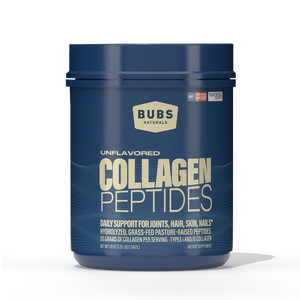
One "pro tip" for better coffee foam is to include Collagen Peptides. Collagen is a pure protein. When you add a scoop of Collagen Peptides to your creamer before frothing, you are essentially adding more "scaffolding" for your air bubbles.
Many of our community members report that adding collagen creates a much thicker, more resilient foam that stays on top of the coffee until the last sip. This is a great way to support your joints, skin, and recovery while also enjoying a superior latte experience. Because we use grass-fed, pasture-raised bovine collagen, it is flavorless and dissolves completely, so it won't change the taste of your favorite roast.
Step-by-Step Guide to the Perfect Foamed Creamer
If you are ready to try it yourself, follow this protocol for the best results. We will focus on the handheld whisk method, as it is the most versatile for both liquid and powdered options.
-
Prep Your Base: If using a liquid creamer, pour about 2-3 ounces into a tall glass or a frothing pitcher. If using a powdered creamer, add one scoop to the glass and add 1 ounce of hot water or coffee. Stir until completely dissolved.
-
Heat it Up: Warm your liquid or concentrated base to roughly 150°F. If you don't have a thermometer, this is usually about 30-45 seconds in the microwave. It should be hot to the touch but not boiling.
-
The First Phase (Incorporate Air): Insert your frother wand at an angle. Keep the head of the whisk just below the surface. Turn it on. You should see a small whirlpool forming and hear a light "ssshhh" sound. Do this for about 10-15 seconds until the volume has roughly doubled.
-
The Second Phase (Refine the Texture): Once you have enough volume, tilt the glass slightly and submerge the wand deeper. This will create a vortex that pulls the larger bubbles down and breaks them into "microfoam." Do this for another 10-15 seconds.
-
The Tap and Swirl: Turn off the frother and remove it. Tap the bottom of your glass firmly on the counter a couple of times to pop any remaining large bubbles. Swirl the glass gently. The liquid should look like wet paint—shiny and smooth.
-
The Pour: Pour your foamed creamer slowly into your coffee. If you did it right, the liquid part of the creamer will dive under the coffee while the thick foam will stay on top.
Bottom line: Achieving great foam requires getting the temperature right (around 150°F) and using a two-phase frothing technique to incorporate air first and then refine the texture into a smooth microfoam.
Troubleshooting Common Issues
Even with the best tools, things can go wrong. Here is how to fix the most common frothing frustrations.
Problem: The foam is too "dry" and looks like soap suds.
This happens when you incorporate too much air too quickly without refining it. You’ve created "macrofoam." To fix this, spend more time in "Phase 2" of the frothing process (the vortex phase). Next time, don't keep the whisk at the surface for so long.
Problem: The powder is clumping and won't foam.
This usually means your liquid isn't hot enough or you didn't stir the powder enough before starting to froth. Always ensure the powder is fully dissolved into a "slurry" before you try to introduce air. Using a small amount of boiling water to start the dissolution can help.
Problem: The foam collapses as soon as I pour it.
This is often a temperature issue or a lack of protein. If your creamer was too hot, the proteins have denatured and can't hold the air. If it was too cold, the fats haven't softened enough to create a flexible bubble wall. Check your temperature and consider adding a scoop of our collagen to provide more structural protein.
Problem: It tastes "watery" despite the foam.
This is common with almond and rice milk creamers. They might foam well, but they lack the fat content to feel "creamy." Try switching to an MCT-based creamer or a coconut-based liquid creamer. These provide the lipids necessary for a rich mouthfeel.
Practical Scenarios for the Active Lifestyle
Life doesn't always happen in a perfectly equipped kitchen. Sometimes you need that frothy comfort when you're out in the world.
The Campsite Coffee
You’re out in the wild, miles from an electric outlet. You can still have a great latte. If you have a French press as part of your camping gear, use the plunger method. If not, the "mason jar shake" works perfectly with a sturdy, heat-resistant water bottle. Our MCT Oil Powder Creamers are ideal for travel and camping because they are lightweight, shelf-stable, and don't require refrigeration.
The Office Pick-Me-Up
Most office breakrooms have a microwave but rarely a frother. Keeping a small, battery-powered whisk in your desk drawer is a low-profile way to upgrade your workday. A quick 30-second froth in a paper cup can make a standard office brew feel like a treat, helping you push through that mid-afternoon slump.
The Pre-Workout Ritual
Many athletes use coffee as a natural pre-workout. By foaming in some MCT oil and electrolytes, you create a functional beverage that supports both focus and hydration. Use a handheld frother to mix your coffee with a scoop of our Hydrate or Die electrolytes and MCT powder. The result is a creamy, salty-sweet beverage that provides sustained energy for a long run or a heavy lifting session.
The Clean Creamer Advantage
When you are looking at which creamer to foam, it is worth considering what is actually inside the bottle or tub. Many popular grocery store creamers are filled with hydrogenated oils, artificial flavors, and thickeners like carrageenan. While these ingredients might make for an easy foam, they aren't doing your body any favors.
We focus on clean, simple ingredients because we believe you shouldn't have to compromise your health for a good cup of coffee. Learn more in our story. When you use a high-quality product like our MCT Oil Creamer, you are getting healthy fats that support metabolic health and mental clarity. There are no fillers or "BS" ingredients to get in the way of your performance.
Choosing a creamer that foams well and nourishes your body is a small win that sets the tone for the rest of your day. It’s about taking care of the basics so you are ready for whatever challenges come your way.
Conclusion
Can you foam coffee creamer? Absolutely. Whether you prefer a liquid plant-based option or a high-performance powder, the secret lies in the combination of temperature, technique, and quality ingredients. By understanding the balance of fats and proteins, you can transform a standard morning coffee into a rich, foamy ritual that supports your active lifestyle.
At BUBS Naturals, our mission is to provide you with the cleanest, most effective tools to live a life of adventure and purpose. Our products are inspired by the legacy of Glen "BUB" Doherty, a man who lived life to the fullest and always looked for ways to improve himself and those around him. If you want the deeper quality story behind the collagen, what makes BUBS Collagen 100% NSF Certified For Sport? explains the testing behind one of our most trusted ingredients. In his honor, we donate 10% of all our profits to veteran-focused charities, ensuring that every scoop you take helps support a greater cause.
So, the next time you reach for your coffee, don't settle for a flat brew. Grab your frother, heat your creamer, and take a moment to enjoy a barista-quality drink that fuels your body and your mission.
-
Choose the right creamer: Look for products with healthy fats and sufficient protein.
-
Watch the temp: Stay between 140°F and 155°F for the best stability.
-
Refine your technique: Use a two-stage frothing process to create smooth microfoam.
-
Upgrade with collagen: Add structural protein for a denser, longer-lasting foam.
Experience the difference that clean, functional ingredients can make in your morning routine by trying our MCT Oil Creamer today.
FAQ
Can all types of coffee creamer be foamed?
Most liquid and powdered creamers can be foamed, but the results vary based on their ingredients. Creamers with higher fat and protein content, like oat milk or MCT-based powders, generally produce the best and most stable foam. "Light" or highly processed creamers with low protein often struggle to hold air bubbles.
Do I need to heat the creamer before frothing it?
Yes, heating the creamer to about 150°F is highly recommended for the best results. Warm liquid allows the fats to emulsify more smoothly and helps the proteins stay flexible enough to trap air. If the creamer is too cold, the foam will be thin; if it's too hot, the foam will collapse almost immediately.
Why does my coffee creamer foam disappear so quickly?
A disappearing foam is usually caused by a lack of structural protein or improper temperature. If your creamer doesn't have enough protein to act as "scaffolding" for the bubbles, they will pop. Additionally, very acidic coffee can sometimes break down the foam structure, so choosing a lower-acid roast may help.
Can I foam powdered creamer without a special tool?
You can foam powdered creamer using a simple mason jar or a French press. First, dissolve the powder in a small amount of hot liquid to create a concentrated base, then add more liquid and shake the jar vigorously or use the French press plunger to incorporate air. While an electric frother is more efficient, these manual methods can still produce a decent froth.