Table of Contents
- Introduction
- What is Apple Cider Vinegar?
- Managing Blood Pressure Naturally
- Supporting Healthy Cholesterol Levels
- The Impact of Blood Sugar on Your Heart
- How Acetic Acid Works in the Body
- Incorporating Apple Cider Vinegar into Your Routine
- Real Expectations for Heart Support
- A Balanced Approach to Cardiovascular Wellness
- Conclusion
- FAQ
Introduction
You may have noticed apple cider vinegar (ACV) moving from the back of the pantry to the front of the wellness cabinet. For years, people have used this fermented tonic for everything from gut health to skin care. However, modern interest has shifted toward how this simple kitchen staple might support the most important muscle in your body: your heart. Cardiovascular wellness is a long-term project that requires a solid foundation of nutrition, movement, and smart supplementation.
At BUBS Naturals, we focus on clean, functional ingredients that help you stay in the pursuit of your best self, and that same philosophy runs through our Boosts Collection. Understanding the benefits of apple cider vinegar for heart health is about looking past the trends and focusing on the actual compounds that interact with your biology. In this guide, we will explore how the acetic acid and antioxidants found in ACV may support healthy blood pressure, cholesterol levels, and overall cardiovascular function.
Maintaining heart health doesn't have to be complicated. By understanding the science behind ACV, you can decide if it belongs in your daily routine to help keep your "engine" running strong.
Quick Answer: Apple cider vinegar may support heart health by helping to maintain healthy blood pressure and cholesterol levels already within a normal range. Its primary active component, acetic acid, can support metabolic health and reduce oxidative stress, both of which are critical for long-term cardiovascular function.
What is Apple Cider Vinegar?
To understand how apple cider vinegar supports the heart, you first need to know how it is made. It starts with crushed apples. Manufacturers add yeast to the apple juice, which ferments the natural sugars into alcohol. In a second fermentation step, bacteria are added to convert that alcohol into acetic acid.
Acetic acid is the "active ingredient" in vinegar. It gives ACV its strong smell and sour taste, but it is also responsible for many of its health-supporting properties. When you look at a bottle of high-quality ACV, you might see a cloudy substance floating at the bottom. This is known as "the Mother."
The Importance of "The Mother"
The Mother consists of strands of proteins, enzymes, and friendly bacteria. While many commercial vinegars are filtered and pasteurized to look clear, leaving the Mother intact preserves more of the raw nutrients. These include small amounts of potassium and various antioxidants that can help protect cells from damage. When choosing an ACV supplement, looking for Apple Cider Vinegar Gummies ensures you are getting the most complete version of the ingredient.
Managing Blood Pressure Naturally
One of the most discussed benefits of apple cider vinegar for heart health is its potential impact on blood pressure. High blood pressure puts extra strain on your arteries and your heart muscle. Over time, this strain can lead to a loss of elasticity in the blood vessels, making it harder for blood to flow where it needs to go.
Research suggests that acetic acid may play a role in supporting healthy blood pressure levels. One mechanism involves an enzyme called renin. Renin is produced by your kidneys and plays a major role in regulating blood pressure by causing blood vessels to constrict. Some studies indicate that acetic acid can help inhibit the activity of renin. When renin activity is managed, blood vessels stay more relaxed, which helps maintain a steady, healthy flow of blood throughout the system.
Supporting Endothelial Function
The endothelium is the thin membrane that lines the inside of your heart and blood vessels. It’s responsible for telling your blood vessels when to expand and contract. When your endothelium is healthy, your circulation is efficient. Acetic acid may support the production of nitric oxide, a molecule that helps these vessels relax. This process is essential for anyone who trains hard or spends time in high-stress environments, as it ensures your muscles and organs receive the oxygen they need without overworking the heart.
Bottom line: By potentially inhibiting enzymes that constrict blood vessels and supporting nitric oxide production, ACV can be a useful tool for maintaining healthy blood pressure levels.
Supporting Healthy Cholesterol Levels
Cholesterol is often misunderstood. Your body needs it to build cells and make hormones, but the balance of different types of cholesterol matters immensely. You have high-density lipoprotein (HDL), often called "good" cholesterol, and low-density lipoprotein (LDL), often called "bad" cholesterol. When LDL levels are too high, or when that LDL becomes oxidized, it can lead to buildup in the arteries.
Studies have looked at how ACV impacts lipid profiles. Acetic acid appears to support the liver in its job of processing fats. Some research suggests that regular intake of ACV can help lower total cholesterol and triglycerides while potentially supporting a better ratio of HDL to LDL.
Reducing Oxidative Stress on Lipids
It isn't just the amount of cholesterol that matters, but also how it reacts in your body. Oxidative stress can cause LDL cholesterol to become "oxidized." Oxidized LDL is much more likely to contribute to plaque formation in the arteries. The antioxidants found in apple cider vinegar, such as gallic acid and catechin, can help neutralize free radicals. By reducing oxidative stress, ACV may help protect your cholesterol from becoming the type that causes issues for your heart.
Key Takeaway: ACV supports the heart by assisting the liver in fat metabolism and providing antioxidants that protect blood vessels from the damaging effects of oxidized cholesterol.
The Impact of Blood Sugar on Your Heart
Many people are surprised to learn that blood sugar management is a heart health topic. When blood sugar levels spike and crash repeatedly, it can damage the walls of your arteries. Chronic high blood sugar also contributes to inflammation, which is a major driver of cardiovascular issues.
One of the most scientifically backed benefits of apple cider vinegar is its ability to improve insulin sensitivity and lower blood sugar responses after meals. When you consume ACV with a meal high in carbohydrates, the acetic acid slows down the rate at which your stomach empties. It also inhibits the enzymes that break down starches into sugar.
Protecting Your "Pipes"
By smoothing out those blood sugar spikes, you are effectively protecting the lining of your blood vessels from the "corrosive" effect of excess glucose. Think of your cardiovascular system like the plumbing in your house. Keeping the water (your blood) at a balanced chemistry prevents the pipes (your arteries) from wearing out prematurely.
Myth: Apple cider vinegar can replace insulin or blood sugar medications.
Fact: While ACV can help support healthy blood sugar levels in healthy individuals, it is a supplement and not a replacement for medical treatment. Always consult with a healthcare provider if you have a metabolic condition.
How Acetic Acid Works in the Body
The benefits of apple cider vinegar for heart health mostly stem from how acetic acid interacts with your metabolism. When you ingest acetic acid, it can activate an enzyme called AMPK (adenosine monophosphate-activated protein kinase). AMPK is often called the body's "master switch" for metabolism.
When AMPK is activated, it tells your cells to start burning fat for energy and prevents the liver from producing excess sugar and fat. This systemic metabolic support helps reduce the overall burden on your cardiovascular system. A leaner, more efficient metabolism usually correlates with a healthier heart.
Nutrient Absorption and Heart Health
ACV is also known for supporting digestion by increasing stomach acidity. This may seem unrelated to the heart, but better digestion leads to better absorption of key minerals like magnesium and calcium. Magnesium, in particular, is vital for maintaining a steady heart rhythm and helping the heart muscle relax after a contraction. By supporting a healthy gut environment, ACV indirectly helps your body get the nutrients it needs to keep your heart beating steadily.
| Benefit Area |
Mechanism of Action |
Potential Outcome |
| Blood Pressure |
Inhibits renin activity |
Relaxed blood vessels |
| Cholesterol |
Supports liver fat metabolism |
Balanced HDL/LDL ratio |
| Blood Sugar |
Slows starch digestion |
Reduced arterial inflammation |
| Oxidative Stress |
Provides polyphenols/antioxidants |
Protected blood vessel lining |
Incorporating Apple Cider Vinegar into Your Routine
Knowing the benefits of apple cider vinegar for heart health is one thing; getting it into your daily life is another. Many people struggle with the intense acidity and harsh taste of liquid ACV. If you choose the liquid route, never take it as a straight "shot." The high acidity can damage your tooth enamel and irritate your throat.
Liquid ACV: The Dilution Rule
If you prefer liquid, mix one to two tablespoons into at least eight ounces of water. Some people add a squeeze of lemon or a pinch of cinnamon to make it more palatable. It is best taken before or during a meal to maximize its effects on blood sugar.
The Convenience of Gummies
For those who are always on the move or simply can't stand the taste of vinegar, gummies have become a popular alternative. Our BUBS Apple Cider Vinegar Gummies provide a concentrated dose of ACV, including the Mother, without the liquid's harshness. We designed them to fit into an active lifestyle where convenience and quality matter.
Using gummies makes it easier to stay consistent. Consistency is the most important factor when it comes to heart health—one dose won't change your cardiovascular profile, but a daily habit over months and years can make a significant difference.
Real Expectations for Heart Support
It is important to keep a grounded perspective. Apple cider vinegar is a supplement, not a "miracle" cure. Heart health is a holistic endeavor. You cannot out-supplement a poor diet, chronic stress, or a sedentary lifestyle.
Think of ACV as a "force multiplier." If you are already eating whole foods, staying hydrated, and getting your heart rate up through exercise, ACV can help support those efforts. It provides an extra layer of defense for your blood vessels and metabolic system. Results vary from person to person, and it is always wise to listen to your body and monitor your progress with your healthcare provider.
Potential Side Effects and Precautions
While ACV is generally safe for most people, there are a few things to keep in mind:
-
Digestive Upset: Some people experience indigestion or nausea if they take too much ACV on an empty stomach.
-
Tooth Enamel: As mentioned, the acid in liquid vinegar can wear down enamel. Using gummies or rinsing your mouth with water after drinking diluted ACV can help.
-
Medication Interactions: If you are on blood pressure medication or diuretics, talk to your doctor. ACV may have an additive effect that needs to be monitored.
A Balanced Approach to Cardiovascular Wellness
If your goal is a strong heart that can power you through mountain hikes, long runs, or a demanding workday, you need to look at the big picture. Beyond the benefits of apple cider vinegar for heart health, consider these pillars:
-
Hydration: Your blood is mostly water. Dehydration makes your blood thicker and harder to pump. Use electrolytes like our Hydrate or Die formula to ensure your fluid balance is optimal.
-
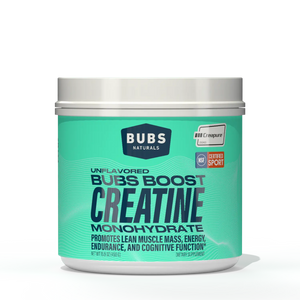
Movement: The heart is a muscle. It needs to be challenged to stay strong. Aim for a mix of steady-state cardio and high-intensity efforts, and keep Creatine Monohydrate in mind for performance-focused training days.
-
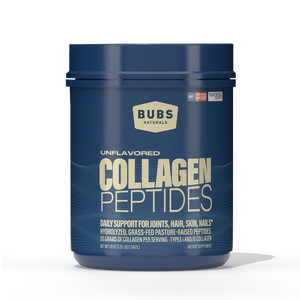
Recovery: Stress and lack of sleep are hard on the heart. Supplements like Collagen Peptides can support the structural integrity of your tissues, while MCT oil can provide clean energy to reduce the metabolic load.
-
Nutrition: Focus on anti-inflammatory foods. Berries, fatty fish, leafy greens, and healthy fats, plus a simple add-in like MCT Oil Creamer, create the environment your heart needs to thrive.
Conclusion
The benefits of apple cider vinegar for heart health are rooted in its ability to support your body's natural metabolic processes. From managing blood pressure and cholesterol to smoothing out blood sugar spikes, the acetic acid found in ACV offers a simple, science-backed way to support your cardiovascular system. Whether you choose to drink it diluted or take it in a convenient gummy form, the key is making it a consistent part of your wellness routine.
At BUBS Naturals, we are committed to providing clean, effective tools that help you live a life of adventure and purpose. Our products are third-party tested and designed for people who demand the most from their bodies. We also believe in a higher purpose. That’s why we donate 10% of all our profits to veteran-focused charities in honor of Glen "BUB" Doherty. When you take care of your health, you’re also helping us support those who have served.
Take the next step in your heart health journey by prioritizing consistency. Whether it's adding a morning walk or starting a daily ACV habit, small actions lead to significant results over time. Our ACV gummies are ready to help you get there—no harsh taste, just pure support for your heart and your mission.
FAQ
Does apple cider vinegar lower blood pressure?
Research suggests that the acetic acid in apple cider vinegar may help maintain healthy blood pressure by inhibiting the enzyme renin, which causes blood vessels to constrict. While it is not a replacement for medication, many people find it helpful as part of a heart-healthy lifestyle.
How much apple cider vinegar should I take for heart health?
A common recommendation is one to two tablespoons of liquid apple cider vinegar diluted in a large glass of water daily. If you are using gummies, our BUBS ACV gummies provide a similar dose of the active compounds without the acidity of the liquid.
Can apple cider vinegar help with cholesterol?
Some studies indicate that apple cider vinegar may support healthy cholesterol levels by assisting the liver in processing fats and reducing oxidative stress. It can help maintain a healthy balance between "good" HDL cholesterol and "bad" LDL cholesterol already within a normal range.
When is the best time to take ACV for heart benefits?
Many people find the most benefit when taking apple cider vinegar before or during a meal that contains carbohydrates. Staying on top of hydration with the Hydration Collection can help support the same daily routine.