Table of Contents
- Introduction
- What Are Rosehips?
- The Synergy of Vitamin C and Rosehips
- Key Benefits for Immune Support
- Support for Collagen and Skin Health
- Joint Health and Inflammation
- Cardiovascular and Metabolic Support
- How to Use Vitamin C with Rosehip
- Choosing a Quality Supplement
- Potential Side Effects and Considerations
- Conclusion
- FAQ
Introduction
If you have ever spent time looking through a supplement aisle or researching ways to bolster your immune system, you have likely seen "Vitamin C with Rosehips" on the label. While most people know that vitamin C is a staple for health, the addition of rosehips often feels like a mystery ingredient. You might wonder if it is just for show or if there is a functional purpose behind the pairing.
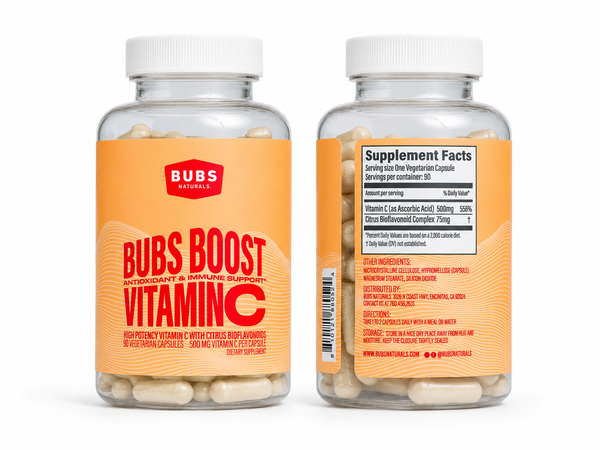
At BUBS Naturals, we focus on supplements that serve a specific purpose for an active, high-performance lifestyle. Understanding what goes into your body is just as important as the training you do. This combination is more than just a marketing trend; it is a strategic pairing designed to maximize the way your body uses one of its most essential vitamins, like our Vitamin C+.
In this guide, we will break down exactly what vitamin C with rosehip is good for, how it supports your recovery and skin health, and why this duo has become a favorite for athletes and wellness enthusiasts alike.
Quick Answer: Vitamin C with rosehip is primarily used to support a healthy immune system, boost collagen production for skin and joint health, and provide a wider range of antioxidants than vitamin C alone. The rosehips act as a natural source of bioflavonoids, which may help the body absorb and utilize the vitamin more effectively.
What Are Rosehips?
To understand why this combination is so popular, you first need to know what a rosehip actually is. When a rose bush drops its petals, it leaves behind a small, round, red or orange fruit. These are the rosehips. While they might look like simple berries, they are actually nutrient-dense "false fruits" that have been used in traditional wellness practices for centuries.
Rosehips are one reason Vitamin C+ is such a useful everyday supplement. In their raw state, they can contain significantly more vitamin C than citrus fruits like oranges. Beyond just the vitamin itself, rosehips are packed with other beneficial compounds, including carotenoids, polyphenols, and various bioflavonoids.
Bioflavonoids are plant-derived compounds that often give fruits and vegetables their color. In the body, they work alongside vitamin C to support various functions. When you see a supplement that combines these two, it is often intended to mimic how vitamin C is found in nature—surrounded by other nutrients rather than as an isolated molecule.
The Synergy of Vitamin C and Rosehips
The primary reason these two are paired together is synergy. Synergy happens when two ingredients work together to produce a result that is greater than what they could achieve individually. While ascorbic acid (the most common form of vitamin C) is highly effective on its own, adding rosehips creates a more complete nutritional profile in Vitamin C+.
Many people find that taking vitamin C with rosehips is easier on their digestive system. Pure ascorbic acid can sometimes be acidic enough to cause minor stomach upset in sensitive individuals. The natural fibers and compounds in rosehips can help buffer this acidity. Furthermore, the bioflavonoids in rosehips are thought to help stabilize the vitamin C, potentially keeping it active in your system for a longer duration.
Key Benefits for Immune Support
The most common reason people reach for this supplement is to support the immune system. Vitamin C is a critical component of your body’s internal defense force. It supports the production and function of white blood cells, which are the cells responsible for protecting the body against external stressors.
Rosehips add an extra layer of support through their own antioxidant properties. Antioxidants are molecules that help neutralize free radicals. Think of free radicals as "unstable" molecules that can cause oxidative stress in your cells—similar to how oxygen causes metal to rust. By providing a broader spectrum of antioxidants, rosehips help the vitamin C protect your cells from the wear and tear of a high-stress, active lifestyle, much like the support you would expect from Hydrate or Die® Electrolytes.
For those who train hard, the immune system is often under constant pressure. Intensive exercise can temporarily dip your immune defenses. Supporting your body with a combination of vitamin C and rosehips can help maintain your baseline health so you can stay consistent with your routine.
Support for Collagen and Skin Health
If you are focused on longevity and recovery, you probably already know about collagen. Vitamin C is a non-negotiable requirement for collagen synthesis. Your body cannot physically produce collagen without it. Collagen is the structural protein that makes up your skin, hair, nails, tendons, and ligaments.
Rosehips are particularly good for skin health because they contain lycopene and beta-carotene. These are carotenoids that help protect the skin from environmental stressors like UV rays and pollution. When combined with vitamin C, these nutrients support Collagen Peptides:
-
Skin Elasticity: Helping the skin remain firm and resilient.
-
Wound Healing: Assisting the body in repairing skin tissue after scrapes or burns.
-
Hydration: Supporting the skin's natural moisture barrier.
-
Brightening: Helping to maintain an even skin tone and reducing the appearance of dark spots.
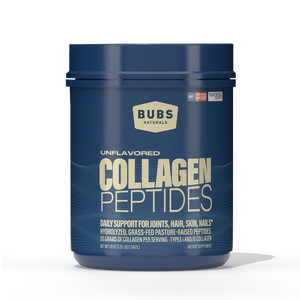
Many people who use our Collagen Peptides also choose to supplement with vitamin C to ensure their body has the tools it needs to put that collagen to work. Using BUBS Naturals Vitamin C alongside your daily collagen scoop is a simple way to maximize your results.
Key Takeaway: Vitamin C is the essential "trigger" for collagen production. Without adequate levels, your body cannot effectively build or repair the connective tissues that keep your skin firm and your joints moving smoothly.
Joint Health and Inflammation
Joint discomfort is a common hurdle for athletes and aging adults. Rosehips have gained a reputation for supporting joint health, specifically by helping to manage inflammation. Some studies suggest that rosehips contain a specific galactolipid—a type of fat molecule—that has anti-inflammatory properties.
When your joints are inflamed, it usually results in stiffness and reduced range of motion. By helping to modulate the inflammatory response, rosehips may support better mobility. This is particularly helpful for those dealing with the general wear and tear of long-distance running, weightlifting, or high-impact sports, which is why What is the Benefit of Collagen to the Body? is such a useful next read.
Vitamin C contributes here as well by protecting the cartilage in your joints. Cartilage acts as a cushion between your bones. Oxidative stress can degrade this cushion over time. The antioxidant power of the vitamin C and rosehip duo helps keep that "padding" intact.
Myth: Rosehip oil applied to the skin is the same as taking a rosehip supplement.
Fact: Rosehip oil is great for topical hydration and contains Vitamin A, but it contains very little Vitamin C because the vitamin is water-soluble and is lost during the oil extraction process. To get the Vitamin C benefits of rosehip, you need to consume the powder or extract.
Cardiovascular and Metabolic Support
Beyond the skin and the immune system, vitamin C with rosehip may support heart health. Vitamin C is known to help maintain the flexibility and health of blood vessels. When blood vessels are healthy, they can dilate and contract properly, which supports healthy blood pressure levels already within a normal range.
Rosehips bring fiber and polyphenols to the table. Some research indicates that these compounds can help support healthy cholesterol levels. By reducing oxidative stress within the cardiovascular system, this supplement duo helps protect the heart from the long-term effects of a high-intensity lifestyle.
Additionally, some early research has looked into a compound in rosehips called tiliroside. Some studies suggest this antioxidant may support healthy fat metabolism. While it is not a "magic pill" for weight loss, it may support your body’s natural metabolic processes when combined with a clean diet and regular exercise.
How to Use Vitamin C with Rosehip
If you are ready to add this to your routine, there are a few things to keep in mind regarding timing and dosage.
Dosage
Most supplements provide between 500 mg and 1,000 mg of vitamin C, with a varying amount of rosehip extract. For most active adults, a daily dose in this range is sufficient. Because vitamin C is water-soluble, your body will simply flush out what it does not need. However, very high doses (over 2,000 mg) may lead to digestive upset or "loose stools."
Timing
You can take vitamin C with rosehip at any time of day, but many people prefer taking it in the morning with a meal to support absorption and prevent any potential stomach acidity. If you are using it for recovery, taking it shortly after a workout can help combat the oxidative stress produced during exercise.
Consistency
Like most wellness habits, consistency is key. You will likely not feel a massive change after one dose. The benefits for skin, joints, and immunity build up over time as your cellular levels stabilize.
Choosing a Quality Supplement
Not all supplements are created equal. When looking for a vitamin C and rosehip product, you want to ensure you are getting clean ingredients without unnecessary fillers.
At BUBS Naturals, we prioritize purity and performance. Our Vitamin C supplement is designed to be simple and effective, providing the support you need without the "BS" you don't. We use science-backed dosages and ensure our products are easy to integrate into your busy life. Whether you are prepping for a mission, a marathon, or just a busy work week, your supplements should work as hard as you do.
Our commitment to quality goes beyond the ingredients. Learn more in Our Story and see how that mission shapes everything we make. We believe in doing things the right way, which is why we ensure our products are third-party tested. This gives you the peace of mind that what is on the label is exactly what is in the bottle.
Potential Side Effects and Considerations
While vitamin C with rosehip is generally considered safe for most people, there are a few things to watch out for.
-
Digestive Issues: As mentioned, high doses can cause cramps or diarrhea. If this happens, simply lower your dose.
-
Kidney Stones: Individuals with a history of kidney stones should consult a healthcare provider before taking high doses of vitamin C, as it can increase oxalate levels in the urine.
-
Iron Absorption: Vitamin C significantly increases the absorption of non-heme iron (the kind found in plants). This is usually a benefit, but if you have a condition like hemochromatosis (too much iron), you should be cautious.
-
Interactions: If you are taking blood thinners or statins, speak with your doctor. Rosehips contain vitamin K and other compounds that may interact with certain medications.
Always listen to your body. If you notice any unusual symptoms, stop use and talk to a professional. Wellness is a marathon, not a sprint, and your individual needs may change based on your age, activity level, and health status.
Bottom line: Vitamin C with rosehip is a versatile supplement that supports everything from the structural integrity of your skin and joints to the daily resilience of your immune system.
Conclusion
Vitamin C with rosehip is more than a traditional remedy; it is a functional powerhouse for the modern athlete. By combining the foundational necessity of vitamin C with the antioxidant-rich profile of rosehips, you give your body a broader set of tools for recovery and protection. Whether you are looking to boost your collagen production, protect your joints, or simply stay healthy through the changing seasons, this duo is a worthwhile addition to your kit.
At BUBS Naturals, we are driven by the legacy of Glen "BUB" Doherty—a man who lived with intensity, purpose, and a commitment to excellence. We carry that spirit into everything we do. That is why we use only clean, high-quality ingredients and why we donate 10% of all our profits to veteran-focused charities, as shared in Giving Back to Veterans & Our Communities. When you choose our supplements, you are not just supporting your own health; you are contributing to a larger mission.
Ready to level up your recovery? Start with the basics. Ensure your body has the antioxidant support it needs to keep pushing boundaries.
FAQ
Is it better to take Vitamin C with rosehips than just Vitamin C?
For many people, yes, because rosehips provide natural bioflavonoids that may improve the absorption and effectiveness of the vitamin. Additionally, the rosehips offer a wider spectrum of antioxidants and are often gentler on the stomach than isolated ascorbic acid.
Can Vitamin C with rosehip help with skin aging?
Vitamin C is essential for producing collagen, which keeps skin firm and reduces the appearance of wrinkles. Rosehips add extra antioxidants like lycopene, which help protect the skin from environmental damage that causes premature aging.
Does Vitamin C with rosehip help with joint pain?
While it is not a cure for joint conditions, the anti-inflammatory properties of rosehips and the collagen-supporting role of vitamin C can help maintain joint health. Many athletes report better mobility and less stiffness when supplementing with this combination.
Are there any side effects of taking rosehips daily?
Most people tolerate rosehips very well at standard dosages. However, because they are high in vitamin C, taking excessive amounts may lead to mild digestive issues like nausea, heartburn, or stomach cramps. Always follow the recommended dosage on the product label.