Table of Contents
- Introduction
- Understanding Supplement Expiration Dates
- The Science of Why Vitamin C Degrades
- Physical Signs Your Vitamin C Has Expired
- Potency vs. Safety: Is It Dangerous?
- How Different Forms of Vitamin C Age
- Proper Storage: How to Make Your Vitamin C Last
- Why Quality and Testing Matter
- When to Throw It Away
- How to Dispose of Expired Supplements Properly
- Maximizing Your Wellness Investment
- Conclusion
- FAQ
Introduction
You are rummaging through your pantry or checking the back of your medicine cabinet and find a bottle of Vitamin C. You check the bottom of the bottle and realize the date printed there passed six months ago. Now you face a choice: do you toss it out, or is it still good enough to help support your immune system?
It is a common scenario for anyone trying to stay on top of their wellness routine. At BUBS Naturals, we believe that understanding what you put into your body is just as important as the workout you crush or the recovery protocol you follow. This guide will walk you through the science of supplement shelf life, how to tell if your vitamins have lost their edge, and the best ways to keep your stash fresh.
We will cover the stability of different forms of Vitamin C, the physical signs of degradation, and the safety of taking supplements past their prime. By the end of this article, you will know exactly how to handle that "expired" bottle and how to ensure your next one stays potent for as long as possible.
Quick Answer: Yes, taking expired Vitamin C is generally safe and unlikely to cause harm or toxicity. However, the vitamin gradually loses its potency over time, meaning it may not provide the full nutritional benefits listed on the label.
Understanding Supplement Expiration Dates
When you see a date on a bottle of Vitamin C, it is usually a "Best By" or "Use By" date rather than a hard expiration like you might find on a gallon of milk. In the United States, the Food and Drug Administration (FDA) does not technically require supplement manufacturers to list expiration dates. However, reputable brands include them to indicate how long the product is guaranteed to maintain its full labeled potency.
The date is a promise of quality. If a bottle says it contains 500mg of Vitamin C per serving, the manufacturer guarantees that 500mg will be present until that date. After that point, the vitamins do not suddenly turn into something dangerous. Instead, the active ingredients slowly begin to break down. This process is known as degradation.
While a supplement past its date will not likely make you sick, it might not provide the nutritional support you expect. For someone training hard or looking to support their recovery, using a weakened supplement means you are not getting the full value of your investment. We prioritize transparency and quality, ensuring that every batch of our supplements meets strict standards so you know exactly what you are getting.
The Science of Why Vitamin C Degrades
Vitamin C, also known as L-ascorbic acid, is one of the most unstable vitamins. It is a water-soluble molecule that is highly sensitive to its environment. Its primary job in the body is to act as an antioxidant, which means it donates electrons to neutralize free radicals. This same chemical flexibility makes it prone to breaking down when exposed to certain elements.
Oxidation: The Primary Culprit
Oxidation is the chemical reaction that occurs when Vitamin C is exposed to oxygen. When the molecule loses electrons to the air around it, it transforms into dehydroascorbic acid. Eventually, it breaks down further into compounds that no longer provide the same health benefits. This is why you might notice that a half-empty bottle of powder or capsules seems to age faster than a sealed one. Every time you open the lid, you introduce fresh oxygen.
Moisture and Humidity
Since Vitamin C is water-soluble, it is incredibly "hygroscopic." This means it attracts and holds water molecules from the surrounding environment. In a process called deliquescence, the humidity in the air can cause the solid crystals of Vitamin C to begin to dissolve at a microscopic level. This accelerates the chemical breakdown. This is why the bathroom—with its frequent steam from the shower—is often the worst place to store your supplements.
Light and Heat Exposure
UV light and high temperatures provide the energy needed to speed up chemical reactions. Heat causes molecules to move faster, increasing the likelihood of degradation. Light can trigger "photolysis," where the energy from light waves breaks the chemical bonds of the vitamin. This is why many high-quality Vitamin C supplements are sold in opaque or dark-amber bottles.
Key Takeaway: Vitamin C is a delicate molecule that reacts easily with oxygen, water, and light. This reactivity is what makes it a powerful antioxidant in your body, but it also means it requires careful storage to remain stable in the bottle.
Physical Signs Your Vitamin C Has Expired
You do not always need to rely on the date printed on the bottle. Your senses can often tell you if a supplement has started to turn. If you notice any of the following changes, the potency has likely dropped significantly.
Color Changes
Pure Vitamin C is naturally white or very pale off-white. As it oxidizes, it undergoes a visible color shift. It will first turn a light yellow, then move toward a dark orange or even a rusty brown. If your capsules or powder have changed color, it is a clear sign that the ascorbic acid has chemically changed.
Smell and Taste
Fresh Vitamin C has a very mild, slightly tart scent. When it begins to degrade, it can develop a distinct sour or metallic odor. In some cases, if the supplement contains other ingredients or fillers, these might also react to the aging process, creating a "stale" smell. If it smells off, it is usually time to replace it.
Changes in Texture
For powders, look for clumping or a "damp" appearance. This indicates that moisture has entered the container. For tablets or capsules, look for spots or a grainy texture on the surface. If capsules are sticking together in the bottle, humidity has likely compromised the structural integrity of the supplement.
Myth: Taking expired Vitamin C will make you experience food poisoning symptoms.
Fact: Unlike perishable food, expired vitamins rarely harbor dangerous bacteria. The "expiration" refers to a loss of potency, not the development of toxicity. However, the breakdown products can occasionally cause mild stomach upset in sensitive individuals.
Potency vs. Safety: Is It Dangerous?
A major concern for most people is whether taking an old supplement is a safety risk. For the vast majority of healthy adults, taking Vitamin C that is a few months past its "Best By" date is not dangerous. The primary risk is the "opportunity cost"—you think you are supporting your body with a specific dose, but you are actually receiving much less.
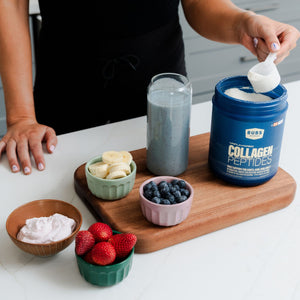
If you are using Vitamin C specifically to support a rigorous training phase or to help with collagen synthesis for joint health, you want the full dose. Relying on an expired product means your body might not be getting the resources it needs to recover properly. That is one reason many people keep our Vitamin C in their daily routine alongside our Collagen Peptides.
However, there is one caveat. If the supplement shows signs of mold growth or if the bottle has been exposed to extreme heat (like being left in a hot car for weeks), you should discard it immediately. In these rare cases, it isn't just the Vitamin C breaking down; the physical container or other ingredients in the formula could be compromised.
How Different Forms of Vitamin C Age
Not all Vitamin C is created equal when it comes to shelf life. The delivery method plays a massive role in how quickly the active ingredients lose their punch.
Capsules and Tablets
These are generally the most stable forms. Because the Vitamin C is compressed or encased in a shell, there is less surface area exposed to oxygen. A high-quality capsule that is kept in its original, sealed bottle can often remain potent well beyond its listed date.
Powders
Powders have a high surface area. Every time you scoop into the jar, you are exposing millions of tiny particles to the air. If you use a damp scoop, you are introducing moisture directly into the supply. While powders are convenient for mixing into shakes, they require more diligent storage than tablets.
Gummies and Liquids
Gummies are often the first to go bad. They are made with moisture and sugars, which makes them more susceptible to both degradation and microbial growth. Liquid Vitamin C is the least stable, as the water environment allows for rapid oxidation. If you have liquid or gummy Vitamin C past its date, it is best to toss it.
Vitamin C with Bioflavonoids
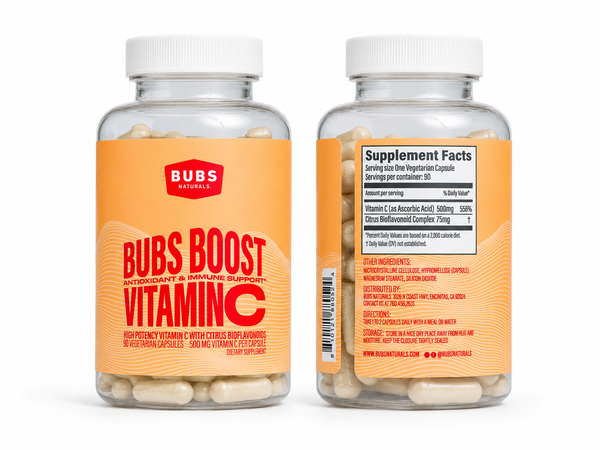
Some supplements, like BUBS Naturals Vitamin C, include citrus bioflavonoids. These are naturally occurring compounds found in fruits that work alongside Vitamin C. They can help with the absorption of the vitamin and provide an extra layer of antioxidant support. Because our formula is designed for active lifestyles, we focus on stability and bioavailability, ensuring the ingredients work together effectively throughout the product's lifespan.
Bottom line: Tablets and capsules offer the longest shelf life, while gummies and liquids degrade much faster due to moisture and exposure to the elements.
Proper Storage: How to Make Your Vitamin C Last
If you want to get the most out of your supplements, you need to treat them with a bit of respect. Proper storage can often extend the effective life of your vitamins past the date on the label.
Avoid the Kitchen and Bathroom
These are the two most humid rooms in the house. The steam from the shower and the heat from the stove will rapidly degrade your supplements. A cool bedroom closet or a dedicated pantry shelf is a much better choice.
Keep the Lid Tight
This seems obvious, but many people leave the lid loosely twisted. Every second the bottle is open, oxygen is reacting with the contents. Close the lid immediately after getting your daily dose.
Use the Original Container
Supplement bottles are designed to protect the contents. Dark-tinted glass or opaque plastic blocks harmful UV light. Transferring your vitamins to a clear decorative jar might look nice on your counter, but it will cut their shelf life in half.
Watch the Cotton Ball
Many supplement bottles come with a small cotton ball or a desiccant packet (those little "do not eat" silica bags). These are there to absorb any stray moisture. Unless they are in the way of your hand, it is usually best to leave them in the bottle to keep the environment dry.
Why Quality and Testing Matter
When it comes to supplements, the label is everything. Since the FDA does not regulate supplements the same way it does pharmaceuticals, the burden of proof is on the manufacturer. This is where third-party testing becomes essential.
If a company does not test its products for long-term stability, the "Best By" date is essentially a guess. High-quality brands perform stability testing to see exactly how their formulas hold up over one, two, or three years in various conditions. This data allows them to set accurate dates that ensure you are getting exactly what you paid for.
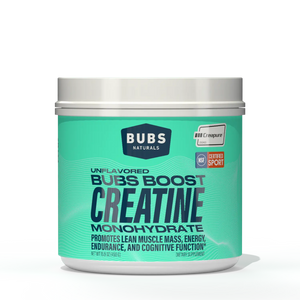
At BUBS Naturals, we take this a step further. We focus on simple, clean, science-backed ingredients with no fillers. Our products are designed for people who push their bodies to the limit. Whether it is our single-ingredient Creatine Monohydrate or our Vitamin C with citrus bioflavonoids, we ensure that what is on the label is what is in the bottle.
When to Throw It Away
While taking expired vitamins is generally safe, there comes a point when you should just start fresh. If you are questioning whether to keep a bottle, use this checklist:
-
Is it a liquid or gummy? If yes and it is past the date, throw it out.
-
Does it have a strong or "off" smell? If yes, throw it out.
-
Has the color changed from white/pale to yellow/brown? If yes, throw it out.
-
Are there visible signs of moisture or clumping? If yes, throw it out.
-
Is it more than two years past the date? Even if it looks fine, it likely has almost no potency left. Throw it out.
Investing in a new bottle is a small price to pay for the peace of mind that you are actually supporting your health. When you buy fresh, you ensure that your immune system, collagen production, and antioxidant defenses have the fuel they need.
How to Dispose of Expired Supplements Properly
When you decide it is time to move on from your old vitamins, do not just flush them down the toilet. This can lead to trace amounts of supplements entering the water supply. While vitamins are not as concerning as prescription medications, it is still better to be responsible.
The best way to dispose of them is to mix the vitamins with something unappealing, like used coffee grounds or cat litter. Put the mixture in a sealed bag and toss it in your regular household trash. This prevents kids or pets from accidentally getting into them and keeps the concentrated vitamins out of the water system.
Note: If you have a large amount of expired supplements, check with your local pharmacy. Many have "take-back" programs where they can safely dispose of vitamins and medications for you.
Maximizing Your Wellness Investment
Wellness is not just about taking a handful of pills; it is about building a routine that works for your life. When you choose supplements, you are choosing tools to help you perform better and recover faster. Taking an expired supplement is like using a dull tool—it might eventually get the job done, but it is much harder and less efficient.
By keeping your Vitamin C fresh and storing it correctly, you ensure that your body has the antioxidant support it needs to handle the stress of daily life and hard training. We are here to provide those clean, effective tools. Our Vitamin C is formulated with 500 mg of ascorbic acid and citrus bioflavonoids to support your body's natural processes.
Our mission goes beyond just selling supplements. We are here to help you live a life of adventure and purpose, inspired by the legacy of Glen "BUB" Doherty. Every choice we make, from our ingredient sourcing to our packaging, is designed to honor that mission.
Conclusion
Is it safe to take expired Vitamin C? In most cases, yes. You are unlikely to experience any dangerous side effects from a bottle that is a few months past its prime. However, you are sacrificing the potency and effectiveness that your body relies on for recovery and health. If your vitamins look, smell, or feel different, it is time to upgrade to a fresh supply.
Keep your supplements in a cool, dry place, keep the lids tight, and choose brands that prioritize third-party testing and quality. For more context on pairing Vitamin C with collagen, explore Vitamin C and Collagen Peptides.
At BUBS Naturals, we are committed to providing the cleanest products possible to help you meet your goals. We also believe in giving back. We donate 10% of all our profits to veteran-focused charities in honor of Glen "BUB" Doherty. When you choose us, you are not just investing in your own wellness; you are supporting a community of heroes. Learn more about giving back to veterans and our communities, and grab a fresh bottle of our Vitamin C today.
FAQ
Can expired Vitamin C make you sick?
Taking expired Vitamin C is highly unlikely to cause illness or toxicity. The most common "side effect" is simply a lack of nutritional benefit because the active ingredients have degraded. However, if the vitamins show signs of mold or have been exposed to extreme moisture, you should avoid taking them as they could cause minor stomach upset.
How long does Vitamin C stay potent after the expiration date?
Most Vitamin C in capsule or tablet form will retain a significant portion of its potency for about six months to a year after the "Best By" date, provided it has been stored in a cool, dry place. After two years, the degradation is usually significant enough that the supplement is no longer worth taking.
Why did my Vitamin C pills turn brown or orange?
This color change is a result of oxidation. When Vitamin C is exposed to oxygen, light, or heat, it undergoes a chemical reaction that changes its molecular structure. This shift from white to yellow, orange, or brown is a clear visual indicator that the vitamin has lost its potency and is breaking down.
Should I store my Vitamin C in the refrigerator to keep it fresh?
While refrigeration can help extend the life of certain supplements like fish oil or probiotics, it is generally not necessary for Vitamin C capsules or powders. In fact, the frequent opening and closing of a refrigerator can introduce condensation and moisture, which may actually speed up the degradation of Vitamin C. A cool, dark pantry is usually the best spot.