Table of Contents
- Introduction
- Understanding Paracetamol (Acetaminophen)
- The Role of Vitamin C in the Body
- Why People Combine Paracetamol and Vitamin C
- Is There a Scientific Interaction?
- Exploring the Viral Prevention Theory
- Proper Dosage and Timing
- When to Be Cautious
- Supporting Your Recovery Naturally
- The Importance of Quality
- Summary of Best Practices
- Conclusion
- FAQ
Introduction
Waking up with a scratchy throat or a dull headache usually marks the start of a familiar routine. You reach for a pain reliever to dull the ache and a vitamin supplement to boost your defenses. Among the most common pairings is paracetamol—known as acetaminophen in the United States—and Vitamin C. Whether you are fighting off a seasonal bug or managing muscle soreness after a heavy lifting session, you want to know if this combination is safe and effective.
At BUBS Naturals, we believe that understanding what you put into your body is the first step toward better performance and recovery. Navigating the world of supplements and over-the-counter medications can feel complicated, especially when you are trying to balance immediate relief with long-term wellness. This guide explores the relationship between paracetamol and Vitamin C, covering safety profiles, potential benefits, and how to use them together effectively.
The short answer is yes, you can take paracetamol with Vitamin C. There are no known major drug interactions between the two, and they are frequently found together in many "all-in-one" cold and flu remedies. However, there are nuances to how they work in your system and how they can support your recovery goals.
Quick Answer: Yes, it is safe to take paracetamol (acetaminophen) and Vitamin C together. No major drug interactions exist between them, and many clinicians suggest they may work well together to manage cold symptoms and support immune health.
Understanding Paracetamol (Acetaminophen)
Paracetamol is one of the most widely used over-the-counter medications in the world. In the U.S., you likely know it as acetaminophen. It is a dual-action medication classified as an analgesic (pain reliever) and an antipyretic (fever reducer).
Unlike ibuprofen or aspirin, paracetamol is not an NSAID (non-steroidal anti-inflammatory drug). It does not target inflammation in the tissues as directly as those drugs do. Instead, it works primarily in the central nervous system. It elevates your overall pain threshold by inhibiting the signals that tell your brain something hurts. It also acts on the heat-regulating center of your brain to help bring down a high temperature.
Because it is generally gentle on the stomach compared to NSAIDs, it is often the first choice for people with sensitive digestive systems or those who need pain relief during pregnancy. However, it is processed by the liver, which means dosage and external factors like alcohol consumption are critical for safety.
The Role of Vitamin C in the Body
Vitamin C, or ascorbic acid, is an essential water-soluble vitamin. This means your body does not store it in large amounts; you need to replenish it daily through food or supplements. It is a powerful antioxidant, which is a molecule that helps protect your cells from damage caused by free radicals—unstable atoms that can harm cells.
Beyond its role as an antioxidant, Vitamin C is a vital co-factor in collagen synthesis. Collagen is the primary structural protein in your skin, joints, and connective tissues. Without enough Vitamin C, your body struggles to repair these tissues effectively. This makes it a staple for anyone leading an active lifestyle.
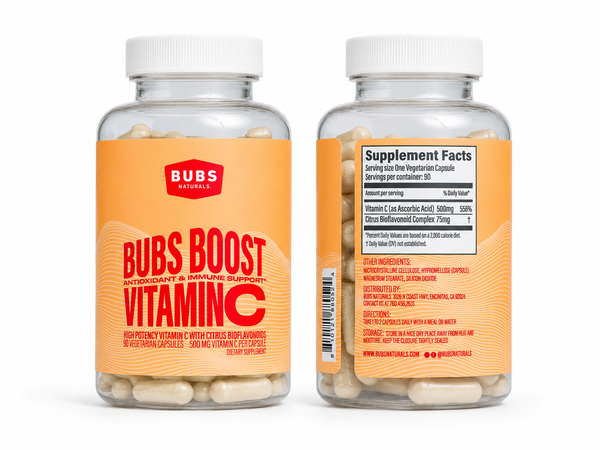
Our Vitamin C supplement provides 500 mg of this essential nutrient alongside citrus bioflavonoids. Bioflavonoids are compounds found in citrus fruits that may help your body absorb and use the vitamin more efficiently. When you are under physical stress—whether from an illness or a grueling trail run—your Vitamin C requirements may increase as your body works to defend and repair itself.
Why People Combine Paracetamol and Vitamin C
The most common reason for combining these two is the onset of a cold or flu. When you are sick, you are usually dealing with two separate issues: symptoms (fever and pain) and the underlying immune challenge.
Symptom Management
Paracetamol takes care of the immediate discomfort. It reduces the fever that makes you feel weak and dulls the aches in your joints and muscles. This allows you to rest more comfortably, which is arguably the most important part of any recovery process.
Immune Support
Vitamin C does not "cure" a cold, but it is heavily involved in the function of white blood cells. These cells are the frontline soldiers of your immune system. Taking Vitamin C during an illness may help reduce the duration and severity of your symptoms by supporting these immune cells as they fight off the pathogen.
Post-Exercise Recovery
Some athletes use paracetamol to manage delayed onset muscle soreness (DOMS) after an intense workout. Pairing it with Vitamin C is a logical step for those focused on tissue repair. Since Vitamin C supports collagen production, it helps maintain the integrity of the tendons and ligaments that take a beating during high-impact training.
Key Takeaway: Paracetamol treats the "now" by reducing pain and fever, while Vitamin C supports the "next" by aiding immune function and tissue repair. Together, they address both the symptoms and the body's recovery needs.
Is There a Scientific Interaction?
When looking at drug interaction databases, you will find no significant evidence that Vitamin C changes how paracetamol is metabolized, or vice versa. They move through your body using different pathways. Paracetamol is primarily processed by the liver via pathways called glucuronidation and sulfation. Vitamin C is absorbed in the small intestine and circulates in the blood before being excreted by the kidneys if there is an excess.
Interestingly, some early research has looked at whether Vitamin C might actually protect the liver during paracetamol use. Because paracetamol can deplete a natural antioxidant in the liver called glutathione, and Vitamin C helps regenerate antioxidants, some scientists have hypothesized that Vitamin C could offer a protective effect. While this is a promising area of study, it is not a reason to exceed the recommended dose of paracetamol.
Myth: Taking Vitamin C will make paracetamol work faster.
Fact: There is no evidence that Vitamin C changes the speed of paracetamol absorption. Paracetamol usually takes 30 to 60 minutes to take effect regardless of Vitamin C intake.
Exploring the Viral Prevention Theory
Recent scientific discussions have explored the idea of using a combination of paracetamol and Vitamin C as a prophylactic—or preventative—measure against viral infections. This theory suggests that certain medications can temporarily alter the "architecture" of how our genes are expressed in respiratory cells.
The idea is that by using these substances, we might make the cells in our lungs and throat less "hospitable" to viruses. This is a novel and theoretical approach. While some researchers advocate for a daily combination of 500 mg of paracetamol and 500 mg of Vitamin C during peak viral seasons, this is not currently a standard medical recommendation. It highlights the growing interest in how common supplements and medicines can be used in creative ways to support public health.
Proper Dosage and Timing
If you decide to take these together, following the correct dosage is the most important factor for safety.
Paracetamol Dosage
For most adults, the standard dose of paracetamol is 500 mg to 1,000 mg (one or two tablets) every four to six hours. You must never exceed 4,000 mg (4 grams) in a 24-hour period. Many over-the-counter medicines for sleep or sinus pressure also contain acetaminophen, so read your labels carefully to avoid accidental doubling up.
Vitamin C Dosage
The Recommended Dietary Allowance (RDA) for Vitamin C is relatively low, but many people in the wellness community opt for higher doses during times of stress. A dose of 500 mg to 1,000 mg per day is common and generally well-tolerated. Since it is water-soluble, your body will simply flush out what it cannot use.
The Best Way to Take Them
You can take both at the same time. They do not need to be spaced apart. Taking them with a full glass of water is ideal, as hydration is a key component of how your body processes both substances. While you can take them on an empty stomach, those with sensitive stomachs might prefer taking them with a light snack.
When to Be Cautious
While the combination is safe for most, there are specific situations where you should exercise caution or consult a healthcare professional.
Liver Health and Alcohol
Since paracetamol is processed by the liver, anyone with existing liver disease should be extremely careful. Chronic alcohol consumption can also strain the liver, making it more susceptible to damage from paracetamol. If you have three or more alcoholic drinks a day, talk to your doctor before using paracetamol regularly.
Kidney Considerations
High doses of Vitamin C (typically over 2,000 mg per day) can increase the risk of kidney stones in some individuals. If you have a history of kidney issues, stick to the lower end of the supplement spectrum.
Medication Overlap
Check your other supplements and medications. If you are already taking a high-quality multivitamin, you may already be getting a significant dose of Vitamin C. Likewise, be wary of "multi-symptom" cold liquids that already contain paracetamol.
Note: Always check the "Active Ingredients" list on any cold and flu medication to ensure you aren't unknowingly taking multiple sources of acetaminophen.
Supporting Your Recovery Naturally
At the heart of any recovery plan should be a foundation of clean nutrition and proper hydration. Supplements are meant to "supplement" a healthy lifestyle, not replace it.
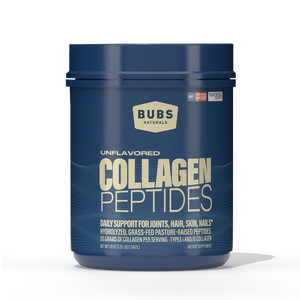
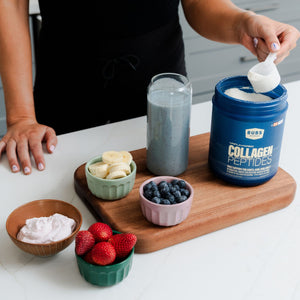
When you are taking paracetamol and Vitamin C to get over a cold or recover from a hard week of training, consider the other pillars of wellness. For example, our Collagen Peptides can work alongside Vitamin C to provide the literal building blocks your joints and skin need. Vitamin C is the "worker" that helps build the collagen "structure."
Furthermore, if you are using paracetamol to break a fever, you are likely losing fluids and electrolytes through sweat. Water alone isn't always enough to restore balance. Our Hydrate or Die electrolyte drink mix is designed to provide rapid rehydration without the added sugars found in traditional sports drinks. Keeping your electrolyte levels stable helps your muscles function better and can even reduce the intensity of headaches.
The goal is to provide your body with simple, effective tools. Whether it is a clean single-ingredient supplement or a calculated choice of over-the-counter medicine, the quality of what you ingest matters.
The Importance of Quality
Not all Vitamin C supplements are created equal. Many mass-market options use fillers, artificial colors, and synthetic flavors that your body doesn't need. When we formulated our Vitamin C, we focused on a clean delivery. We used 500 mg of Vitamin C and added citrus bioflavonoids to mirror how the vitamin is found in nature. This approach aligns with our philosophy: no BS, just ingredients that work.
Similarly, when you choose any medication or supplement, look for third-party testing. This ensures that what is on the label is exactly what is in the bottle. It’s about trust—the same trust athletes and veterans place in us every day.
Summary of Best Practices
If you are currently looking at a bottle of paracetamol and a bottle of Vitamin C, here is the baseline for moving forward:
-
Confirm the ingredients: Ensure your paracetamol doesn't already have other additives if you plan to take separate supplements.
-
Stay within limits: Keep paracetamol under 4,000 mg per day and Vitamin C within a reasonable 500 mg to 1,000 mg range.
-
Hydrate: Drink plenty of water to help your kidneys and liver do their jobs.
-
Listen to your body: If your symptoms persist for more than three days, it's time to check in with a doctor.
Bottom line: Taking paracetamol with Vitamin C is a safe, effective way to manage pain and support your immune system, provided you follow standard dosage guidelines and maintain a foundation of good hydration and nutrition.
Conclusion
Combining paracetamol and Vitamin C is a practical strategy for anyone looking to bounce back from illness or physical strain. It bridges the gap between immediate symptom relief and long-term recovery support. By choosing high-quality, clean supplements and respecting the safety limits of over-the-counter medicines, you empower your body to perform at its best.
We founded BUBS Naturals to help you live a life of adventure and purpose, inspired by the legacy of Glen "BUB" Doherty. Every product we make is designed to be simple, effective, and clean, ensuring you have the fuel you need for whatever challenge lies ahead. In honor of Glen, we donate 10% of all our profits to veteran-focused charities, making every purchase a part of something bigger.
Recovery doesn't have to be complicated. Start with the basics: stay hydrated, get your essential vitamins, and manage your pain responsibly. To learn more about the brand behind this approach, visit Our Story or read about giving back to veterans and our communities.
FAQ
Can I take Vitamin C and paracetamol on an empty stomach?
Yes, most people can take both on an empty stomach without issues. However, if you find that paracetamol or high doses of Vitamin C cause mild stomach upset, try taking them with a small meal or a snack.
Is it okay to take Vitamin C and paracetamol every day?
Vitamin C is safe for daily use as it is an essential nutrient. However, paracetamol should generally not be used for more than three consecutive days for a fever or ten days for pain unless directed by a doctor. Chronic daily use of paracetamol can lead to liver concerns.
Does Vitamin C help paracetamol work better for a cold?
While Vitamin C doesn't change how paracetamol works to reduce pain or fever, it does support the immune system. This combination is effective because it addresses both the symptoms you feel and the immune response your body is mounting. For more on how Vitamin C supports active lifestyles, see Electrolytes: Essential for Your Active Life and Who Takes Collagen?.
What is the difference between paracetamol and acetaminophen?
There is no difference in the medication itself; they are two different names for the same chemical compound. "Paracetamol" is the term commonly used in the UK, Australia, and many other parts of the world, while "acetaminophen" is the standard name used in the United States.