Table of Contents
- Introduction
- What Is Collagen and Why Is It Important?
- The Science Behind Collagen Peptides
- Collagen Peptides and Loose Skin
- Other Strategies for Supporting Skin Elasticity
- The BUBS Difference: We Stand for Quality
- Conclusion
- FAQs
When we look into the mirror and notice signs of aging—wrinkles, sagging skin, or an overall loss of firmness—it can be disheartening. Have you ever wondered if your skin might bounce back with the right support? As we age, one of the critical components responsible for skin elasticity and youthfulness begins to dwindle: collagen. The intrigue surrounding collagen peptides has surged as individuals seek solutions for maintaining supple, vibrant skin.
In this blog post, we will explore the complexities of collagen peptides and their potential impact on loose skin, especially in the context of weight loss and aging. We’ll dive deep into what collagen is, how it affects our skin, and whether supplementation can genuinely make a difference. By the end, you'll have a clearer understanding of the role collagen peptides can play in your wellness journey.
Introduction
Let’s face it—aging is a universal experience, and with it comes inevitable changes in skin texture and tone. At some stage, we may notice the skin losing its firm, elastic nature, often resulting in sagging or “loose” skin, which can be particularly prevalent after significant weight loss. While there’s a myriad of skincare products and treatments that claim to restore that youthful glow, the conversation around collagen supplements often emerges as a popular contender. But do these powdered solutions hold any merit?
Collagen itself is a vital protein responsible for providing structure to our skin, bones, tendons, and more, while collagen peptides represent a form that is often used in dietary supplements and wellness products. This post will unravel the science behind collagen, how collagen peptides may assist with loose skin, and the best ways to incorporate them into your health regime. Additionally, we’ll outline how you can support healthy skin through nutrition, hydration, and lifestyle choices—all while seamlessly integrating our products into your daily routine.
Before we embark on this journey, let’s understand the intrinsic nature of collagen and its significance in maintaining youthful skin.
What Is Collagen and Why Is It Important?
Collagen is the most abundant protein in the body, making up approximately 30% of the total protein composition. It serves as a major building block for bones, skin, muscles, tendons, and ligaments. Collagen fibers are responsible for skin elasticity and firmness—qualities that diminish as we age. Specifically, the production of collagen wanes in our mid-20s and continues to decline with age, leading to visible signs of aging, including wrinkles and sagging skin.
There are several factors that contribute to collagen loss, including:
-
Aging: As we age, the body produces less collagen, leading to potential skin laxity.
-
Sun Exposure: UV rays can degrade collagen and exacerbate skin aging.
-
Lifestyle Factors: Smoking, a poor diet, and inadequate hydration can contribute to collagen depletion.
Faced with these challenges, many people turn to collagen supplementation as a means to counteract skin aging. But can merely adding collagen peptides to our diets genuinely affect skin firmness and reduce loose skin?
The Science Behind Collagen Peptides
Collagen peptides are derived from collagen that has been broken down into smaller, more easily absorbed segments. This formulation typically comes in powder form, which can be incorporated into various products. The popularity of collagen peptides has skyrocketed thanks to anecdotal evidence and burgeoning interest in natural supplements.
How Collagen Peptides Work in the Body
When we consume collagen peptides, they are absorbed into the bloodstream and circulate throughout the body. Research suggests that these peptides may stimulate fibroblasts—the cells responsible for collagen production—ultimately supporting skin elasticity and hydration.
Some notable potential benefits of collagen peptides include:
-
Improved Skin Hydration and Elasticity: Collagen peptides may enhance the skin’s moisture levels and elasticity, helping it achieve a plumper, firmer appearance.
-
Reduction of Wrinkles and Fine Lines: Regular supplementation has been linked to a decrease in the appearance of wrinkles.
-
Supports Overall Skin Health: Beyond elasticity, collagen contributes to the skin's structure and resilience.
However, questions arise regarding the efficacy and absorption of collagen peptides. How much of what we consume actually contributes to healthier skin? Are there limitations?
Current Research on Collagen Peptides
Recent studies have produced encouraging results regarding the effectiveness of collagen supplements for skin health. For instance, a systematic review published in the "Journal of Drugs in Dermatology" highlights that oral collagen supplements improved skin elasticity and hydration after consistent use. Yet, it's crucial to note that many of these studies are sponsored by manufacturers of these products, prompting calls for independent research for a more unbiased conclusion.
As you navigate the world of collagen supplements, remember that while the topic is promising, further studies are needed to draw definitive conclusions about their effects on skin health.
Collagen Peptides and Loose Skin
The Connection Between Collagen Loss and Loose Skin
When faced with substantial weight loss, especially in a short timeframe, the skin may struggle to maintain its elasticity due to the loss of underlying fat and muscle. Consequently, the skin can appear loose or sagging. This is a common concern for people who have embarked on significant health transformations or individuals experiencing natural aging.
So, the question arises: Can collagen peptides indeed help in tightening this loose skin?
What the Research Suggests
Some studies indicate that collagen supplementation may play a role in improving skin elasticity. Considering collagen’s role in skin structure, providing the body with additional collagen peptides could potentially help restore some degree of firmness lost during weight fluctuations.
However, it’s essential to approach this topic realistically. Many factors influence skin health beyond supplementation, including:
-
Diet: A balanced diet rich in vitamins and minerals is crucial for skin health. Foods high in antioxidants, healthy fats, and proteins are imperative.
-
Hydration: Staying adequately hydrated is foundational for maintaining skin plumpness.
-
Exercise: Physical activity, particularly strength training, enhances muscle mass, which can assist in reinforcing the skin's structure.
Integrating collagen peptides into our daily regimen, such as through our Collagen Peptides, may support your skin's health while being part of a comprehensive lifestyle approach.
Other Strategies for Supporting Skin Elasticity
While collagen peptides can be a beneficial addition, they should be one component of a broader strategy for maintaining healthy, firm skin. Here are essential practices to consider:
Nutrition for Skin Health
-
Protein Intake: Aim for 0.8 to 1 gram of protein per pound of body weight daily to support skin health and muscle maintenance.
-
Collagen-Rich Foods: Incorporate foods that promote natural collagen production, such as:
- Bone broth
- Eggs
- Citrus fruits (vitamin C aids collagen synthesis)
- Leafy greens, nuts, and seeds
Maintain Hydration
Drinking enough water each day (ideal is around 64 ounces) contributes to overall skin hydration. Alongside water, consider incorporating hydrating foods like watermelon and cucumber into your diet.
Utilize Topical Treatments
Supplementation can be complemented with the right skincare practices. Products containing ingredients like retinol, peptides, and antioxidants are proven to enhance skin rejuvenation and elasticity. Always look for products that are safe and effective for your unique needs.
Regular Exercise
Engaging in regular exercise, particularly strength training, not only supports muscle mass but also improves blood circulation. This can have a positive effect on your skin’s overall appearance, potentially assisting in its ability to bounce back after weight loss.
The BUBS Difference: We Stand for Quality
At BUBS Naturals, we’re dedicated to providing high-quality, clean nutrition that supports wellness with purpose. We focus on products that are rigorously tested, ensuring they meet both our high standards and those of third-party certifications, such as NSF for Sport.
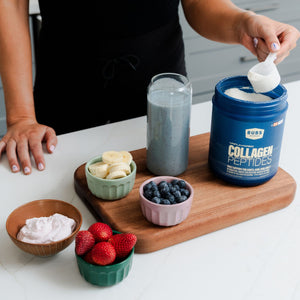
Our Collagen Peptides offer a simple, effective solution to incorporate collagen into your diet without any unnecessary fillers or additives. Just one scoop can help you feel the difference—it seamlessly blends into your smoothie, coffee, or water!
Most importantly, we emphasize our commitment to community, pledging 10% of all profits to veteran-focused charities, honoring Glen “BUB” Doherty's legacy as a man dedicated to service and adventure.
Conclusion
So, will collagen peptides help loose skin? The evidence suggests they could play a supplemental role in improving skin health, glycation, and hydration, particularly when part of a holistic approach to wellness. While they aren’t a direct remedy for loose skin, they can certainly support the body’s natural processes. Coupled with a nutritious diet, proper hydration, and an active lifestyle, collagen peptides may contribute to achieving and maintaining the firm, vibrant skin we all desire.
As we continue in our journeys, it’s essential to be patient and proactive in our skin health practices. Are you ready to explore the benefits of our Collagen Peptides and take your first steps toward supporting your skin's resilience?
FAQs
Q1: How long does it take for collagen peptides to show results on skin?
Most supplements can take anywhere from 4 to 12 weeks to provide noticeable benefits. Consistent use is essential for achieving the best results.
Q2: Can I take collagen peptides with other supplements?
Yes! Collagen peptides can work harmoniously with other supplements, especially those rich in vitamin C or hyaluronic acid, which support skin health.
Q3: What are the potential side effects of collagen supplements?
Collagen supplements are generally considered safe to consume. However, some individuals may experience mild digestive discomfort. Always consult with a healthcare provider if you have specific concerns.
Q4: Are there any alternatives to collagen supplements?
Yes, you can pursue natural sources of collagen by including collagen-rich foods in your diet and focusing on vitamin C intake, healthy fats, and hydration.
Q5: How can I enhance the effectiveness of collagen peptides?
Aim for a well-rounded approach: maintain a nutritious diet, stay hydrated, and engage in both cardio and strength training to support overall skin and body health.
Together, we can make informed choices that empower our journey toward wellness!