Table of Contents
- Introduction
- What is Collagen?
- The Role of Collagen in Skin Health
- How Does Aging Affect Collagen Levels?
- Improving Collagen Production Naturally
- Collagen Supplements: Are They Effective?
- Conclusion: The Path to Healthy Skin
- FAQ
Have you ever wondered why collagen has become the go-to ingredient in skin care and wellness circles? You aren't alone. This mighty protein plays a pivotal role in maintaining youthful, vibrant skin. It’s more than just a buzzword—it's a vital component of our body's structure that often gets overlooked in our quest for skin health. In this blog post, we will dive deep into what collagen is, how it benefits our skin, and the ways we can integrate it into our daily lives, especially through the effective supplementation offered by BUBS Naturals.
Introduction
The quest for youthful skin often leads us down a path laden with promises and exaggerated claims about creams, serums, and supplements. Collagen is one of those names that has captured our attention and for a good reason. As we age, our bodies produce less collagen, leading to visible signs of aging like wrinkles and sagging skin. But what exactly is collagen, and why should we be paying attention to it? This blog serves to arm you with knowledge about this essential protein—from its role in skin health to how we can support our natural collagen production through lifestyle choices and supplements.
At BUBS Naturals, we understand the importance of clean, high-quality ingredients and their role in wellbeing. In this article, we’ll explore the structural characteristics of collagen, its impact on skin health, factors that influence its production, and how our collagen peptides can aid your wellness journey. Whether you’re staving off the signs of aging or looking to maintain your skin’s elasticity and hydration, this guide will provide practical insights into integrating collagen into your routine.
What is Collagen?
Collagen is the most abundant protein in our body, accounting for approximately 30% of its total protein content. It serves as the primary building block for our skin, muscles, bones, tendons, ligaments, and other connective tissues. Naturally produced by our bodies, collagen consists primarily of amino acids like proline, glycine, and hydroxyproline, which group together to form a triple helix structure that gives resilience and strength to skin and tissues.
There are at least 28 types of collagen identified, with five main types frequently discussed in relation to skin health:
-
Type I: Comprising 90% of the collagen in your body, type I is crucial for skin, bones, tendons, and ligaments.
-
Type II: Found in elastic cartilage, it provides joint support.
-
Type III: This type is present in muscles, arteries, and organs.
-
Type IV: Crucial for the layers of your skin.
-
Type V: Found in the hair and tissue of the placenta.
As we transition from youth into adulthood, collagen production gradually decreases, with significant drops occurring around menopause in women. This tipping point often leads to the distressing physical changes many of us associate with aging.
The Role of Collagen in Skin Health
Collagen plays a multifaceted role in skin health. Its importance can be summarized through the following functions:
-
Structural Support: Collagen provides strength and structure to the skin. It helps maintain elasticity, making the skin appear plump and youthful.
-
Hydration: Collagen helps retain moisture, thus reducing dryness and rough texture. The more hydrated our skin is, the better it can fend off aging signs.
-
Elasticity: As collagen gives the skin its elasticity, it helps prevent sagging and reduces the formation of fine lines.
-
Barrier Function: Collagen aids in creating a protective barrier on the skin, shielding it from environmental aggressors and irritants.
In essence, collagen is crucial for maintaining the skin's structural integrity, appearance, and overall health.
How Does Aging Affect Collagen Levels?
With the progression of age, our natural collagen production declines, and existing collagen begins to degrade at a faster rate. Notably, several lifestyle factors can exacerbate this decline:
-
Sun Exposure: Ultraviolet (UV) rays damage collagen fibers, accelerating the breakdown process.
-
Smoking: Known to reduce collagen production and promote wrinkles due to its detrimental effects on blood circulation.
-
Diet: High sugar intake can lead to glycation, a process that damages collagen and impairs its function.
Understanding these factors allows us to take actionable steps to support our collagen levels effectively.
Improving Collagen Production Naturally
While it’s natural for collagen levels to decline with age, there are tangible methods to encourage healthy collagen production. Here are several steps we can take:
1. Nutritional Support
Eating a balanced diet rich in vitamins and nutrients is crucial for collagen synthesis. Key nutrients include:
-
Vitamin C: Essential for collagen formation, found in citrus fruits, strawberries, and bell peppers.
-
Amino Acids: Found in protein-rich foods like fish, chicken, nuts, and dairy.
-
Zinc and Copper: Important minerals found in shellfish, nuts, and seeds.
A balanced diet that includes collagen-supportive foods can enhance your body’s ability to rebuild this vital protein.
2. Hydration
Staying well-hydrated is critical for skin health. Drinking adequate water helps keep skin moisture intact, promoting elasticity and firmness.
3. UV Protection
Wearing sunscreen daily, even on cloudy days, can prevent UV damage that compromises collagen in the skin. Incorporate a broad spectrum SPF 30 or higher into your daily skincare routine.
4. Supplements
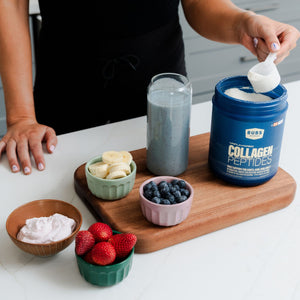
While our bodies produce collagen naturally, supplementing with BUBS Collagen Peptides can provide an extra boost. Our hydrolyzed collagen is designed to support skin hydration, elasticity, and overall health. Shop our collagen collection today and see how it can restore vitality to your skin.
Collagen Supplements: Are They Effective?
Many people turn to collagen supplements as part of their anti-aging strategy. Scientific research suggests that these supplements may positively affect skin health, but opinions vary among experts regarding their overall effectiveness.
Evidence from Research
-
Clinical Studies: Some randomized controlled trials indicate that collagen peptides can improve skin elasticity and hydration after consistent use. It has been observed that collagen supplementation leads to a statistically significant reduction in wrinkles and skin dryness.
-
Absorption: When consumed, collagen supplements are broken down into smaller peptides, allowing the body to use these amino acids as building blocks for collagen production. However, some researchers caution that there is still uncertainty about how much of this ingested collagen can be directly deposited in the skin.
-
Consistency is Key: Observing improvements usually requires a commitment to daily supplementation for at least 8–12 weeks.
While the benefits of collagen supplementation appear promising, it’s crucial not to rely solely on them for skin health. Instead, they should be integrated into a holistic skincare and wellness routine that includes proper sun protection, hydration, and a nutrient-rich diet.
Conclusion: The Path to Healthy Skin
In summary, understanding why collagen is good for the skin can empower us to make better choices in our beauty and wellness routines. Collagen is vital for skin elasticity, hydration, and overall health, particularly as we age.
By supporting collagen levels through diet, lifestyle, and effective supplements like BUBS Collagen Peptides, we can embrace our skin's health and vitality. Remember, maintaining youthful skin requires a multidimensional approach that includes protection from environmental factors, nutritional support, and consistent supplementation.
As we honor the legacy of Glen “BUB” Doherty at BUBS Naturals, every product we create reflects our commitment to quality and service, not just for our customers but also for causes that inspire us. Together, let's explore the journey of wellness and adventure while giving back to veteran-focused charities through our 10% Rule.
FAQ
Q: What age should I start taking collagen supplements?
A: While collagen production naturally begins to decline in our mid-20s, starting collagen supplementation can benefit anyone looking to support their skin and overall health.
Q: How long does it take to see results from collagen supplementation?
A: Most research suggests you'll notice improvements in skin elasticity and hydration after 8-12 weeks of consistent use.
Q: Can collagen supplements help with joint pain?
A: While our focus here is on skin health, some studies also indicate collagen may aid in joint health by strengthening cartilage.
Q: Is it possible to get enough collagen from diet alone?
A: While certain foods can help promote collagen production, supplements like BUBS Collagen Peptides can offer an efficient way to ensure you're getting adequate amounts for optimal skin health.
Q: Are there any side effects of taking collagen supplements?
A: Collagen supplements are generally considered safe for most people. However, individuals with certain allergies or dietary restrictions should consult a healthcare professional before beginning supplementation.
Explore the possibilities of nourishing your skin from the inside out. Discover more about our commitment to wellness and how our products can enrich your journey—browse all products. Together, we can support your quest for healthier, more vibrant skin!